Mississippi Boone and Crockett Whitetails
The dream of harvesting a truly world-class whitetail buck, a magnificent animal that stands out from the rest, is one that drives countless hunters in Mississippi and beyond. But chasing a Boone and Crockett whitetail isn't just about luck; it's about understanding the unique conditions Mississippi offers, knowing what to look for, and employing diligent strategies. This guide will help you understand what makes a Mississippi whitetail a contender for the Boone and Crockett record book and how to approach the pursuit of such an incredible animal.
The Lure of a Boone and Crockett Whitetail in Mississippi
For many hunters, the "Boone and Crockett" designation represents the pinnacle of big game hunting success. It signifies a buck that has reached an exceptional level of maturity and antler growth, showcasing the very best of what the habitat and genetics can produce. While Mississippi might not always be the first state people think of when B&C bucks come to mind, its unique landscapes, particularly the fertile Delta region, offer surprising opportunities for those willing to put in the work.
Defining a B&C Buck: Beyond Just Big Antlers
When we talk about a Boone and Crockett buck, we're not just talking about any big deer. There's a specific scoring system, a meticulous process that measures various dimensions of a buck's antlers to determine its rank. The score is not just about mass or tine length; it's a comprehensive measurement that includes main beam length, circumference, and the length of all points, subtracting for asymmetries in typical racks.
A typical whitetail rack is largely symmetrical, with points growing cleanly off the main beams. A non-typical rack, on the other hand, boasts abnormal points, drop tines, or unusual antler growth that deviates from the symmetrical ideal. Both categories have their own minimum scores for entry into the B&C record book, with typical racks generally requiring a lower net score due to the inherent deductions for asymmetry. It's a system designed to recognize true antler quality, whether it's perfectly symmetrical or wildly unique. The journey to a B&C score starts with letting bucks get old enough to express their full potential, and Mississippi has the habitat to support that growth.
Mississippi's Unique Recipe for Trophy Potential
Mississippi possesses specific characteristics that contribute to its potential for growing B&C caliber whitetails. The state benefits from a generally mild climate, an abundance of diverse habitats, and, crucially, some of the most fertile soil in the world, particularly in the Delta. These factors combine to provide excellent nutrition, which is the bedrock of antler growth. While genetics play a role, even the best genetics can't produce massive antlers without a steady supply of high-quality forage and minerals.
Our state's deer management efforts, including specific antler restrictions in certain units like the Delta, have also played a significant role. These rules encourage hunters to pass up younger bucks, allowing more deer to reach older age classes where their antler growth truly peaks. This focus on age structure, combined with rich food sources, creates the perfect storm for trophy potential. It's why parts of Mississippi consistently produce impressive deer, making the dream of a B&C buck a very real possibility for dedicated hunters.
Key Factors Influencing Mississippi's Trophy Deer
Understanding the elements that lead to a trophy buck is crucial for any hunter hoping to connect with a B&C contender. It's a delicate balance of nature's bounty, thoughtful management, and the buck's individual journey through life. Focus on these core pillars, and you'll be one step closer to understanding where and how these giants develop.
Habitat and Nutrition: The Foundation of Growth
The adage "you are what you eat" holds especially true for deer, and nowhere is this more evident than in the Delta region of Mississippi. The rich, alluvial soils of the Delta, combined with extensive agricultural operations, provide an almost unrivaled buffet for whitetails. Fields of corn, soybeans, and wheat offer high-protein forage, while hardwood bottoms provide critical mast crops like acorns, which are vital for winter sustenance and overall health.
A robust diet translates directly into superior antler growth. Bucks with access to consistent, high-quality nutrition throughout their lives have the energy and building blocks to maximize their genetic potential. When food sources are abundant, like during a bumper acorn crop, deer can be incredibly healthy, allowing them to put more energy into antler development. Conversely, a poor acorn year can negatively impact deer health and antler growth, which is something hunters must consider when evaluating a season's prospects. Knowing these patterns can help you scout and choose hunting locations more effectively.
Age Structure: Letting Them Grow
Perhaps the most critical factor in growing B&C class bucks is age. A buck simply cannot grow truly massive antlers in its first few years. It needs time to mature, to redirect energy from body growth to antler development. In Mississippi, particularly within certain Deer Management Units like the Delta Unit, specific antler restriction rules are in place to help achieve this. These rules typically mandate a minimum inside spread or number of points, encouraging hunters to pass on younger, although often still impressive, bucks.
For example, the Delta Unit has specific rules for antler restrictions, often requiring a buck to have a wider spread before it can be legally harvested. This means many bucks get to live for several more years, allowing them to express their full antler potential. In contrast, other areas like the Hills and Southeast Units have slightly different rules. By allowing bucks to reach 4.5, 5.5, or even 6.5 years old, you significantly increase the chances of them developing antlers that push the boundaries of the record book. It requires discipline, but it's a proven strategy for improving the quality of the herd.
Genetics: The Hidden Ingredient
While often discussed, genetics are a bit of a wild card for the average hunter. You can't change the genetic makeup of the wild deer herd you're hunting. However, it's undeniable that certain regions and individual deer carry genes for exceptional antler growth. Over generations, a combination of superior genetics and excellent nutrition can lead to a lineage of truly impressive animals.
Mississippi's deer herd, especially in areas with a long history of careful management and abundant resources, definitely holds strong genetic potential. While you can't pick a buck based on its DNA, understanding that good genetics are present in the population adds another layer of excitement to the hunt. Focus on controlling the factors you can influence – providing optimal habitat and letting bucks mature – and you'll maximize the chances that any genetically superior deer on your land or public hunting area will reach its full B&C potential.
Strategies for Pursuing a Mississippi B&C Contender
Hunting a B&C buck in Mississippi isn't just about stumbling into a big deer; it's a strategic, year-round endeavor. It demands dedication, an intimate knowledge of the land, and an understanding of deer behavior. Every detail, from your pre-season scouting to your in-season tactics, contributes to your success.
Intensive Scouting and Observation
The pursuit of a record-book buck begins long before the season opener, sometimes even immediately after the previous season closes. Intensive scouting is paramount. This means walking countless miles, scrutinizing aerial photos, and getting boots on the ground to locate core bedding areas, major travel corridors, and preferred feeding spots. Tools like a GoHunt membership can be invaluable here, offering detailed maps and data layers that help you dissect a property from your living room, identifying potential hotspots before you ever step foot in the woods.
Trail cameras are another non-negotiable tool. Placing cameras strategically on scrape lines along a logging road, near pinch points between cover and food, or where a funnels between two sloughs, can provide critical intelligence on individual bucks, their movement patterns, and their daily routines. Shed hunting in late winter and early spring is also a fantastic way to inventory the bucks that survived the previous season and see the potential growth of their antlers. The more information you gather, the better you can predict where and when a specific trophy buck might show itself.
Timing the Rut in the Magnolia State
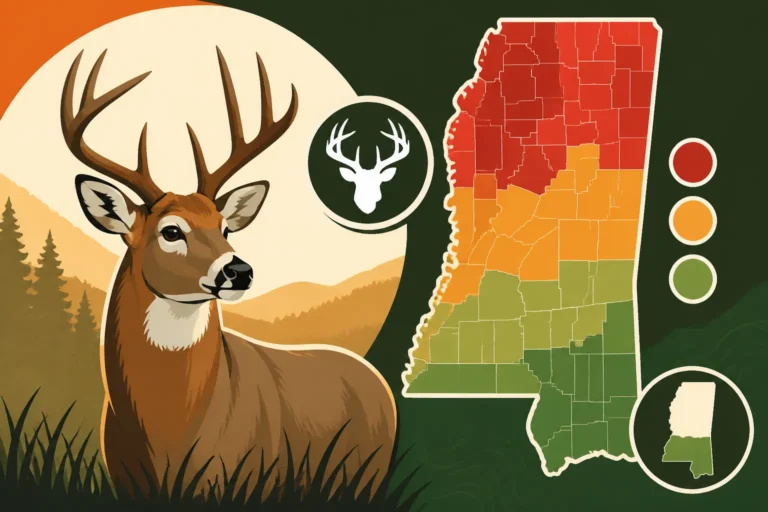
The rut is often considered the best time to catch a mature buck off guard, as their typically cautious nature takes a backseat to the primal urge to breed. However, knowing when the Mississippi rut peaks by unit is absolutely critical. The timing can vary significantly across the state, with the Delta Unit often seeing its peak later than the Hills Unit.
Understanding these localized rut timings means you can concentrate your hunting efforts during the narrow windows when mature bucks are most active and vulnerable. This might involve long hours on stand, employing rattling and grunting in Mississippi timber to attract a cruising buck, or focusing on scrape lines and rub lines that indicate recent buck activity. Patience during the rut is key; those brief periods of intense activity are when a B&C buck is most likely to make a mistake.
Ethical Harvest and Post-Harvest Protocols
Connecting with a B&C buck is a momentous occasion, but the responsibility doesn't end with the shot. An ethical harvest means ensuring a clean kill and a diligent recovery. Always prioritize a well-placed shot, and if there's any doubt, wait and approach cautiously after a sufficient amount of time has passed. Tracking a deer through Mississippi leaf litter or blood trailing after dark in Mississippi can be challenging, but it's a hunter's duty.
Once the buck is recovered, it's crucial to follow all state regulations for reporting a deer through Mississippi's app. Proper handling of the carcass is also important, especially if you plan to get the antlers officially scored. Field dressing a deer in warm weather quickly and efficiently will help preserve the meat and prevent spoilage. These steps ensure that your successful hunt is respectful of the animal and compliant with all legal requirements.
The Path to the Record Book: From Field to Formal Score
So, you've done the work, patiently waited, and finally harvested a magnificent Mississippi whitetail that looks like a true giant. Now, how do you know if it's truly a Boone and Crockett contender, and what are the next steps to get it recognized?
Field-Judging and Initial Assessment
Many experienced hunters develop an eye for trophy potential in the field. When a buck steps out, you're making a split-second decision based on antler mass, main beam length, tine length, and overall symmetry. For instance, in the Delta Unit, you might be looking to measure a twelve-inch Delta spread by eye, or a ten-inch Hills spread by eye in the Hills Unit. These quick assessments help determine if a buck meets legal harvest requirements and if it's truly the caliber you're after.
While field judging is a skill that improves with practice, it's not an exact science. Many hunters carry a small rangefinder or binoculars with reticles that can help estimate antler dimensions. Remember, deductions for asymmetry are significant for typical racks, so a truly symmetrical frame with long tines and heavy mass is often what pushes a typical buck into B&C territory. For non-typicals, every abnormal point adds to the score, so a "messy" rack can actually be highly desirable.
Official Scoring and Drying Period
Once a buck is harvested and you believe it's a potential record-book animal, the antlers must undergo a mandatory 60-day drying period. This allows the antlers to stabilize, as they can lose moisture and shrink slightly after being separated from the skull. It's important not to rush this process, as an early score could be slightly higher than an official one later, leading to disappointment.
After the drying period, you'll need to find a Boone and Crockett Official Measurer. These individuals are trained and certified to meticulously measure every aspect of the antlers according to B&C's strict guidelines. They use specialized tools to ensure accuracy and will account for all main beam lengths, circumferences at various points, and tine lengths, as well as any asymmetries. This is where the true score is determined, and a GoHunt membership might even help you locate certified scorers in your area, or at least provide resources to help you find one.
Understanding Mississippi's Deer Record Book
In addition to the national Boone and Crockett Club records, Mississippi also maintains its own state-specific Mississippi Deer Record Book. Many impressive bucks that don't quite meet the national B&C minimums still qualify for the state record book, offering another layer of recognition for exceptional animals harvested within the Magnolia State.
Submitting a buck for the state record book generally follows a similar process, often requiring a certified scorer and adhering to a drying period. It's a fantastic way to celebrate your success and document the quality of deer in Mississippi, showcasing the robust health and trophy potential of our local herds. Whether your buck makes the national book or the state book, it's a testament to good deer management, healthy habitat, and your dedication as a hunter.
Disclaimer
This article is for general informational purposes only and does not constitute professional advice. Laws, prices and regulations vary by location and change over time. Consult a qualified professional for guidance on your specific situation.