Mississippi Deer Herd Size
It's a question every hunter has pondered: exactly how many deer are roaming the woods and fields of Mississippi? Trying to pin down an exact, real-time number for a wild, free-ranging animal like the white-tailed deer is incredibly challenging, and it's easy to feel frustrated by the lack of a simple answer. This guide aims to shed some light on how wildlife agencies estimate populations, the factors that influence these numbers, and how you, as a hunter, play a crucial part in understanding and managing our state's valuable deer herd.
The Elusive Numbers: Why Pinpointing Mississippi's Deer Herd Size is Tricky
When you ask about the exact number of deer in Mississippi, it's like trying to count every raindrop in a thunderstorm – impossible! Wild deer don't stand still for a census, and their populations are constantly in flux due to births, deaths, migration, and hunting pressure. This makes getting an exact, finite number a statistical impossibility, which can be a bit disheartening when all you want is a clear picture of the herd.
Why Exact Numbers Are Elusive
Think about it: deer are constantly moving, breeding, and unfortunately, sometimes dying from various causes. You have fawns being born in the spring, bucks shedding velvet and then antlers, and a variety of factors like disease, predation, and habitat changes impacting them year-round. There's no way to put a microchip in every single deer or have a state-wide headcount. Wildlife agencies, like the Mississippi Department of Wildlife, Fisheries, and Parks (MDWFP), rely heavily on scientific sampling methods and models to come up with informed estimates, rather than precise counts. It's a complex endeavor that involves a lot of boots-on-the-ground observation combined with data analysis.
Furthermore, deer populations aren't static. A mild winter with good nutrition can lead to a boom in fawn survival, while a severe drought or an EHD outbreak can cause significant localized die-offs. What might be an accurate estimate in one month could be completely different just a few months later. This dynamic nature means that any number you hear is a snapshot in time, an informed approximation rather than a hard, unyielding fact. It's a testament to the wildness of these animals, which, while challenging for data collection, is also part of their enduring appeal.
The Role of Estimates and Data Collection
So, if we can't get an exact count, how do wildlife biologists even manage the herd? They rely on various data points and techniques to build a picture of the overall population health and trend. This includes things like harvest data from hunters, roadkill surveys, spotlight surveys, trail camera studies, and even anecdotal reports from landowners and hunters. Each piece of information acts like a puzzle piece, contributing to a larger, albeit estimated, understanding. For example, by analyzing patterns in "Mississippi Annual Deer Harvest" numbers over several years, biologists can infer whether the population is generally increasing, decreasing, or stable.
Consider how trail camera data contributes. While one hunter's cameras might only show a handful of deer, when data from thousands of cameras across the state are aggregated and analyzed, patterns emerge. Biologists look at things like buck-to-doe ratios, fawn recruitment rates, and average deer weights for different age classes. These indicators provide valuable insights into the health and density of the herd in various regions. This is how the MDWFP can even begin to formulate things like "Mississippi Statewide Deer Bag Limit" or season structures. It’s a continuous, multi-faceted effort that relies on a lot of cooperation from the hunting community.
Factors Shaping Mississippi's Deer Population Over Time
Mississippi's deer population today is a far cry from what it was a century ago. Understanding these historical shifts and the ongoing factors that influence the herd gives us a better appreciation for the dynamic nature of wildlife management in our state. It's not just about how many deer there are right now, but how those numbers got here and where they might be headed.
Historical Context of Deer Management
Believe it or not, back in the early 20th century, white-tailed deer were scarce in many parts of Mississippi. Unregulated hunting and widespread habitat destruction had decimated populations. Through dedicated conservation efforts, including strict hunting regulations, habitat restoration, and aggressive restocking programs, Mississippi's deer herd made a remarkable comeback. This success story is a testament to effective wildlife management and the commitment of hunters and conservationists. Today, deer are abundant across the state, in numbers that were unimaginable just a few generations ago.
The evolution of deer management practices has also played a huge role. Early efforts focused primarily on increasing deer numbers, often by protecting does and focusing harvest on bucks. As populations rebounded and, in some areas, even exceeded carrying capacity, the focus shifted to quality deer management (QDM), aiming for healthier herds with more balanced age structures and better buck quality. This led to practices like antler restrictions, which are designed to allow younger bucks to mature, seen in rules like the "Delta Unit Twelve-Inch Spread Rule Explained" or the "Hills Unit Ten-Inch Spread Rule Explained." These rules directly influence the age structure and, indirectly, the reproductive potential and overall health of the herd.
Key Factors Influencing Herd Health and Size
Several interconnected factors constantly influence Mississippi's deer herd size and health. Habitat is king, of course. The quantity and quality of food, water, and cover dictate how many deer an area can support. A region with diverse forage, good bedding areas, and ample water sources will naturally support a denser, healthier deer population than one with poor habitat. Think about the rich agricultural lands of the Delta versus the more fragmented forests in other parts of the state – habitat makes a huge difference.
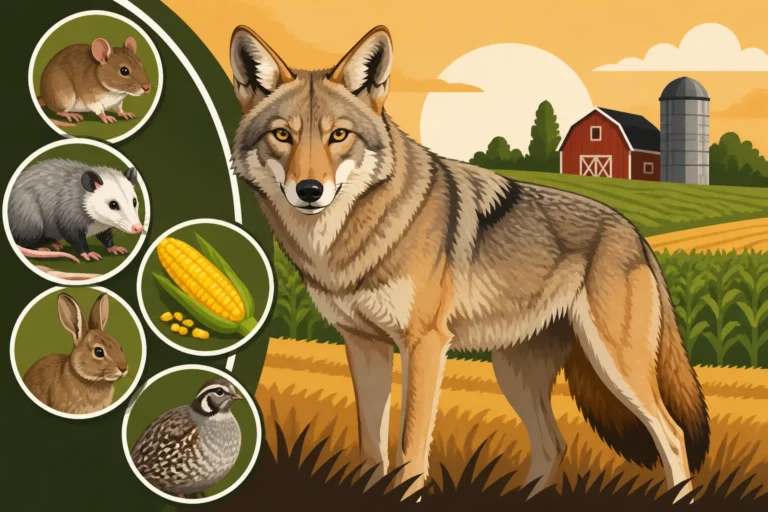
Beyond habitat, disease plays a significant, sometimes devastating, role. Chronic Wasting Disease (CWD) is a prime example, posing a serious threat to deer health and herd numbers in affected areas. Understanding "Mississippi's Chronic Wasting Disease Zones" and the potential impact of CWD is critical for management. Other diseases, like Epizootic Hemorrhagic Disease (EHD), can also cause localized die-offs, especially during hot, dry summers. Predation, primarily from coyotes and feral hogs, can impact fawn survival rates, especially in certain areas. Even weather patterns, from prolonged droughts to severe winters, can affect food availability and deer survival.
Here's a quick look at some key influencing factors:
| Factor | Impact on Deer Herd Size/Health |
|---|---|
| Habitat Quality | High-quality food, water, and cover support larger, healthier herds. |
| Food Availability | Abundant natural forage and agricultural crops lead to better nutrition and reproduction. |
| Disease Pressure | CWD, EHD, and other diseases can cause significant mortality and impact herd health. |
| Predation | Coyotes and especially "Hunting Mississippi's Year-Round Feral Hogs" can impact fawn recruitment. |
| Weather Patterns | Droughts reduce forage; mild winters can increase fawn survival. |
| Hunting Pressure | Regulated harvest helps manage herd size, age structure, and health. |
| Urban Expansion | Reduces habitat, but can also lead to localized overpopulation in suburban areas. |
Regional Variations: Deer Density Across Mississippi's Landscape
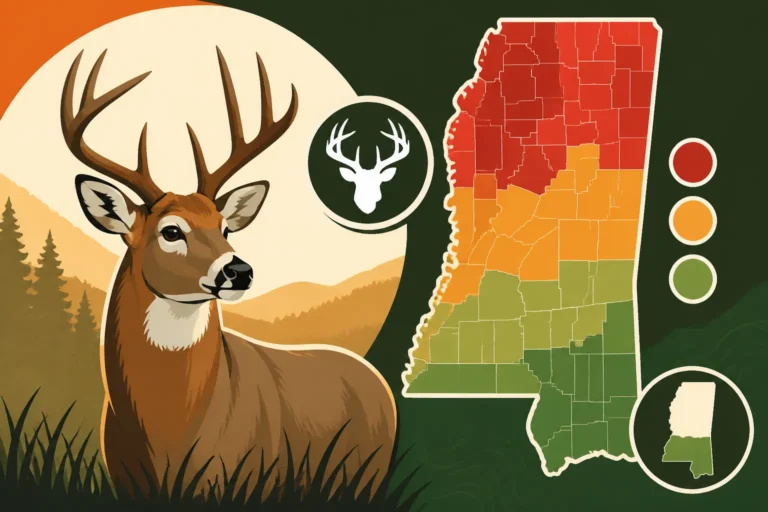
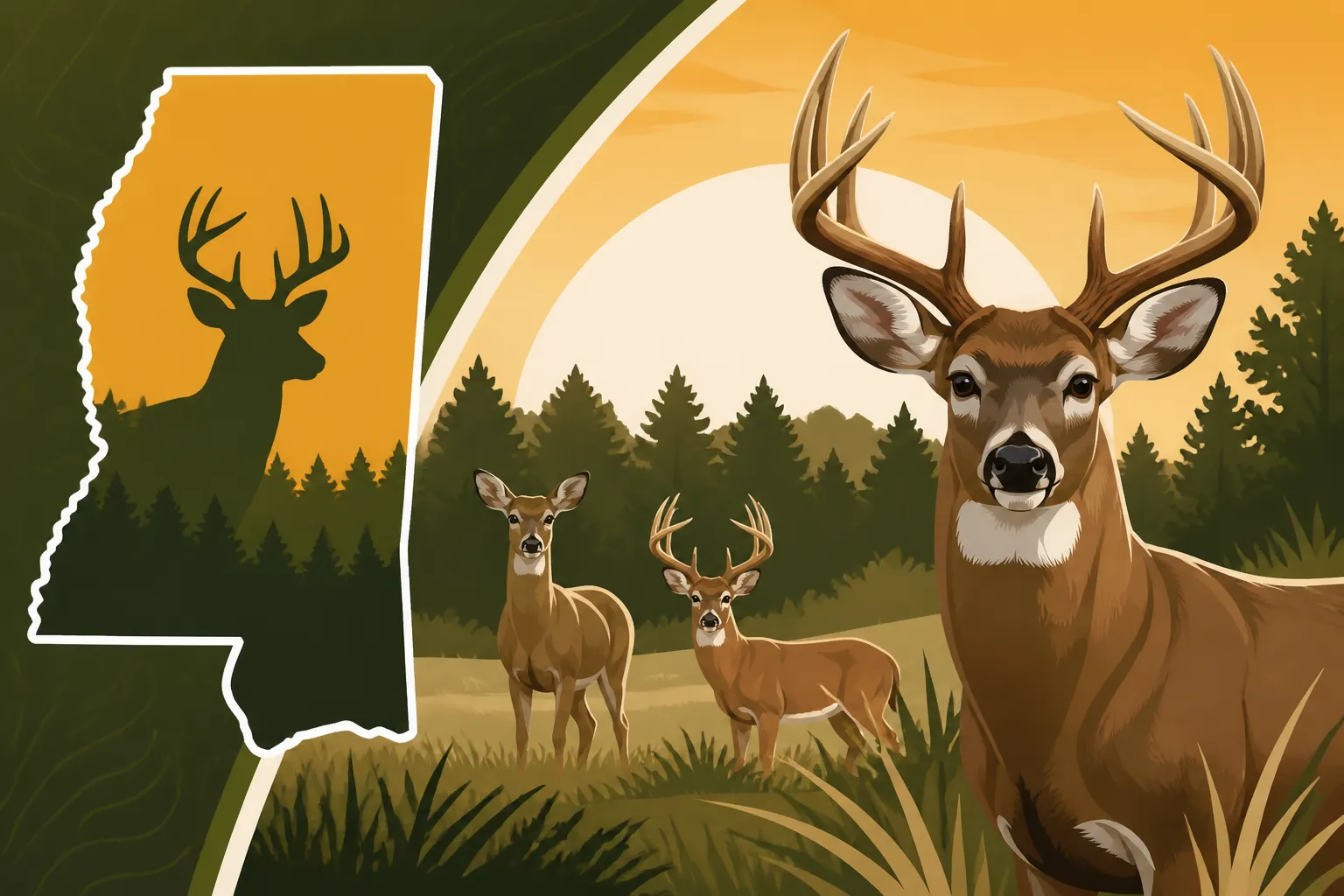
Mississippi isn't a monolithic landscape when it comes to deer. The state is divided into four distinct deer management units, and within each, you'll find significant differences in habitat, land use, and consequently, deer density and antler quality. This is why a "Mississippi Deer Season Structure Explained" can vary significantly from one unit to another.
Delta Unit vs. Hills Unit Differences
When we talk about Mississippi deer, often the conversation turns to the contrast between the Delta and the Hills units. The Delta Unit, characterized by its fertile, flat agricultural lands and vast bottomland hardwood forests (like those found in Delta National Forest), is renowned for producing large-bodied deer and impressive antlers. While deer density might not always be the highest here, the quality often is. The rich soils and abundant food sources, from agricultural crops like corn and soybeans to mast crops in the hardwoods, provide exceptional nutrition. This allows bucks to reach older age classes and express their full antler potential, often leading to impressive Boone and Crockett entries. For more on this, check out "Why the Delta Grows Big Bucks."
Conversely, the Hills Unit, which encompasses much of central and northern Mississippi, features more rolling topography, mixed pine and hardwood forests, and a greater mix of smaller private tracts. Deer density here can often be higher than in the Delta, but the average body size and antler quality might be slightly less due to factors like carrying capacity and forest management practices. These areas often support more deer per square mile but with less intense nutrition per individual animal. Hunters in these regions often focus on "Still-Hunting Hills Unit Ridges" to intercept deer moving between bedding and feeding areas. The challenges are different, but the hunting opportunities are equally rich, just with a different flavor.
Impact of Habitat and Land Use
The specific type of habitat and predominant land use in a region are arguably the most critical determinants of deer density. In areas dominated by industrial timberland, such as the Piney Woods region, deer populations can fluctuate significantly based on timber rotation. Young clear-cuts provide abundant browse and cover, leading to high deer density, while mature pine plantations offer less understory browse and lower density. Land managers often employ controlled burns and thinning to improve habitat, which in turn benefits deer.
Agricultural areas, especially those interspersed with significant blocks of timber, tend to support robust deer populations due to the readily available high-energy food sources. This is a common scenario in much of the Delta and parts of the North Central Unit. On the other hand, heavily fragmented landscapes with little contiguous cover or diverse food sources will struggle to maintain high deer densities. Understanding these local habitat nuances is crucial for any hunter, and tools like "GoHunt" can be invaluable for analyzing aerial imagery and property lines to identify prime deer habitat before you even step foot in the woods. These detailed maps help you pinpoint where deer are likely to congregate, whether it's a secluded creek bottom or the edge of a standing cornfield.
Your Role as a Hunter in Deer Management and Data Collection
As hunters, we're not just consumers of the resource; we are active participants in its management. Your actions in the field, from reporting your harvest to observing deer patterns, provide invaluable data that helps the MDWFP make informed decisions about Mississippi's deer herd.
Hunter Harvest Reports and Their Importance
Every time you harvest a deer in Mississippi, whether it's a buck or a doe, reporting it is more than just a legal requirement; it's a vital contribution to wildlife management. These "Mississippi Deer Reporting Requirements" provide biologists with critical data points: where the deer was harvested, when it was harvested, and what its sex was. Over time, this aggregated data allows the MDWFP to track harvest trends, assess population health, and monitor the effectiveness of various management strategies. Without accurate harvest data, biologists would essentially be flying blind, making it much harder to set appropriate season lengths, bag limits, and antler restrictions.
Imagine thousands of hunters across the state diligently reporting their kills. Each report adds to a massive dataset that allows the MDWFP to estimate annual harvest numbers and track patterns. For instance, if harvest numbers for does are consistently high in a particular unit, it might indicate a healthy, growing population that can sustain that pressure, or perhaps an area where antlerless harvest needs to be encouraged to balance the buck-to-doe ratio. Conversely, if buck harvest numbers decline significantly without other contributing factors, it could signal a need for more conservative regulations. Platforms, including your state's MDWFP app or even integrated tracking within tools like GoHunt, make reporting straightforward and quick, ensuring your contribution is counted.
Tools for Hunters to Stay Informed
Beyond reporting your own harvest, there are many ways you can stay informed and actively participate in deer management. The MDWFP website is an excellent resource, providing annual harvest reports, season summaries, and updates on disease management, such as the latest information regarding "Mississippi's North Zone CWD Counties." Reading these reports helps you understand the bigger picture of deer management in your area and across the state.
Modern hunting apps and digital mapping tools have also revolutionized how hunters can contribute and stay informed. Using an app like GoHunt, for example, allows you to scout digitally, understand property boundaries, and often provides layers with public land information. Some platforms even integrate state-specific regulations or highlight CWD zones, making it easier to hunt responsibly and ethically. Participating in voluntary deer management programs or attending local MDWFP meetings can also give you a voice and allow you to learn directly from biologists. Your engagement helps foster a better understanding between the hunting community and the wildlife professionals dedicated to ensuring a healthy and sustainable deer herd for generations to come.
Disclaimer
This article is for general informational purposes only and does not constitute professional advice. Laws, prices and regulations vary by location and change over time. Consult a qualified professional for guidance on your specific situation.