How Many Acres Bienville Forest Covers
One of the biggest questions I get from hunters planning a trip to Mississippi is about the vastness of our public lands, and Bienville National Forest often comes up. It can be a little intimidating trying to wrap your head around just how much ground there is to cover, especially if you're used to smaller, private parcels. This guide is going to break down the sheer scale of Bienville National Forest, what that acreage means for your hunting experience, and how to best navigate its diverse landscapes.
The Sheer Scale of Bienville National Forest
When we talk about Bienville National Forest, we're talking about a significant chunk of Mississippi's public hunting acreage. Many folks hear "national forest" and picture an endless, unbroken expanse, but it's often a patchwork of public and private land. However, Bienville still offers an incredible amount of contiguous habitat.
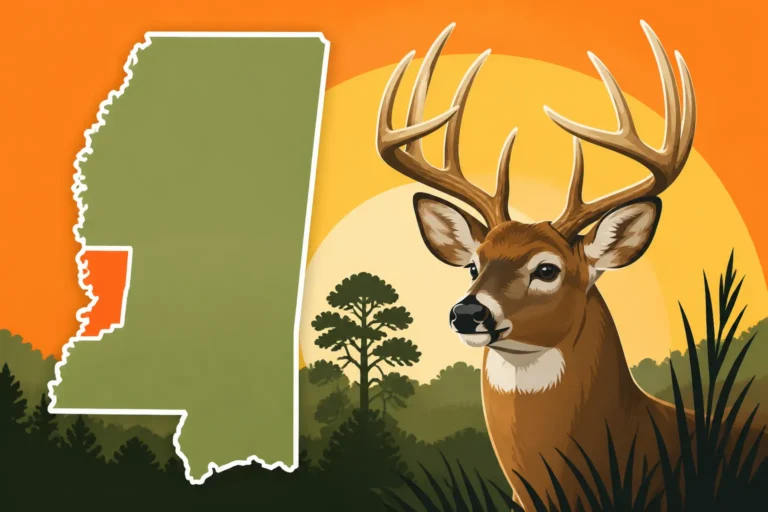
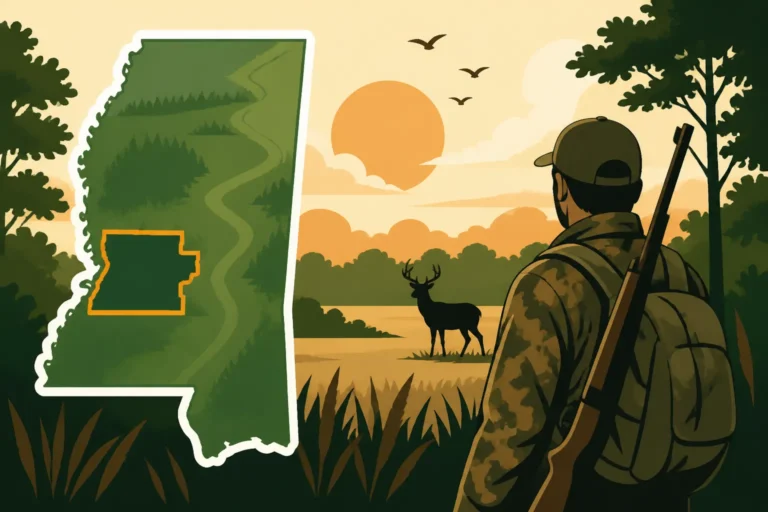
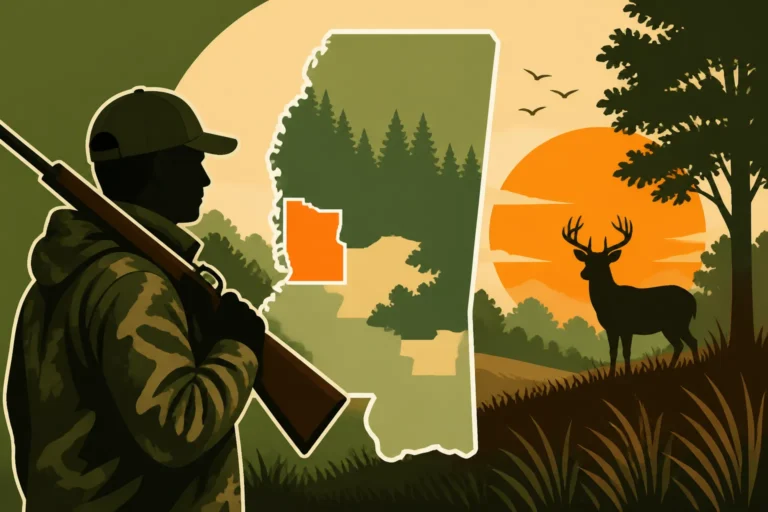
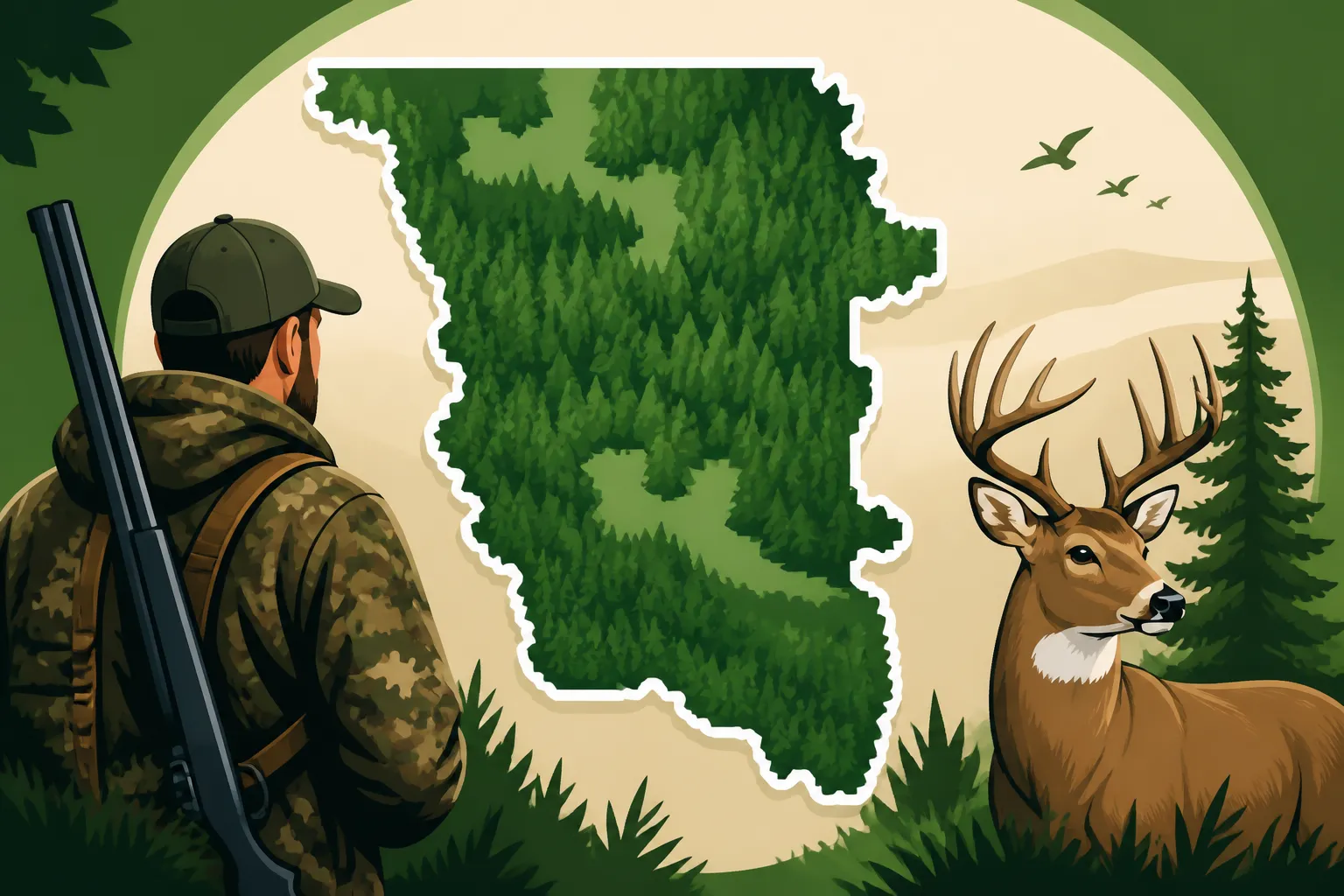
The Bienville National Forest encompasses roughly 178,000 acres spread across several counties in central Mississippi, specifically Newton, Scott, Jasper, and Rankin counties. Now, let that number sink in for a moment. That's a huge area, representing a tremendous opportunity for public land hunting. It's not one giant block, but rather a series of large tracts interspersed with private holdings, which is typical for national forests in the South. This patchwork nature means you absolutely need to pay attention to your mapping tools, like onX Layers for Mississippi Land Status, to ensure you're always on legal public ground. This vast acreage translates into diverse hunting opportunities, from deer to turkey, and even small game and hogs.
Understanding the Acreage in Context
To truly appreciate what 178,000 acres means, it's helpful to put it into perspective. Imagine driving for an hour or more and still being within the general boundaries of the forest. This isn't your neighbor's back forty. This is serious big woods hunting, and it demands a different approach than hunting smaller, more manicured properties. For many hunters, especially those traveling from out of state or from areas with less public access, Bienville National Forest represents an incredible resource. It means more room to roam, less pressure in certain areas if you're willing to walk, and a greater chance to find truly wild, unpressured game. It's an arena where your scouting, woodsmanship, and mapping skills really come into play.
How Bienville Compares to Other National Forests
Mississippi is fortunate to have several National Forests, and each offers a unique hunting experience based on its size, location, and primary habitat types. Bienville, at around 178,000 acres, sits comfortably among them, offering a substantial footprint for hunters. It's generally larger than some of the more fragmented forests and smaller than others. For example, while Homochitto National Forest to the southwest and DeSoto National Forest further south offer vast pine-dominated landscapes, Bienville brings its own blend of pine and hardwoods.
Here's a quick comparison of the major National Forests in Mississippi to give you a clearer picture of Bienville's scale:
| National Forest | Approximate Acreage (MS Portions) | Primary Habitat | Common Game Species |
|---|---|---|---|
| Bienville National Forest | 178,000 | Pine/Hardwood Mix, some bottomland | Deer, Turkey, Hogs, Squirrel, Rabbit, Predator |
| Delta National Forest | 60,000 | Bottomland Hardwood (unique in US) | Deer (Delta Unit), Hogs, Waterfowl, Squirrel |
| Homochitto National Forest | 190,000 | Pine Savanna, Upland Hardwoods | Deer, Turkey, Hogs, Squirrel, Rabbit, Predator |
| DeSoto National Forest | 518,000 | Longleaf Pine, Flatwoods | Deer, Turkey, Hogs, Squirrel, Rabbit, Predator |
| Tombigbee National Forest | 67,000 | Pine/Hardwood Uplands | Deer, Turkey, Hogs, Squirrel, Rabbit |
As you can see, Bienville offers a significant hunting opportunity, standing as a testament to the diverse public land options available across the state. Each forest has its own flavor, and Bienville's central location and mix of habitat make it a favorite for many.
Hunting Opportunities Within Bienville's Extensive Grounds
The large acreage of Bienville National Forest translates directly into a wide array of hunting opportunities. This isn't a monoculture; it's a dynamic ecosystem that supports a variety of game species, making it a true year-round outdoor destination. From the challenging pursuit of a mature buck to the fast-paced action of a squirrel hunt, Bienville has something for almost every hunter.
Deer Hunting in Bienville National Forest
Deer hunting is, without a doubt, a primary draw for Bienville. With nearly 180,000 acres, deer have ample room to mature and establish home ranges, particularly in areas less accessible to vehicles. The habitat mix of pine plantations, mature pine timber, hardwood bottoms along creeks, and scattered clear-cuts provides diverse food sources and cover throughout the year. You'll find bucks rubbing and scraping in the mature pines, does bedding down in thick regeneration, and deer funneling through hardwood draws that connect different timber types.
Successfully hunting deer here often means getting off the beaten path. Those who are willing to walk a mile or more from a main road often find less pressured deer. Understanding how deer use different timber stands at various times of the season is key. Early season might find deer browsing on fresh green shoots in younger clear-cuts, while late season could see them concentrated in mature hardwood bottoms foraging for acorns. Techniques like still-hunting along creek drainages, setting up a stand overlooking a powerline right-of-way, or even organizing Deer Drives With Three or Four Hunters in thicker blocks can all be effective. Remember, like much of Mississippi, Bienville is subject to the Hills Unit antler restrictions, which means Judging a Legal Buck Under Hills Unit Restrictions is essential.
Turkey Hunting in the Piney Woods
If you're a turkey hunter, Bienville National Forest offers prime habitat, especially for those who enjoy the challenge of hunting Easterns in big woods. The rolling terrain, combined with significant stands of pine and scattered hardwood drains, provides ideal roosting and feeding areas. During the Spring Turkey Hunting in Mississippi season, gobblers can be heard echoing through the pines at dawn, and finding them often involves a lot of walking and calling.
The expansive nature of Bienville means you can really practice a "run-and-gun" style of hunting. Instead of sitting in one spot all morning, you can cover a lot of ground, stopping to call every few hundred yards, listening for a response. Creek bottoms and transitional areas where pine meets hardwood are often hotspots, as these provide diverse insect and forage opportunities for hens and poults, which in turn draws gobblers. Learning to read the topography for natural travel corridors and open areas where birds might strut is a skill that pays dividends here.
Other Game Species and Predator Opportunities
Beyond deer and turkey, Bienville National Forest is teeming with other game. Squirrel and Small Game Hunting in Mississippi is excellent, particularly in the mature hardwood bottoms. Fox squirrels and gray squirrels thrive in these areas, providing a fun and often action-packed hunt. Hunters who enjoy moving through the woods with a .22 or a shotgun will find plenty of targets.
Hunting Mississippi's Year-Round Feral Hogs is also a major draw. Hogs are ubiquitous in Bienville, and their rooting damage is a common sight. While they can be a nuisance to other game and the forest floor, they offer an exciting and challenging hunting opportunity with no closed season or bag limit on private lands (public land rules may vary, always check MDWFP for current regulations). Hunters can target them while deer or turkey hunting, or specifically pursue them using various methods, including thermal imaging at night on private land, or running dogs.
For those interested in predator control, Predator Hunting in Mississippi is a year-round activity in Bienville. Coyotes are abundant and calling them in can be a thrilling experience. The diverse habitat, from thick pine regeneration to open woods, provides excellent setups for various calling strategies.
Navigating and Planning Your Bienville Hunt
Hunting such a large and diverse area like Bienville National Forest requires careful planning and the right tools. It's not the kind of place you just show up to without a strategy, especially if you want to maximize your chances of success and stay safe.
Essential Mapping and Scouting Tools
When you're dealing with nearly 180,000 acres, physical maps are a great starting point, but digital mapping apps are truly indispensable. This is where tools like onX Hunt and GoHunt really shine. They allow you to see property boundaries, topographic lines, and satellite imagery all on your phone or tablet, even when you're out of cell service. I can't stress enough how vital Using the MDWFP App Without Cell Service or similar features on other apps are for hunting public land. These apps allow you to:
- Identify Public vs. Private Land: Crucial for staying legal, especially in those patchwork areas.
- Mark Waypoints: Drop pins for stand locations, deer sign, water sources, and your truck.
- Measure Distances: Know how far that clear-cut is or how long your walk back to the vehicle will be.
- Analyze Topography: Identify ridges, draws, and saddles that deer and turkeys will use for travel.
- Overlay Layers: Many apps offer layers for timber cuts, food plots (if applicable on private land nearby), and even past harvest data.
Before you ever step foot in the woods, spend hours digitally scouting. Look for areas with diverse habitat, pinch points, water sources, and anything that suggests a travel corridor or bedding area. Identify potential access points and plan your entry and exit routes.
Accessing Bienville's Vastness
Accessing Bienville National Forest is generally straightforward, with numerous public roads, logging roads, and trails crisscrossing the landscape. However, not all roads are open to vehicular traffic, and some may be gated or seasonal. It’s essential to consult the specific motor vehicle use maps (MVUMs) provided by the U.S. Forest Service for Bienville. These maps clearly designate which roads are open, which are seasonal, and which are closed to vehicles. Ignoring these rules can lead to citations and damage to the forest.
For hunters, this often means that the best hunting areas are found deeper within the forest, requiring you to walk in from an open road or parking area. This is where your physical conditioning and willingness to hike come into play. Many hunters avoid these more remote areas, which means less pressure for those willing to put in the effort. Always be mindful of Vehicle Rules on Mississippi Public Land and where you can legally park. A good pair of comfortable, sturdy boots is your best friend when hunting Bienville.
Practical Tips for Hunting Bienville National Forest
Hunting such a large public area can be incredibly rewarding, but it also comes with its own set of challenges. Being prepared and understanding the nuances of the environment will significantly improve your chances of a successful and enjoyable trip.
Preparing for Diverse Terrain and Conditions
Bienville National Forest features a blend of gently rolling hills, steep creek drains, and flat bottomlands. Depending on where you hunt within the forest, you could encounter vastly different terrain. The pine ridges can be dry and open, while the creek bottoms can be swampy and thick, especially after rain. Always check the weather forecast and prepare for changing conditions. Waterproof boots are a must, as are layers of clothing to adapt to temperature swings.
The extensive acreage also means you could be a significant distance from your vehicle or any emergency services. Always tell someone where you are going and when you expect to return. Carry a first-aid kit, plenty of water, snacks, a fully charged phone (and a portable charger), and a reliable compass in addition to your digital maps. Don't underestimate the physical demands of navigating this terrain, especially if you end up having to drag a deer out.
Respecting Boundaries and Other Users
While Bienville is vast, it's a shared resource. Respecting property boundaries is paramount. As mentioned, the forest is interspersed with private land, so double-check your location frequently, especially if you're close to an edge. Trespassing, even accidentally, can lead to legal trouble and reflects poorly on all hunters. Tools like onX Hunt are invaluable here for clearly showing property lines.
You'll also encounter other users: hikers, mountain bikers, horseback riders, and other hunters. Be courteous and always practice safe hunting habits. Blaze orange requirements are in effect during gun seasons, so make sure you understand How Much Blaze Orange Mississippi Requires and wear it faithfully. Even outside of gun season, wearing some orange or bright colors is a good safety practice, especially on busy weekends. Knowing when and where others might be present can help you plan your hunts to avoid crowded areas, often by simply walking a bit further.
Long-Term Strategy and Habitat Understanding
Successful hunting in Bienville often comes down to understanding the habitat and how it changes over time. Pine plantations grow, clear-cuts mature, and prescribed burns alter the understory. MDWFP and the Forest Service conduct habitat management, and understanding these efforts can give you an edge. For example, Prescribed Burns and Mississippi Hunting Closures can temporarily displace game but create excellent browse and forage in the long run.
Don't expect immediate success on every trip. Bienville is a place where consistency, patience, and adapting to conditions pay off. Keep a hunting journal, noting where you see sign, where you hear turkeys, and what the conditions were like. Over several seasons, you'll develop a deeper understanding of specific areas within the forest, turning what initially feels like an overwhelming expanse into a series of familiar, productive hunting grounds. Focus on patterns: where deer are feeding during different parts of the year, what types of cover turkeys prefer for roosting, or how hogs use creek bottoms.
Disclaimer
This article is for general informational purposes only and does not constitute professional advice. Laws, prices and regulations vary by location and change over time. Consult a qualified professional for guidance on your specific situation.