Delta Forest’s Five Greentree Reservoirs
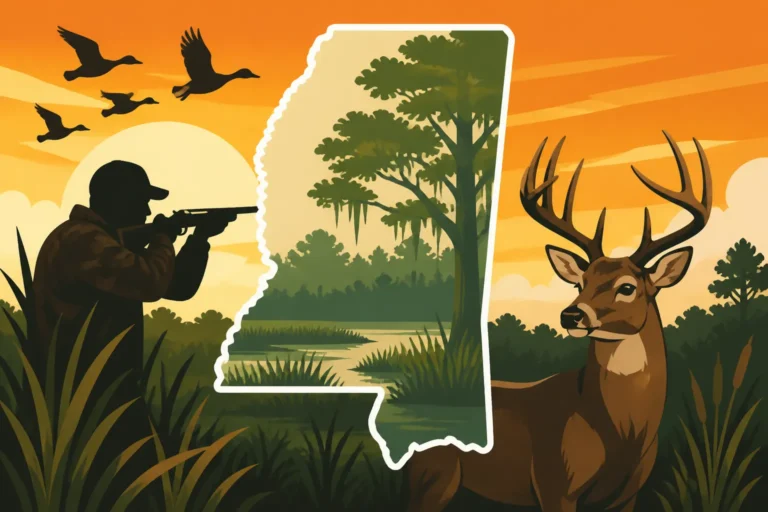
There’s something truly magical, yet undeniably challenging, about hunting flooded timber in Mississippi. It's a whole different beast than sitting in a dry field or a cypress brake. If you've ever dreamt of greenheads cupping their wings through ancient oaks, or the sudden rush of wood ducks bursting from tangled undergrowth, then the greentree reservoirs (GTRs) of the Delta National Forest are likely on your mind. This guide is going to walk you through the ins and outs of these unique public land treasures, helping you understand how to plan, prepare, and successfully hunt the Delta Forest's five greentree reservoirs, transforming a potentially frustrating experience into an unforgettable one.
Understanding Greentree Reservoirs: A Unique Habitat
Greentree reservoirs are a cornerstone of waterfowl management in many southern states, but Mississippi's Delta National Forest offers a particularly special experience. It’s not just a patch of woods that happens to be wet; it’s a deliberately managed ecosystem designed to attract and hold migratory waterfowl.
What is a Greentree Reservoir?
At its heart, a greentree reservoir is a wooded area, typically bottomland hardwoods, that is intentionally flooded during the waterfowl hunting season and then dewatered in the spring and summer. This controlled flooding mimics natural flood cycles that historically occurred along river systems, but with a precise hand to benefit ducks and other wildlife. The water depth is usually kept shallow, often just a few inches to a foot or two, allowing ducks to dabble for acorns, seeds, and invertebrates that fall from the trees or lie on the forest floor.
The genius of GTR management lies in this controlled flooding. By flooding specific tracts of timber, land managers can make sure that valuable food resources like acorns, which would otherwise be unavailable to dabbling ducks, become accessible. Think of it: a massive acorn crop might fall in a dry year, providing zero benefit to ducks. But when those same trees are flooded, the ducks have an underwater smorgasbord. It's a calculated effort to create prime habitat at a crucial time for migration. This isn't just about holding water; it's about making sure the right kind of food is available when the birds need it most.
This deliberate manipulation creates a unique ecosystem, a seasonal wetland within a mature forest. The trees themselves — primarily oaks, pecans, and other mast-producing hardwoods — thrive in this cycle, actually benefiting from the periodic inundation which helps with nutrient cycling and reduces competition from less water-tolerant species. For hunters, it means wading through actual woods, not just open water or marsh. The cover is thick, the acoustics are incredible with the echo of calls and wingbeats, and the experience feels incredibly wild, despite being a managed environment.
The Importance of Delta National Forest's GTRs
The Delta National Forest is truly one-of-a-kind. It holds the distinction of being the only bottomland hardwood national forest in the entire country, a relic of the vast, ancient forests that once dominated the Mississippi Delta landscape. This alone makes its greentree reservoirs profoundly important, offering a glimpse into what much of the region once looked like before extensive clearing for agriculture. These aren't just any flooded woods; they are ancient, magnificent timber stands that provide critical habitat for countless species beyond waterfowl, including White-Tailed Deer Across Mississippi and Wild Turkeys in Mississippi when the water is down.
For migrating waterfowl, particularly the legions of mallards, gadwall, and wood ducks that funnel down the Mississippi Flyway, these GTRs are vital refueling and resting stations. The sheer volume of natural food resources, primarily acorns from the various oak species like willow, nuttall, and water oaks, combined with the security of dense timber, makes them irresistible to ducks. When those GTR gates are closed and the pumps (or rainfall) fill those compartments, it's like hanging a giant "Eat Here" sign for every duck flying south. The birds know, and they show up in droves.
From a hunter's perspective, these GTRs represent some of the finest public land duck hunting opportunities in Mississippi. While private leases and clubs abound in the Delta, the national forest GTRs offer a chance for anyone with a license and a willingness to work for it to experience world-class flooded timber hunting. It’s a place where effort often equals reward, where understanding the unique ecology and adapting your tactics to the specific conditions of the day can lead to unforgettable hunts. It’s a public land gem, but it's also a challenge, demanding dedication and preparation from every hunter who ventures into its depths.
Navigating the Five Greentree Reservoirs of Delta National Forest
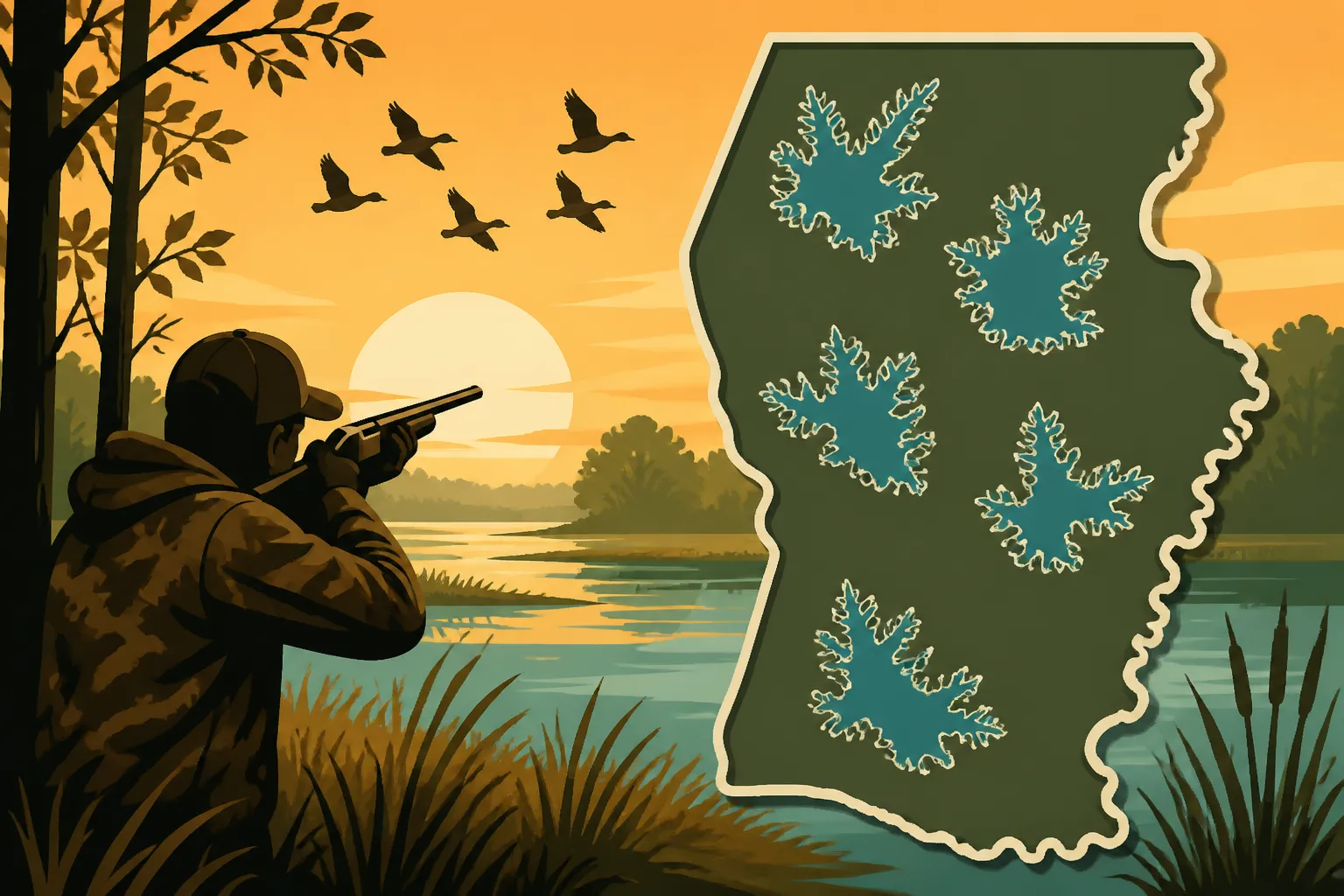
While specific names can vary or change over time with management units, the Delta National Forest is generally recognized for its system of greentree reservoirs. These are often named after prominent bayous, lakes, or creeks within the forest itself. For illustrative purposes, we often hear about areas like Bear Bayou, Blue Lake, Deep Bayou, Green Lake, and Panther Creek – each offering slightly different characteristics and access challenges within the larger system. Understanding the nuances of each can make a real difference in your hunting success.
Overview of the Five GTRs
Each of these GTRs, while part of the same forest, can have unique characteristics. Some might have older, more mature timber stands, leading to heavier acorn production and perhaps deeper water in certain pockets. Others might be dominated by younger trees, offering thicker cover but potentially different food sources. For example, a GTR named after a "lake" might imply more open water areas within the timber, requiring slightly different decoy spreads, while a "bayou" GTR might be narrower, more canal-like, influencing how ducks fly through. The size of each compartment also varies, from smaller, more intimate blocks of timber to expansive tracts that can hold thousands of birds.
Access is another key differentiator. Some GTRs might have relatively easy access points off main forest roads, while others require a significant hike or boat ride through dense woods and potentially shallow, muddy conditions to reach prime hunting spots. You might find some GTRs that are prone to drying out faster in periods of low rainfall, or that flood more slowly, making timing critical. Always be prepared for varying water levels; a spot that was knee-deep last week could be waist-deep or nearly dry this week, depending on precipitation and management operations.
Ultimately, the best way to get to know each GTR is through personal reconnaissance. Pay attention to the subtle details: the types of oak trees dominating the canopy, the presence of sloughs or deeper ditches, and the density of the undergrowth. These factors will influence duck behavior, flight patterns, and where birds are most likely to feed and roost. Don't assume that if you've hunted one GTR, you've hunted them all. Each offers its own puzzle to solve, and that's a big part of the fun.
Mapping Your Approach: Tools and Scouting
Successful hunting in the Delta GTRs absolutely hinges on meticulous mapping and pre-season scouting. You simply cannot show up on opening day without a plan and expect to find ducks consistently, let alone navigate the maze of flooded timber. Modern mapping tools are your best friend here. Platforms like onX Hunt and GoHunt provide invaluable satellite imagery that can reveal sloughs, timber density, old logging roads (which often become natural travel corridors for ducks when flooded), and even potential access points that aren't obvious from the main road. Using these tools to mark potential boat launches, wading routes, and likely hunting zones well before the season opens is non-negotiable.
Pre-season scouting, ideally when the GTRs are dry, offers an unparalleled advantage. Walking the forest floor allows you to identify key mast trees, especially the large oak trees that are heavy with acorns. You can find old duck sign – scattered feathers, droppings, and feeding areas – from previous seasons, which often indicate recurring hot spots. Pay attention to topography, even subtle rises and depressions, as these will dictate water depth once flooded. Finding high spots where you can set up a dry(er) blind or low spots that become natural feeding pockets is critical. Scouting Mississippi Public Land Before Season is not just a good idea, it's a necessity for these unique environments.
Adapting your scouting to changing conditions is also vital. Water levels are the biggest variable in GTR hunting. Heavy rains upriver or locally can quickly fill a compartment, sometimes even overfilling it, making certain areas too deep for dabblers. Conversely, a dry spell can leave a GTR too shallow, concentrating birds in only the deepest pockets. Keep an eye on local forecasts and any updates from the MDWFP regarding GTR water management. Use your mapping apps to identify alternative spots if your primary location becomes unsuitable due to water conditions. A flexible mindset and a well-scouted backup plan are essential for consistent success.
Tactical Approaches for Hunting Delta GTRs
Hunting flooded timber is a whole different ballgame compared to field hunting or open water. The dense cover, varying water depths, and the unique way ducks navigate the trees demand specific tactical approaches, especially when it comes to decoys and calling.
Decoy Spreads and Setups in Flooded Timber
When you're talking about hunting in the Delta GTRs, forget about those massive 100-plus decoy spreads you might use in an open farm field. In flooded timber, less is often more. Ducks are looking for security and food, and a natural, unassuming spread often works best. Think small, intimate groups of six to a dozen decoys, positioned to look like a small flock feeding content-edly. The goal isn't to draw birds from a mile away, but to convince the birds already circling overhead to drop in. Focus on realism and natural movement. Placing a few decoys on slightly elevated stumps or logs can simulate ducks resting, and a jerk string or a couple of motion decoys can add crucial lifelike movement to an otherwise static spread.
Species-specific decoys are also incredibly effective in GTRs. While mallard decoys are always a staple, don't underestimate the power of wood duck decoys. Wood ducks absolutely love flooded timber, and seeing a few of their own species bobbing in the water can often be the final convincing factor for a wary flock. Hunting Greentree Reservoirs for Mallards often involves seeing many other species, so having a mixed spread can reflect reality and draw a wider variety of birds. Position your spread to leave a clear landing zone directly in front of your blind, or in a pocket where you anticipate ducks wanting to land. Think about the flight path; ducks will often follow natural openings or sloughs through the trees.
One of the most common mistakes hunters make is trying to put too many decoys in too small an area, or placing them too far from their shooting lane. In flooded timber, ducks drop in quickly, often filtering through the tree canopy, and you need them right in your face. Don't be afraid to keep your decoys close, almost within shooting range. Also, consider the background. Avoid placing dark decoys against a dark background of dense timber, as they'll disappear. Sometimes, a subtle splash of white (like a drake mallard's chest or a pintail decoy if they're in the area) can help a small spread stand out just enough without looking unnatural.
Calling Strategies for Green Timber Ducks
Just like with decoys, your calling strategy in green timber needs to be adapted to the environment. The dense timber acts as a natural sound dampener, but also as an echo chamber. Loud, aggressive "hail calls" that might work in an open field can sound unnatural and even alarming in the close confines of the woods. Soft, subtle calling is often the key to success. Start with quiet contented feed chuckles and soft quacks, mimicking a group of birds happily feeding. This signals security and food.
As birds approach, transition to quiet greeting calls or soft lonesome hens. Only increase volume or urgency if the ducks seem to be passing by or need more encouragement to turn. Learning to read the birds is paramount. If they're locked up and coming, stop calling. If they're flaring, identify what might be spooking them – too much calling, unnatural movement, or an exposed blind – and adjust. Don't forget other calls: a pintail whistle can be incredibly effective when you see sprig in the area, and gadwall calls or even wigeon whistles can add realism to your spread.
Hunting pressure significantly impacts calling effectiveness. On heavily hunted days or later in the season, ducks in the GTRs become incredibly wary. They've heard every call and seen every trick. In these scenarios, ultra-realistic, minimal calling, or even completely silent hunts, can be more effective. Let the decoy spread do the work, and only use soft quacks or whistles to turn hesitant birds. The goal is to sound like the real ducks that have settled into the timber, not like a blaring concert. Understanding the Mississippi Waterfowl Migration Timing and how it influences bird numbers and wariness will help you adapt your calling throughout the season.
Gear and Logistics: Essential for a Successful GTR Hunt
Hunting the Delta GTRs isn't a casual stroll in the park. The unique environment demands specific gear and a meticulous logistical plan to ensure safety, comfort, and success. Forgetting a crucial piece of equipment or underestimating the conditions can quickly turn a dream hunt into a miserable ordeal.
Waders, Boats, and Transportation
The absolute, non-negotiable piece of gear for GTR hunting is a high-quality pair of chest waders. You will be wading. A lot. Often through cold water, over submerged stumps, and through thick mud. Investing in durable, insulated waders with good traction on the boots is crucial. Your comfort and safety depend on them. Neoprene waders are popular for their warmth, but breathables can be layered for warmth and offer more flexibility. Always check for leaks before the season! There’s nothing worse than starting a cold morning with a boot full of icy water.
When it comes to transportation within the GTRs, you'll need a way to get your gear, decoys, and dog (if you have one) through the flooded timber. Pirogues, canoes, or kayaks are popular choices because they are lightweight, quiet, and can navigate very shallow water and tight spaces between trees. Many hunters opt for small, shallow-draft jon boats if the access allows, particularly if they have a decent distance to cover. Be mindful of submerged obstacles like stumps and logs that can damage your boat or motor. You'll often find yourself having to pull or push your boat through extremely shallow or muddy sections, so lightweight and maneuverability are key.
Navigating the flooded timber can be disorienting, especially in low light. Even with GPS, it's easy to get turned around. Familiarize yourself with your chosen route in daylight, mark waypoints on your Using the MDWFP Map Tool or onX Hunt app, and always tell someone where you're going and when you expect to return. Cold water safety is paramount. If you're using a boat, wear a personal flotation device (PFD) and ensure you have a dry bag for any electronics or spare clothes. The water, even if it feels mild on the surface, can quickly lead to hypothermia if you take an unexpected spill.
Blinds, Safety, and Other Essentials
In the Delta GTRs, elaborate pop-up blinds are often more hindrance than help. The beauty of timber hunting is that the forest itself provides natural cover. You'll typically find a good spot to lean against a large oak or position yourself behind a cluster of trees, using natural vegetation to break up your outline. A small piece of camouflage netting draped over a few branches can complete the illusion. The key is to blend in seamlessly with your surroundings, remaining still and quiet as ducks work through the canopy. Don't try to hide from the woods; hide in the woods.
Cold weather gear and layering are non-negotiable. Even if the forecast calls for mild temperatures, standing in cold water for hours will chill you to the bone. Start with good base layers that wick moisture away, add insulating layers (fleece or down), and top with waterproof, windproof outerwear. Pay special attention to your head, hands, and feet; these are where you lose the most heat. Waterproof gloves are essential for handling wet decoys and retrieving birds. A thermos of hot coffee or soup can be a moral booster on a frigid morning, and having extra dry clothes waiting in the truck is always a good idea.
Beyond warm clothes, safety should always be your top priority. As mentioned, PFDs are a must in boats. Carry a first-aid kit, a headlamp with extra batteries, and a fully charged cell phone (though service can be spotty in remote areas). It's always best to hunt with a buddy, especially in such challenging terrain. If you venture off main roads, a winch or recovery gear might be wise, as Delta mud can swallow a truck whole. Always ensure your shotgun is unloaded and cased until you reach your hunting spot, and practice strict muzzle control in crowded timber. Understanding your legal obligations, such as the Mississippi Federal Duck Stamp Requirement and Mississippi HIP Certification for Bird Hunters, is also critical for a compliant hunt.
Challenges and Rewards of GTR Hunting
Hunting Delta National Forest GTRs is not always easy. It's a demanding environment that can test your patience, physical endurance, and resolve. Yet, for those who embrace the challenge, the rewards are often profound, creating memories that last a lifetime.
Dealing with Variable Water Levels and Pressure
One of the biggest frustrations and challenges in GTR hunting is the highly variable nature of water levels. While these reservoirs are managed, they are still subject to the whims of Mother Nature and the ongoing operations of the MDWFP. A GTR might be perfectly flooded one week, then a dry spell or a management decision to drop water levels slightly might leave your prime spot high and dry, or conversely, too deep for dabblers. It requires constant monitoring and flexibility. Hunters often consult MDWFP websites or local forums for updates on specific GTR water levels, but ultimately, boots-on-the-ground reconnaissance is the most reliable method.
Hunting pressure is another significant factor, especially on key dates like the Mississippi Gun Season Opening Day (even though this is for deer, it highlights how opening days draw crowds) or prime duck weekends. The best GTRs can draw large crowds, leading to competitive scouting and hunting. Ducks that were unwary on a Tuesday might be flighty and high-flying by Saturday morning after experiencing a barrage of calls and shots. This means you need to be prepared to walk further, often pushing past easier access points to find less-pressured pockets of timber. It also means you might need to adapt your calling and decoy spreads on the fly, going from an aggressive approach to a minimalist one if birds are getting shy.
Adapting your strategy isn't just about moving further; it’s about thinking differently. If the primary GTRs are hammered, consider moving to smaller, less-known areas or even adjacent natural sloughs. Sometimes, hunting later in the morning after the initial flurry of activity dies down can be productive, as birds return to feed after being pushed around. Understanding the Mississippi Duck Daily Bag Limit and Mississippi Mallard Sub-Limit Rules is also vital, as heavy pressure can tempt hunters to "push" limits, but ethical hunting practices are always paramount. Don't let the crowds or variable conditions deter you; let them fuel your ingenuity.
The Unforgettable Experience of Green Timber
Despite the mud, the cold, the effort, and the occasional frustration, hunters keep coming back to the Delta GTRs year after year. Why? Because there's truly nothing else like it. The moment you hear the distant rush of wings or the distinct whistle of a wood duck cutting through the canopy, knowing you're deep in ancient, flooded woods, is pure magic. It's a primeval experience that connects you to the wild heart of the Mississippi Delta. Seeing a flock of greenheads commit, weaving through the timber and finally cupping their wings over your decoys, is a sight that burns itself into your memory.
There's an incredible satisfaction that comes from a hard-earned hunt in challenging conditions. When you've scouted diligently, waded through icy water, set your decoys perfectly, and called birds in to hand, the reward is immeasurable. It's a sense of accomplishment that surpasses simply pulling a trigger; it's about connecting with nature on its own terms and proving your mettle against the elements. This is why many hunters consider green timber hunting the pinnacle of waterfowl hunting.
Beyond the hunt itself, the camaraderie and traditions of green timber hunting run deep. Sharing stories in a muddy parking lot, helping a buddy retrieve a lost decoy, or simply enjoying the quiet companionship of fellow hunters in the solitude of the forest creates bonds that are hard to replicate. These are the kinds of experiences that define a hunting career in Mississippi, forging a connection not just to the game, but to the land and to the shared passion of pursuing waterfowl in one of the most iconic habitats in the South. Hunting Greentree Reservoirs for Mallards is more than just a phrase; it’s an invitation to an adventure.
Disclaimer
This article is for general informational purposes only and does not constitute professional advice. Laws, prices and regulations vary by location and change over time. Consult a qualified professional for guidance on your specific situation.