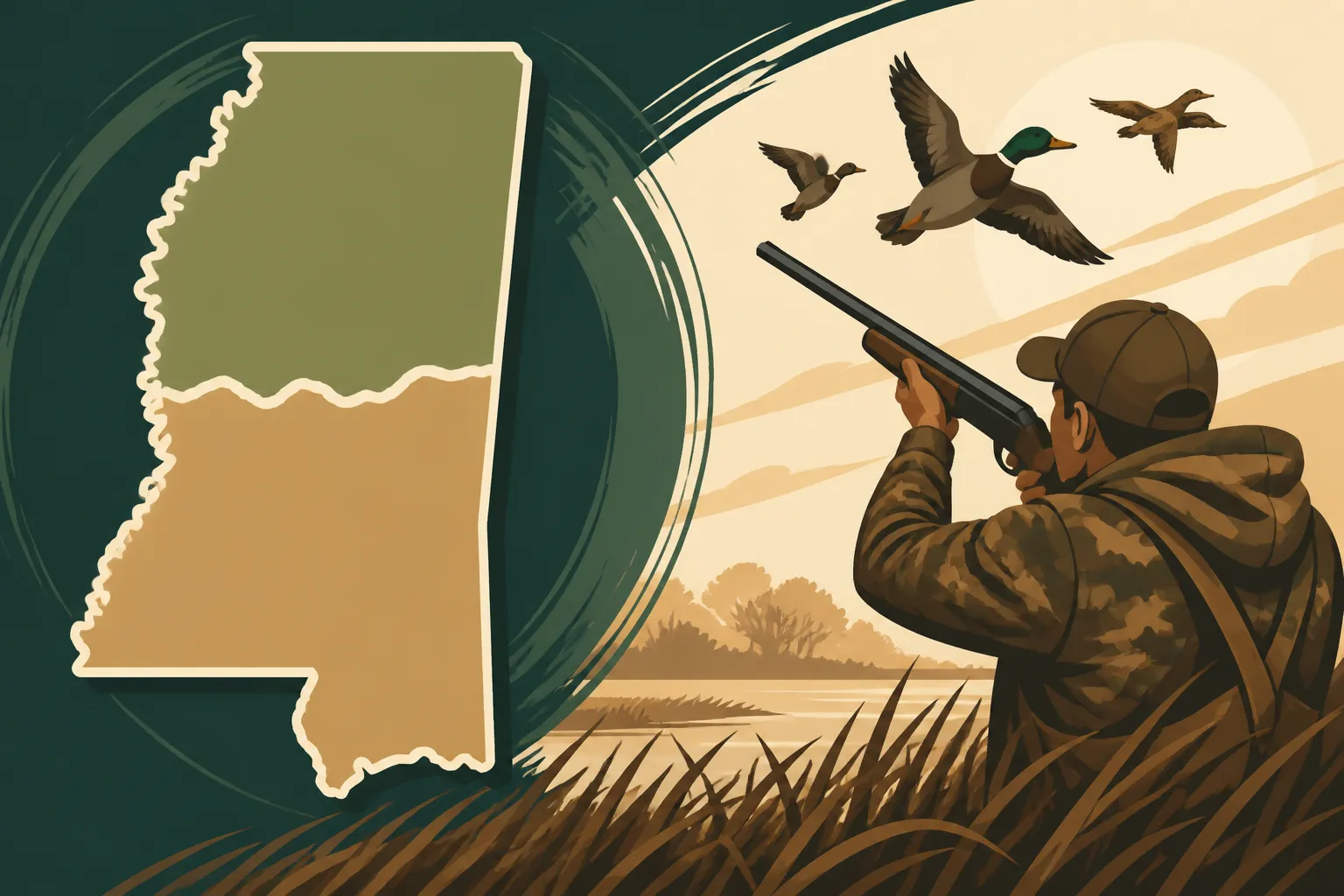
Hunting the North Zone Duck Split
That lull between the first burst of Mississippi duck season and its highly anticipated reopening can be agonizing, can't it? You spend weeks strategizing, scouting, and dreaming of limits, only for the calendar to slap you with a "split" and leave you wondering where all the birds went. But don't let that break discourage you. The North Zone duck split isn't a season killer; it's a strategic intermission that, if navigated correctly, can set you up for some of the most rewarding hunts of the entire winter. This comprehensive guide will equip you with the knowledge, tactics, and mindset you need to truly master the second segment of Mississippi's North Zone duck season.
Understanding the Mississippi North Zone Duck Split
The concept of a split season can feel a bit like a cruel joke to a passionate duck hunter. Just when you've got the decoys dialed in and the calls humming, the curtain drops. But there's a method to the madness, and understanding why the split exists and its typical timing is the first step toward turning frustration into successful strategy.
Why the Split Exists and Its Typical Timing
In Mississippi's North Zone, the duck season structure often includes a "split" – a period where hunting is closed for a stretch, usually in late November and early December. This isn't just to make our lives harder, I promise! The Mississippi Department of Wildlife, Fisheries, and Parks (MDWFP) implements these splits for several key reasons, often rooted in biological management and hunter experience. One primary goal is to allow migrating waterfowl a much-needed break from hunting pressure. Think about it: these birds are making an epic journey down the flyway, and constant harassment can take a toll. A quiet period lets them rest, feed without constant disturbance, and redistribute themselves across the landscape. This can actually lead to better hunting when the season reopens, as birds settle into more predictable patterns, at least for a while.
Another factor is often tied to the progression of migration and local conditions. The early season might catch the first wave of birds, but the split provides an opportunity for new ducks to push south with colder weather up north. It's a gamble, but often a necessary one, aiming to offer good hunting opportunities across a broader migration window. While the exact dates can shift slightly year to year, typically you're looking at a break sometime between Thanksgiving and mid-December for the Mississippi North Zone Duck Dates. It's a time when many of us are itching to be in the blind, but using it wisely for scouting and preparation can make all the difference.
How the Split Impacts Duck Behavior and Migration
The immediate impact of the split on duck behavior is a noticeable calming of the landscape. Without hunters in the blinds and boats, ducks that have become wary and pressured during the early season can relax a bit. They'll venture into areas they previously avoided, sometimes using smaller, less disturbed waters or returning to prime feeding grounds that were too hot before the break. This doesn't mean they forget about hunters entirely, but it does allow them to settle into more natural patterns for a short time.
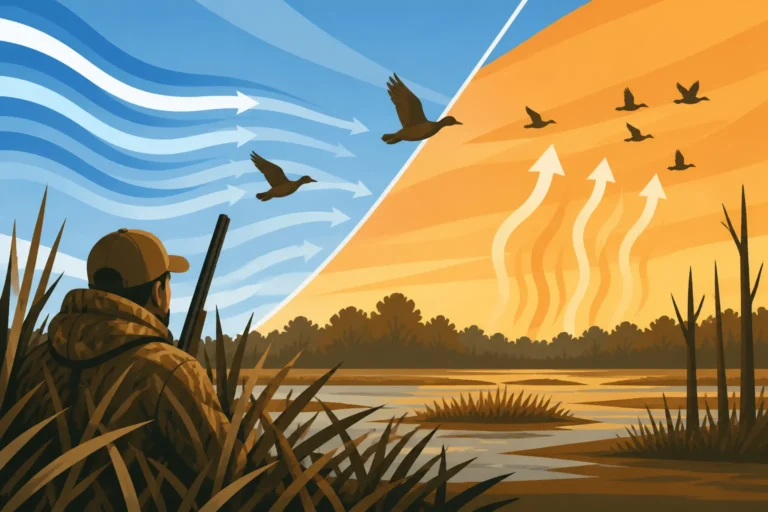
Crucially, the split also often coincides with significant weather changes. Late November and early December usually bring colder temperatures across the Mississippi Flyway. These cold fronts up north push new waves of ducks south, and the split offers them a chance to arrive in Mississippi and acclimate without immediate hunting pressure. This influx of fresh birds, combined with the relaxed behavior of resident ducks, can fundamentally alter where you find them. What was a hotspot before the split might be quiet, as birds have moved to fresh food sources or new resting areas. Conversely, a previously overlooked spot might suddenly be teeming with new arrivals. The split essentially resets the playing field, making re-evaluation a critical part of your strategy.
Scouting and Adaption After the Split
When the duck season reopens in Mississippi's North Zone after the split, it's a mistake to just pick up where you left off. The landscape, the weather, and most importantly, the ducks, have likely changed. This isn't the time for guesswork; it's the time for intense scouting and adapting your entire approach.
Re-evaluating Food Sources and Roosting Areas
The biggest shift you'll notice after the split is often in food availability. Before the split, ducks might have been hammering early-season acorns or feeding heavily on newly flooded fields. By late November and December, many natural food sources might be depleted, and agricultural cycles have progressed. Soybean fields might be completely harvested, offering residual waste grain, while cornfields might still be standing or have been picked clean. It's vital to get boots on the ground, or at least eyes in the sky (with a good mapping app), to see what's changed.
Are there new water sources? Has a landowner decided to flood a new section of timber or a different field? Birds are creatures of habit, but those habits are directly tied to food and safety. If their primary cafeteria has changed, they'll find a new one. I've seen countless hunts saved because someone took the time to scout a new area they hadn't considered pre-split, only to find a fresh concentration of birds hammering waste rice or a new patch of submerged smartweed. Utilizing resources like GoHunt can be a game-changer here, as you can layer aerial imagery to spot changes in water levels, crop status, and potential new travel corridors that might have been irrelevant weeks earlier. Don't assume anything; verify everything.
Locating New Arrivals and Shifting Pressure Points
One of the most exciting aspects of the post-split season is the potential for new ducks. Those cold blasts from up north often push significant numbers of fresh birds into Mississippi. These new arrivals haven't been subjected to the same hunting pressure as the early migrants, making them potentially more responsive to calls and decoys, at least for a short period. The trick is finding them. They won't necessarily go to the same places the early birds did; they're looking for fresh food and low-pressure roosts.
You also need to consider how hunting pressure has shifted. Those popular public land spots, like sections of Sunflower WMA Inside Delta National Forest or well-known honey holes on private leases, might have been pounded pretty hard before the split. Ducks learn quickly, and these "educated" birds will often avoid high-pressure areas. Your focus should be on finding overlooked spots – smaller pockets of water, remote corners of fields, or areas requiring a bit more effort to access. This is where a serious Scouting Mississippi Public Land Before Season strategy comes into play. Look for fresh sign: new trails in the mud, fresh droppings, and concentrations of birds working distant fields. Even if they're not on your exact spot, they're showing you where they want to be. Finding where these new arrivals are settling and where the pressure has eased off is key to unlocking consistent success.
Effective Hunting Strategies for the Post-Split Season
Once the North Zone reopens, the ducks you encounter are likely to be different—and definitely wiser—than the ones you hunted earlier in the season. This means your tactics, from how you set your decoys to how you call, need a significant overhaul. Complacency will lead to empty straps.
Decoy Spreads and Calling Adjustments
The early season often allows for more aggressive calling and large, flashy decoy spreads that grab attention. Post-split, those tactics can often backfire. Birds have seen it all. They've been called to, flared from, and shot at for weeks, if not months, along the flyway. This calls for a much more nuanced approach.
Instead of a massive spread of 100+ decoys, consider scaling back to a more realistic 3-4 dozen, or even fewer, especially in smaller, timbered holes. Focus on quality over quantity. Wary birds are looking for signs of comfort and safety. A natural-looking spread, perhaps with a smaller landing zone in the middle, and fewer "perfectly still" decoys can make a huge difference. Motion decoys still have their place, but don't overdo it. One or two well-placed jerk strings or a subtle spinning wing can be enough. Think about diversifying your spread too; if you've been running all mallards, throw in some pintails, wigeon, or even a few goose floaters to make it look like a diverse, safe haven.
Calling needs to become far more subtle and conservative. Ditch the aggressive hail calls unless you're trying to reach birds at extreme distances. Instead, focus on soft quacks, contented feed calls, and single clucks. The goal isn't to blast them out of the sky but to reassure them. Think of it as a soft whisper rather than a shout. If birds are circling, watch their reaction. If they flare, reduce your calling. If they seem interested but hesitant, try a subtle comeback call or a few contented clucks. You're trying to convince wary birds that your spread is the safest, most inviting spot they'll find. Many hunters find adjusting their calling cadence, especially during the Hunting the Mississippi Rut by Unit, to be critical in deer hunting, and the same principle applies to ducks post-split – nuance is king.
Blind Placement and Concealment for Wary Birds
I can't stress this enough: concealment is absolutely paramount in the post-split season. These ducks have developed PhDs in spotting hunters. What might have been "good enough" in early season will get you busted now, plain and simple. Every single detail matters, from the brushing of your blind to your face paint.
If you're hunting a permanent blind, take the time to really refresh and beef up the natural cover. Add fresh brush, willow branches, cut cane, or whatever local vegetation blends in perfectly. Think about not just covering yourself, but also breaking up the outlines of anything reflective or unnatural. Are your gun barrels glinting in the sun? Is your dog stand sticking out like a sore thumb? Are you wearing a bright hat? Even small details like your call lanyard or a shiny thermos can be enough to turn wary birds. For field hunting, a well-brushed layout blind is essential, ensuring you're completely hidden, almost a part of the field itself. We talk about Brushing In a Blind on a Field Edge for deer, but it’s even more critical for ducks.
For portable blinds or hunting from natural cover, utilize shadows and the sun's position. Try to have the sun at your back, making it harder for birds to see into your setup. Be absolutely still when birds are working. No fidgeting, no peeking around the blind too aggressively. If you're going to peek, do it slowly and subtly. The goal is for the birds to never know you're there until it's too late. The more you blend into your environment, the more confident the ducks will be in committing to your spread.
Timing Your Hunts with Weather and Migration
Weather becomes an even more dominant factor after the split. Those clear, calm, bluebird days that might have produced ducks earlier can be brutal now. Late-season ducks respond strongly to adverse weather conditions – cold fronts, high winds, and precipitation. This is where flexibility in your hunting schedule pays off.
Keep a close eye on the long-range forecast. A significant cold front pushing south means new birds are likely on the move. The day after a major cold front, especially if it brings freezing temperatures, can be phenomenal. Ducks will be hungry, looking for open water and food, and often more willing to decoy. Similarly, days with strong winds or light precipitation (rain or snow) can be excellent. The wind breaks up the water, makes decoys look more natural, and helps mask hunter movement. Ducks also fly lower and are less prone to circling endlessly in windy conditions. I've had some of my best late-season hunts on dreary, drizzly days when most fair-weather hunters stayed home.
Consider adjusting your hunting hours too. While early morning is always good, sometimes late-season birds might loaf longer on distant roosts if it's bitterly cold, only flying out to feed later in the morning or mid-day. Don't be afraid to stay in the blind a bit longer, especially if a new wave of birds is predicted. Understanding how to react to a cold front situation isn't just for deer hunters; it’s a duck hunter's superpower in the post-split season. Maximize your time when the conditions are most favorable, and don't be afraid to sit out those perfect, still, sunny days if the birds aren't flying.
Gear and Logistics for the Second Segment
Hunting the second segment of the North Zone duck split in Mississippi means dealing with potentially much colder and harsher conditions than the early season. Your gear choices and logistical planning become critical not just for comfort, but for safety and success. Showing up unprepared will quickly send you home shivering and defeated.
Essential Cold Weather Gear and Waterfowl Apparel
This isn't the time for compromise on your clothing. While early season might allow for lighter layers, late November and December in Mississippi can bring truly biting cold, especially on the water, even when you're hunting the Mississippi River Batture Public Access areas. The key is a multi-layered system that allows you to adapt to changing temperatures throughout the day. Start with a good moisture-wicking base layer – synthetics or merino wool are far superior to cotton, which holds moisture and makes you cold.
Next, build up with insulating layers. A good fleece or puffy jacket for your mid-layer is essential. Your outer shell needs to be completely waterproof and windproof. Brands like Sitka, Frogg Toggs, or even good quality Cabela's or Bass Pro branded gear are solid choices. Don't skimp on your hands, feet, and head. Waterproof, insulated gloves (maybe even two pairs: one for handling decoys and one for shooting) are a must. Thick wool or synthetic socks inside quality, insulated waders are non-negotiable. Your waders need to be leak-free and rated for cold weather. A warm, waterproof beanie or a full facemask can make a world of difference in keeping your core temperature up. Remember, if you're cold and miserable, you're not focused on the hunt, and your movements will be less controlled, leading to flared birds.
Ice Management and Accessibility in Freezing Conditions
One of the biggest late-season challenges, particularly in shallow water bodies, is ice. Mississippi doesn't always freeze solid, but it gets cold enough to create significant ice on small ponds, sloughs, and even some Hunting a Delta Forest Greentree Reservoir areas. Waking up to a sheet of ice where you planned to hunt can be incredibly frustrating.
If you know your spot is prone to freezing, consider investing in an ice eater or bubbler if you're hunting a private pond. These devices keep a small area of water open, attracting ducks who are looking for open water in a frozen landscape. On public land or areas where you can't leave equipment, you might need to break ice. A heavy-duty shovel or even a small jon boat can be used to manually break enough ice for a landing zone and decoy spread. Be extremely cautious when breaking ice – falling through is a serious hazard. Always have a partner and safety gear.
Accessibility also changes with ice. Boat ramps might be icy, or you might need to carry your gear further if shallow areas are frozen solid. Factor in extra time and effort for any ice-related challenges. Sometimes, the only open water available to ducks will be larger, deeper bodies of water or fast-moving rivers, so scouting these alternatives is crucial. For example, understanding the dynamics of Hunting the Mississippi River Backwaters can provide open water options even when everything else is locked up. Being prepared for ice means having the right tools and knowing when to adjust your location entirely.
Specific Mississippi Hunting Zones and Considerations
Mississippi is diverse, and its North Zone for duck hunting encompasses a variety of habitats, each presenting unique opportunities and challenges after the split. What works in one area might be entirely ineffective in another.
Delta Unit vs. Northeast Hills and Field Hunting
Within Mississippi's North Zone, you're essentially looking at two distinct worlds for duck hunting: the vast, flat agricultural landscapes of the Delta Unit, and the more varied terrain of the Northeast Hills. Each demands a different approach once the split is over.
The Delta Unit is the quintessential Mississippi duck hunting experience for many. Here, you'll find sprawling flooded timber, massive agricultural fields (corn, soybeans, rice) that hold waste grain, and a network of sloughs and oxbow lakes. Post-split, these areas often become critical wintering grounds for thousands of ducks. In the flooded timber, birds might become incredibly wary, demanding meticulous concealment and subtle calling. Focusing on areas with diverse tree species that still drop acorns or have abundant invertebrates can be key. For instance, understanding specific tactics for Hunting Greentree Reservoirs for Mallards becomes vital, as these managed areas are prime habitat. In the fields, ducks will be searching for waste grain, and scouting becomes even more important to find which fields are being used. Layout blinds and large decoy spreads can still be effective here, but remember the increased wariness of the birds. Water levels can fluctuate dramatically, impacting access and bird patterns. Using GoHunt's satellite imagery can help predict access points and bird movements around these large agricultural features.
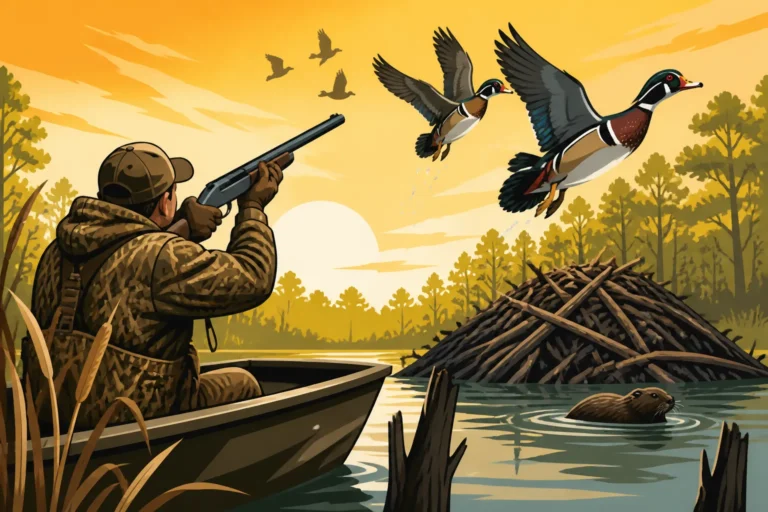
The Northeast Hills, in contrast, offer a mix of smaller agricultural fields, scattered timber, and numerous small ponds, creeks, and river systems. This isn't usually associated with the massive duck numbers of the Delta, but it can provide excellent opportunities for smaller, more intimate hunts. After the split, these areas can attract new birds seeking refuge from pressure in the Delta or finding isolated pockets of food. You might be jump-shooting beaver ponds, setting up over a small creek bottom, or hunting a picked field near a woodline. The tactics here lean more towards stealth, smaller spreads, and being flexible with your setup. You might encounter more wood ducks and gadwalls in these areas, rather than the mallard-heavy concentrations of the Delta. Understanding the nuances of these varied terrains is crucial for consistent success.
Public Land Pressure and Finding Undisturbed Waters
Mississippi boasts a good amount of public hunting land, but with that comes pressure, especially for prime waterfowl opportunities. After the split, some of these areas, particularly well-known spots like those within the Sunflower WMA Inside Delta National Forest or other popular WMAs, can be absolutely hammered. Wary, late-season ducks will quickly avoid areas with constant human disturbance.
To find undisturbed waters, you'll often have to put in more effort. This means walking further, going deeper into a WMA than others are willing to go. Look for satellite ponds, secluded sloughs, or remote corners of larger bodies of water that are harder to access. Sometimes, it's about finding those obscure access points or even paddling a canoe or kayak into areas that motorized boats can't reach. Using mapping apps with land ownership layers, like GoHunt or onX Hunt, can help identify pockets of public land that might be overlooked because they require a long walk-in or are surrounded by private property, creating a natural barrier to entry.
Another strategy is to scout smaller, less obvious bodies of water. Don't just focus on the big, well-known reservoirs or rivers. Smaller stock ponds, flooded ditches, or neglected marshy areas can hold surprising numbers of birds, especially if they offer peace and quiet. These might not hold thousands of birds, but a couple of limits in a low-pressure environment can be far more enjoyable and productive than battling crowds for a single bird. It's about outworking the competition and understanding that Hunting Pressure on Mississippi Public Land is a reality you have to adapt to, not just endure. Being flexible and willing to explore new, less convenient spots can unlock some hidden gems.
Troubleshooting and Adapting to Late-Season Challenges
The post-split duck season in Mississippi's North Zone can be incredibly rewarding, but it's rarely easy. You'll face unique challenges that demand quick thinking and a willingness to adapt. The birds are smarter, the weather is harsher, and the conditions are constantly changing.
Dealing with "Educated" Ducks and Hunting Pressure
By the time the season reopens after the split, the ducks that are still around (or the new ones that have arrived) have seen it all. They're what we affectionately call "educated" ducks. They've dodged steel shot for weeks, picked up on subtle human movements, and learned to recognize everything from unnatural blind lines to repetitive calling sequences. This level of wariness is your biggest adversary.
To counter this, you need to constantly mix things up. If your usual decoy spread isn't working, change it. Try a completely different configuration – maybe a tight family group, a long line, or a "U" shape with a big landing zone. Don't be afraid to try fewer decoys, or even just a few confidence decoys like geese or coots mixed in with a handful of duck decoys. You might also want to try different types of calls or vary your calling cadence dramatically. If aggressive hailing worked before, now try soft clucks and contented feed calls exclusively. The goal is to present something the ducks haven't seen or heard a hundred times before.
Beyond calls and decoys, your personal discipline is paramount. Any sudden movement, any reflective surface, any lapse in concealment can ruin a hunt. If ducks are flaring consistently, analyze what you might be doing wrong. Are you peeking too much? Is your dog too restless? Is your blind too sparse? These birds will pick up on the smallest details. We talk about Decoy Placement for Pressured Mississippi Birds and the importance of adapting, but it extends to every aspect of your setup. Sometimes, the best solution is simply moving to a new spot, even if it's just 50 yards away, to break up their line of sight or offer a fresh perspective.
Water Level Fluctuations and Changing Access
Mississippi's diverse waterways are constantly changing, and this is especially true in late fall and early winter. Heavy rains can cause rivers to swell and backwaters to flood new areas, while prolonged dry spells can leave prime spots completely dry or inaccessible. These water level fluctuations can drastically impact where ducks are and how you can get to them.
Imagine scouting a perfect slough before the split, only to return after the reopening to find it completely dry, or conversely, so flooded that the timber is too deep to wade. This is a common and incredibly frustrating scenario. Always check recent rainfall, river gauges, and local reports before heading out. If you're hunting public land or areas affected by river systems, the MDWFP website or local social media groups can provide valuable insights.
Changing water levels also directly affect access. A boat ramp might become unusable if the water drops too low, or a normally shallow, wadeable area might suddenly require a boat. This impacts not only your ability to get to your spot but also how you retrieve downed birds. Have a backup plan. If your primary spot is dry, do you have a deeper water alternative? If it's too flooded, is there a nearby field that might now be holding birds? Being prepared for What Happens If Water Levels Drop Mid-Season isn't just a hypothetical scenario; it's a critical part of late-season duck hunting in Mississippi. Always consider your exit strategy and ensure you can safely navigate changing conditions.
| Factor | Early Season (Pre-Split) | Late Season (Post-Split) |
|---|---|---|
| Duck Behavior | Naive, less pressured | Wary, educated, easily flared |
| Calling | Aggressive, loud hails | Subtle, feed calls, soft quacks |
| Decoy Spread | Large, active, visible | Realistic, natural, varied |
| Concealment | Important, but less critical | Absolute paramount, meticulous |
| Food Sources | Freshly flooded fields, early acorns | Waste grain, frozen fields, deeper water |
| Weather | Mild to cool | Cold, freezing, potential snow |
| Hunting Pressure | High on opener, then steady | Can be lower in some areas, but ducks are warier |
Disclaimer
Hunting is an inherently dangerous activity. This guide provides information for educational purposes only and is not a substitute for proper training, safety precautions, or adherence to all local, state, and federal hunting regulations. Always consult the latest Mississippi Department of Wildlife, Fisheries, and Parks (MDWFP) regulations before engaging in any hunting activities.