Mahannah Wildlife Management Area
Finding quality public land to hunt in Mississippi, especially places that offer both exceptional deer and waterfowl opportunities, can feel like searching for a needle in a haystack. Many hunters get frustrated with overcrowded spots or areas that simply don't hold the game they're after. But if you know where to look, places that offer a true wild experience still exist. This guide is going to walk you through everything you need to know about Mahannah Wildlife Management Area, a true gem in the Mississippi Delta, to help you plan your next successful hunt.
Understanding Mahannah Wildlife Management Area's Unique Appeal
Mahannah Wildlife Management Area isn't just another parcel of public land; it's a vibrant, dynamic ecosystem that truly represents the best of the Mississippi Delta's rich bottomland hardwoods. Nestled in Issaquena County, it's a place where the rhythms of the Mississippi River still largely dictate the flow of life, from the rise and fall of floodwaters to the movement of game. For many seasoned Mississippi hunters, Mahannah holds a special place, often whispered about with a mix of reverence and a touch of secrecy, precisely because of its incredible potential.
A Jewel of the Mississippi Delta
Imagine towering oaks and pecans, cypress brakes, and a maze of sloughs that come alive with the sounds of migrating ducks in the fall and the promise of a big buck slipping through the timber. That's Mahannah. This WMA is part of a larger, interconnected network of critical habitat within the Delta, making it a crucial stopover point for migratory birds and a year-round home for a dense population of white-tailed deer. The sheer size and wildness of Mahannah can be daunting at first glance, but that's also its charm. It forces you to slow down, to observe, and to truly become a part of the landscape. It's not a manicured park; it's a slice of wild Mississippi that challenges you and rewards you in equal measure. Unlike some public lands that feel heavily fragmented or overly managed, Mahannah retains a primitive feel, a testament to its bottomland character and the forces of nature that shape it.
Primary Game Species and What Draws Them Here
Mahannah is primarily known for two things: incredible white-tailed deer hunting and phenomenal waterfowl opportunities. The rich alluvial soils, abundant mast crops from the hardwoods, and dense cover create an ideal environment for deer to thrive and grow large. Many hunters come specifically for the chance at a mature Delta buck, knowing that the genetics and habitat are there to produce impressive antlers. The antler restrictions in the Delta Unit, which Mahannah falls under, further contribute to a healthy age structure, giving bucks more time to develop. You might find it interesting to learn more about the Delta Unit Antler Restriction Rules that help shape the deer herd here.
For waterfowl hunters, Mahannah is legendary. Its numerous sloughs, seasonal wetlands, and managed greentree reservoirs fill with water and become magnets for ducks migrating down the Mississippi Flyway. When the water levels are just right, the flooded timber becomes a magical place, echoing with the calls of mallards and wood ducks. Beyond deer and ducks, Mahannah also offers solid opportunities for feral hogs, which are present year-round, as well as various small game species like squirrels and rabbits, though they often take a backseat to the big two.
Navigating Mahannah's Terrain and Habitat
Understanding the lay of the land at Mahannah WMA is paramount to a successful hunt. This isn't your typical pine plantation or rolling hills; it's a flat, often wet, landscape that demands a different approach. The terrain here is shaped by water, specifically the backwaters and overflow of the Mississippi River, which creates a mosaic of habitat types that are constantly in flux.
Bottomland Hardwoods and Sloughs
The dominant feature of Mahannah is its vast expanse of bottomland hardwood timber. These woods are characterized by mature oaks, sweetgums, hackberries, and cypress trees, creating an incredibly rich ecosystem. During certain times of the year, particularly after heavy rains or river floods, much of this timber can be standing in water. This is where the sloughs come into play. These are natural depressions and channels that hold water, creating critical habitat for ducks and natural travel corridors for deer. Learning to "read" these sloughs and timber lines for deer movement is a skill honed over many days afield. When scouting, pay close attention to the subtle elevation changes that might indicate drier ground or deeper water, especially if you're targeting deer. Knowing how to identify natural funnels between sloughs can be a game-changer for a deer hunter. Often, the deer will stick to the slightly higher ground, creating natural pinch points as they move from bedding to feeding areas. Understanding Hunting a Funnel Between Two Sloughs can provide valuable insights for your Mahannah strategy.
Food Plots and Openings
While much of Mahannah is dense timber and swamp, the management agency does maintain strategic food plots and openings throughout the WMA. These areas are designed to provide supplemental forage for deer and other wildlife, and they can be absolute magnets, especially during the colder months when natural browse starts to dwindle. Don't underestimate these managed plots; they can concentrate deer activity, making them prime spots for stand placement. However, they also tend to see more hunting pressure. A smart hunter will not just set up on the plot, but rather focus on the entry and exit routes that deer use to access it, particularly if the plot is visible from a road or common access point. These openings also serve as transition zones between the dense woods and more open areas, providing edges that deer love to frequent. Look for scrapes and rubs along these edges, indicating active buck travel.
Water Levels and Their Impact
Perhaps the single most critical factor influencing hunting at Mahannah is water. The Mississippi River's fluctuations directly impact the WMA, creating dynamic conditions that can change overnight. High water can flood vast tracts of timber, pushing deer to higher ground or concentrating them on specific ridges and islands. For ducks, high water can open up new feeding areas in the flooded woods, creating incredible opportunities for Mallards in Delta Flooded Timber. Conversely, low water can make traditional duck holes inaccessible and scatter deer across a larger, drier landscape.
It's essential to monitor local water levels and weather forecasts before and during your hunt. This information will dictate where you can access, where the game will be concentrated, and what gear you'll need (think chest waders for deer hunting, or a reliable boat for duck hunting). The WMA often has designated greentree reservoirs where water levels are manipulated, providing consistent waterfowl habitat, but even these can be affected by extreme conditions. Always check the WMA's specific conditions and regulations, as water levels can also influence access points and permissible hunting methods.
Hunting Strategies for Mahannah WMA
Hunting at Mahannah requires a blend of adaptability, persistence, and a deep understanding of bottomland dynamics. What works in the piney woods of East Mississippi simply won't cut it here. Success at Mahannah often comes down to scouting diligently, paying attention to the details, and being prepared for whatever the Delta throws at you.
Deer Hunting Tactics
Deer hunting at Mahannah is a challenging but incredibly rewarding endeavor. The mature bottomland bucks are smart, often living their entire lives within the dense cover. Still-hunting, where you move slowly and deliberately through the woods, stopping frequently to scan ahead, can be highly effective, especially when trying to pinpoint deer in thick cover. Understanding Hunting Delta Unit Bottomland Deer is crucial, as their movement patterns differ from those in other units.
Stand hunting is also a popular method, whether from a ladder stand, climber, or ground blind. Identifying pinch points, funnel areas, or trails leading to and from food sources (both natural mast crops and planted food plots) is key. Look for subtle ridges or elevated areas that provide deer with dry bedding during high water. During the rut, rattling and grunting can be surprisingly effective in the thick timber, as bucks are often eager to investigate intrusions into their territory. The Mississippi rut varies by unit, and knowing Hunting the Mississippi Rut by Unit for the Delta can significantly boost your chances. Don't forget to use your mapping tools like onX Hunt to identify potential travel corridors, old logging roads, or subtle elevation changes that might hold deer.
Waterfowl Hunting Approaches
Mahannah is a bucket-list destination for many duck hunters. The opportunities for flooded timber hunting are unparalleled. When water levels are up, finding a secluded pocket within the greentree reservoirs or natural sloughs and setting out a spread of mallard and wood duck decoys can lead to fast and furious action. Layout blinds in open fields can also be effective if the ducks are using agricultural areas adjacent to the WMA. Accessing these areas often requires a boat or kayak, and knowledge of the intricate network of sloughs and channels.
Another popular tactic is jump-shooting smaller sloughs or beaver ponds, especially for wood ducks. This involves slowly working your way along the water's edge, flushing birds, and taking quick shots. Regardless of your chosen method, effective calling and concealment are critical. Ducks on Mahannah can be very wary due to consistent hunting pressure, so ensuring your blind is well brushed in and your calling is realistic will pay dividends. Always be aware of the Mississippi Duck Zone Split Rules to ensure you're hunting within the legal season framework.
Small Game and Feral Hog Opportunities
While deer and ducks are the main draws, Mahannah offers opportunities for other species as well. Squirrels are abundant in the hardwood timber, especially when the mast crop is good. A quiet morning spent walking through the woods, listening for cutting squirrels, can be a relaxing and productive hunt. Rabbits can be found along field edges, brush piles, and fallen timber. These small game pursuits are often a great way to introduce new hunters to the outdoors or simply enjoy a less intense day afield.
Feral hogs are a persistent presence on Mahannah, and hunting them is open year-round with liberal regulations. They can be found throughout the WMA, often rooting up food plots and causing extensive habitat damage. Hog hunting can be done opportunistically while deer or duck hunting, or as a dedicated pursuit. Stalking hogs in the early morning or late evening, or setting up over known travel routes or rooting areas, can be successful. Because hogs are considered an invasive species, the Mississippi Department of Wildlife, Fisheries, and Parks encourages their removal. Understanding Mississippi Feral Hog Regulations is important before heading out.
Essential Rules and Regulations for Mahannah Hunters
Like all Wildlife Management Areas in Mississippi, Mahannah operates under a specific set of rules and regulations designed to manage wildlife populations, ensure hunter safety, and preserve the resource for future generations. Ignorance of these rules is no excuse, and a violation can lead to a spoiled hunt, fines, or even loss of hunting privileges. It's truly a frustration when you travel all that way only to realize you missed a critical detail, so let's make sure that doesn't happen.
Permitting and Check-In Procedures
To hunt Mahannah WMA, you'll first need a valid Mississippi hunting license, specific permits for the game you intend to pursue, and typically a WMA permit. This is standard across all WMAs in the state. The Mississippi WMA Permit Requirement is crucial to remember. Beyond the licenses, Mahannah often requires hunters to check in and check out daily. This process is usually done through a self-service kiosk at designated entry points or, increasingly, through a digital app provided by the MDWFP. The check-in system helps the agency monitor hunter effort and harvest, which is vital for effective wildlife management. Always ensure you've completed both the check-in and check-out procedures, even if you didn't harvest anything. Failing to check out can be a violation and lead to issues down the road.
Special Regulations and Quota Hunts
Mahannah WMA, due to its popularity and prime habitat, frequently has special regulations or quota hunts for certain species, particularly deer. Quota hunts mean that only a limited number of hunters are allowed to participate, usually selected through a lottery system. If you plan to hunt during a quota period, you must apply in advance and be drawn for a spot. These hunts are highly sought after, reflecting the quality of hunting Mahannah offers. Always consult the official MDWFP WMA regulations booklet or their website for the most current information regarding Mahannah's specific seasons, bag limits, and any quota hunt requirements. Regulations can change from year to year, so relying on old information is a recipe for disappointment. Pay close attention to legal firearms for deer hunting and any specific equipment requirements.
Blaze Orange and Safety Considerations
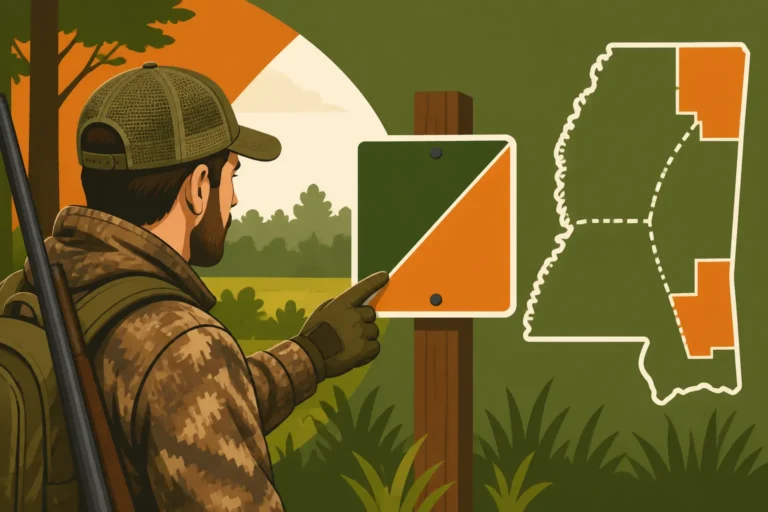
Hunter safety is paramount on any public land, and Mahannah is no exception. Mississippi law requires hunters to wear a certain amount of blaze orange during gun seasons, typically 500 square inches visible from all sides, or a blaze orange or pink hat. This requirement is in place to ensure you are highly visible to other hunters, especially in dense cover where visibility can be poor. Always err on the side of caution and wear more blaze orange than the minimum if you feel it enhances your safety.
Beyond blaze orange, general safety practices are crucial. Inform someone of your hunting plans, including your expected return time and location. Carry a map (digital or physical) and a compass. A fully charged cell phone is a must, but understand that cell service can be spotty in remote areas of Mahannah. Consider carrying a personal locator beacon for emergencies. Be mindful of your surroundings, especially when traversing sloughs or areas with standing water, as uneven footing is common. Respect property boundaries; while Mahannah is extensive, it borders private lands, so using tools like GoHunt or onX Hunt to identify property lines is highly recommended.
Making the Most of Your Mahannah WMA Experience
Hunting Mahannah WMA is an adventure, but like any adventure, it requires thoughtful preparation to truly maximize your experience. From scouting to understanding the logistics, every detail contributes to a successful and enjoyable trip.
Scouting and Preparation with Mapping Tools
Effective scouting is the bedrock of successful hunting at Mahannah. Because the terrain is so unique and often wet, traditional walk-in scouting might be limited at certain times of the year. This is where modern mapping tools become indispensable. Platforms like onX Hunt are game-changers for public land hunters. You can use them to digitally scout from home, identifying potential access points, old logging roads, sloughs, and subtle elevation changes that might indicate dry ground or bedding areas. Layers that show timber type, topo lines, and public/private land boundaries are invaluable.
Before you ever set foot on the WMA, spend hours poring over aerial imagery. Look for natural funnels, pinch points created by water bodies or dense thickets, and areas where different habitat types converge. Mark potential stand locations, entry and exit routes, and backup spots. When you do get on the ground to scout, use your GPS or phone app to verify what you saw on the map. Pay attention to deer sign, rub lines, scrape activity, and travel corridors. For waterfowl, scout for recent duck activity, looking for loafing areas or feeding sign in shallow water. Understanding Scouting Mississippi Public Land Before Season will give you a significant advantage.
Planning for Lodge or Camping Options
Mahannah WMA is a significant drive from many population centers in Mississippi, making multi-day hunts common. When planning your trip, consider your lodging options. There isn't typically a lodge on the WMA itself, but nearby towns may offer hotels or motels. For those who prefer a more immersive experience, camping can be an option on some public lands, though rules vary. Always check Mahannah's specific camping regulations – whether primitive camping is allowed, if there are designated campgrounds, or if restrictions apply. Many hunters choose to camp at nearby state parks or privately owned campgrounds for comfort and amenities. If you're coming from out of state, or simply prefer more comforts, researching local accommodations well in advance is a good idea, especially during peak hunting seasons when rooms can fill up quickly.
Respecting the Resource and Fellow Hunters
Hunting on public land is a privilege, and respecting the resource and your fellow hunters ensures that everyone can continue to enjoy it. This means practicing ethical hunting behaviors, adhering strictly to all regulations, and leaving no trace. Pack out everything you pack in, including spent shell casings, food wrappers, and any trash. Be mindful of other hunters' space; if you see another vehicle parked in an area, consider moving to a different spot to avoid crowding. Communication can go a long way – a friendly wave or brief chat can help ensure everyone has a safe and enjoyable hunt.
Sharing the woods, especially in a popular WMA like Mahannah, requires patience and consideration. Remember that some hunters are after deer, others ducks, and some are just enjoying a walk in nature. Your actions impact everyone's experience. By being a responsible and respectful hunter, you contribute to the positive image of hunting and help preserve these incredible public lands for generations to come.
Disclaimer
This article is for general informational purposes only and does not constitute professional advice. Laws, prices and regulations vary by location and change over time. Consult a qualified professional for guidance on your specific situation.