Mississippi Deer Harvest Records
It's easy to get lost in the sea of data the Mississippi Department of Wildlife, Fisheries, and Parks (MDWFP) puts out every year. We've all been there, scrolling through harvest reports and wondering what those numbers really mean for our personal hunting strategy or the health of our deer herds. Understanding Mississippi's deer harvest records, how they're collected, and what they tell us about the deer population is absolutely crucial for any serious hunter, and this guide is here to break it all down for you.
Understanding Mississippi's Deer Harvest Records
For those of us who live and breathe Mississippi deer hunting, the annual harvest records aren't just dry statistics; they're a vital snapshot of our deer populations. These records are the culmination of thousands of individual hunting efforts across the state, providing invaluable insight into population trends, hunter success, and the overall health of our whitetail herd. Ignoring them is like trying to navigate the Delta without knowing which way the river flows – you're just guessing.
What Constitutes a Deer Harvest Record?
When we talk about deer harvest records in Mississippi, we're not just counting the total number of deer taken. It's a much more nuanced picture. These records meticulously track several key data points that, when compiled, paint a comprehensive picture for wildlife managers and keen hunters alike. This includes the total number of bucks and does harvested, often broken down by specific units or even counties, and even details like the date of harvest and the method used.
It's a huge undertaking, collecting data on every single deer legally taken. But this level of detail allows the MDWFP to understand the impact of various seasons, regulations, and even environmental factors on the deer herd. For hunters, these detailed reports can help you understand which areas are producing more deer, which units are seeing higher buck-to-doe ratios in the harvest, and even when the peak harvest periods occur. It's not about individual bragging rights for the most part, but about the collective effort informing statewide management.
Why Harvest Records Are So Important for Management
The MDWFP relies heavily on these harvest records to make informed decisions about deer management across the state. Think of it like a doctor monitoring a patient's vital signs; these numbers tell our wildlife biologists if the population is growing, stable, or declining in certain areas, and if current hunting regulations are achieving their intended goals. Without this data, management would be a shot in the dark, leading to potentially unhealthy herds or missed opportunities for hunters.
These records directly influence things like antler restrictions, bag limits, and even season dates for specific units. For instance, if harvest data shows a consistent decline in antlerless deer taken in a particular unit, the MDWFP might consider liberalizing doe harvest opportunities to help balance the herd. Conversely, if buck harvest is consistently low for older age classes, they might evaluate existing antler point restriction rules to allow more young bucks to mature. It’s a dynamic process, and we, as hunters, are direct participants in providing the data that drives it. Understanding the goals of the statewide deer management plan can help you interpret these records with more context.
How Mississippi Deer Harvest Data is Collected
The process of collecting deer harvest data in Mississippi has evolved over the years, moving towards more modern and efficient methods. This isn't just about making it easier for hunters; it's about ensuring the accuracy and timeliness of the data, which directly impacts management decisions and, ultimately, our hunting experiences.
The Mandatory Reporting System
Mississippi operates a mandatory harvest reporting system, which means every hunter who harvests a deer must report it to the MDWFP. This isn't optional; it's a critical component of our deer management strategy. This requirement ensures that wildlife biologists have a comprehensive understanding of the annual harvest, allowing them to track population trends, evaluate the effectiveness of regulations, and identify potential issues like localized over-harvesting or under-harvesting.
Historically, this might have involved physical check stations, but today, it's largely digitized. This shift has made the process much more convenient for hunters, which in turn leads to higher compliance and better data. The system is designed to capture details such as the date of harvest, the county where the deer was harvested, the species (deer), gender (buck or doe), and even antler characteristics for bucks in certain units, particularly those with specific antler restrictions like the Delta Unit's twelve-inch spread rule or the Hills Unit's ten-inch spread rule.
Using the MDWFP App and Online Portal
The primary method for reporting deer harvests in Mississippi is through the MDWFP's official mobile app or their online portal. This digital approach has revolutionized how data is collected, making it quick and accessible for hunters, often right from the field. Imagine the old days, driving miles out of your way to find a check station after a successful hunt; now, you can often do it from your stand or truck.
The app, available for both iOS and Android devices, allows hunters to enter all the required harvest information with just a few taps. It's user-friendly and even works in areas with spotty cell service by storing the data and uploading it once a connection is re-established. Many hunters find it indispensable, not just for reporting but also for things like carrying proof of their license on their phone or even checking local regulations on the go. This ease of use means more data gets reported, and that data is more immediate, providing biologists with near real-time insights into harvest trends as the season progresses. The deadline for reporting a deer is usually within 72 hours of harvest, though it's always best to check the current regulations.
Data Verification and Accuracy Efforts
While self-reporting is convenient, ensuring the accuracy of the data is paramount. The MDWFP employs various strategies to verify the information and address potential inaccuracies. This can include random checks, cross-referencing data points, and educating hunters on the importance of accurate reporting. When a deer is harvested in a Chronic Wasting Disease (CWD) management zone, for instance, there are mandatory testing requirements which provide an additional layer of data verification, as the animal's physical characteristics are often confirmed by sampling technicians.
Furthermore, public education campaigns and outreach through hunter education courses emphasize the importance of honest and accurate reporting. After all, the data is only as good as the information hunters provide. Any discrepancies or deliberate misreporting can skew the overall picture, potentially leading to less effective management decisions down the line. We all have a role to play in contributing to sound wildlife management.
Interpreting Harvest Records for Your Advantage
So, you've looked at the tables of numbers and read through the annual reports. Now what? Interpreting these harvest records isn't just an academic exercise; it's a practical skill that can give you a significant edge in planning your hunts and understanding the local deer population.
Analyzing Statewide and Unit-Specific Trends
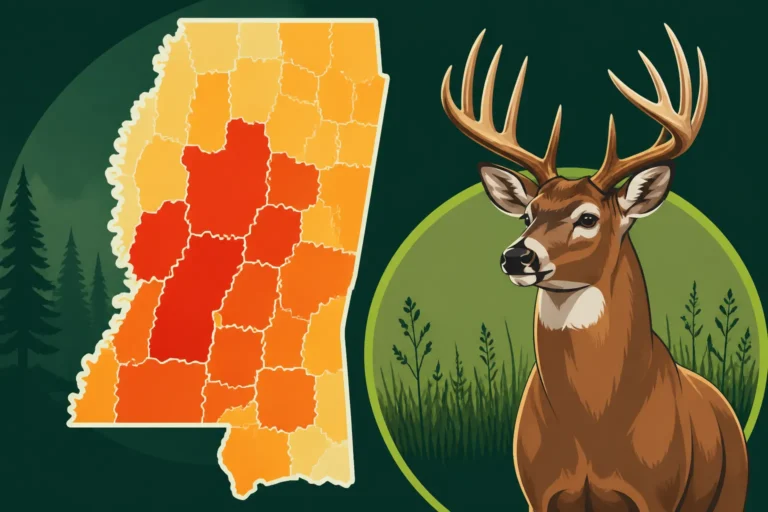
Harvest records typically present data in several ways: statewide totals, breakdowns by our four main deer management units (Delta, Hills, North Central, and Southeast), and often by individual county. Looking at the statewide numbers gives you a broad overview, but the real insights come when you drill down into the unit-specific data. Each unit has its own unique habitat, pressure, and management goals, which are reflected in its harvest numbers.
For example, comparing the number of bucks harvested in the Delta Unit versus the Hills Unit can reveal significant differences in herd age structure and antler development, largely due to varying regulations like the Delta Unit's twelve-inch spread rule. You might see a higher percentage of older, larger-antlered bucks harvested in units with stricter antler regulations, indicating those rules are having their intended effect. Conversely, a unit with a high doe harvest might be actively working to reduce overall deer density. Platforms like GoHunt, which integrate various layers of data, can be incredibly helpful for visualizing these trends on a map alongside public land boundaries and other features.
Understanding Buck-to-Doe Ratios and Age Structure
Beyond raw numbers, harvest records can offer clues about the buck-to-doe ratio and the age structure of the buck population. While direct population estimates can be complex, consistent harvest data over several years can indicate trends. If you see a high percentage of young bucks (e.g., yearlings) in the buck harvest, it might suggest a population with a good recruitment rate but perhaps less opportunity for bucks to reach older age classes, possibly due to high hunting pressure or liberal bag limits.
A balanced buck-to-doe ratio is generally considered healthier for a deer population, as it can lead to a more defined and intense rut, and better overall herd genetics. If harvest records show a disproportionately high doe harvest compared to bucks in a certain area, it might indicate efforts to reduce herd density. Conversely, a low doe harvest might suggest a need for more antlerless opportunities. These ratios are key indicators for wildlife managers who track the buck age structure through harvest data and other surveys.
| Year | Total Deer Harvested | Total Bucks Harvested | Total Does Harvested | Ratio (Bucks:Does) | Average Buck Age (Estimated) |
|---|---|---|---|---|---|
| 2020-21 | 295,000 | 170,000 | 125,000 | 1.36:1 | 2.8 years |
| 2021-22 | 302,000 | 175,000 | 127,000 | 1.38:1 | 2.9 years |
| 2022-23 | 288,000 | 165,000 | 123,000 | 1.34:1 | 2.8 years |
| 2023-24 | 310,000 | 180,000 | 130,000 | 1.38:1 | 3.0 years |
Disclaimer: Numbers in this table are illustrative and do not reflect exact MDWFP harvest data for specific years, which can fluctuate.
This table, while simplified, shows how you might analyze trends. For instance, a relatively stable buck-to-doe ratio and a slightly increasing average buck age could indicate a healthy, aging deer herd, possibly with effective antler management.
Identifying Peak Harvest Periods and Regional Hotspots
Harvest records often include data on when deer are harvested. By looking at the weekly or monthly harvest totals, you can pinpoint the peak harvest periods for specific counties or units. This information is incredibly valuable for timing your hunts. Unsurprisingly, Mississippi Gun Season Opening Day usually sees the biggest crowds and highest harvest numbers.
You might notice a significant spike in buck harvest during the rut in certain areas, or a more consistent harvest throughout the entire season in others. This can tell you a lot about deer behavior and hunter pressure. Additionally, by comparing county-level harvest data, you can identify regional hotspots – areas that consistently produce higher numbers of deer, or even larger bucks, like some of the prime hunting lands around Sharkey or Issaquena County. Tools like the MDWFP app, with its interactive mapping features, can help you visualize where the deer herd is densest. This kind of research is part of what it takes to effectively scout Mississippi public land before season.
The Impact of Harvest Records on Mississippi's Wildlife Management
Harvest records are more than just numbers on a page; they are the bedrock upon which sound wildlife management in Mississippi is built. The MDWFP uses this comprehensive data to adapt and evolve its strategies, ensuring the long-term health of our deer herds and continued hunting opportunities for generations to come.
Adapting Season Dates and Bag Limits
One of the most direct ways harvest records influence management is in the setting of season dates and bag limits. If data reveals that the current season structure isn't allowing for an adequate antlerless harvest in a specific unit, the MDWFP might extend the doe season or increase antlerless bag limits in that area. Conversely, if buck harvest records show a decline in mature bucks, they might consider implementing or adjusting antler restrictions or shortening buck seasons.
These decisions are never made lightly; they involve careful consideration of biological data, hunter input, and overall management goals. For instance, the discussion around when Mississippi's archery season opens or the nuances of the Mississippi's Gun Deer Season by Unit are heavily informed by previous harvest data and population trends. It’s a delicate balance to provide ample hunting opportunity while ensuring the sustainability of the resource.
Informing Antler Point Restrictions and Unit Changes
Mississippi's deer herd is incredibly diverse, and what works in the Delta often doesn't make sense in the Hills. That's why we have Mississippi's Four Deer Management Units, each with its own set of regulations. Harvest records are critical in evaluating the effectiveness of these unit-specific rules, especially antler point restrictions (APRs). The Delta Unit Antler Restriction Rules and Hills and Southeast Unit Antler Restriction Rules, for example, are in place to allow more bucks to reach older age classes and improve herd quality.
By monitoring the harvest of bucks within specific antler criteria, the MDWFP can assess if these regulations are achieving their biological objectives. If, after several years, the data shows no significant improvement in buck age structure or antler quality, they might consider modifying or even removing the restrictions. This iterative process of implementing, monitoring, and adapting is a hallmark of good wildlife management.
Monitoring Disease and Population Health
Beyond hunting specific metrics, harvest records play a crucial role in monitoring the overall health of Mississippi's deer population, particularly concerning diseases like Chronic Wasting Disease (CWD). When a deer is harvested in a CWD-positive county, mandatory testing allows the MDWFP to track the prevalence and spread of the disease. This data helps establish and manage Mississippi's Chronic Wasting Disease Zones, implement carcass movement restrictions, and guide research efforts.
For example, harvest data combined with CWD test results from counties like Benton or Marshall helps biologists understand the disease's trajectory. This integrated approach allows wildlife managers to make science-based decisions to mitigate CWD's impact, which is a significant concern for the future of deer hunting in our state. The ability to report a deer through Mississippi's app also allows for rapid data collection regarding CWD if the deer is harvested in a CWD management zone.
Challenges and Nuances in Deer Harvest Data
While deer harvest records are an invaluable tool, it's important to remember they're not a perfect science. Like any large dataset, they come with their own set of challenges and nuances that can affect their accuracy and interpretation. Understanding these limitations helps us, as hunters, to view the data with a more critical and informed eye.
The Role of Hunter Compliance and Reporting
The accuracy of Mississippi's harvest data relies heavily on hunter compliance with the mandatory reporting system. While most hunters are responsible and report their harvests, there will always be a small percentage who either forget, fail to report, or even intentionally misreport. Even a small degree of underreporting can skew the overall numbers, making populations appear smaller or harvest rates lower than they actually are.
The MDWFP continually works to educate hunters on the importance of reporting and makes the process as easy as possible to maximize compliance. However, it's a constant effort, and we, as a hunting community, must emphasize the importance of every hunter doing their part. It's not just a bureaucratic requirement; it's fundamental to sound deer management.
Environmental Factors and Annual Fluctuations
Deer populations and harvest success are not static; they are heavily influenced by a myriad of environmental factors that fluctuate year to year. Things like acorn crop failures, severe weather events (droughts or floods), or even disease outbreaks like EHD can significantly impact deer numbers and movement, which in turn affects harvest data. A "bad" harvest year might not necessarily indicate a struggling deer population but could simply reflect a poor mast crop that dispersed deer, making them harder to hunt.
Conversely, an exceptionally good year for mast or mild winter could lead to a banner harvest, even if the underlying population trends are stable. Biologists account for these variables by looking at long-term trends rather than reacting to single-year anomalies. This is why understanding the factors that influence Mississippi Deer Herd Size is so important.
Distinguishing Harvest Data from Population Estimates
It's crucial to understand that harvest records are a measure of harvest, not a direct measure of the total population. While harvest data provides strong indicators of population trends, it doesn't tell us the exact number of deer roaming the woods. Population estimates involve more complex methodologies, including spotlight surveys, camera surveys, and statistical modeling that considers factors like fawn recruitment, mortality rates, and habitat carrying capacity.
Harvest data is a significant component of these models, but it's only one piece of the puzzle. We can infer a lot about the health and size of the herd from harvest records, but it's important not to equate "total deer harvested" with "total deer in the state." The MDWFP uses a variety of methods, including annual harvest reports, to count the Mississippi deer herd more accurately.
Using Harvest Records to Improve Your Hunting Strategy
All this talk about data and management isn't just for the biologists; it's incredibly valuable for you, the hunter. By learning how to interpret and apply these records, you can become a more informed, effective, and ultimately, more successful deer hunter in Mississippi.
Identifying Productive Areas and Timing Hunts
One of the most practical applications of harvest records is pinpointing areas that consistently produce good numbers of deer. If you're looking for a new spot on public land, or trying to decide which county to focus your efforts on, studying the harvest reports can guide you to historically productive regions. Perhaps Wayne County consistently has a high buck harvest, or Noxubee County shows strong doe numbers, indicating a dense population.
Beyond location, these records can help you time your hunts. If the data shows a spike in buck harvest during the last week of November in the Hills Unit, that might be a great time to schedule a hunting trip, as it could align with the peak of the rut in that area. Remember, deer drives on Mississippi public land often yield significant harvest numbers in certain areas, and harvest data can highlight where these tactics are most effective.
Understanding the Impact of Hunting Pressure
Harvest records can also offer insights into hunting pressure. Areas with extremely high harvest numbers on public land, especially early in the season, might indicate heavy hunter traffic. This could mean you need to adjust your strategy, perhaps by walking further off the beaten path or focusing on weekdays rather than crowded weekends. Conversely, if a public land area shows consistently low harvest numbers despite good habitat, it might be an overlooked gem or simply require different tactics.
By looking at the "when" and "where" of the harvest, you can make informed decisions about where to go and when to avoid the crowds, or how to hunt smarter in areas with high pressure. This intel is invaluable for finding ground others walk past.
Planning for Antler Restrictions and Trophy Potential
For those chasing a specific class of buck, harvest records are your best friend. By looking at the buck harvest data for specific units, especially those with antler restrictions, you can get a sense of the trophy potential. If a unit consistently produces bucks with larger spreads or more points, it suggests the APRs are working, and the herd has a good age structure. This is directly related to how well hunters are judging a legal buck under Delta Unit restrictions or under Hills Unit restrictions.
For example, comparing the number of bucks harvested that meet or exceed the "12-inch spread or 15-inch main beam" rule in the Delta Unit can tell you how many mature bucks are in the system. This allows you to set realistic expectations and tailor your hunting strategy—whether that means focusing on areas known for older-age-class bucks or simply enjoying the challenge of hunting any legal deer.
Disclaimer
The information provided in this guide is for general informational purposes only and is subject to change. Hunting regulations, season dates, and reporting requirements in Mississippi are established and enforced by the Mississippi Department of Wildlife, Fisheries, and Parks (MDWFP). While every effort has been made to provide accurate and up-to-date information, it is the sole responsibility of each hunter to consult the official MDWFP hunting guides, regulations, and website before participating in any hunting activities. Always ensure you are in full compliance with all state and federal laws.