Where Mississippi Bobcats Are Rebounding
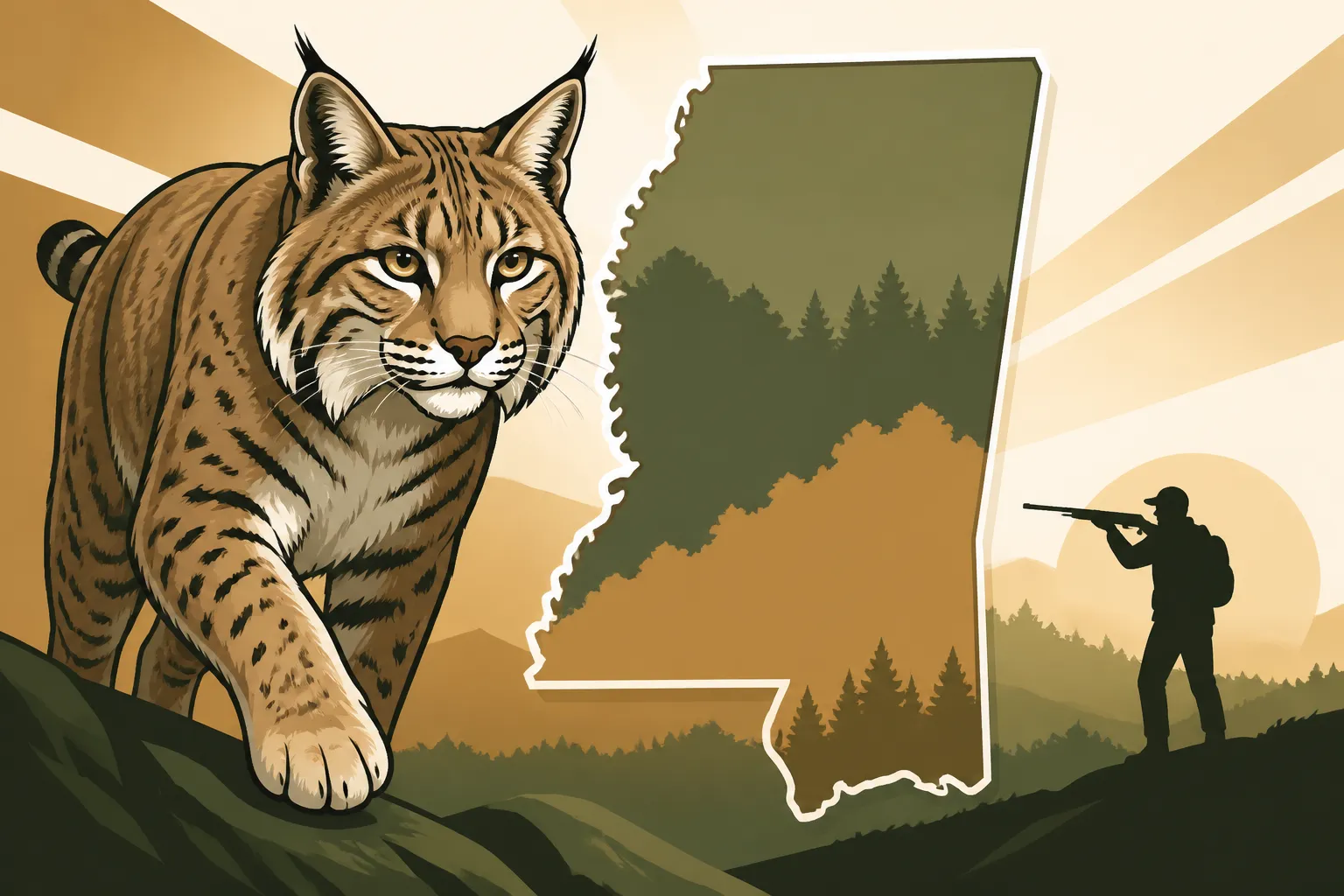
It's always exciting to talk about wildlife making a comeback, especially a creature as elusive and iconic as the bobcat. For years, folks might have only glimpsed these beautiful felines in fleeting moments or spotted their tracks while out deer hunting. But if you've been paying attention, you've likely noticed an uptick in bobcat activity across Mississippi, and that's not just your imagination. This guide will dive deep into where these adaptable predators are truly making a strong return, what factors are helping them thrive, and how you can better understand their presence in our state's diverse landscapes.
Understanding Mississippi's Bobcat Landscape
Mississippi is a state rich in natural beauty and diverse habitats, and it's home to a remarkable array of wildlife, including the bobcat. These incredible predators, often mistaken for larger felines by those who don't know their distinct features, have always been a part of our ecosystem. However, like many other species, their populations have ebbed and flowed over the decades due to various pressures. Understanding their historical journey and preferred haunts helps us appreciate their current resurgence.
Historical Trends and Conservation Success
For a long time, bobcats faced challenges from habitat loss, unregulated trapping, and even direct persecution fueled by misconceptions about their impact on livestock and game populations. Back in the day, seeing a bobcat was a truly rare event for most, almost like seeing a black bear, which themselves are Mississippi's Recovering Black Bear Population. Early 20th-century agricultural expansion and widespread timber harvesting often fragmented the dense cover these solitary hunters need to thrive. There wasn't much focused conservation effort for them specifically, as they weren't considered a "game" animal in the same vein as deer or turkeys, but rather more of a fur-bearer or, unfortunately, a nuisance animal.
However, as conservation efforts matured and wildlife management became more science-based, perspectives shifted. Regulations on trapping became more defined, and habitat management practices evolved. Instead of just clear-cutting, there was a greater emphasis on sustainable forestry, which, in a roundabout way, started to benefit species like the bobcat that rely on diverse forest structures for hunting and denning. It wasn't a single, dramatic moment, but a gradual shift in how we managed our natural resources that started to create more favorable conditions for bobcat recovery. Now, thanks to these changes, we're seeing them in places where they were once sparse, which is a testament to the resilience of nature when given a bit of a chance.
Habitat Preferences Across the State
Bobcats are incredibly adaptable critters, but they definitely have their preferences when it comes to habitat. They aren't going to set up shop just anywhere. Generally, they love areas with dense undergrowth, thickets, swamps, and rocky outcrops, which provide excellent cover for stalking prey, resting, and raising their young. This is why certain regions of Mississippi are natural strongholds for them. They need a mosaic of different cover types – dense woods for security, open areas for hunting, and access to water.
Think about the Piney Woods, for instance, with its mix of pine stands, hardwood bottoms, and dense brush. It's a bobcat paradise. Then you have the Loess Bluffs, with their steep, eroded terrain and thick vegetation, offering perfect ambush points and den sites. Even in the Delta, where it's largely agricultural, bobcats find refuge in the remaining bottomland hardwoods, river cane thickets, and along sloughs and drainage ditches. They are masters of blending in, and their success often comes down to their ability to utilize these varied landscapes to their advantage, often remaining unseen even when they're close by. They need sufficient prey, of course, but cover is king for these animals.
Key Regions for Bobcat Rebound
When we talk about bobcats making a comeback, it's not a uniform explosion across every single county. While they are present statewide, certain regions are truly seeing an impressive resurgence. These are the places where the habitat conditions, prey availability, and perhaps less human disturbance create ideal environments for these elusive felines to thrive and expand their populations.
The Piney Woods and Coastal Plain
The Piney Woods region, stretching across much of south and central Mississippi, and extending down into the Coastal Plain, is arguably one of the strongest areas for bobcat recovery. This landscape is characterized by extensive pine forests, both natural and managed plantations, interspersed with hardwood drains, cypress swamps, and dense brush. This varied terrain offers an ideal mix of dense cover for denning and escape, and more open areas for hunting small game like rabbits and squirrels, which are primary food sources. You'll also find a healthy population of white-tailed deer fawns, a valuable food source, particularly in the spring and early summer.
The mosaic nature of the timber industry here, with patches of clear-cuts, young growth, and mature stands, creates diverse edge habitats that bobcats love. These edges are where prey animals often concentrate. Hunters in areas like the Bienville and DeSoto National Forests often report seeing more bobcat sign, or even catching a glimpse of the animals themselves, than they might have a decade or two ago. The abundance of protected areas within these national forests also provides large tracts of undisturbed habitat, which is crucial for a solitary, territorial predator like the bobcat. When you're Hunting the Piney Woods Region for deer or small game, keep your eyes peeled for those distinctive tracks or scat.
Northern Mississippi Hills and Associated River Drainages
Moving up to the northern part of the state, the Hills Unit also shows significant bobcat activity and a clear rebound. This region is a mix of hardwood forests, rolling hills, agricultural fields, and numerous creek and river drainages. The steeper, more rugged topography, especially along the larger river systems like the Yazoo and Big Black, provides excellent denning sites in eroded banks and rocky outcrops, as well as dense riparian zones that serve as natural travel corridors.
The North Central Unit, for example, known for its hardwood draws and extensive timber, provides ample cover. These areas are often less developed than some other parts of the state, leaving large contiguous blocks of habitat. Here, bobcats capitalize on the diverse prey base, including cottontail rabbits, squirrels, and a steady supply of rodents that thrive in both the woodlands and the edges of agricultural fields. Rivers and creeks, like the Black Creek, also offer consistent water sources, further enhancing the habitat quality. Hunters who spend time scouting these hills, especially along the ridgelines and creek bottoms, are increasingly encountering signs of these fascinating felines. Using mapping tools like those from GoHunt can reveal these isolated patches of dense cover and water sources that are prime bobcat territory.
Delta and Bottomland Hardwood Areas
While the Mississippi Delta is largely known for its expansive agricultural fields, the remaining pockets of bottomland hardwood forests, river batture lands, and extensive slough systems are vital for bobcats, and they've shown a surprising adaptability to this landscape. These areas, like the Delta National Forest and Panther Swamp National Wildlife Refuge, are critical strongholds. The dense, often impenetrable cane thickets, cypress brakes, and flooded timber provide incredible cover, not only from human disturbance but also for ambushing prey.
These bottomlands are incredibly rich in wildlife. You'll find an abundance of rabbits, squirrels, muskrats, and waterfowl, all potential meals for a hungry bobcat. The edges where these forests meet agricultural fields are particularly productive, offering dense cover right next to abundant food sources. Bobcats are incredibly adept at navigating these thick, wet environments, and their populations seem to be doing quite well in these more secluded, wilder corners of the Delta. It’s a powerful reminder that even in highly altered landscapes, if critical habitat remains, wildlife can persist and even flourish. When you're Hunting Delta Unit Bottomland Deer, you're very much in prime bobcat country.
Factors Contributing to Bobcat Recovery
The story of the bobcat's rebound in Mississippi isn't just about them being tough survivors; it's also about a convergence of ecological shifts and human actions that have unintentionally or intentionally created more favorable conditions. Understanding these factors helps illustrate the complex interplay within our natural world and how seemingly unrelated events can profoundly impact wildlife populations.
Changes in Land Use and Forest Management
One of the most significant factors is the evolution of land use and forest management practices across the state. In past decades, large-scale, often indiscriminate timber harvesting without much thought to wildlife diversity was common. However, modern forestry practices, particularly those focused on sustainable timber production and ecosystem health, have become more prevalent. This often means managing for a variety of forest age classes, leaving riparian buffers, and implementing prescribed burns that open up the understory in some areas while allowing for dense regrowth in others. This creates a mosaic habitat that is absolutely perfect for bobcats, providing both the thick cover they need and the edge habitats where their prey thrives.
Furthermore, there's been a general trend of marginal agricultural lands reverting to timber or undergoing conservation programs, especially in areas not ideally suited for intensive farming. This gradual increase in woody cover, even in smaller patches, adds to the available habitat. While no one was specifically planting trees for bobcats, these broader shifts in how we manage our forests and landscapes have created a more diverse and resilient environment that directly benefits these cunning predators. Tools like onX Layers for Mississippi Land Status can help you visualize these shifts in land use over time.
Prey Abundance and Ecosystem Health
A healthy bobcat population requires a robust and consistent food supply. Fortunately, many of Mississippi's small game populations—their primary diet staples—are doing well in most areas. Rabbits, squirrels, and various rodent species are abundant in the diverse habitats found across the state. This stable prey base is absolutely crucial for bobcat reproduction and survival.
Beyond small game, bobcats are opportunistic predators, and they'll also take advantage of other food sources, including deer fawns during the spring, which contributes to Mississippi Predator Impact on Fawn Recruitment, and even injured or sick larger animals. A generally healthy ecosystem, with good water quality, diverse vegetation, and minimal widespread disease outbreaks among prey species, directly translates to more food on the table for bobcats. The better our overall ecosystem health, the better our bobcat populations will fare. This interconnectedness is a prime example of how managing for one species or one aspect of an ecosystem can have positive ripple effects throughout the entire food web.
Regulatory Framework and Trapping Trends
While bobcats are classified as a fur-bearing animal in Mississippi and can be harvested through trapping, the modern regulatory framework, combined with trends in trapping, has contributed to their comeback. Today's trapping seasons are regulated, and there are specific rules and harvest limits in place, which help ensure sustainable populations. This isn't the free-for-all trapping of a century ago.
Moreover, the overall number of trappers has decreased significantly from historical highs, and the economic incentive for trapping bobcats fluctuates with fur prices. While there are still dedicated trappers, the widespread commercial pressures that once impacted fur-bearing animals are largely diminished. This combination of regulated seasons and reduced overall trapping pressure allows bobcat populations to maintain healthy numbers and expand their ranges into new areas, giving them less human-induced mortality to contend with. It's a balance – managing for a resource while ensuring the species itself remains abundant.
How to Observe or Encounter Bobcats Responsibly
For many of us who cherish Mississippi's wildlife, the idea of seeing a bobcat in the wild is truly a special experience. They're such magnificent, stealthy creatures. While they are rebounding in many areas, they remain elusive, and encountering one often comes down to luck, patience, and knowing what to look for. And if you do get that rare opportunity, it's vital to do so responsibly, ensuring you don't disturb the animal or its habitat.
Scouting for Sign
You're far more likely to find signs of a bobcat than to actually see the cat itself. This is where your scouting skills really come into play. Look for tracks: they're typically round, without claw marks (claws are usually retracted), and slightly asymmetrical. They often look like a small domestic cat track, but bigger, usually around 2 inches wide. You might find them along logging roads, creek beds, or muddy trails. Reading Delta Mud for Fresh Deer Movement can also reveal bobcat tracks.
Scat is another key indicator. Bobcat scat is usually tubular, often segmented, and will often contain hair and bone fragments from their prey. They often leave their scat in prominent locations, sometimes on top of logs or rocks, perhaps as a territorial marker. Scratches on trees, especially smaller ones, can also indicate their presence. Beyond physical sign, keep an ear out. While usually quiet, they can emit a variety of sounds, from purrs to growls, and even "screams" during breeding season, though these are rare to hear. When you're using a tool like GoHunt to scout public land, pay close attention to areas marked with dense cover, especially those adjacent to water sources or open fields, as these are prime locations for bobcat activity.
Responsible Viewing Practices
If you are incredibly fortunate enough to spot a bobcat, the key is to be respectful and give it space. Never try to approach or corner one. These are wild animals, and while generally shy, they can defend themselves if threatened. Use binoculars or a spotting scope to view them from a distance. If you're hunting or scouting and a bobcat crosses your path, simply enjoy the moment. Don't chase it, make loud noises, or try to interact with it.
If you have trail cameras set up, especially when scouting for deer with Where to Hang a Camera on a Logging Road, you might capture some incredible images or videos of bobcats. These cameras are fantastic tools for observing wildlife without disturbing them. Place cameras in areas with good cover and active game trails. Remember, the goal is always to observe without impacting their natural behavior. Respecting their wild nature is paramount to their continued success and your safe enjoyment of our shared outdoors.
Coexisting with Bobcats
Living in a state where bobcats are thriving means learning to coexist with them. For most people, this means very little change in their daily lives, as bobcats are highly secretive. However, if you live in rural areas or near their preferred habitats, a few precautions can help prevent potential conflicts, though they are rare. Secure your pets, especially small ones, and keep them indoors or in secure enclosures, particularly at night. Bobcats are not typically interested in large dogs, but a small cat or toy breed left unsupervised could be seen as potential prey.
Managing attractants around your property, such as securing trash cans and not leaving pet food outdoors, can also help keep all kinds of wildlife, including bobcats, from becoming too comfortable near homes. Understanding that these animals play a vital role in our ecosystem, helping to control rodent and small mammal populations, can foster a sense of appreciation rather than fear. They are a natural and important part of Mississippi's rich wildlife heritage, and their comeback is a sign of a healthier environment overall. Their presence helps maintain balance, reminding us of the wild spirit that still thrives in our beautiful state.
Disclaimer
This article is for general informational purposes only and does not constitute professional advice. Laws, prices and regulations vary by location and change over time. Consult a qualified professional for guidance on your specific situation.