Finding a Mississippi CWD Sampling Location
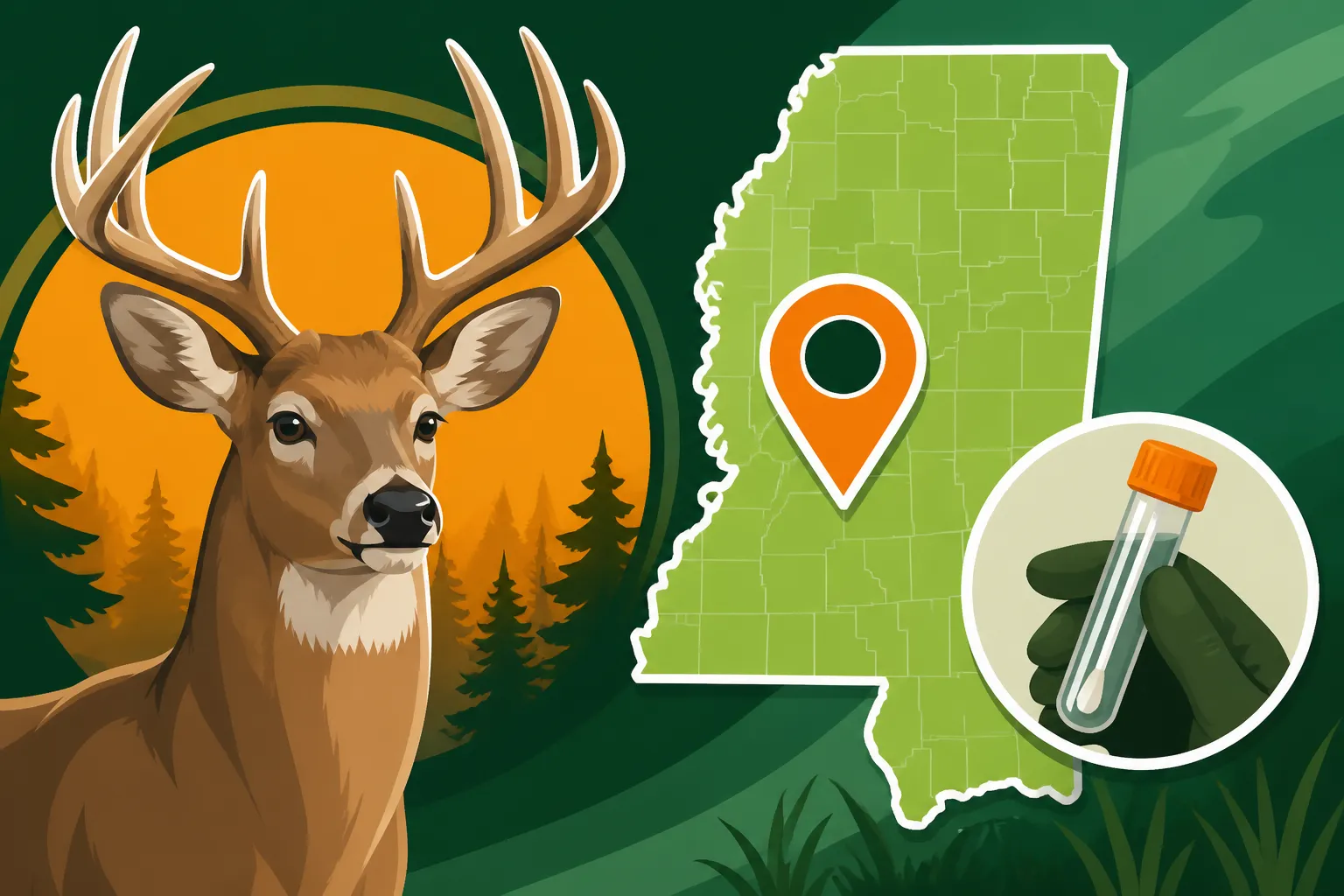
Discovering Chronic Wasting Disease (CWD) in Mississippi has cast a shadow of uncertainty over many hunters, and knowing where to take your harvested deer for sampling can feel like an extra burden on top of an already busy hunting season. It's frustrating to want to do the right thing for the herd and the future of hunting, only to be met with confusion about the process. This guide is here to cut through that complexity, walking you through everything you need to know about finding and utilizing CWD sampling locations across our great state.
Understanding Mississippi's CWD Zones and Why Testing Matters
When CWD first reared its head in Mississippi, it sent ripples of concern through every hunting camp and deer lease. This isn't just another disease; it's a neurological condition that's always fatal for deer, elk, and moose, and it poses a serious threat to the health and sustainability of our cherished white-tailed deer population. As responsible stewards of our wildlife, understanding where CWD is, why we test for it, and how to participate in monitoring efforts is paramount.
The Spread of CWD in Mississippi
It’s a tough pill to swallow, but CWD has indeed made its way into Mississippi. The first positive case was confirmed in 2018, specifically in the North Central Unit, and since then, the Mississippi Department of Wildlife, Fisheries, and Parks (MDWFP) has worked tirelessly to track its spread. Initially, it was primarily concentrated in the northern part of the state. These areas became designated "CWD Management Zones" because of the confirmed presence of the disease. We’re talking about counties like Benton, Marshall, Lafayette, and others, which now have specific regulations hunters need to follow. The disease isn't static, though; it moves, and new cases have led to other areas, such as those covered in Why Warren and Claiborne Joined the CWD Zone, being added to the management zones.
The insidious nature of CWD is that it can take a long time for an infected deer to show any outward symptoms. This means a seemingly healthy deer could still be carrying and spreading the disease. That’s why robust testing efforts are so critical, especially in and around known CWD zones. The MDWFP publishes regular updates on How Many Deer Have Tested CWD-Positive Since 2018, giving hunters a clear picture of the ongoing situation. It's a continuous battle, and every hunter's participation, even if just by being informed, makes a significant difference.
Mandatory Versus Voluntary Testing
Now, this is where it can get a little tricky, and it’s a point of frequent confusion for many hunters. Generally speaking, if you harvest a deer within a designated CWD Management Zone, testing for CWD is either highly encouraged or, in some specific instances and timeframes, becomes mandatory. The MDWFP sometimes implements special mandatory sampling weekends or periods, especially during opening weekends of gun season, in counties with elevated CWD risk. For instance, you might find that during Mandatory Testing Inside a Mississippi CWD Zone, certain requirements kick in.
Outside of these mandatory periods or specific CWD zones, testing is often voluntary, but it’s still incredibly important. If you hunt in a county adjacent to a CWD zone, or even further afield and just want peace of mind, submitting a sample is a responsible choice. It helps MDWFP gather more data, track potential spread, and adjust management strategies. Think of it as contributing to a larger scientific effort to protect our deer herd for generations to come. Even if you’re not in a CWD-specific zone, knowing Mississippi's Chronic Wasting Disease Zones helps you understand the bigger picture.
The Importance of Early Detection
You might be wondering why all this fuss about CWD. The simple truth is, early detection is our best defense against this disease. Because CWD is so slow-acting, by the time a deer starts showing symptoms like emaciation, excessive drooling, or a lack of fear of humans, it's likely been infected for months, if not years, and potentially spread the prions (the infectious agents) into the environment. These prions can persist in the soil for extended periods, infecting other deer.
The sooner we identify a new positive case, the sooner wildlife managers can implement targeted strategies to slow the spread. This could involve increasing harvest quotas for does to reduce overall deer density in affected areas, or even placing stricter antler restrictions to protect younger bucks that haven't had as much time to be exposed. When you submit a sample, you're not just getting a test result for your deer; you're providing a vital piece of the puzzle that MDWFP uses to protect the entire herd. It's a shared responsibility that benefits everyone who loves Mississippi's outdoors, and it goes hand-in-hand with understanding Mississippi Carcass Movement Restrictions to prevent further spread.
Navigating the MDWFP Resources for Sampling Locations
Okay, so you've harvested a deer, and you want to do your part by getting it tested. Now what? The good news is that the MDWFP has made a concerted effort to provide clear, accessible information on where and how to get your deer sampled. You don't have to wander aimlessly or rely on word-of-mouth.
Utilizing the MDWFP Website and App
The absolute best place to start your search for a CWD sampling location is the official MDWFP website. They maintain a dedicated CWD section that is regularly updated with current information, including maps of CWD zones, lists of sampling sites, and mandatory testing periods. When you're planning your hunt, especially if you're venturing into unfamiliar territory, it's a smart move to check this resource first. The site typically features an interactive map where you can punch in your location or the county you'll be hunting in, and it will show you the closest available sampling stations.
Beyond the website, the MDWFP has a fantastic mobile app that can be an invaluable tool. It's more than just a place to buy your licenses; it often includes layers for CWD zones and sampling locations directly on its mapping interface. This is incredibly handy when you're out in the field and might not have access to a computer. You can use it for Scouting Mississippi Public Land Before Season and identify potential CWD sampling spots simultaneously. Even if you find yourself in an area with spotty service, remember that many features of the MDWFP app, like downloaded maps and regulations, can still be accessed, as detailed in Using the MDWFP App Without Cell Service. For hunters who utilize advanced mapping platforms like GoHunt, you can often overlay public land boundaries and even identify CWD zones, which complements the MDWFP resources by giving you a comprehensive view of your hunting area and nearby sampling options.
Types of Sampling Locations Available
The MDWFP understands that hunters come from all corners of the state and often hunt far from home. To make sampling as convenient as possible, they offer several types of locations:
- Self-Serve Drop-Off Freezers: These are perhaps the most common and convenient options. Scattered throughout CWD Management Zones and surrounding counties, these freezers are available 24/7 during hunting season. You typically find them at specific MDWFP offices, some public land check stations, or even at local businesses that partner with the MDWFP. You’ll need to debone the head and leave it in a provided bag with specific information about your harvest (date, location, sex of the deer, hunter info). It’s crucial to follow the instructions precisely to ensure your sample is processed correctly.
- Manned Sampling Stations: During peak periods, especially opening weekends of gun season or specific mandatory testing periods in CWD zones, MDWFP staff or volunteers will set up manned stations. These are fantastic because personnel are on hand to guide you through the process, answer questions, and often help with the sample collection. These are typically listed on the MDWFP website and app, along with their operating hours.
- Participating Taxidermists and Processors: Many local businesses that cater to hunters also play a vital role in CWD surveillance. Numerous taxidermists and meat processors are trained and authorized to collect CWD samples. This is a huge convenience, as you’re likely already taking your deer to one of these establishments. It’s always a good idea to call ahead to confirm if your preferred business participates and what their specific procedures are. This option is often highlighted in resources like Which Taxidermists Take CWD Samples. When you're calling ahead, you can also inquire if they partner with platforms like GoHunt to streamline the process.
Here's a quick reference table for common sampling location types:
| Location Type | Availability | Staff On-Site? | Best For | Considerations |
|---|---|---|---|---|
| Self-Serve Drop-Off Freezer | 24/7 during season | No | Convenience, off-peak times | Must collect sample yourself, proper labeling is critical |
| Manned Sampling Station | Limited hours/dates | Yes | Guidance, questions answered, mandatory periods | Check operating schedule; can have lines during peak times |
| Taxidermist/Processor | Business hours | Yes | Integrated with processing/mounting, expert help | Confirm participation & procedures, often requires full head for sample |
Step-by-Step for Submitting a Sample
Submitting a CWD sample is straightforward once you know the steps. Let's walk through it, keeping in mind that slight variations might occur depending on the specific location or current MDWFP guidelines.
First, prepare your deer. For most self-serve drop-off freezers, you'll need to remove the head of the deer. The MDWFP typically wants the head with about 4-6 inches of neck attached. Make sure to keep it cool; either refrigerate or ice it down if you can't get it to a station immediately. For taxidermists or manned stations, they often prefer the whole head, but always verify beforehand.
Next, locate your nearest sampling station. Use the MDWFP website or app. If you're a GoHunt user, you can often cross-reference information to find the most convenient spot. Pay attention to whether it's a self-serve freezer, a manned station, or a participating business. Note any operating hours or specific instructions.
When you arrive at a self-serve freezer, you'll find sampling kits or instructions. These usually include a plastic bag for the head, a zip-tie or seal, and a tag or form. Fill out the tag completely and accurately. This is crucial! It will ask for your name, contact information, the date of harvest, the county and nearest town of harvest, the sex of the deer, and possibly GPS coordinates if you have them. Attach the tag securely to the head, often around the antler base or ear.
Then, place the head (or specified part) into the provided bag, seal it, and place it in the freezer. If it’s a manned station, staff will assist you with this entire process. If you’re at a taxidermist or processor, they will take care of the sampling, but you'll still need to provide all the harvest details.
Finally, understand the results process. The MDWFP typically processes samples in batches, and it can take several weeks, sometimes longer during peak season, to get results back. You won't automatically get a call if your deer tests negative. Usually, you'll only be contacted if your deer tests positive. However, you can often check the status of your sample online using a tracking number provided at the sampling station. If you have any concerns about your deer, especially if it was acting strangely, remember you can always contact the MDWFP to Reporting a Sick Animal in Mississippi.
Practical Tips for Finding and Using CWD Sampling Stations
Successfully navigating CWD testing means being proactive. A little preparation goes a long way in ensuring a smooth experience and doing your part for Mississippi's deer herd.
Planning Ahead for Your Hunt
Don't wait until you have a deer on the ground to figure out where to get it tested. Incorporate CWD sampling into your pre-hunt planning, just like you would scouting for deer movement or setting up your treestand. Before you ever leave the house, check the MDWFP CWD website for the latest zone maps and sampling locations relevant to your hunting area. If you're using a digital mapping tool like GoHunt, take a few minutes to mark potential sampling sites as waypoints. This way, if you harvest a deer, you already have a plan.
Consider the time of year and day you'll be hunting. If you're hunting during an anticipated mandatory testing weekend in a CWD zone, know the hours of the manned stations. If you're hunting during the week or late in the evening, a 24/7 self-serve freezer might be your only option. Knowing this beforehand helps you decide if you need to carry a small cooler with ice in your truck for temporary storage. This foresight is especially helpful when you're pursuing deer in specific units, like when you're focusing on Hunting the Rut in the Delta Unit or trying to get a late-season deer in the Hills Unit, as testing needs might vary slightly.
What to Bring to a Sampling Location
Being prepared at the sampling station saves time and prevents headaches. Here's a checklist of what you should typically have with you:
- The Deer Head: Prepared as required (often with 4-6 inches of neck attached for self-serve freezers, or the whole head for taxidermists). Make sure it's kept cool.
- A Pen: For filling out any forms or tags. Don't rely on one being available at a self-serve station.
- Your Hunting License/ID: You might need your hunting license number or other identification details for the sample tag.
- Accurate Harvest Information: This includes the exact date, county, and nearest town where the deer was harvested. If you have GPS coordinates, even better!
- Gloves: Disposable gloves are a good idea for handling the deer head and maintaining hygiene.
- A Cooler with Ice (Optional but Recommended): Especially if you have a longer drive to the sampling station, keeping the head cool is important.
Always double-check the MDWFP website or the specific instructions at the sampling site, as requirements can occasionally change. Having all your information readily available, much like how you keep tabs on your license validity via How Long a Mississippi License Stays Valid, will make the process quicker and ensure your sample is recorded correctly.
Interpreting Your CWD Test Results
After you've submitted your sample, the waiting game begins. As mentioned, the MDWFP typically only contacts hunters whose deer test positive for CWD. If you don't hear anything after several weeks (they often provide an estimated turnaround time on their website), you can usually assume your deer tested negative. Many hunters find peace of mind by checking the online portal for their sample status.
If, by chance, your deer does test positive, the MDWFP will reach out to you directly. This is not a punitive measure; it's part of the disease management strategy. They will provide guidance on what this means for you, any meat from the deer you might have retained, and what actions might be taken in the harvest area. It's important to be aware of Handling Venison From a CWD Management Zone if you are ever in this unfortunate situation, as there are specific recommendations to ensure safety and prevent further spread. Remember, CWD prions are concentrated in brain and spinal tissues, so muscle meat is generally considered safe to consume, but always follow MDWFP and CDC guidelines. This entire process is about transparency and collective effort to safeguard our hunting heritage in Mississippi.
Disclaimer
The information provided in this guide is intended for general informational purposes only and is subject to change. Hunting regulations, CWD zones, and sampling procedures are determined by the Mississippi Department of Wildlife, Fisheries, and Parks (MDWFP) and can be updated periodically. Hunters are strongly encouraged to always consult the official MDWFP website, current hunting regulations, and any specific advisories before and during their hunt to ensure compliance with all applicable laws and safety guidelines.