Mississippi Deer Bag Limit Rules
One of the most common headaches for deer hunters in Mississippi isn't just finding a mature buck or getting a gobbler to respond, it's making sure you're crystal clear on the ever-changing bag limits. With different units, specific antler restrictions, and special seasons all playing a role, it's easy to get turned around. This comprehensive guide is here to untangle all the ins and outs of Mississippi's deer bag limit rules, ensuring you stay legal and confident in the field.
Understanding Mississippi's Statewide Deer Bag Limit
When you first dive into Mississippi's deer regulations, it can feel like you need a law degree just to understand what you can and can't harvest. But at its heart, the state sets a baseline, a statewide deer bag limit that all hunters operate under, with variations applied based on specific deer management units and hunting methods. This foundational understanding is key before you start drilling down into the more nuanced rules.
The General Rule for Antlered Bucks
Across Mississippi, hunters are generally allowed to harvest a certain number of antlered bucks per season. For most of the state, this means a hunter can take three antlered bucks per annual season. However, there's a crucial detail that often trips up new hunters or those accustomed to other states' rules: for a deer to be considered "antlered" and count towards this limit, it must have at least one visible antler above the hairline. This isn't just about feeling like you've got a legal buck; it's about physically seeing that hard horn protruding. So, if you're out in the timber and you spot a deer, that quick glance needs to confirm an antler before you even think about raising your rifle or drawing your bow. It’s a moment of truth where you quickly evaluate if it's a "legal buck" in terms of antler presence. This statewide limit forms the bedrock, but as we'll see, the size of those antlers becomes a factor in certain areas.
The General Rule for Antlerless Deer Does
While antlered buck limits get a lot of attention, the rules for antlerless deer, or does, are just as vital for healthy herd management and for filling your freezer. Statewide, Mississippi typically has a very liberal antlerless bag limit, with hunters often allowed to harvest one doe per day from specific dates, or even unlimited does during certain seasons, depending on the unit you're hunting in. This is a huge benefit for hunters looking to put venison on the table, but it also plays a critical role in controlling deer populations and ensuring the health of the herd. When deer numbers get too high, especially does, it can lead to overbrowsing of habitat, increased disease transmission, and a decline in overall deer health and antler quality. So, while it feels great to harvest a mature doe, you're also actively participating in sound wildlife management. Always check the current regulations for the specific unit and season you plan to hunt to confirm the daily and seasonal antlerless limits, as these can vary significantly to address local population dynamics.
Navigating Bag Limits by Mississippi's Deer Management Units
Mississippi isn't a "one-size-fits-all" state when it comes to deer hunting. To effectively manage its diverse deer populations and habitats, the Mississippi Department of Wildlife, Fisheries, and Parks (MDWFP) has divided the state into four distinct deer management units: the Delta, Hills, Southeast, and North Central. Each of these units has its own unique set of regulations, and understanding these differences is absolutely crucial for staying legal and maximizing your hunting opportunities. This segmented approach means that a rule that applies in one part of the state might be completely different just a few miles down the road. It’s important to familiarize yourself with Mississippi's Four Deer Management Units to ensure you're always following the local guidelines.
Delta Unit Specifics and Restrictions
The Delta Unit is legendary for its rich, fertile soil and the potential for producing truly massive bucks. Because of this, the MDWFP implements some of the most stringent antler restrictions in the state here, aimed at allowing younger bucks to mature and express their full genetic potential. For example, hunters in the Delta Unit are typically limited to harvesting one antlered buck per season, and that buck must meet a specific minimum antler requirement. The most famous of these is the "Delta Unit Twelve-Inch Spread Rule Explained," which often stipulates that a legal buck must have an inside spread of at least 12 inches or one main beam length of at least 15 inches.
These rules fundamentally change the way you hunt. Instead of just looking for "horns," you're looking for specific antler dimensions. It means you need to practice your field judging skills, potentially carrying a rangefinder or using an optic with a reticle to estimate spread or beam length before taking a shot. This can be frustrating when a decent buck walks out, but if it doesn't meet the spread or beam length, you have to let it walk. The idea is to pass on those younger, smaller-racked bucks, giving them another year or two to grow into true giants. This commitment to quality over quantity is what makes hunting in the Delta both challenging and incredibly rewarding, albeit sometimes requiring a strong dose of patience.
Hills and Southeast Unit Regulations
Moving away from the Delta, the Hills Unit and Southeast Unit present different landscapes and, consequently, different deer management strategies. In the Hills Unit, which covers much of the central and northern part of the state, the antler restrictions are generally a bit more relaxed than in the Delta, but still designed to promote buck age structure. Here, you might find rules like the "Hills and Southeast Unit Antler Restriction Rules" which often allow hunters to harvest one antlered buck with a main beam length of at least 10 inches or an inside spread of at least 13 inches, and then two additional antlered bucks that do not have to meet those specific criteria (provided they have at least one visible antler above the hairline). This offers a bit more flexibility while still encouraging the protection of younger, smaller-racked deer.
The Southeast Unit, known for its piney woods and mixed timber, often shares similar regulations to the Hills Unit but can have its own unique season lengths. For instance, sometimes you'll find an Hunting the Extended Southeast Unit Archery Window, which gives archers a longer opportunity. Like the Hills, the focus here is on balanced management, allowing for reasonable buck harvest while also ensuring sufficient does are taken to keep the population in check. Hunters in these units often have more opportunities to harvest multiple bucks, but it's still crucial to confirm the specific antler requirements and overall bag limits for your chosen unit before heading afield. The nuance between these units means that what's legal in Starkville might not be legal down by Hattiesburg, so always know your local rules.
North Central Unit Considerations
The North Central Unit typically encompasses the more northern, hillier regions, often characterized by a mix of agriculture and hardwood forests. Regulations here are often designed to balance hunting pressure with local herd dynamics. Historically, the North Central Unit has had antler restrictions similar to the Hills Unit, allowing for a good balance of opportunity and quality deer management. Hunters should always check the North Central Unit Season Rules for the current year, as regulations can be tweaked based on population surveys, harvest data, and disease management efforts.
For example, while the statewide bag limit on antlered bucks is usually three, specific units like the North Central might have nuances in how those three bucks can be harvested in terms of antler size. You might take one "quality" buck that meets specific criteria and then two "any legal buck" (meaning visible antler above the hairline) deer. The intent behind these varying regulations across the state's units is to tailor management strategies to the unique habitat and deer populations in each region. It’s a dynamic process, and knowing your specific unit, which you can often determine by Finding Which Deer Unit Your County Sits In, is the first step to a successful and legal hunt.
Special Seasons and Their Impact on Bag Limits
Beyond the general statewide rules and unit-specific antler restrictions, Mississippi's hunting calendar is dotted with special seasons that offer unique opportunities and, often, their own distinct bag limits. These specialized windows—archery, muzzleloader, and youth seasons—are designed to provide diverse hunting experiences, manage herd populations effectively, and encourage participation from different hunter demographics. Understanding how these seasons affect your overall bag limit is just as important as knowing the general rules.
Archery Season Bag Limits
Archery season is often the first opportunity for deer hunters to hit the woods in Mississippi, typically opening well before the gun seasons. This early start, combined with the challenge of bowhunting, often comes with slightly different bag limit structures. During Mississippi's Archery Season Dates by Unit, archers generally have the same statewide antlered buck limit (three bucks, with unit-specific antler restrictions applying), but they might have more liberal antlerless harvest opportunities. In many units, archers are permitted to take one antlerless deer per day during the entire archery season, allowing ample chances to fill the freezer before gun season even begins.
This more generous doe limit during archery season serves a dual purpose: it offers hunters a longer window to harvest does, which is crucial for population control, and it provides bowhunters with more action. The stealth and skill required for archery hunting mean that success rates, particularly for mature bucks, can be lower than during gun seasons, so a liberal doe harvest can make an archery season feel very productive. Hunters must, however, ensure they adhere strictly to the daily limits and any specific unit rules, even for antlerless deer. Remember, just because it’s archery season doesn't mean all rules go out the window; it means understanding a slightly different set of parameters.
Muzzleloader and Youth Season Rules
Muzzleloader season in Mississippi typically offers a distinct period of hunting, often allowing "any legal deer" harvest during a specific window. This means that during the designated Mississippi Muzzleloader Season Rules period, hunters using muzzleloading firearms are often permitted to take either an antlered or antlerless deer, counting towards their overall seasonal bag limits. The "any legal deer" designation is a significant advantage, particularly for hunters in units with stricter antler restrictions during gun season, as it can simplify the harvest decision. However, the statewide bag limit for antlered bucks (three, with unit-specific restrictions still applying) and the daily doe limit still apply. It's not a free-for-all, but it does offer more flexibility compared to some highly restricted gun seasons.
The Mississippi Youth Gun Season Rules are another vital component of the state's deer hunting framework. These special youth weekends are designed specifically to introduce young hunters (typically 15 years old and under) to hunting in a less pressured environment, often before the main gun season opens. During these youth hunts, participants are usually allowed to take any legal deer, which often means an antlered buck (without antler restrictions) and one antlerless deer per day, counting towards their season limit. This relaxed approach for youth hunters removes some of the complexities, allowing them to focus on safety, shot placement, and the thrill of the hunt. It’s a fantastic way to pass on our hunting heritage, but adult mentors must be vigilant in ensuring youth hunters understand and follow these specific, often more lenient, regulations.
Bonus Antlerless Tags and Their Use
In certain areas or during specific periods, the MDWFP might offer what are sometimes called "bonus" antlerless tags or more liberal doe harvesting opportunities beyond the standard daily limits. These opportunities are often implemented in regions where deer populations are particularly high, or in Mississippi's Chronic Wasting Disease Zones where increased harvest is encouraged to help manage disease spread. The purpose is always rooted in effective population management, ensuring that doe numbers don't outgrow the available habitat or contribute to the spread of disease.
These "bonus" opportunities aren't always explicitly called "bonus tags" in the regulations but manifest as extended periods of "one antlerless per day" or even "unlimited antlerless" in specific zones for a limited time. Hunters interested in maximizing their antlerless harvest should keep a close eye on the MDWFP's annual regulations booklet, which will detail if and where these expanded opportunities are available. For instance, specific WMAs or counties might have different antlerless rules than the broader unit they are located within. Always check for specific rules on Mississippi Bonus Antlerless Tag Purchase Rules or equivalent expanded doe harvest options, as they can represent a significant opportunity for venison and herd management.
Chronic Wasting Disease CWD and Bag Limit Adjustments
Chronic Wasting Disease (CWD) is a serious concern for deer herds across North America, and Mississippi is actively managing its impact. Since its detection in Mississippi, CWD has profoundly influenced how the MDWFP approaches deer management, including making adjustments to bag limits in affected areas. This isn't just about protecting the herd; it's about safeguarding the future of deer hunting in our state.
CWD Zone Specific Bag Limit Implications
When a county or region is designated as a CWD Management Zone, you can almost guarantee that the deer regulations for that area will change. The primary goal in these zones is to reduce deer density, as a higher concentration of deer can facilitate the spread of the disease. Consequently, the MDWFP often implements more liberal bag limits within Mississippi's Chronic Wasting Disease Zones. This can mean increasing the antlered buck limit (though this is less common) or, more frequently, significantly increasing the antlerless deer harvest opportunities.
For example, in a CWD Management Zone, hunters might be allowed to harvest multiple antlerless deer per day, or even "unlimited" does during certain periods, far beyond what's permitted in non-CWD areas. The idea is to incentivize hunters to remove more deer from the landscape, thereby reducing the chances of CWD transmission between animals. This strategy empowers hunters to be part of the solution, actively participating in disease management while still enjoying their time in the woods and filling their freezers. It's a critical adjustment, and ignoring these specific CWD zone rules could lead to missed opportunities or, worse, non-compliance.
Mandatory Reporting and Testing's Role
Beyond adjusted bag limits, CWD Management Zones also come with stricter requirements for hunters once a deer is harvested. One of the most important aspects is Mississippi Deer Reporting Requirements, which become even more critical in CWD zones. Hunters are generally required to report their harvest to the MDWFP, often through their mobile app, within a specified timeframe. This data helps wildlife biologists track harvest rates and monitor the overall health of the herd.
Furthermore, within CWD zones, mandatory CWD testing of harvested deer is often implemented. This means hunters must take their deer (or at least the head) to an MDWFP sampling station or designated taxidermist for testing. This process is inconvenient for hunters, but it's vital for understanding the prevalence and spread of the disease. The results from these mandatory tests directly inform future management decisions, including potential adjustments to bag limits and season structures. So, when you harvest a deer in a CWD zone, your responsibilities extend beyond just processing the animal; you become an integral part of the state's disease surveillance efforts. It's an extra step, but a necessary one to ensure the long-term health of Mississippi's deer population.
Practical Tips for Staying Compliant and Informed
Navigating Mississippi's deer bag limit rules can feel like a moving target, with statewide limits, unit-specific restrictions, and special season nuances all demanding your attention. But staying informed and compliant isn't just about avoiding a fine; it's about being an ethical, responsible hunter who contributes positively to wildlife conservation. Here are some practical tips to help you keep everything straight.
Utilizing the MDWFP Website and App
In this digital age, staying informed has never been easier, thanks to the resources provided by the Mississippi Department of Wildlife, Fisheries, and Parks (MDWFP). Your first and most reliable source for current bag limits, season dates, and unit-specific rules should always be the official MDWFP website. They publish an annual hunting guide that outlines all regulations in detail. However, even better is their mobile app. The MDWFP app is a game-changer for hunters, offering immediate access to regulations, the ability to check in your harvest (which we'll discuss next), and often a mapping feature that can help you identify which deer unit your current location falls within.
Before every season, and even before each hunting trip if you're crossing unit boundaries, take the time to review the current regulations. Don't rely on what you remember from last year, or what your buddy said. Rules can, and do, change. While excellent mapping and hunting apps like GoHunt can provide incredibly useful overlays for public land boundaries, parcel ownership, and even basic regulation summaries, it is always wise to double-check their information against the official MDWFP website or app for the most accurate and up-to-date bag limits and season dates. Think of these commercial apps as fantastic planning tools, but the MDWFP is the definitive authority.
Keeping Track of Your Harvest
With varying bag limits for antlered and antlerless deer, and potential differences across units, actively keeping track of your personal harvest is absolutely critical. You certainly don't want to accidentally exceed your limit and find yourself in a bind. A simple notebook, a note on your phone, or even a small laminated card with your unit's rules can be incredibly helpful. Make it a habit to jot down each deer you harvest, noting the date, whether it was antlered or antlerless, and the unit.
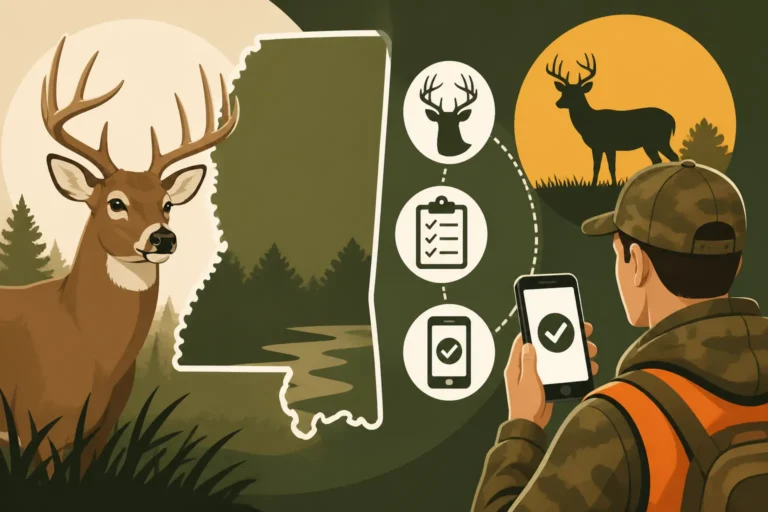
Beyond personal tracking, remember that Reporting a Deer Through Mississippi's App is mandatory for most harvested deer. This isn't just a suggestion; it's a legal requirement and a vital part of the MDWFP's data collection efforts. Reporting your harvest ensures that wildlife biologists have accurate information to assess deer populations, understand harvest trends, and make informed decisions about future regulations, including bag limits. The app makes this process relatively straightforward, often requiring just a few pieces of information like the species, sex, date of harvest, and county. Don't wait until the last minute; report your deer as soon as reasonably possible after the harvest. Being meticulous about reporting not only keeps you legal but also contributes directly to the sustainable management of Mississippi's deer herd for generations to come.
Mississippi Deer Bag Limits at a Glance
To help you quickly reference the general rules we've discussed, here's a simplified table outlining the typical bag limits for antlered and antlerless deer across Mississippi's main management units. Remember, these are general guidelines, and it's imperative to consult the current year's MDWFP regulations for precise dates and any new or modified rules.
| Deer Management Unit | Antlered Buck Limit (Annual) | Antlerless Deer Limit (Daily) | Antler Restriction Notes |
|---|---|---|---|
| Statewide General | 3 Antlered Bucks | Varies by unit/season | Buck must have at least one visible antler above the hairline. |
| Delta Unit | 1 Antlered Buck | Typically 1 Doe per day | Buck must meet 12" inside spread OR 15" main beam length. |
| Hills Unit | 3 Antlered Bucks | Typically 1 Doe per day | 1st buck: 10" main beam OR 13" inside spread. Next 2 bucks: any legal antlered. |
| Southeast Unit | 3 Antlered Bucks | Typically 1 Doe per day | 1st buck: 10" main beam OR 13" inside spread. Next 2 bucks: any legal antlered. |
| North Central Unit | 3 Antlered Bucks | Typically 1 Doe per day | 1st buck: 10" main beam OR 13" inside spread. Next 2 bucks: any legal antlered. |
| CWD Zones | Unit-specific, check current regs | Often Liberalized | Specific rules apply; increased doe harvest encouraged. Mandatory testing usually required. |
Note: "Any legal antlered" generally means at least one antler visible above the hairline, without further size restrictions. Always check the official MDWFP regulations for the most accurate and up-to-date information for your specific hunting dates and location.
Disclaimer
The information provided in this guide is intended for general informational purposes only and does not constitute legal advice. Hunting regulations in Mississippi are subject to change by the Mississippi Department of Wildlife, Fisheries, and Parks (MDWFP). Hunters are solely responsible for understanding and complying with all current state and federal hunting laws and regulations before engaging in any hunting activities. Always consult the official MDWFP website or their latest hunting guide for the most accurate and up-to-date information.