Mississippi Delta Unit Archery Dates
One of the biggest headaches for deer hunters in Mississippi is keeping up with all the different season dates and regulations, especially when you start looking at the various management units. It’s easy to get turned around, particularly with the Delta Unit, which often has its own unique set of rules. This guide is here to clear up any confusion you might have about the Mississippi Delta Unit archery dates, making sure you know exactly when you can hit the woods with your bow.
Understanding Mississippi's Deer Management Units
Before we dive into the nitty-gritty of archery dates, it’s really important to understand why Mississippi has different deer management units in the first place. The Mississippi Department of Wildlife, Fisheries, and Parks (MDWFP) doesn't just draw lines on a map arbitrarily. These units are designed to manage deer populations based on the specific habitat, genetics, and hunting pressure found in different regions of our great state. If you've ever wondered why things feel different from one county to the next, this is often the reason. It’s all part of a larger strategy to maintain a healthy and sustainable deer herd for generations of hunters. This system can be a lot to grasp at first, but once you get the hang of it, you'll see how it makes sense.
The Four Units at a Glance
Mississippi is primarily broken down into four major deer management units: the Delta, Hills, Southeast, and North Central. Each one has distinct characteristics that influence deer growth, population density, and, consequently, the hunting regulations. For example, the Hills Unit, with its rolling timber and diverse terrain, is a completely different ballgame than the vast, flat agricultural lands of the Delta. Knowing these differences helps you anticipate what to expect and plan your hunts accordingly. This approach ensures that regulations are tailored to local conditions, rather than a one-size-fits-all rule that might not work everywhere.
Why the Delta Unit is Unique
The Delta Unit, stretching across the rich, alluvial floodplains of the Mississippi River, is truly in a league of its own. This region is renowned for its fertile soils, massive bottomland hardwoods, and extensive agricultural fields – think corn, soybeans, and rice as far as the eye can see. This abundance of high-quality food, combined with excellent cover, allows deer in the Delta to reach impressive body sizes and develop substantial antlers, often at younger ages than in other parts of the state. Because of this unique environment, the MDWFP has specific regulations, like antler restrictions, designed to protect younger bucks and allow them to mature, leading to those truly trophy-class animals the Delta is famous for. If you're hunting the Delta Unit, you're experiencing a hunting environment unlike almost anywhere else in Mississippi. It’s a place where careful management really pays off, giving hunters the chance at some truly impressive whitetails.
Specifics of Delta Unit Archery Dates
Alright, let's get down to brass tacks: when can you actually hunt deer with your bow in the Mississippi Delta Unit? This is where many hunters get tripped up, because the dates can sometimes shift slightly year to year, or there might be special considerations. Always double-check the current hunting digest, but generally, the Delta Unit follows a pretty consistent pattern for its archery season. Knowing these dates is absolutely crucial for planning your vacation time, scouting trips, and getting your gear ready. It’s the first step in a successful deer season.
General Archery Season Opening and Closing
For the Delta Unit, the archery-only deer season typically kicks off on October 1st. This is a statewide opener for archery, but it’s particularly exciting in the Delta as it signals the start of the primary deer season. This early start gives bowhunters a fantastic opportunity to get in the woods before the gun season pressure begins. The archery season then runs continuously until the gun season begins, which usually falls around the Saturday before Thanksgiving. After that, the archery season often reopens for a late-season stretch, running alongside the gun season and extending into late January or even early February, providing a long window for bowhunters. This extended archery season, often running concurrently with parts of the gun season, means you’ve got a lot of flexibility. It allows for opportunities to hunt during periods when deer are less pressured by firearms, or to take advantage of the late-season food sources.
Variations and Considerations
While the October 1st opener is a staple, there can be subtle variations or special circumstances to keep an eye on. For instance, some Wildlife Management Areas (WMAs) within the Delta Unit might have slightly different archery dates or specific quota hunts you need to apply for. Always, and I mean always, check the specific WMA regulations if you plan to hunt public land like Sunflower WMA. Moreover, pay attention to the youth gun weekend dates, as these short periods can briefly interrupt or modify archery-only periods, even if archery remains legal during those times. The key takeaway here is that while the general dates are a great starting point, the devil is in the details, so always cross-reference with the latest MDWFP regulations before you head out. Websites and apps like GoHunt can be invaluable resources for quickly checking these details and staying informed about any last-minute changes or clarifications. They often have maps and regulation summaries that can make planning much easier than sifting through endless PDF documents.
Key Regulations and What Hunters Need to Know
Beyond just knowing when you can hunt, understanding what you can legally harvest and how to report it is paramount. The Delta Unit has some very specific rules designed to manage its unique deer herd, and ignoring these could lead to serious consequences. We're talking about antler restrictions and bag limits that are different from other units, so don't assume what's legal in the Hills is legal in the Delta. Being a responsible hunter means knowing and following these rules to the letter.
Antler Restrictions in the Delta
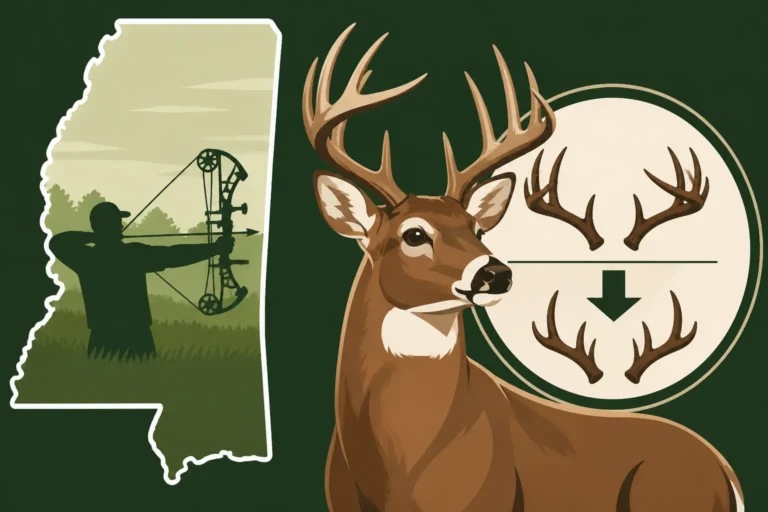
This is perhaps the most talked-about regulation in the Delta Unit: the antler restriction. To help grow and protect younger bucks, the Delta Unit requires that any buck harvested must have at least a 12-inch main beam spread OR a main beam length of at least 15 inches. This "12-inch spread rule" is designed to encourage hunters to pass on younger bucks, giving them another year or two to reach their full potential. It might feel restrictive at first, especially when a decent-looking buck walks by, but it’s truly a game-changer for the quality of the deer herd. Learning how to gauge a deer's antler spread by eye can be tricky in the heat of the moment, so practice judging deer on trail camera photos or even during shed hunting trips. This rule directly contributes to why the Delta is known for producing big bucks, by ensuring those young, up-and-coming deer make it to maturity. Understanding the Delta Unit Twelve-Inch Spread Rule Explained is vital for any hunter heading into this region.
Archery Bag Limits and Harvest Reporting
For deer in the Delta Unit, the statewide bag limit usually applies, which means you can harvest one antlered buck and three antlerless deer per annual season across all seasons combined (archery, primitive weapon, and gun). However, there's always the caveat that specific WMAs or private lands under special management programs might have different bag limits, so always confirm.
Once you’ve successfully harvested a deer, the next crucial step is reporting it to the MDWFP. In Mississippi, all harvested deer must be reported online or via the MDWFP mobile app within 72 hours of harvest, and prior to any processing that would prevent the determination of species, sex, or antler status. This is not just a suggestion; it's a mandatory part of hunting in our state. The data collected from these reports is incredibly important for wildlife biologists to monitor deer populations, track harvest trends, and make informed management decisions. It’s really simple to do, especially with the MDWFP app, which makes Reporting a Deer Through Mississippi's App a quick process even when you’re still out in the field. Don't let the excitement of the hunt make you forget this critical step; it's a core responsibility of every hunter.
Here’s a quick summary of the Delta Unit Archery Dates and Key Regulations:
| Category | Detail |
|---|---|
| Archery Season Opens | October 1st |
| Archery Season Closes | Typically before Gun Season, then reopens concurrently until late January/early February |
| Antler Restriction | Buck must have 12-inch main beam spread OR 15-inch main beam length |
| Antlered Bag Limit | 1 antlered buck per annual season (statewide) |
| Antlerless Bag Limit | 3 antlerless deer per annual season (statewide) |
| Harvest Reporting | Mandatory, within 72 hours of harvest, via MDWFP app/online |
Strategies for Hunting During the Delta Archery Season
Now that you know the dates and the rules, let's talk strategy. Archery hunting in the Mississippi Delta, especially during the long season, presents unique opportunities and challenges. The weather can be fickle, the deer patterns can shift, and the sheer vastness of the landscape demands smart planning. Whether you're focused on early season patterns or hoping to catch the tail end of the rut, having a solid plan will greatly increase your odds of success. Using tools like GoHunt can provide satellite imagery and land ownership maps that are absolutely essential for scouting and planning your hunts effectively, especially when you're Hanging a Stand on a Delta Bottomland Funnel or trying to predict deer movement around agricultural fields.
Early Season Tactics
When October 1st rolls around, Mississippi, especially the Delta, can still be pretty warm. Early season archery hunting is often characterized by hot weather and deer that are still on a fairly consistent summer pattern, primarily focused on food and water. Your best bet during this time is to key in on reliable food sources, such as acorns dropping from giant oak trees in bottomland hardwoods, or freshly cut agricultural fields where deer are browsing on leftover grains or new growth. Water sources are also magnets when it's warm.
Focus on morning and late-afternoon hunts, as deer movement will be highest during the cooler parts of the day. Setting up along natural travel corridors leading to and from these food and water sources is crucial. Consider using a ground blind or a well-brushed-in treestand to minimize your scent and silhouette. Patience is key; deer might not move as far or as frequently in the heat. Learning how to scout effectively and anticipate early season deer movement is critical, so checking out resources like Scouting Mississippi Public Land Before Season can give you a real edge.
Mid-Season and Rut Considerations
As the calendar pushes into late October and November, things start to change dramatically. Temperatures drop, and deer begin to shift their focus from pure sustenance to breeding. The rut in the Delta Unit typically peaks in late December and early January, but you'll start seeing pre-rut activity and increased buck movement well before that. This mid-season period, especially leading into and during the gun season, offers some of the best opportunities for bowhunters. Bucks become less cautious, more driven by the urge to breed, and are often seen cruising for does during daylight hours.
During this time, shift your focus from solely food sources to areas where does congregate, as well as natural funnels and pinch points that bucks will use to travel. Calling tactics like rattling and grunting can become incredibly effective. Understanding Hunting the Rut in the Delta Unit is critical for maximizing your chances. Look for fresh scrapes and rubs, which are clear signs of buck activity. While the gun season brings more hunters into the woods, the Delta’s vast tracts of timber and thick cover mean there are still plenty of unpressured areas where a savvy bowhunter can find success. Consider deeper penetrations into areas where others might not venture, especially when you're targeting areas like Where Delta National Forest Bucks Bed.
Disclaimer
Please remember that hunting regulations can change. While I strive to provide the most accurate and up-to-date information, it is always your responsibility as a hunter to consult the official Mississippi Department of Wildlife, Fisheries, and Parks (MDWFP) hunting guide and website for the current season's regulations before heading afield. This guide is for informational purposes only and should not be considered a substitute for official MDWFP publications.