Why Mississippi Extended the 2026 Turkey Season
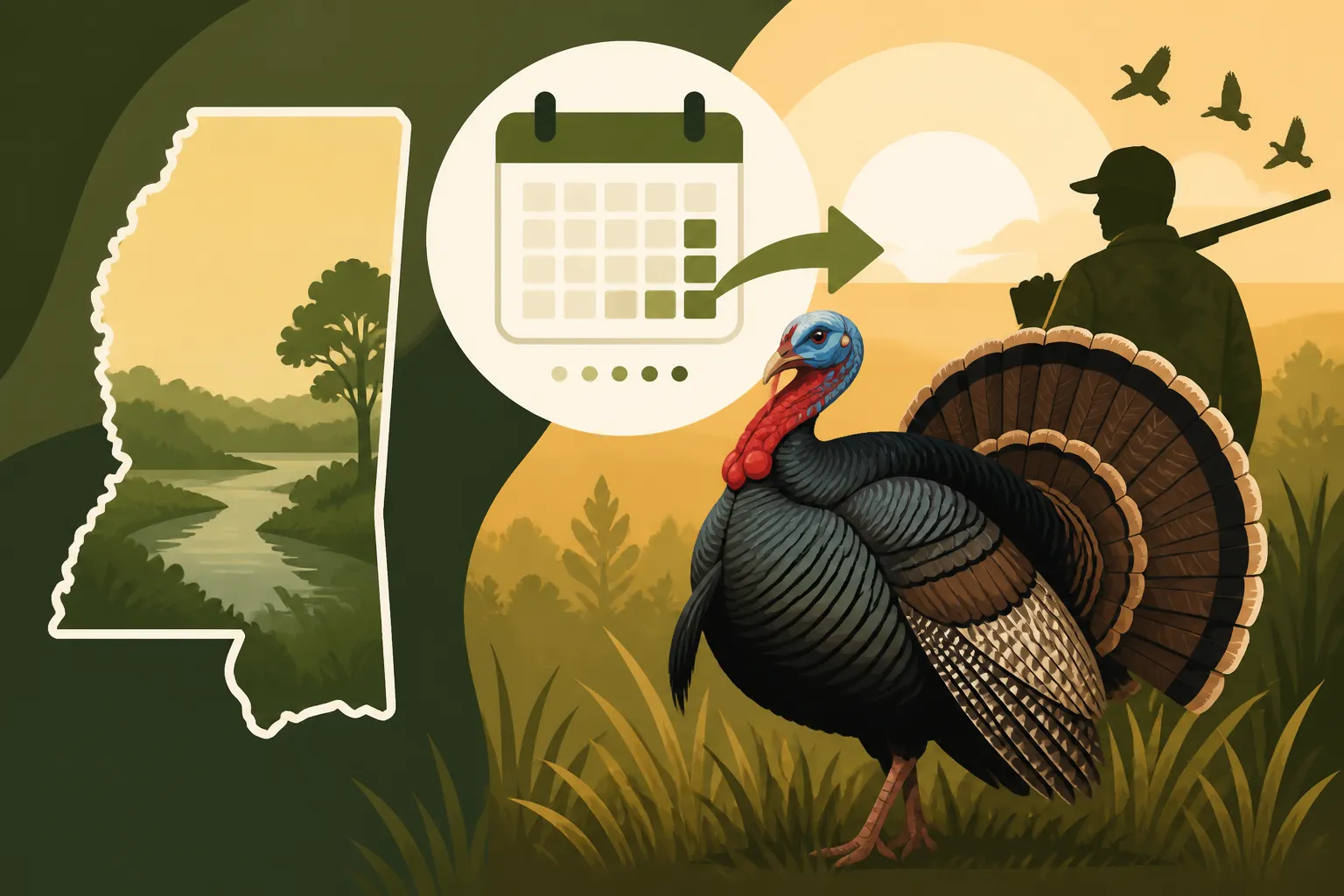
For many of us who live and breathe turkey season, any change to the calendar can feel like a curveball. You spend months anticipating those first gobblers of spring, scouting hard, and dialing in your calls, only to wonder if the dates you've memorized are still accurate. The good news for Mississippi hunters looking ahead to 2026 is an exciting one: the spring turkey season has been extended. This isn't just a random shift; it's a carefully considered decision by the Mississippi Department of Wildlife, Fisheries, and Parks (MDWFP) based on a blend of science, hunter feedback, and a shared vision for robust turkey populations. Let's dig into the details of why this extension happened and what it means for your time in the woods.
Understanding the MDWFP's Role in Season Setting
When it comes to setting hunting seasons, the MDWFP isn't just pulling dates out of a hat. There's a dedicated team of biologists and wildlife managers constantly at work, gathering data, analyzing trends, and collaborating with various stakeholders. It's a complex process designed to ensure that hunting opportunities are sustainable for the long haul, meaning healthy game populations for future generations of hunters.
The Annual Review Process
Every year, long before a new hunting season opens, the MDWFP undertakes a rigorous review process. This isn't just a quick glance at last year's numbers; it's a deep dive into a vast amount of biological data. Biologists are consistently in the field, conducting surveys, monitoring turkey populations, and assessing habitat conditions across the state. They're looking at everything from weather patterns impacting nesting success to predator populations that might affect poult survival. This intensive data collection, often aided by technology and partnerships with landowners and conservation organizations, forms the bedrock of their decision-making.
Beyond field observations, there's a significant analytical component. The MDWFP meticulously compiles and analyzes harvest reports, hunter surveys, and long-term population trends. Every piece of information, from the age structure of harvested gobblers to the geographical distribution of turkey sightings, contributes to a comprehensive picture of the health and trajectory of Mississippi's wild turkey populations. This science-backed approach is designed to be as objective as possible, aiming for decisions that benefit both the wildlife and the hunting community.
Balancing Biologics and Hunter Opportunity
One of the most delicate and challenging aspects of the MDWFP's job is striking a balance between biological sustainability and hunter opportunity. As hunters, we all naturally want as much time afield as possible, chasing those elusive gobblers. However, if the turkey population can't sustain a particular level of harvest or season length, then it's not good for anyone in the long run. The MDWFP continually walks this tightrope, sometimes making difficult calls to restrict seasons or reduce bag limits when data suggests a need for conservation, and other times, as in the case of the 2026 turkey season, expanding opportunities when the science supports it.
The decision to extend the 2026 season suggests that recent population data indicated a healthy and robust turkey population that could withstand additional hunting pressure without compromising the breeding stock. This isn't a decision made lightly; it's about leveraging periods of strong turkey numbers to provide more recreation for hunters while upholding the fundamental commitment to responsible wildlife management. It’s this careful consideration that shapes crucial regulations like the overall Mississippi Spring Turkey Season Rules.
The Data Behind the Decision: Turkey Population Trends
The extension of the 2026 turkey season is a direct reflection of positive trends observed in Mississippi's wild turkey populations. Wildlife agencies rely on specific biological indicators to gauge the health of a species, and for turkeys, these metrics are closely scrutinized.
Poult-to-Hen Ratios and What They Mean
One of the most critical indicators for turkey population health is the poult-to-hen ratio. This metric refers to the number of young turkeys, or poults, observed per hen during summer brood surveys. A high poult-to-hen ratio signals strong reproductive success and good poult survival, meaning a healthy influx of new birds will be recruited into the population in the coming years. Conversely, a low ratio can be a red flag, indicating poor nesting success, high poult mortality due to environmental factors, or increased predation.
For the MDWFP to feel confident in extending the 2026 season, it's highly probable that recent poult-to-hen ratios have been consistently favorable. This would indicate that hens are successfully hatching broods and that a good percentage of those poults are surviving to adulthood. This robust recruitment gives biologists the green light to allow for a slightly longer hunting period without fear of overharvesting or negatively impacting the breeding population. Understanding these vital metrics is fundamental to grasping the bigger picture of Poult-to-Hen Ratios and What They Mean.
Mississippi Turkey Harvest Numbers
Harvest data provides another essential piece of the puzzle. Every year, hunters are required to report their turkey harvests, and this information is meticulously collected and analyzed by the MDWFP. These numbers offer real-time feedback on the turkey population's status. If harvest numbers remain stable or show a healthy increase over several seasons, it reinforces the notion of a thriving population. However, any significant decline would prompt a closer look and potentially lead to more conservative regulations.
While there can be year-to-year fluctuations, a decision to extend a season implies that overall harvest trends have been manageable and sustainable within the context of the larger population. It’s worth noting that data can be complex; for example, if the previous year saw a dip, like when Why the 2025 Turkey Harvest Fell Eleven Percent occurred, but subsequent brood surveys showed a strong rebound, an extension becomes a reasonable response. The MDWFP uses these trends not just to react to the past, but to project future population dynamics and adjust regulations proactively. Hunters can even use tools like GoHunt to track publicly available harvest data to get their own insights into state-wide trends.
Nest Predation and Mississippi Turkey Hatches
Beyond the direct count of poults and harvested birds, biologists closely monitor factors that influence these numbers, particularly nest predation and environmental impacts on hatches. Wild turkey nests and young poults are highly vulnerable to a variety of predators, including raccoons, opossums, coyotes, bobcats, and even feral hogs. Furthermore, adverse weather conditions, such as prolonged heavy spring rains that can flood nests or unusually cold snaps, can significantly reduce nesting success and poult survival rates.
The decision to extend the 2026 season for turkeys strongly suggests that recent environmental conditions have been relatively favorable for nesting and poult survival, and perhaps predator impacts were within sustainable levels. When these crucial variables align – good weather, fewer major predation events – it leads to healthier turkey populations. This in turn allows the MDWFP to consider regulatory changes like season extensions without jeopardizing the long-term health of Mississippi Turkey Population Trends. It's a testament to good habitat management and favorable natural conditions coming together.
Hunter Feedback and Conservation Goals
While scientific data is the primary driver behind wildlife management decisions, the input and engagement of the hunting community also play a significant role. The MDWFP values hunter feedback, recognizing that those who spend the most time afield often have unique insights into local turkey populations and hunting conditions.
Public Comment Periods and Hunter Surveys
The MDWFP doesn't make decisions in a vacuum. They actively seek input from hunters and the general public through a variety of channels, including public meetings, online surveys, and direct communication. Hunters are truly the eyes and ears on the ground, and their observations regarding turkey activity, population density in specific areas, and the overall hunting experience provide invaluable qualitative data. This feedback, while not always the sole determinant, helps the MDWFP understand the human dimensions of wildlife management and shape regulations that are not only biologically sound but also have the support and buy-in of the hunting community.
Engaging hunters in the decision-making process is crucial for fostering a strong conservation ethic. When hunters feel heard and have opportunities to contribute their perspectives, they are more likely to understand, support, and adhere to wildlife regulations. This collaborative approach builds trust and strengthens the partnership between the state agency and those who are most passionate about Mississippi's wildlife resources.
Addressing Hunter Frustrations
For many years, a common refrain from passionate turkey hunters has been the desire for longer seasons, particularly when they believe the population can support it. The traditional season lengths, while rooted in sound biological principles, can sometimes feel restrictive, especially if bad weather, personal commitments, or other unforeseen circumstances limit a hunter's time in the woods during the prime gobbling periods. An extended season provides much-needed flexibility and additional days to pursue turkeys, which is often a welcome change.
Therefore, the extension of the 2026 turkey season can be seen as a direct response to both the positive population data collected by biologists and the consistent requests and feedback from the hunting community. It demonstrates the MDWFP's responsiveness to the needs and desires of hunters while maintaining its unwavering commitment to responsible and sustainable wildlife management. When science and hunter sentiment align in this way, it creates a desirable outcome—more opportunity to pursue a Mississippi Adult Turkey Bag Limit and enjoy the cherished tradition of spring turkey hunting.
How the Extension Impacts Your Hunting Strategy
An extended season isn't just more days; it's an opportunity to adapt your approach and employ new tactics as turkeys shift their behaviors. Making the most of those extra days requires a bit of strategic thinking.
Hunting the Extended Final Weekend
That added final weekend of the season can be absolutely invaluable, especially if you've been battling bad weather earlier in the spring or haven't yet punched your tags. However, by this point in the season, those gobblers have heard every call and seen every trick in the book. They're what we call "pressured birds" – much warier and less likely to respond aggressively to typical calling sequences. You'll need to significantly adjust your tactics if you want to be successful. Forget the aggressive cutting and loud yelps that might work on opening day. Instead, opt for subtler, more infrequent calling. A soft tree yelp, a series of quiet clucks and purrs, or a gentle purr from a mouth call might be all it takes to pique a gobbler's curiosity without spooking him. These birds have learned their lessons, so mimic a cautious, lonely hen, not a whole flock.
Beyond calling, focus on stealth and patience. Turkeys are often in smaller groups or alone at this stage, and they'll be using dense cover. Identify areas with thick vegetation, water sources, and any remaining late-season food sources, as these spots become prime real estate. Approach your setups quietly, blend seamlessly into your surroundings, and be prepared for long sits. The extra time is perfect for those who truly enjoy the chess match of working a smart, call-shy gobbler. For more in-depth strategies on making the most of those crucial last days, our guide on Hunting the Extended Final Weekend offers some great insights.
Late-Season Food Sources
As spring progresses into late April and early May, the natural food landscape for turkeys undergoes a significant transformation. What attracted them in early spring, like fresh green-ups, might no longer be their primary focus. This shift requires hunters to recalibrate their scouting and hunting efforts. Turkeys, especially hens and jakes, will start keying in on different types of sustenance. Look for areas rich in insects, which become a vital protein source. Recently disturbed ground, such as along logging roads, powerline cuts, or newly tilled fields, can be insect magnets.
Another overlooked late-season food source can be young acorns from the previous fall that might still be present in certain areas. Bottomlands and hardwood ridges can hold these residual treats. Knowing where these crucial Late-Season Food Sources for Mississippi Whitetails are located can be a game-changer for turkey hunting too, as deer and turkeys often share food preferences. It’s all about adaptability and understanding the subtle changes in the environment. If you've been using mapping tools like GoHunt, now is the time to identify those diverse habitat types on your hunting grounds and focus your scouting efforts there, looking for edges where different food sources converge.
Adjusting Your Calling Tactics
By the extended final weekend, Mississippi gobblers have essentially earned a PhD in "hunter avoidance." They’ve heard every kind of friction call, box call, and mouth call imaginable. Relying on the same aggressive tactics you might have used on opening weekend is often a recipe for frustration. Instead, think subtle. Your goal isn't to shock them into gobbling, but to softly entice them into believing there's a real hen nearby. Quiet clucks, soft purrs, and subdued yelps are your best friends. These calls mimic the sound of a lone, cautious hen moving through the woods, which is far more realistic for a pressured bird.
Strategic positioning becomes even more critical when your calling is minimal. Set up in known travel corridors, along field edges where turkeys might be looking for food, or near traditional strut zones, and let the calling be a secondary element to your concealment and patience. Sometimes, the best call you can make is no call at all, letting curiosity and natural movement bring the bird to you. Alternatively, focusing on silent approaches and getting close to known roost sites can be effective. Our guide on Roost Hunting Mississippi Gobblers can provide valuable insights into getting tight with birds before the sun comes up, allowing for a soft, enticing call at daylight.
Looking Ahead: Future Season Adjustments
The extension of the 2026 spring turkey season is a positive development for hunters, but it's important to remember that wildlife management is an ongoing process. These decisions are dynamic and adaptable, reflecting the ever-changing health of wildlife populations and environmental conditions.
Ongoing Monitoring and Research
It's crucial to understand that the extension for the 2026 season is not a permanent guarantee for all future seasons. The MDWFP will continue its rigorous program of monitoring and research, collecting new data on turkey harvest rates, poult-to-hen ratios, population health, and habitat conditions year after year. Every season's data feeds into the next year's decisions. These decisions are dynamic, adapting to the current health of the turkey population and the evolving environmental conditions. Factors like extreme weather events, changes in predator populations, or widespread disease outbreaks can all influence future regulations.
Therefore, staying informed is critical for any dedicated turkey hunter. The MDWFP publishes annual reports and updates, and paying attention to these can provide valuable insights into potential future changes. Programs tracking metrics like Mississippi Turkey Brood Survey Results are vital for the MDWFP to make informed, data-driven decisions that ensure the long-term sustainability of turkey hunting in Mississippi. Platforms like GoHunt provide valuable mapping layers and data to help pinpoint potential turkey hot spots, but staying current on official MDWFP reports ensures you're aware of broader population health.
The Role of Habitat Management
While season lengths and bag limits are important tools for regulating harvest, the long-term health and abundance of Mississippi's wild turkey population ultimately depend on the quality and quantity of available habitat. Good habitat provides turkeys with essential resources throughout their life cycle: secure nesting cover to protect eggs from predators, abundant insect populations and diverse plant life for poults to thrive, and suitable roosting sites for mature birds. Without robust habitat, even the most carefully crafted hunting regulations cannot sustain a healthy and huntable turkey population.
Conservation efforts, often funded by hunting license fees, excise taxes on hunting equipment (through the Pittman-Robertson Act), and organizations like the National Wild Turkey Federation, focus heavily on improving and maintaining quality habitat across the state. This includes initiatives on public lands like Wildlife Management Areas (WMAs) and National Forests, as well as working with private landowners. Hunters themselves can play a significant role by supporting these land management initiatives, participating in habitat improvement projects, and practicing good land stewardship on private properties. This holistic approach ensures that future generations will continue to have ample opportunities for Spring Turkey Hunting in Mississippi. When you're planning your scouting trips, remember that apps like GoHunt can help you analyze terrain and vegetation patterns, giving you a better understanding of potential turkey habitat.
Mississippi Spring Turkey Season Outlook
| Season Component | 2025 (Previous) | 2026 (Extended) | Change | Significance |
|---|---|---|---|---|
| Approx. Season Start | March 15th | March 15th | No Change | Consistent traditional opener. |
| Approx. Season End | May 1st | May 5th | +4 Days | Provides additional weekend hunting opportunity. |
| Poult-to-Hen Ratios | (Historical Average) | (Projected Favorable) | Positive Trend | Indicates strong reproductive success. |
| Overall Population Trend | (Stable/Slight Decline) | (Improved/Stable) | Positive Rebound | Supports increased hunter opportunity. |
| Adult Gobbler Bag Limit | 3 adult gobblers | 3 adult gobblers | No Change | Focus on sustainable harvest, not increased limit. |
| Youth Season | Late Feb/Early March | Late Feb/Early March | No Change | Youth opportunities remain prioritized. |
Note: All dates and ratios are illustrative based on typical MDWFP season structures and potential data trends that would lead to a season extension. Always consult official MDWFP regulations for precise, current information.
Disclaimer
The information provided in this article is intended for general informational purposes only and does not constitute official legal advice or definitive regulatory guidance. Hunting regulations, season dates, and bag limits are subject to change. Always consult the most current official publications from the Mississippi Department of Wildlife, Fisheries, and Parks (MDWFP) or other relevant authorities before planning any hunting activity. It is the hunter's responsibility to know and obey all applicable laws and regulations.