Mississippi Junior Hunting License Rules
Bringing a young person into the world of hunting is one of the most rewarding experiences a parent or mentor can have, but let's be honest, navigating all the rules and regulations can feel like trying to track a ghost through a swamp. It's easy to get lost in the details, especially when it comes to specific age requirements, license types, and supervision mandates. This comprehensive guide is here to clear the mud, walking you through everything you need to know about Mississippi's junior hunting license rules, ensuring your young hunter is legal, safe, and ready for the field.
Understanding Mississippi's Junior Hunter Framework
Mississippi has a clear and commendable framework designed to introduce young hunters to the sport safely and legally. This isn't just about collecting fees; it's about fostering a new generation of ethical and responsible outdoors enthusiasts. Making sure your junior hunter fits within this framework is the very first step toward a successful season afield.
What Constitutes a Junior Hunter in Mississippi?
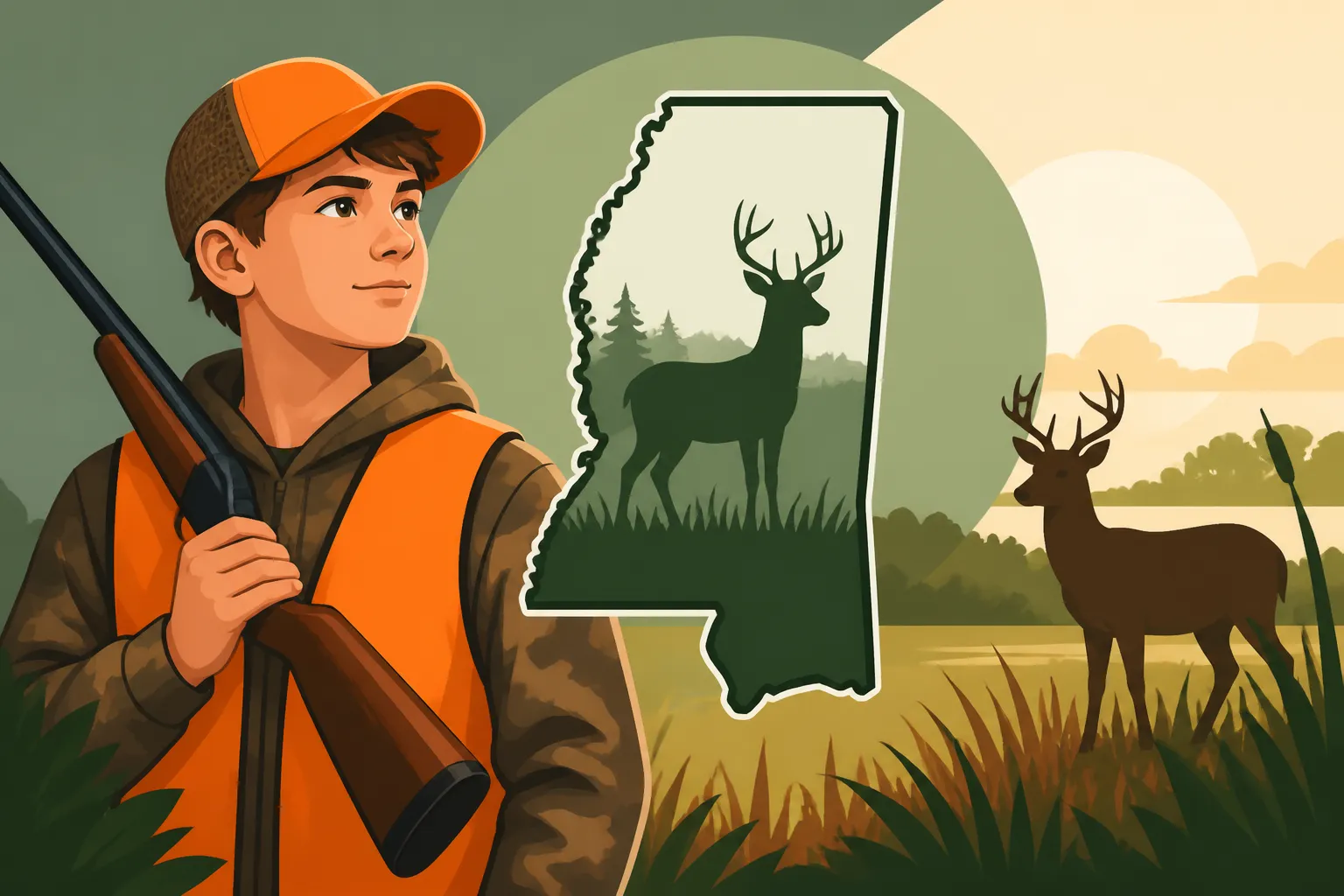
In Mississippi, a "junior hunter" generally refers to individuals between the ages of 12 and 15, inclusive. It’s a specific age bracket that comes with its own set of privileges and responsibilities. Before they turn 12, children can certainly accompany you into the field, observing and learning, but they won't typically be carrying a weapon or participating directly in the harvest as a licensed hunter. Once they hit that magical age of 12, they're officially eligible to start their journey as a licensed hunter under state law, often requiring a specific type of junior license. This designation acknowledges that while they're growing and learning, they still need a bit more guidance than an adult. The Mississippi Department of Wildlife, Fisheries, and Parks (MDWFP) has crafted these categories to ensure a smooth progression from fully supervised observation to independent, responsible hunting. It’s a thoughtful approach that aims to grow conservationists.
The progression typically looks like this: very young children can observe, then from about age 12, they can participate as licensed juniors, and finally, upon reaching 16, they transition into the adult license structure, often with the full expectation of having completed their hunter education. This phased approach helps build skills and confidence over time, rather than throwing them straight into the deep end. Understanding these age gates is crucial for planning your child's hunting future.
Why Junior Licenses Are So Important
You might wonder why a separate license is even necessary for kids, especially when they're often hunting with an adult. But junior licenses play a vital role beyond just legal compliance; they’re a cornerstone of responsible wildlife management and youth engagement. First and foremost, they help introduce young people to the legalities of hunting early on, instilling a sense of responsibility for adhering to regulations. It's not just "daddy's rules" in the woods; it's the law. This early exposure to the regulatory framework helps cement good habits from the start, setting them up to be ethical hunters for life.
Beyond that, these licenses are often offered at a significantly reduced cost, sometimes even for free, which removes a financial barrier for families wanting to introduce their children to hunting. This affordability is a huge draw, encouraging more families to get outdoors. From a conservation standpoint, the data collected from junior license sales helps the MDWFP understand youth participation trends, allowing them to tailor programs and allocate resources to ensure the future of hunting and wildlife populations. It's a win-win: families save money, kids get to hunt, and the MDWFP gathers crucial information for sustaining our natural resources for generations to come. It truly is a proactive measure to secure the future of our hunting heritage.
Navigating the Junior License Requirements and Costs
Getting your young hunter properly licensed doesn't have to be a headache. Mississippi makes it relatively straightforward, offering specific options that cater to the unique needs and learning phases of junior hunters. Let's break down exactly what you'll need and what it'll cost.
Specific Licenses Junior Hunters Need
For most Mississippi resident junior hunters aged 12-15, the primary requirement is typically a Junior Exempt License. Now, don't let the "exempt" part confuse you; it's still a required license you need to acquire, but it generally means they are exempt from paying certain fees that adults would for the base hunting license. While the base hunting privilege is "exempt," if your junior hunter plans on pursuing migratory birds (like doves or ducks) or hunting on a Wildlife Management Area (WMA), they will still need to purchase the relevant state stamps and permits. This includes the Mississippi Migratory Bird Stamp Cost and the Mississippi WMA Permit Requirement. It’s important to remember these additional stamps are usually not covered by the "exempt" status of the base junior license.
If your junior hunter falls outside the 12-15 age bracket or if you're looking for broader coverage without the "exempt" nuances, an All-Game License for juniors is also an option. This license covers all game and hunting on WMAs, often simplifying the process slightly by bundling some permissions. When planning a hunt, it's always a good idea to cross-reference the specific game you're targeting and the location with the MDWFP regulations. Tools like GoHunt can be incredibly useful here, providing quick access to regulation summaries and helping you ensure all necessary permits are in order before heading out. For instance, if your junior is eager to chase longbeards, they'll need to know about the Wild Turkey Stamp Cost in Mississippi on top of their base hunting privileges.
The Cost Breakdown for Junior Hunters
One of the great things about Mississippi's junior hunting program is the emphasis on affordability. The state recognizes that getting kids involved shouldn't be a financial burden. For resident juniors (ages 12-15), the Junior Exempt License itself is generally free. This is a massive help for families, making the initial step into hunting much more accessible. However, as mentioned, those additional stamps and permits for specific activities like migratory bird hunting or WMA access will still have a cost.
Let's look at a general comparison to put things in perspective:
| License Type | Resident Junior (12-15) Cost | Resident Adult Cost (Example) | Notes |
|---|---|---|---|
| Junior Exempt Hunting License | Free | N/A (Adults need All-Game) | Required for juniors, covers basic hunting privileges. |
| All-Game Hunting License | $20 (approx.) | $32 (approx.) | Covers all game, includes WMA. |
| Migratory Bird Stamp | $5 (approx.) | $10 (approx.) | Required for doves, ducks, etc. |
| WMA Permit | Included in All-Game or $15 | Included in All-Game or $15 | Required for hunting on Wildlife Management Areas. |
| Wild Turkey Stamp | $10 (approx.) | $10 (approx.) | Required for turkey hunting. |
Note: Costs are approximate and subject to change. Always check the current MDWFP regulations.
As you can see, while there might be some small additional costs for specialized hunting, the overall investment for a junior hunter is significantly lower than for an adult hunter who might be purchasing a Mississippi Resident Sportsman's License Cost or a Mississippi Nonresident All-Game License Cost. This cost-saving benefit helps families focus on the experience rather than the expense. You can purchase these licenses and permits easily online through the MDWFP website, or at authorized license retailers across the state, ensuring you're ready to hit the woods.
Supervised Hunting and Hunter Education for Juniors
Getting a license is just one piece of the puzzle. Ensuring your junior hunter learns the ropes safely and responsibly is paramount, and Mississippi has specific rules in place to guide this process, particularly concerning supervision and hunter education. It's about building knowledgeable, ethical hunters from the ground up.
The Apprentice Hunter Program and Supervision Rules
For those who haven't yet completed a hunter education course, Mississippi offers an excellent pathway: the Apprentice Hunter Program. This allows new hunters, including juniors, to experience hunting under the direct supervision of an experienced, licensed mentor before taking the hunter education course. It's a fantastic way to try out hunting to see if it's for them, or simply to get some practical field experience. An Apprentice Hunter License is available for a small fee, and it's a great tool to bridge the gap.
The key phrase here is "direct supervision." What does that mean in the field? It means the mentor must be close enough to the apprentice to provide immediate instruction and assistance, typically within a voice-range distance. They must also be a licensed hunter themselves, at least 21 years old, and have a valid hunting license for the current season. This isn't just about sharing a deer stand; it's about active, hands-on guidance. The mentor is responsible for the apprentice hunter's actions and safety, ensuring they understand firearm handling, target identification, and ethical shot placement. This mentorship is critical, especially when you're looking at things like Minimum Age for Unsupervised Mississippi Hunting, as an apprentice cannot hunt unsupervised. The bond formed during these hunts, with a seasoned hunter passing down knowledge, is truly special and irreplaceable.
Mandatory Hunter Education Requirements
While the Apprentice Hunter Program offers a flexible entry point, hunter education is ultimately a mandatory step for most Mississippi hunters, including juniors. Generally, anyone born on or after January 1, 1972, must complete a hunter education course before they can purchase a Mississippi hunting license to hunt unsupervised. This means that by the time your junior hunter turns 16 and wants to hunt on their own, they absolutely must have this certification. Even earlier, if they transition out of the apprentice program, they’ll need it. You can explore options for Taking Mississippi Hunter Education Online or find in-person courses offered across the state.
The course itself covers a wide range of essential topics: firearm safety, wildlife identification, hunting ethics, conservation principles, and even field care of game. It's a comprehensive program designed to equip new hunters with the knowledge and skills necessary to be safe and responsible. While the focus here is on juniors, it's worth noting the "1972 cutoff" for adults, which you can learn more about in Why Mississippi's Hunter Ed Cutoff Is 1972. For juniors, this course isn't just a hurdle; it's an investment in their safety and the future of hunting. Having this certification is what ultimately allows them to hunt without the strict "direct supervision" required by the apprentice program, opening up a world of independent hunting adventures as they mature. It also covers crucial topics like How Much Blaze Orange Mississippi Requires for safety.
Special Considerations and Opportunities for Junior Hunters
Mississippi isn't just about rules; it's also about creating incredible opportunities for young hunters. The MDWFP actively promotes youth involvement through special seasons and specific considerations designed to enhance their experience and success in the field.
Youth Hunting Weekends and Special Seasons
One of the absolute highlights for junior hunters in Mississippi is the allocation of special youth-only hunting weekends. These dedicated periods are a fantastic way to introduce kids to hunting without the pressure of competing with large numbers of adult hunters, which often accompanies opening days. For instance, there's a specific Hunting the Mississippi Youth Gun Weekend Dates for deer that typically occurs before the general gun season opens for adults. This provides an exclusive window for young hunters, often accompanied by a mentor, to get out and pursue deer when hunting pressure might be lower and deer movement more predictable.
These youth seasons aren't limited to just deer; there are often special opportunities for turkey hunting as well, giving junior hunters a head start on gobblers. These seasons are designed with success and safety in mind, offering a less crowded, more focused experience. It’s a chance for them to really absorb the lessons of the outdoors and build confidence without feeling overwhelmed. Always check the MDWFP regulations for exact dates and species included in these special youth windows, as they can vary slightly year to year. Utilizing platforms like GoHunt can help you keep track of these unique dates and plan your family's hunting calendar well in advance.
What Juniors Can Hunt and Bag Limits
Once licensed, junior hunters in Mississippi are generally eligible to pursue the same game species as adult hunters, including deer, turkey, small game (like squirrels and rabbits), and waterfowl. However, it’s vital to pay close attention to the specific bag limits and season dates, as there can be junior-specific rules or requirements that differ from the general regulations. For example, while the overall Mississippi Deer Bag Limit Rules apply, the youth gun weekend might have specific antler point restrictions or doe harvest allowances.
When it comes to turkey, there are often distinct Mississippi Youth Turkey Bag Limit Rules that might allow for a certain number of gobblers during a youth-only season that differs from the adult general season limits. It's not uncommon for youth limits to be slightly more conservative to ensure sustainability while still offering a great experience. For migratory birds, they'll need their migratory bird stamp and will follow the same daily and possession limits as adults for ducks, geese, and doves. Even something like Crossbow Rules During Mississippi Archery Season might be relevant if your junior hunter is interested in using different equipment. The key is to always consult the current MDWFP hunting guide or use reliable digital resources to confirm all regulations before each hunt. This ensures compliance and helps teach your junior hunter the importance of knowing the rules of the game, literally.
Disclaimer
Please remember that hunting regulations, license fees, and season dates are subject to change. Always consult the most current Mississippi Department of Wildlife, Fisheries, and Parks (MDWFP) official regulations guide before planning or engaging in any hunting activities. This article is intended for informational purposes only and should not be considered legal advice.