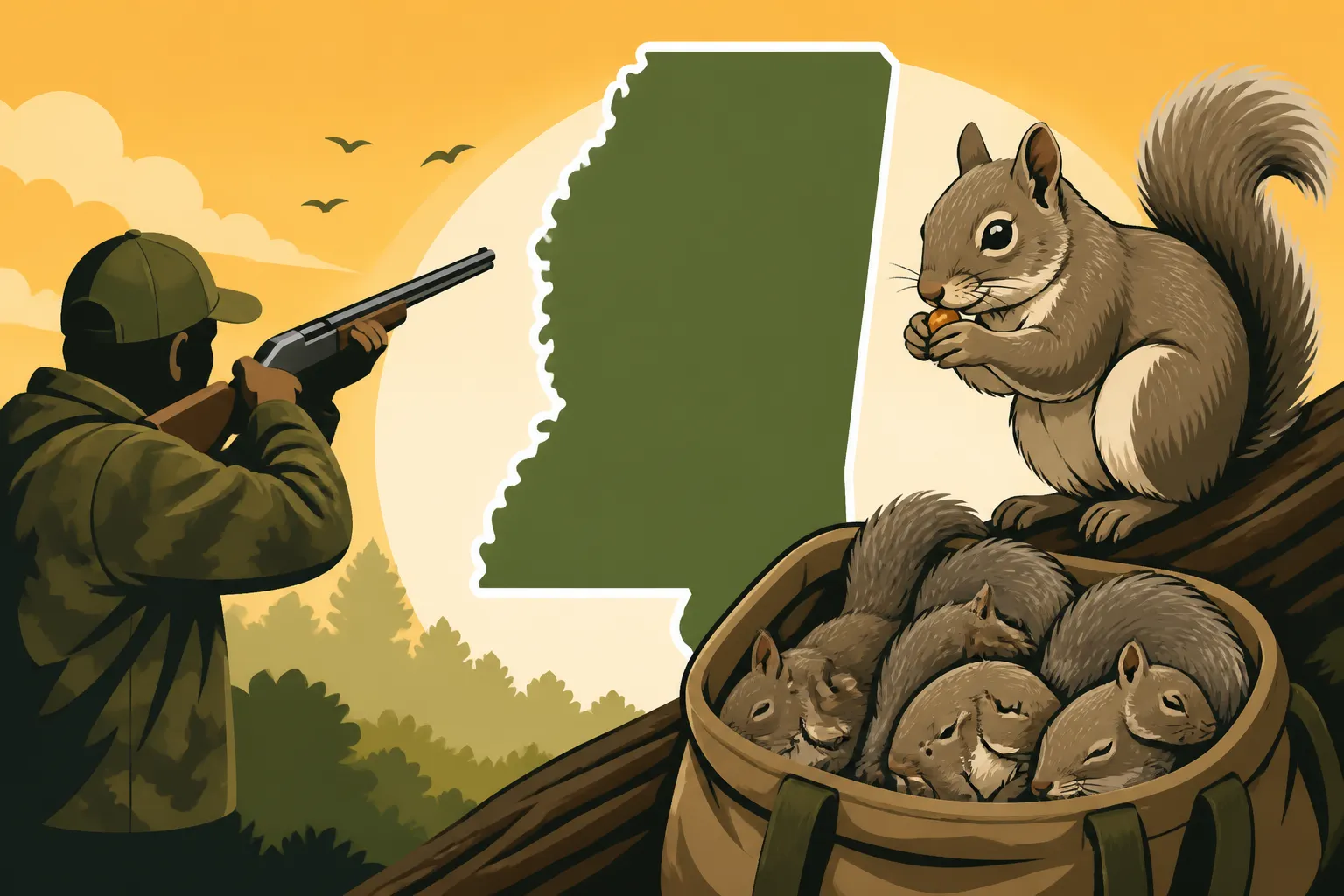
Mississippi Squirrel Daily Bag Limit
It’s easy to feel a bit lost in the weeds when trying to keep up with all the specific hunting regulations here in Mississippi, especially when you just want to enjoy a peaceful day in the timber chasing squirrels. No one wants to accidentally step over a line, right? This guide is designed to thoroughly explain the daily bag limit for squirrels in our state, ensuring you have all the facts to enjoy a legal and successful hunt, whether you're a seasoned pro or just getting started.
Understanding Mississippi's Small Game Regulations for Squirrels
The backbone of any successful and legal hunt is a clear understanding of the rules. For squirrel hunting in Mississippi, this means knowing not just the bag limit, but also the season dates and recognizing the species you’re pursuing. These regulations are designed to maintain healthy wildlife populations while offering abundant recreational opportunities for hunters.
The Current Daily Bag Limit for Squirrels in Mississippi
Let's cut right to the chase, because this is probably why you're here: the Mississippi Department of Wildlife, Fisheries, and Parks (MDWFP) has set the daily bag limit for squirrels at eight per hunter. This is a straightforward rule, meaning that each individual hunter, with a valid hunting license, can harvest a maximum of eight squirrels within a single day. This limit applies universally to all squirrel species legally hunted in Mississippi, whether you're targeting the common gray squirrel or the larger fox squirrel. They all count towards that same daily total.
This figure isn't just pulled out of thin air; it’s the result of careful biological assessment and wildlife management principles. Squirrel populations are monitored for their reproductive rates, habitat availability, and overall health to ensure that hunting pressure remains sustainable year after year. Adhering to this limit is a crucial part of being a responsible hunter and contributing to the long-term health of our state’s small game populations. When you’ve reached your eight-squirrel limit, it’s a clear signal to wrap up your hunt for the day, proud of the harvest you've responsibly taken.
Season Dates and Hunting Hours for Squirrels
Knowing the bag limit is vital, but equally important is understanding when you can legally hunt squirrels. Mississippi offers a generous squirrel season, typically opening in early October and extending well into the late winter, often through late February or early March. This extended season provides ample opportunity to get out and enjoy the woods, whether you prefer the vibrant colors of fall or the stark beauty of a winter landscape. However, it's absolutely critical to remember that these dates can vary slightly each year. Before heading out, always consult the most current Mississippi Hunting and Fishing Regulations handbook or the MDWFP's official website. Relying on memory or last year's dates is a common mistake that can lead to unintentional violations.
Regarding hunting hours, squirrel hunting generally aligns with the statewide regulations for most small game species: it is permitted from one-half hour before sunrise until one-half hour after sunset. This timeframe is strategically chosen to coincide with squirrels' most active periods—dawn and dusk—when they are typically foraging. It also ensures hunters are operating during periods of adequate light, contributing to safety. Utilizing a digital tool like the GoHunt app or the MDWFP app can be incredibly helpful for pinpointing precise sunrise and sunset times for your specific location, helping you stay within legal hunting hours with ease.
Distinguishing Between Squirrel Species in Mississippi
Mississippi is home to a couple of distinct squirrel species that hunters often pursue: the eastern gray squirrel and the fox squirrel. While both species contribute to the same daily bag limit of eight, recognizing their differences can add another layer of appreciation and knowledge to your hunting experience.
The eastern gray squirrel is probably the most commonly encountered, often referred to locally as a "cat squirrel." They are typically smaller and more slender than their fox squirrel cousins, with a predominant gray coat and a lighter, often white, belly. Gray squirrels are incredibly agile and are frequently seen in larger groups, often chattering and chasing each other through the canopy of mature hardwood forests, especially in areas rich with oaks and hickories. If you've ever spent time in a bottomland forest, you know how abundant these little guys can be. For those keen on specifics, a dedicated read on Gray Versus Fox Squirrels in Mississippi can truly enhance your field identification skills.
Fox squirrels, on the other hand, are considerably larger and more robust. Their coats can range from reddish-brown to a more vibrant orange, often with striking tawny or reddish bellies. They tend to be more solitary than gray squirrels and often spend more time foraging on the ground, especially in more open pine-oak woodlands, along field edges, or in smaller, scattered woodlots. Their larger size and slower movements sometimes make them an appealing target for hunters. Whether you're tracking a gray squirrel through a dense canopy or spotting a fox squirrel along a field edge, the 8-squirrel daily limit remains the same for either species or a combination of both. Understanding these differences simply enhances your connection to the diverse wildlife of Mississippi.
Why Bag Limits Exist: Conservation and Responsible Management
At first glance, a number like "eight squirrels" might seem arbitrary, but it's actually deeply rooted in modern wildlife conservation. Bag limits are far more than just rules; they are vital tools that ensure the longevity of our hunting heritage and the health of our natural ecosystems.
Population Management and Sustainable Harvest
The concept of a daily bag limit, like the one for squirrels, is fundamental to sound wildlife population management. The MDWFP employs biologists and wildlife managers who continuously gather data on squirrel populations throughout the state. They analyze factors such as birth rates, mortality rates, habitat quality, disease outbreaks, and even hunter harvest statistics. This comprehensive data allows them to estimate population trends and determine what level of harvest is sustainable without jeopardizing the species' ability to reproduce and thrive in the future.
This scientific approach ensures that we can continue to hunt squirrels year after year without depleting local populations or negatively impacting the overall health of the species. It’s a carefully calibrated balance, designed to allow hunters to enjoy the resource while acting as stewards of the environment. Think of it as managing a shared bank account; we can make withdrawals, but we need to ensure the principal amount remains healthy. This principle extends to all species and is a critical component of Mississippi Small Game Season Rules across the board. The funds from hunting licenses and tags, in fact, often directly support the research and management efforts that set these very limits.
Preventing Overharvest and Local Depletion
While squirrels are generally prolific and have relatively high reproductive rates, they are not immune to the effects of overhunting, especially in localized areas. Without bag limits, popular hunting spots—such as prime bottomland hardwoods rich in mast crops—could be subjected to intense hunting pressure that could quickly decimate local squirrel populations. This localized overharvest would not only diminish future hunting opportunities but could also disrupt the delicate balance of the ecosystem, as squirrels play a role in seed dispersal and serve as a food source for numerous predators.
The daily bag limit serves as a critical safeguard against such scenarios. By limiting the number of animals an individual can take, it distributes the overall harvest more evenly across the landscape and throughout the hunting season. This encourages hunters to explore different areas and to practice more selective harvesting, often focusing on quality over quantity. Ultimately, adhering to the bag limit means you are actively contributing to the health of the very woods you love to hunt. It ensures that when you return to a favorite spot—whether it's for Squirrel Hunting Delta Bottomland Hardwoods or a quiet pine stand—there will still be plenty of squirrels chattering and leaping through the branches for you and future generations to enjoy. It’s an investment in the future of Mississippi Squirrel and Rabbit Populations.
Hunter Ethics and Responsible Practices
Beyond the legal requirement, respecting and adhering to bag limits is a cornerstone of ethical hunting. Responsible hunting is about more than just staying within the letter of the law; it's about demonstrating respect for the game, the habitat, and the hunting tradition itself. Taking only what you need, and stopping once you've reached the prescribed limit, showcases a profound appreciation for the wildlife resource and a commitment to its conservation. It underscores that the joy of the hunt isn't solely about the harvest size, but about the entire experience—the challenge, the connection to nature, and the time spent outdoors.
This ethical approach also plays a significant role in public perception. When hunters are seen as disciplined, respectful, and committed to conservation, it reinforces the positive image of hunting as a legitimate and beneficial activity that contributes to wildlife management. Conversely, any perception of excessive or wasteful harvesting can undermine public trust and damage the reputation of the hunting community. Therefore, every time you meticulously count your squirrels and cease hunting after reaching your limit, you are not only abiding by the law but also upholding a long-standing tradition of ethical conduct that benefits all hunters and the wildlife we cherish.
Practical Tips for Adhering to the Bag Limit
Staying within the legal daily bag limit is straightforward, but a little pre-hunt planning and some smart in-field habits can make all the difference. Nobody wants to accidentally violate a regulation due to an oversight or miscount.
Pre-Hunt Planning and Gear Preparation
Effective preparation starts long before you step foot in the woods. First and foremost, ensure your Mississippi hunting license is current and valid for small game. This is non-negotiable. Next, dedicate time to thoroughly review the current year’s MDWFP hunting regulations. Don’t just glance at them; read the details concerning squirrel season dates, hunting hours, and any specific rules that might apply to the area you plan to hunt. A quick check on a reliable platform like GoHunt or the MDWFP’s official website right before the season kicks off can prevent any unpleasant surprises or accidental infringements.
Beyond the regulatory aspect, think about your gear. Comfortable, durable footwear is essential, as squirrel hunting often involves a good deal of walking and stalking. A .22 caliber rifle or a small-gauge shotgun (like a .410 or 20-gauge) are popular choices, coupled with appropriate ammunition. Don't forget a small game vest or a comfortable backpack equipped with a dedicated game pouch to carry your harvested squirrels. On warmer days, especially during the early season in October when Mississippi Squirrel Season Opening Day brings milder temperatures, having zip-top bags and a small cooler with ice in your vehicle can significantly help preserve the quality of the meat. Planning your intended route, verifying public land access, or securing explicit private land permission, and communicating individual limits with any hunting partners will ensure everyone stays organized and compliant. This meticulous planning is just as crucial as knowing how to spot a squirrel flicking its tail high in a Squirrel Hunting Delta Hickory Groves.
Field Counting and Keeping Track of Your Harvest
Once you're immersed in the excitement of a squirrel hunt, it can be surprisingly easy to lose track of your count, especially if squirrels are plentiful and the action is fast-paced. However, accurately adhering to that eight-squirrel daily bag limit demands a reliable system for keeping tally. A simple yet effective method is to use a small clicker counter, often used by anglers, or even to keep a designated number of shells in one pocket and move one to another pocket for each squirrel harvested. While some hunters rely on a mental count, a physical method offers greater accuracy and reduces the chance of accidental overharvest, particularly in target-rich environments.
If you are hunting with a group, clear communication is paramount. Remember, the limit of eight squirrels is per hunter, not a collective group limit. You cannot combine limits. So, if two licensed hunters are in your party, your group’s combined potential harvest is 16, but each individual must stop once they reach their personal limit of eight. Immediately securing a harvested squirrel in your game bag or vest not only keeps your game clean but also serves as a tangible reminder of your running tally. Imagine you’re experiencing one of those incredible mornings where How Early Season Squirrels Give Themselves Away with their distinctive barks, and you're quickly approaching your limit. Being keenly aware of your count allows you to proactively decide when to halt your hunt for the day, thereby preventing any accidental violations. It’s all about maintaining organization and discipline while enjoying the thrill of the chase.
Post-Hunt Processing and Reporting
After a successful hunt where you've conscientiously adhered to your daily bag limit, your responsibilities don't quite end. Proper post-hunt processing is essential for ethical hunting and for ensuring you get the highest quality meat from your efforts. Field dressing squirrels promptly, particularly on warmer days, can dramatically improve meat quality by facilitating cooling. Once you return to camp or home, skinning and butchering your squirrels for immediate cooking or freezing is the next logical step. If you're new to this, numerous online tutorials and experienced hunting mentors can guide you through the process, ensuring no part of your harvest goes to waste.
While Mississippi does not currently mandate harvest reporting for small game like squirrels, keeping a personal log of your hunts is an excellent practice. This personal record isn't merely for curiosity; it can help you track success rates, pinpoint productive hunting locations, and identify seasonal patterns. It's akin to creating your own personalized Reading a Mississippi Harvest Report, providing valuable insights for future hunts. Furthermore, if you hunted on a Wildlife Management Area (WMA), always verify if there are any specific sign-in or sign-out requirements, or any WMA-specific regulations that might diverge from statewide rules regarding game handling or transport. Awareness of these specific protocols is key to ensuring your entire hunting experience, from field to freezer, remains lawful and responsible.
Common Misconceptions and Avoiding Violations
Even experienced hunters can sometimes fall prey to common misunderstandings regarding regulations. Being aware of these potential pitfalls can save you from accidental violations and ensure a smoother hunting experience.
Confusion with Other Small Game Limits
One of the most frequent sources of confusion for hunters who pursue a variety of species is mistakenly applying the bag limit for one type of small game to another. While squirrels share their daily bag limit of eight with rabbits in Mississippi, other small game, particularly migratory birds like doves, have vastly different limits. For instance, the daily bag limit for doves is typically much higher, often 15 birds. It's incredibly easy to mix these numbers up, especially if you hunt multiple species throughout the year or switch between targets on a mixed-bag hunt.
To avoid this common pitfall, always consult the specific regulations for the species you are actively pursuing before each hunt. Never assume that the limit for one small game animal automatically applies to another. The MDWFP's annual regulations booklet or a reliable, up-to-date app like GoHunt are indispensable resources for quickly verifying these specific limits. If you're planning a day to target both squirrels and rabbits, you'll be tracking a cumulative total of eight for each species, not 16 for either. Such precision prevents inadvertent legal issues. The detailed rules outlined in the Mississippi Small Game Season Rules are your best friend here.
Public Versus Private Land Rules
The statewide daily bag limit of eight squirrels is consistent across both public and private lands in Mississippi. However, this uniformity in the bag limit doesn't mean all other rules are the same. Public hunting areas, such as National Forests or Wildlife Management Areas (WMAs), frequently have additional layers of regulations that can supersede or complement statewide rules. These might include specific access restrictions, different hunting hours on certain days, mandatory sign-in or sign-out procedures, or temporary closures for habitat management or prescribed burns.
For example, while the squirrel bag limit won't change on a WMA, there might be specific rules concerning vehicle parking, where you can place a tree stand, or even how you transport harvested game from a specific zone. You should always verify the specific regulations for the particular WMA or National Forest you intend to hunt. These are typically available on the MDWFP website, at entrance kiosks, or through the MDWFP app. For private land, while the state bag limit applies, your paramount concern must be having explicit, verifiable permission from the landowner. Hunting without permission is trespassing, a serious legal offense that carries severe penalties, regardless of whether you're observing the bag limit or not. Understanding these distinctions is crucial for a lawful and enjoyable hunt, whether you're spending your time Scouting Mississippi Public Land Before Season or negotiating access to a private woodlot.
Apprentice Hunter and Youth Hunter Considerations
Mississippi's commitment to fostering new hunters through programs like the apprentice hunting license is commendable. This program allows individuals, including youth, to hunt under the direct supervision of a licensed hunter without first completing a hunter education course. It’s an invaluable pathway for introducing newcomers to the outdoor traditions. However, it's vital to remember that the daily bag limit of eight squirrels applies individually to each apprentice hunter, just as it does to fully licensed hunters. An apprentice hunter's limit cannot be transferred or combined with their mentor's limit. Each person is accountable for their own harvest total.
Hunting with youth presents a fantastic opportunity to impart lessons on responsible hunting practices, including the critical importance of adhering to bag limits. Explaining the 'why' behind these regulations—conservation, ethical harvest, and ensuring future hunting opportunities—instills a deeper respect for wildlife and the sport. Managing multiple sets of individual limits during a group hunt with youth, perhaps even utilizing the Mississippi Apprentice Hunter License Rules, requires diligent communication and precise counting in the field. This hands-on teaching helps mold them into responsible, ethical hunters for life, preventing future issues like those detailed in Mississippi Wildlife Violation Penalties. It fosters a generation of hunters who understand that the true value of the hunt lies not just in the harvest, but in their role as stewards of the resource.
| Category | Detail |
|---|---|
| Species Covered | Eastern Gray Squirrel (Sciurus carolinensis), Fox Squirrel (Sciurus niger) |
| Daily Bag Limit | 8 squirrels per licensed hunter, per day |
| Season Dates | Typically early October through late February/early March (verify annually) |
| Hunting Hours | One-half hour before sunrise to one-half hour after sunset |
| License Required | Valid Mississippi hunting license (e.g., Resident Sportsman's, All-Game, Apprentice) |
| Public Land Rules | Statewide bag limit applies, but always check specific WMA/National Forest regulations for additional rules |
| Private Land Rules | Statewide bag limit applies, but requires explicit landowner permission |
| Harvest Reporting | Not mandatory for squirrels, but personal record-keeping is recommended |
Disclaimer
The information provided in this guide is for general informational purposes only and is subject to change. Hunting regulations, season dates, and bag limits are set by the Mississippi Department of Wildlife, Fisheries, and Parks (MDWFP) and can be updated annually or even during a season. It is the sole responsibility of each hunter to review and understand the current official Mississippi Hunting and Fishing Regulations prior to engaging in any hunting activities. Always consult the latest MDWFP regulations handbook or their official website for the most accurate and up-to-date information.