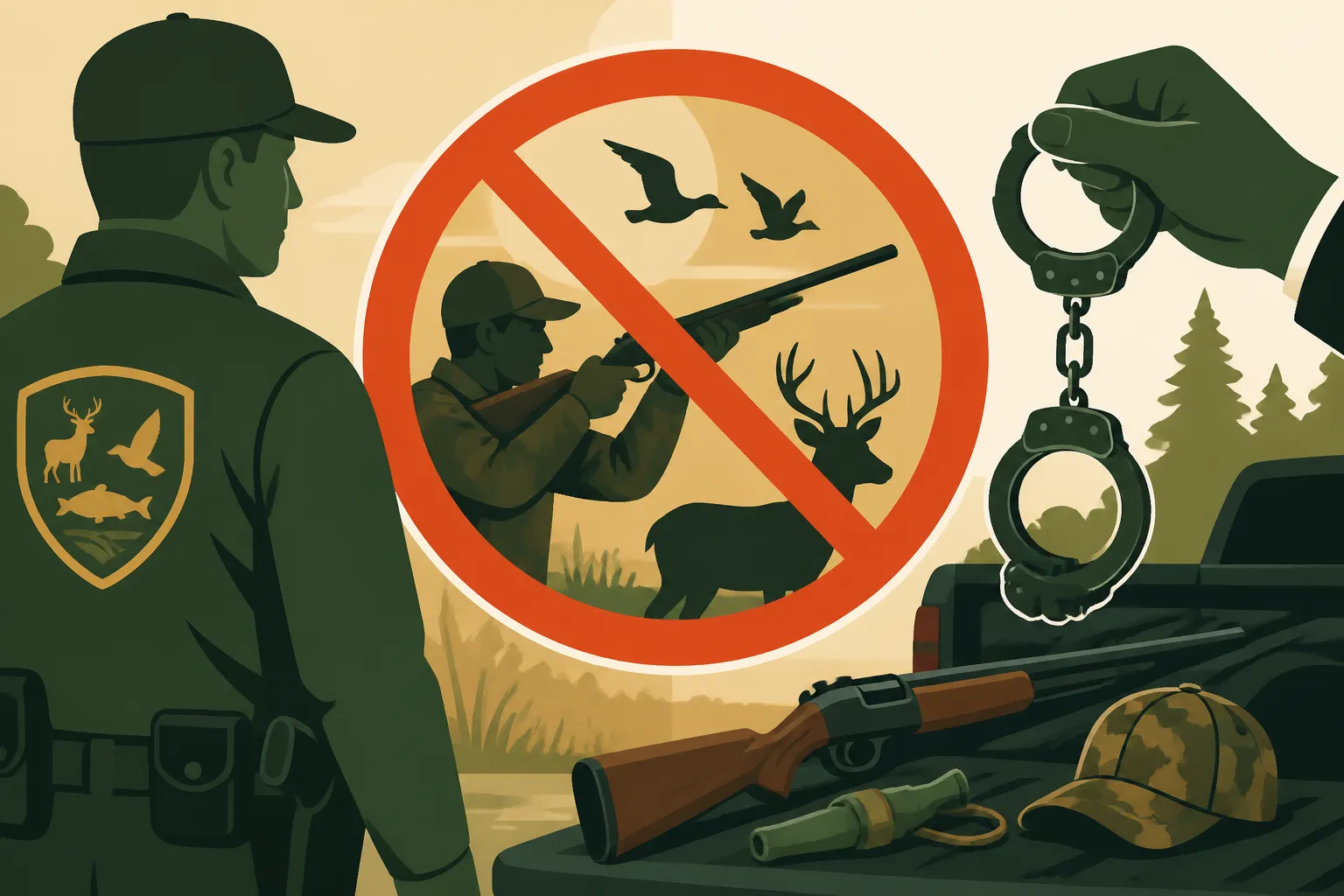
Mississippi Wildlife Violation Penalties
It's incredibly frustrating and often terrifying to find yourself on the wrong side of Mississippi's wildlife laws. Whether it's an honest mistake or a moment of poor judgment, the consequences of a hunting violation can range from a hefty fine to losing your hunting privileges for years, or even jail time. This comprehensive guide is here to demystify those penalties, help you understand what's at stake, and most importantly, equip you with the knowledge to avoid such pitfalls and keep enjoying our great outdoors responsibly.
The Weight of the Law: Understanding Mississippi's Wildlife Regulations
Hunting in Mississippi is a cherished tradition, a rite of passage for many, and a crucial part of managing our state's diverse wildlife populations. But with that privilege comes a significant responsibility: understanding and adhering to the Mississippi Department of Wildlife, Fisheries, and Parks (MDWFP) regulations. These aren't just arbitrary rules; they're the backbone of conservation efforts, ensuring healthy game populations and fair opportunities for all hunters.
Why These Laws Exist: Protecting Resources and Fair Chase
At its core, every wildlife law is designed with two primary goals in mind: conservation and ethics. Conservation ensures that species like white-tailed deer, wild turkeys, and our abundant waterfowl thrive for generations to come. Without strict bag limits, season dates, and methods of take, it wouldn't take long for overhunting to decimate populations, just as it did in previous centuries before modern wildlife management became prevalent. These laws are a direct response to historical declines and the ongoing need to balance harvest with sustainability.
Ethical hunting, or "fair chase," is another critical component. These rules prevent unfair advantages that could exploit wildlife or diminish the challenge inherent in hunting. It's about respecting the animal, the land, and fellow hunters. For instance, laws against hunting at night (for most game species) or using illegal bait are not just about population control; they're about maintaining a standard of sportsmanship and ensuring that the hunter has to actively hunt, rather than simply ambush. Penalties for violations serve as a deterrent, reinforcing these foundational principles and sending a clear message that disrespect for wildlife or the laws protecting it won't be tolerated.
Sources of Truth: MDWFP and Official Regulations
When it comes to understanding the rules, there's no substitute for going straight to the source. The MDWFP website and their annual hunting digests are the official repositories of all current regulations. These documents are updated yearly, and sometimes even within a season, to reflect changes based on biological data, legislative action, or unforeseen circumstances like disease outbreaks. Relying on outdated information or "what your buddy said" is a recipe for disaster. Always verify.
Many hunters find the MDWFP website a bit dense or hard to navigate on the go, especially when you're out in the field without reliable cell service. That's where tools like the MDWFP app or even premium mapping services like GoHunt can be invaluable. While these third-party apps often pull their data from official sources and streamline access to regulations and land boundaries, it's always a good practice to cross-reference with the official MDWFP publications, especially for the nuanced details. Taking the time before you head out to read through the regulations for your specific unit, target species, and weapon choice can save you a world of trouble and ensure you’re compliant.
Common Violations and Their Serious Consequences
Ignorance of the law is never an excuse, but it's a common factor in many hunting violations. Even seasoned hunters can inadvertently break a rule if they're not diligent about staying informed. The penalties for these violations can range significantly depending on the severity of the offense, the species involved, whether it's a first offense, and the discretion of the court.
Misunderstandings of License and Permit Requirements
One of the most frequent violations we see is simply not having the correct license or permit. It sounds basic, but with so many different types of licenses – resident, nonresident, all-game, small game, specific permits for things like migratory birds, and the recently introduced Wild Turkey Stamp – it’s easy to overlook something. A hunter might have their general license but forget their federal duck stamp, or a nonresident might inadvertently hunt without purchasing the required Mississippi Nonresident Deer Permit Rules.
Hunting without any valid license is a serious offense, often resulting in significant fines, court costs, and mandatory forfeiture of hunting privileges for a period. For instance, a first offense for hunting without a license might incur a fine of several hundred dollars, plus a one to two-year license suspension. Subsequent offenses escalate rapidly, potentially leading to thousands in fines and much longer suspensions. It's not just about the cost; losing your ability to hunt in Mississippi, or any state under the Interstate Wildlife Violator Compact, is a crushing blow for passionate outdoorsmen. You can find all the details on various costs and requirements in our guide on Mississippi Hunting Licenses and What They Cost.
Bag Limits, Season Dates, and Legal Animals
These are perhaps the most fundamental rules, yet they’re often violated. Taking more than the legal daily or seasonal bag limit, or hunting a species outside of its designated season dates, directly impacts conservation efforts. For deer, exceeding the Mississippi Deer Bag Limit Rules or harvesting an antlered buck that doesn't meet the unit-specific antler restrictions (like the 12-inch spread in the Delta Unit) can lead to substantial fines, restitution fees for the illegally taken animal, and license revocation.
For turkey hunting, violating Mississippi Spring Turkey Season Rules by hunting too early or late, or shooting more than the allowed number of gobblers, carries similar penalties. If you accidentally take a hen turkey during the spring season (which is typically gobbler-only), that's also a violation. Game wardens are highly skilled at investigating these cases, often using evidence like trail camera photos, social media posts, or even anonymous tips. The consequences usually involve fines starting in the hundreds, sometimes restitution per animal, and license suspensions ranging from one year to five years or more for repeat or egregious violations. Always double-check Mississippi Deer Season Structure Explained and specific dates for your chosen unit before heading out.
Method of Take and Equipment Violations
This category covers a wide array of offenses related to how you harvest game and what equipment you use. Hunting with an illegal firearm caliber, using a prohibited weapon during a specific season (for example, a rifle during archery-only season, though Crossbow Rules During Mississippi Archery Season can get complex), or hunting with bait for deer are all serious violations. Mississippi takes baiting very seriously for deer, and it's a common way hunters get into trouble, often unintentionally.
Night hunting for deer is strictly prohibited and carries extremely severe penalties, including potential felony charges, large fines, and permanent loss of hunting privileges. While Mississippi Feral Hog Regulations allow for night hunting of hogs on private land with specific light rules, applying those tactics to deer is a different ballgame entirely. Other violations include using artificial lights to spot deer, hunting from a public road, or discharging a firearm too close to a residence. The fines here can easily climb into the thousands of dollars, coupled with lengthy license suspensions and the forfeiture of equipment used in the commission of the crime, such as firearms, vehicles, or spotlighting equipment.
Public Land Specific Rules
Hunting on Mississippi's public lands, including National Forests and Wildlife Management Areas (WMAs), comes with its own set of rules designed to manage use and minimize impact. Violations here often include:
- Vehicle Use: Driving off designated roads or in areas closed to vehicles.
- Treestand Rules: Leaving stands up overnight or using permanent stands where only temporary ones are allowed. Our guide on Treestand Rules on Mississippi Public Land delves into this.
- Trail Camera Rules: Placing cameras on public land where they are prohibited or leaving them out past permitted dates. You can learn more in Trail Camera Rules on Mississippi Public Land.
- Camping and Littering: Violating specific camping regulations or leaving trash behind.
- Tree Damage: Driving nails or screws into trees on public land, which can cause irreparable harm.
While some of these might seem minor, they can still result in fines, eviction from public land, and even license suspension, especially if they cause damage to public resources. Game wardens regularly patrol these areas and are well-versed in enforcing these specific regulations.
Poaching and Gross Misdemeanors
Poaching isn't just a violation; it's a crime against our shared natural resources. This includes deliberately taking game out of season, exceeding bag limits with criminal intent, selling game meat illegally, or harassing wildlife. These offenses often involve multiple violations and demonstrate a blatant disregard for wildlife laws. The penalties are severe, reflecting the seriousness of the act.
Depending on the value of the illegally taken animal (restitution values are set by law for different species), poaching can be charged as a misdemeanor or even a felony. Felony poaching charges can lead to significant jail time (up to five years), massive fines (up to $5,000 for a single deer in some cases), permanent loss of hunting and fishing privileges, and forfeiture of all equipment used. These are not minor infractions; they are serious criminal acts that can irrevocably alter a hunter's life and reputation.
What Happens After a Violation: The Legal Process and Your Rights
Finding yourself facing a wildlife violation can be an intimidating and confusing experience. Knowing what to expect and understanding your rights is crucial.
Initial Encounter and Citation
When a game warden or other law enforcement officer suspects a violation, they will typically conduct an investigation. This might involve questioning you, inspecting your vehicle, game, and equipment. It's important to be respectful and cooperative, but also remember your rights. You generally don't have to answer questions that could incriminate you, and you can politely state that you'd prefer to speak with an attorney. However, obstructing an officer's investigation or refusing to provide identification is a separate offense.
If the officer determines a violation has occurred, they will issue a citation. This is essentially a ticket that will list the specific charge(s), the date, time, and location of the alleged offense, and often a court date. It's not an admission of guilt, but it is a legal document requiring your response. Make sure you understand exactly what you're being cited for and the next steps.
Understanding Fines, Court Appearances, and License Revocations
Once you receive a citation, you typically have a few options:
- Pay the Fine: For minor infractions, you might be able to simply pay the fine online or by mail, which usually constitutes a plea of "no contest" or "guilty." Be aware that even paying a small fine can sometimes lead to points on your hunting license or trigger a license suspension, even if it's not explicitly stated on the citation itself.
- Appear in Court: For more serious charges, or if you wish to contest the violation, you'll need to appear in court on the specified date. Here, you'll have the opportunity to plead guilty, not guilty, or no contest.
- Deferred Disposition/Plea Bargain: In some cases, especially for first-time offenders, the prosecutor might offer a plea bargain or deferred disposition, which could involve a reduced charge, community service, or probation in exchange for a guilty plea.
The penalties will depend on the specific statute violated. Most fines start at around $100-$300 for minor infractions and can go up to $1,000-$5,000 or more for major violations like poaching. On top of fines, there are usually court costs and sometimes restitution fees to be paid for illegally harvested game.
The most impactful consequence for many hunters is the license suspension. Mississippi participates in the Interstate Wildlife Violator Compact, meaning a suspension in Mississippi can result in a suspension of your hunting, fishing, and trapping privileges in over 40 other member states. This can range from one year for a first minor offense to a lifetime ban for egregious poaching. These decisions are typically handled by the MDWFP after the court case is resolved, often based on a points system or mandatory suspension guidelines.
Seeking Legal Counsel: When and Why It's Crucial
While a minor violation might seem like something you can handle yourself, consulting with an attorney who specializes in wildlife law is always a wise move, especially if the charges are serious, involve potential jail time, or could lead to a lengthy license suspension. An experienced attorney can:
- Explain Your Rights: Ensure you understand the charges, the potential penalties, and your legal options.
- Negotiate with Prosecutors: Often, a lawyer can negotiate a plea bargain that reduces fines, prevents jail time, or minimizes the impact on your hunting privileges.
- Represent You in Court: Present your case effectively, challenge evidence, or argue for leniency based on your record or the circumstances.
- Protect Your Future: Help you navigate the license suspension process and advise on how to get your privileges reinstated if applicable.
Don't assume that because it's a "wildlife" violation, it's not serious. These charges can be complex, and the long-term impact on your ability to enjoy hunting can be devastating. An attorney can be an invaluable advocate in protecting your rights and your future as a hunter.
Staying Compliant: Best Practices for Mississippi Hunters
The best way to deal with wildlife violation penalties is to avoid them altogether. A proactive approach, combining education, responsible practices, and utilizing modern resources, is your strongest defense.
Education is Your Best Defense
Never stop learning. Regulations change, and your knowledge needs to evolve with them. Before every season, take the time to read the current MDWFP hunting digest cover to cover. Pay close attention to the rules for the specific species, units, and seasons you plan to hunt. If you have questions, call the MDWFP directly. Their biologists and enforcement officers are there to help clarify the rules, not just enforce them.
For younger hunters or those new to the sport, taking a certified hunter education course is not just a legal requirement for many (Mississippi Hunter Education Requirements apply to anyone born after January 1, 1972); it's an essential foundation for safe, ethical, and legal hunting. These courses cover everything from firearm safety to wildlife identification, game laws, and conservation principles. Even seasoned hunters can benefit from a refresher course or mentoring new hunters, which often helps reinforce their own knowledge of the rules.
Utilizing Technology and Resources
We live in an age where information is at our fingertips, and hunters have access to incredible tools to stay compliant.
- MDWFP App: The official app allows you to report harvests, check regulations, and access maps even when cell service is spotty. It’s an indispensable tool for every Mississippi hunter. Learn more about its features in our guide to Scouting With the MDWFP App.
- Mapping Applications: Services like GoHunt, OnX Hunt, or BaseMap provide detailed property boundaries, WMA borders, public vs. private land distinctions, and even satellite imagery. These are critical for avoiding trespassing, understanding where certain public land rules apply, and ensuring you’re not encroaching on private property. Knowing exactly where you are, especially in thick timber or unfamiliar terrain, can prevent accidental boundary crossing and associated violations. These apps can also often layer in public hunting regulations specific to that parcel of land, making it even easier to stay informed.
- MDWFP Website: Bookmark the MDWFP website and check it regularly for news, emergency regulation changes, and season updates. This is particularly important for migratory bird seasons, which can sometimes have mid-season adjustments.
By actively engaging with these resources, you empower yourself to make informed decisions in the field and minimize the risk of accidental violations.
When in Doubt, Don't Do It
This might sound overly simplistic, but it’s the golden rule for avoiding violations. If you're unsure if a deer meets antler restrictions, let it walk. If you're not 100% certain about property lines, back off. If a specific hunting method or piece of equipment seems questionable, verify it with the MDWFP before you use it. It's far better to err on the side of caution than to face fines, license revocation, or even criminal charges. Ethical hunting means making the right choice, even when no one else is watching, and prioritizing the health of the resource and the integrity of the sport over making a questionable harvest. Your long-term enjoyment of hunting depends on it.
| Violation Type | Typical Penalties (First Offense) | License Suspension Range | Notes |
|---|---|---|---|
| Hunting Without Proper License | $100 – $500 fine + court costs | 1 – 2 years | Varies by specific license type missing. |
| Exceeding Bag Limit | $200 – $1,000 fine + restitution | 1 – 3 years | Restitution per animal illegally taken (e.g., $1,000 per deer). |
| Hunting Out of Season | $200 – $1,500 fine + restitution | 1 – 5 years | Can be compounded with method of take violations. |
| Antler Restriction Violation (Deer) | $250 – $1,000 fine + restitution | 1 – 3 years | Often involves additional educational requirements. |
| Illegal Method of Take (e.g., Baiting Deer) | $500 – $2,500 fine + forfeiture | 2 – 5 years | Forfeiture of equipment (firearms, vehicle) is common. |
| Night Hunting (Deer) | $1,000 – $5,000 fine + jail time | 5 years – Lifetime | Can be felony charges; mandatory equipment forfeiture. |
| Trespassing While Hunting | $100 – $500 fine + civil damages | Varies (potential for 1 year) | Requires landowner permission; can lead to property damage charges. |
| Public Land Rules (e.g., off-road vehicles) | $50 – $300 fine + court costs | Rarely, but possible | Depends on severity and damage caused. |
Note: These are typical penalties and can vary significantly based on specific county courts, judicial discretion, and prior offenses. Restitution values for illegally taken game are set by the MDWFP.
Disclaimer
The information provided in this article is for general guidance only and does not constitute legal advice. Wildlife laws and penalties can be complex and subject to change. Always consult the most current Mississippi Department of Wildlife, Fisheries, and Parks regulations and, if facing a legal issue, seek counsel from a qualified attorney specializing in wildlife law.