Finding Access Near Gulfport
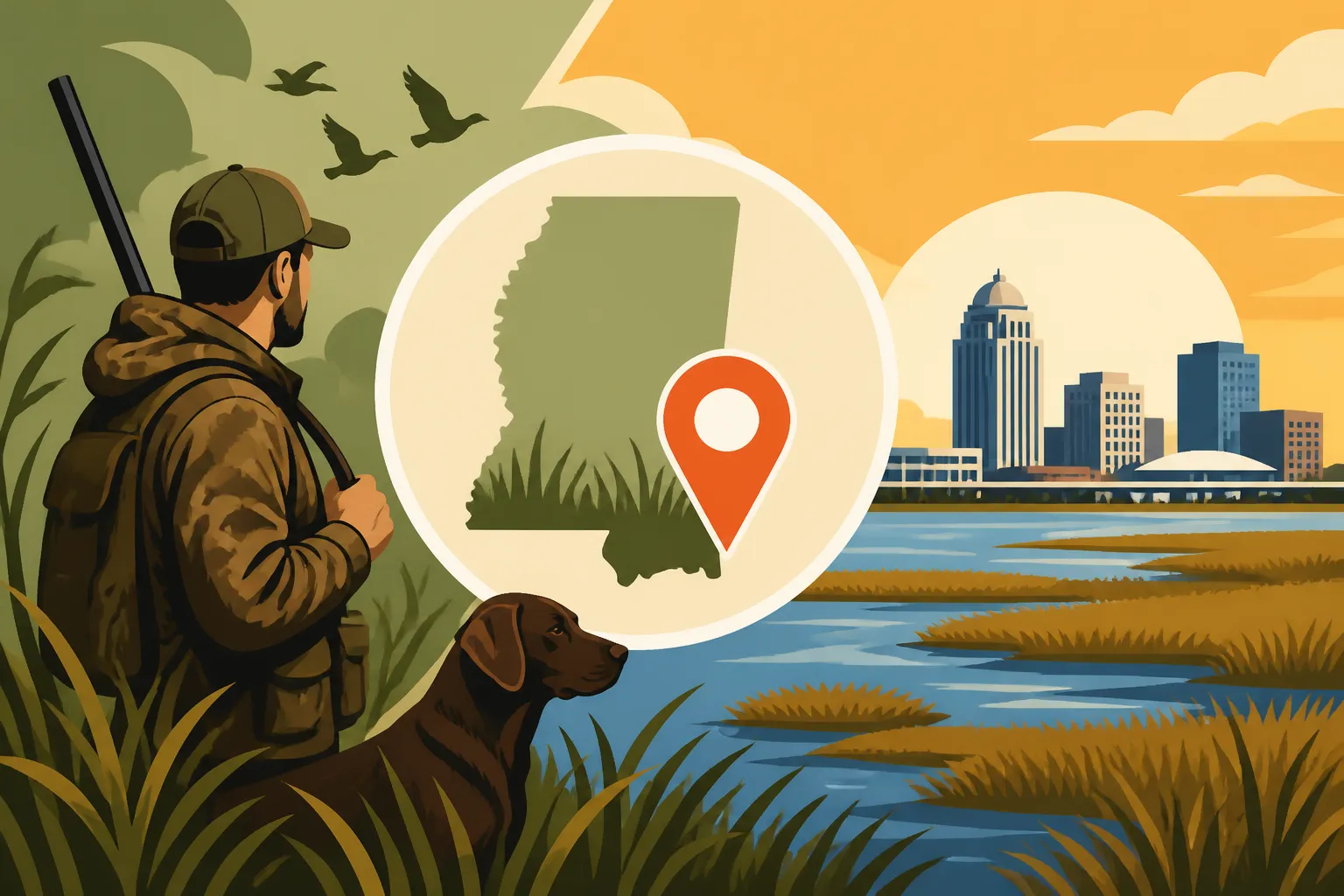
Finding quality hunting access near a bustling coastal hub like Gulfport can feel like trying to find a needle in a haystack, especially when you're craving that quiet escape into the woods or marshes. It's a common frustration for hunters living in or visiting our beautiful Mississippi Gulf Coast—you know the game is here, but where do you actually go? This guide is designed to cut through that confusion, offering clear, actionable insights into uncovering both public and private hunting opportunities in the Gulfport area, helping you spend less time searching and more time hunting.
Understanding the Gulf Coast Region's Unique Hunting Challenges
Hunting near Gulfport isn't like hunting in the Delta or the Hills; it comes with its own specific set of hurdles and advantages. The landscape here is a dynamic mix of coastal urban sprawl, dense pine forests, and expansive marshlands, each presenting different considerations for hunters.
Coastal Development and Population Density
Let's be real: Gulfport and its surrounding coastal towns are growing. More people mean more houses, more businesses, and frankly, less undisturbed land directly adjacent to the city limits. This urban and suburban expansion often pushes traditional hunting grounds further out, making it challenging to find those quick, after-work sits. The days of just stepping out your back door into prime deer woods are largely gone in the immediate coastal zone, forcing hunters to be more strategic and willing to travel a bit. This doesn't mean hunting is impossible; it just means we have to adjust our expectations and put in a little more legwork to find those spots that haven't been paved over yet.
Habitat Types: Piney Woods Meets Marsh
The unique geography of the Gulf Coast creates a diverse tapestry of habitats. Just a short drive north of Gulfport, you'll dive into the classic "Piney Woods"—vast tracts of longleaf and loblolly pine, often interspersed with hardwoods along creek bottoms. These areas are excellent for deer, turkey, hogs, and small game like squirrels and rabbits. To the south and east, however, you hit the coastal marshes, bayous, and estuaries. This is prime waterfowl country, offering incredible opportunities for ducks and sometimes geese, along with a healthy population of feral hogs that thrive in the dense, wet cover. Understanding these distinct habitat zones is crucial because it dictates what species you'll target and what hunting methods will be most effective.
Limited Large Public Tracts Directly on the Coast
One of the biggest frustrations for hunters near Gulfport is the relative scarcity of truly massive, easily accessible public hunting lands right on the immediate coastline. Unlike other parts of the state with sprawling National Forests or numerous large WMAs, the Gulf Coast has fewer expansive, contiguous public areas. The land is often fragmented by private ownership, development, or is part of protected areas that don't allow hunting. This makes it vital to know exactly where the available public land is and how to maximize its potential. It also means that for many species, a bit of a drive inland or east might be necessary to find those larger, less pressured tracts of public timber.
Public Hunting Opportunities Near Gulfport
While direct coastal public land may be limited, there are still fantastic opportunities for public hunting within a reasonable drive of Gulfport. Knowing where to look and understanding the nuances of each area is key to a successful hunt.
State Parks and Other Managed Lands
Occasionally, certain Mississippi State Parks may offer special quota hunts for deer or other species, often to manage populations. These are typically limited-draw opportunities, and you'll need to stay on top of the application periods. While not a year-round solution, they can provide unique, low-pressure hunting experiences close to home. Beyond state parks, always keep an eye out for smaller county or regional managed areas that might open for limited hunting. The Mississippi Department of Wildlife, Fisheries, and Parks (MDWFP) website is your best friend for monitoring these announcements, as rules and opportunities can change annually. It's not always easy to get drawn, but the reward of hunting a well-managed tract often makes the effort worthwhile.
Pascagoula River Wildlife Management Area (WMA)
Just a bit east of Gulfport, the Pascagoula River Wildlife Management Area offers some of the most diverse and extensive public hunting grounds in the region. This WMA boasts over 37,000 acres of bottomland hardwood forests, cypress-tupelo swamps, and oxbow lakes—a true wild paradise. It's a fantastic spot for deer, turkey, waterfowl, and, of course, feral hogs. Access can be challenging, especially in wet conditions, requiring boats or ATVs in some areas, but that also means less pressure in the deeper reaches. The Pascagoula River WMA is a significant resource, but it's crucial to study the WMA's specific regulations, which can differ from statewide rules, particularly concerning legal weapons, antler restrictions, and access points. A scout trip in the off-season is highly recommended to understand the terrain before you hunt.
Coastal Marsh Public Hunting Ground
For those with a boat and a love for waterfowl, the vast coastal marshlands present a unique hunting experience. These areas, particularly in Mississippi Sound and its adjoining bayous, offer excellent duck hunting, especially for species like gadwall, wigeon, and pintails, alongside resident mottled ducks. Much of this marsh is publicly accessible under riparian rights, though always be mindful of private duck leases or posted land along the fringes. Access is almost exclusively by boat, navigating shallow bayous and open water. Decoy spreads and layout blinds are common tactics. While not a traditional "woods" hunt, it’s an incredible opportunity to experience a different side of Mississippi hunting. Just be sure to check Mississippi Waterfowl Zones and Seasons and understand tides and weather conditions, as they play a huge role in marsh hunting success.
Navigating Wildlife Management Areas (WMAs) in the Region
Wildlife Management Areas are the backbone of public hunting in Mississippi, and the Gulf Coast region has several within a reasonable driving distance of Gulfport. Understanding how to use them effectively is key.
Understanding WMA Regulations and Quota Hunts
Every WMA has its own set of rules, which often go beyond the general statewide regulations. This is paramount. You can't just assume what's legal on private land is legal on a WMA. These rules dictate everything from hunting dates and times to weapon types, antler restrictions, and even which specific species can be hunted. Many WMAs, especially for deer and turkey, operate under a quota hunt system, meaning you have to apply and be drawn to get a permit to hunt during specific periods. It's essential to check the MDWFP website for the specific WMA you plan to hunt well in advance. Miss a deadline, or fail to get drawn, and you're out of luck. Also, don't forget the Mississippi WMA Permit Requirement – usually, an annual WMA permit is needed in addition to your standard hunting license.
Specific WMAs to Target
Beyond the Pascagoula River WMA, several other WMAs are within striking distance of Gulfport, offering diverse hunting experiences.
- Stone County WMA: Located north of Gulfport, this WMA is characterized by pine and mixed pine/hardwood forests. It's managed primarily for deer, turkey, and small game. It's typically open for archery, with specific gun seasons and often quota hunts for deer.
- Paul B. Johnson State Park WMA: While a state park, it also functions as a WMA with specific hunt opportunities, usually requiring a drawn permit. It's a smaller, more intensively managed area that can provide excellent deer hunting in a controlled environment.
- George County WMA: Further east but still accessible, this WMA offers a mix of habitats and generally allows hunting for deer, turkey, and hogs, with regulations mirroring those of other piney woods WMAs.
Each of these WMAs has its own character, from thick pine plantations to creek bottoms. Scouting these areas thoroughly before the season opens is a huge advantage, allowing you to identify travel corridors, bedding areas, and food sources.
Using Mapping Tools for WMA Access
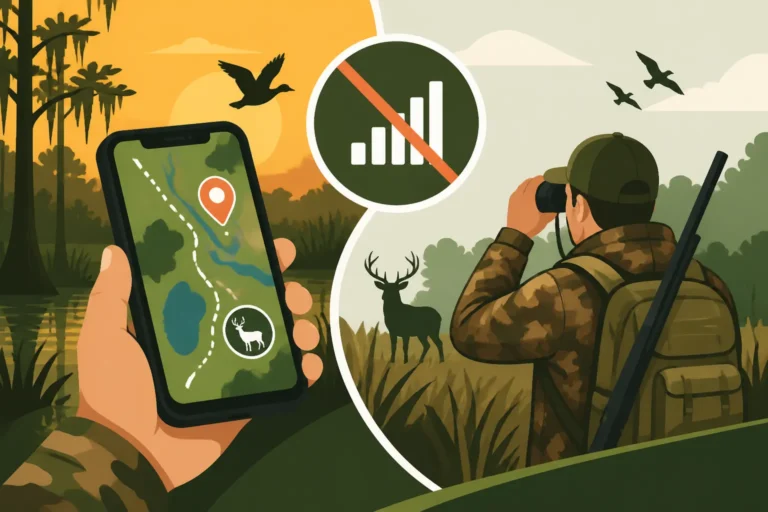
In today's hunting world, mapping apps are indispensable, especially when tackling public land. Tools like onX Hunt and GoHunt are invaluable for navigating WMAs near Gulfport. These apps allow you to:
- See boundary lines: Instantly know if you're on public WMA land or inadvertently encroaching on private property. This is a game-changer for avoiding trespassing issues.
- Identify access points: Locate designated parking areas, foot-access-only zones, and vehicle-accessible roads.
- Scout remotely: Use satellite imagery to identify terrain features, timber cuts, creek drainages, and potential bottlenecks before you ever set foot in the woods. You can mark waypoints for potential stand sites, rubs, scrapes, or areas of heavy hog rooting.
- Track your movement: Keep tabs on your location, measure distances, and safely navigate in dense cover, reducing the chance of getting disoriented.
These apps often have specific WMA layers that show management unit boundaries, food plots, and other helpful information directly from the MDWFP. Leveraging this technology can significantly increase your efficiency and safety on public ground.
Exploring National Forests for Hunting Access
Mississippi is blessed with several National Forests, and while some are a bit of a drive from Gulfport, they offer vast, continuous tracts of public land, providing a stark contrast to the more fragmented coastal landscape.
DeSoto National Forest: A Piney Woods Haven
For Gulfport hunters, DeSoto National Forest Hunting is likely your closest and most extensive National Forest option. Stretching across multiple counties north and east of Gulfport, DeSoto National Forest offers hundreds of thousands of acres of primarily pine and mixed pine-hardwood forests. This is classic "Piney Woods" hunting. Deer are abundant, turkey populations are good in many areas, and feral hogs roam throughout. DeSoto offers general hunting seasons that often run longer than WMAs, with fewer quota restrictions, making it a favorite for many.
Hunting here means embracing vastness. You'll often need to walk significant distances from roads to escape pressure, but those who put in the miles are often rewarded. Focus on areas away from popular campgrounds and trailheads. Look for mature pine stands, creek bottoms, and areas with diverse undergrowth. Hunting the Piney Woods Region gives a good overview of what to expect in terms of habitat and tactics within this area.
Homochitto National Forest: Further West, but Worth It
While a longer drive from Gulfport, Homochitto National Forest, located further west in the southwestern part of the state, is another excellent option if you're willing to travel for a multi-day trip. Homochitto offers a different flavor of habitat, with more rolling hills and extensive hardwood bottoms mixed with pines. It's well-known for quality deer hunting and good turkey numbers. The terrain can be more challenging here, with steep drainages and thick cover, but it also allows for more diverse hunting strategies like still-hunting ridge lines or focusing on specific draws. Like DeSoto, Homochitto operates under general National Forest regulations, which tend to be less restrictive than WMAs but still require careful review of the current hunting proclamation.
Rules and Access within National Forests
Hunting in National Forests comes with a standard set of rules that, while more flexible than WMAs, still need adherence. Always carry your Mississippi Hunting Licenses and What They Cost and ensure you have the appropriate state and federal stamps (e.g., federal duck stamp for waterfowl).
- Camping: Dispersed camping is often allowed, which is a huge bonus for multi-day hunts, allowing you to camp near your hunting area. Check specific forest regulations for fire restrictions and designated camping areas.
- Vehicle Access: Many forest roads are open to vehicles, but some may be gated or closed seasonally. Always respect these closures. ATVs and UTVs have specific use regulations, usually limited to designated trails.
- Treestands and Blinds: Temporary treestands and ground blinds are generally permitted, but often require them to be removed within a certain timeframe (e.g., 24 hours after a hunt or by the end of the season) and cannot damage trees. Always check specific rules for permanent stand prohibitions.
- Blaze Orange: Remember the Mississippi Blaze Orange Requirements during gun seasons, even on National Forest land. Safety is always paramount.
National Forests offer a more expansive, wilderness-like hunting experience, but they demand self-reliance and a good understanding of the terrain and regulations.
The Niche of Coastal Waterfowl and Small Game
While deer and turkey often dominate the hunting conversation, the Gulfport area, with its unique blend of habitats, offers fantastic opportunities for waterfowl and small game, providing different hunting experiences closer to home.
Duck Hunting in Coastal Marshes and Bayous
As mentioned, the coastal marshes are a duck hunter's paradise. The shallow, brackish waters and abundant food sources draw a variety of dabbling ducks, especially during the colder months. You'll primarily find gadwall, wigeon, green-winged teal, blue-winged teal (early season), and pintails. Wood ducks can be found further up brackish creeks and into freshwater swamps.
The key to successful marsh hunting is scouting, understanding tides, and having appropriate gear. A shallow-draft boat (like a mud boat or skiff) is almost essential for accessing many prime areas. Decoying is the primary tactic, often combined with layout blinds or natural concealment. Hunting the outgoing or incoming tide can concentrate ducks as they feed. Be prepared for variable weather—coastal mornings can be calm and beautiful, or cold and windy with choppy waters. Always make sure your Mississippi Federal Duck Stamp Requirement and Mississippi HIP Certification for Bird Hunters are current.
Rabbit and Squirrel Opportunities in the Piney Woods
For a more relaxed hunt, or as a way to introduce new hunters, rabbit and squirrel hunting offer consistent action in the Piney Woods north of Gulfport. Public lands like DeSoto National Forest and the regional WMAs provide excellent habitat.
- Squirrels: Look for mature hardwood bottoms along creeks or in mixed pine-hardwood stands where oaks and hickory are present. Squirrels will be actively feeding on acorns and nuts, especially in the early morning and late afternoon. Still-hunting, watching and listening, or using squirrel dogs are popular methods. Squirrel Hunting Delta Hickory Groves provides insight into how they operate in similar habitats, just swap Delta for Piney Woods.
- Rabbits: Brush piles, fencerows, clear-cut edges with thick regrowth, and briar patches are prime rabbit habitat. Running beagles is a traditional and highly effective method, but still-hunting or flushing thick cover can also yield results. Rabbit hunting often picks up after the leaves fall, when visibility improves and rabbits are easier to spot in dense cover. The Mississippi Small Game Season Rules will outline open dates and bag limits.
These hunts are accessible, often require less specialized gear than big game hunting, and provide excellent table fare.
Hog Hunting: A Year-Round Pursuit
Feral hogs are an omnipresent species across Mississippi, and the Gulf Coast region is no exception. They thrive in both the dense pine forests and the coastal marsh environments, causing significant damage to agriculture and natural ecosystems. The good news for hunters is that Mississippi Feral Hog Regulations allow for year-round hunting on private land with no bag limits, and often very liberal seasons and bag limits on public land like WMAs and National Forests.
Hunting hogs near Gulfport can take many forms:
- Still-hunting: Walking slowly through known hog areas, particularly creek bottoms or dense cover near water sources, often yields opportunities. Look for rooting, wallows, and fresh tracks.
- Stands: Setting up a treestand or ground blind near a known travel corridor, feeding area, or water source can be effective, especially at dawn and dusk.
- Night Hunting: On private land, night hunting with lights or thermal optics is permitted, offering an exciting and effective way to reduce hog populations. This is often done with guided hunts.
- Trapping: For landowners or those with permission, trapping is a highly effective way to remove multiple hogs at once.
Hogs are smart, adaptable, and provide excellent meat. They offer a constant hunting opportunity when other seasons are closed, making them a valuable resource for Gulfport hunters looking to stay in the field.
Strategies for Finding Private Land Permission
While public land offers a wealth of opportunities, securing private land permission can open up even more consistent, less pressured hunting experiences closer to Gulfport. It requires patience, respect, and a good approach.
Local Relationships and Knocking on Doors
This is the old-school, tried-and-true method, and it's still highly effective. Start by identifying smaller private land parcels, particularly those with woodlots, creek bottoms, or agricultural fields that might hold game. Farmers, timberland owners, and even those with large residential lots might be open to controlled hunting to manage deer populations or reduce hog damage.
- Be Polite and Respectful: Always approach landowners with respect. Introduce yourself, explain why you're interested (e.g., help with deer management, hog control), and be clear about your intentions.
- Offer Help: Farmers are busy. Offer to help with chores, fix fences, or assist in other ways. This builds goodwill and trust, which is often more valuable than any money.
- Leave Your Information: If they're not ready to say yes, leave your name and number. Persistence, without being annoying, can pay off over time.
- Start Small: Don't ask for exclusive rights to their entire property. Start by asking to hunt a specific woodlot for squirrels, or to take a couple of does for population control.
- Be Prepared: Have your hunting license and proof of insurance (if you have it) ready to show.
Leasing and Hunting Clubs in the Area
For more consistent access to private land, joining a hunting club or leasing your own small tract is a popular option. Near Gulfport, you'll find various hunting clubs, ranging from informal groups of friends sharing a lease to more formal organizations with extensive rules and amenities.
- Hunting Clubs: Joining a club typically involves annual dues, which cover the lease cost and often maintenance of food plots, stands, and other infrastructure. It's a great way to gain access to managed land and meet like-minded hunters. However, be sure to understand the club's rules, traditions, and how many members share the land before committing. Ask about guest policies and harvest rules.
- Leasing: For more control, you can lease your own private parcel. This gives you exclusive hunting rights and the ability to implement your own management strategies. Leasing prices near Gulfport can vary significantly based on location, habitat quality, and size. While it's a bigger financial commitment, it can provide unparalleled hunting satisfaction.
Both options offer a way to secure private land access, but they require due diligence to ensure the club or lease aligns with your hunting goals and budget. Check out Mississippi Hunting Lease Costs to get an idea of what to expect.
Understanding Mississippi Trespass Laws
Whether you're asking for permission or navigating public land, a solid understanding of Mississippi Trespass and Permission Law is critical. In Mississippi:
- Posted Land: Landowners can post their land with signs, purple paint marks on trees, or clearly defined boundaries to prohibit trespassing. Entering posted land without permission is illegal.
- Unposted Land: While not as common in developed areas, entering unposted private land without permission can still be considered trespassing if you refuse to leave when asked by the owner. It's always best practice to seek permission regardless of whether the land is posted.
- Retrieving Game: Even if you legally shoot an animal on your property or public land, if it crosses onto private land, you must have the landowner's permission to retrieve it. Forcing the issue can lead to serious legal trouble.
The golden rule for private land is simple: always get permission. A handshake agreement is often sufficient, but for long-term arrangements, a written agreement can protect both parties. Respecting property boundaries and landowner wishes is not just good etiquette; it's the law.
Summary of Hunting Access Near Gulfport
| Type of Access | Primary Game Species | Pros | Cons | Best Use Case |
|---|---|---|---|---|
| Pascagoula River WMA | Deer, Turkey, Hogs, Waterfowl | Diverse habitat, large acreage, remote feel | Challenging access, specific WMA regulations, pressure during peak season | Multi-species hunting, boat access to remote areas |
| DeSoto National Forest | Deer, Turkey, Hogs, Small Game | Vast acreage, flexible rules, dispersed camping | Requires extensive scouting, significant walking to avoid pressure | Wilderness experience, longer hunts, less restrictive |
| Coastal Marshes | Waterfowl, Hogs | Unique coastal hunting, excellent duck numbers, less competition | Boat required, tide-dependent, specialized gear, weather-sensitive | Dedicated duck hunters, hog hunting in thick cover |
| Other WMAs (e.g., Stone Co.) | Deer, Turkey, Hogs, Small Game | Managed populations, often closer than NF, specific hunt opportunities | Strict regulations, potential quota draws, can be pressured | Focused deer/turkey hunts, managed habitat |
| Private Land (Permission) | All Species | Exclusive access, less pressure, ability to manage | Requires time to build relationships, often limited acreage | Consistent, low-pressure hunting, close to home |
| Private Land (Lease/Club) | All Species | Consistent access, managed land, club camaraderie | Financial cost, club rules, waiting lists | Guaranteed access, managed hunting, social aspect |
Remember, hunting near Gulfport isn't without its challenges, but with a clear understanding of the available resources, a willingness to scout, and a respectful approach to landowners, you can absolutely find rewarding experiences in the woods and marshes of the Mississippi Gulf Coast.
Disclaimer
This article is for general informational purposes only and does not constitute professional advice. Laws, prices and regulations vary by location and change over time. Consult a qualified professional for guidance on your specific situation.