Mississippi Wildlife Disease Monitoring
Mississippi wildlife disease monitoring protects game populations, ensures sustainable hunting, and provides safe handling practices for hunters.
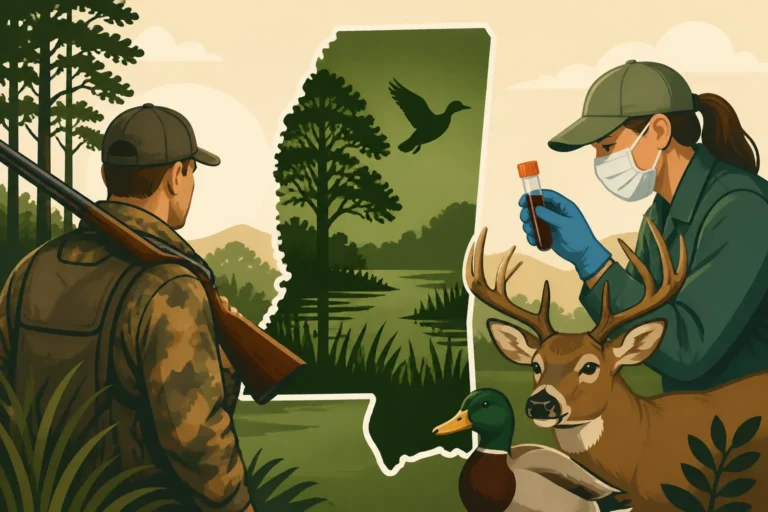
Mississippi wildlife disease monitoring protects game populations, ensures sustainable hunting, and provides safe handling practices for hunters.
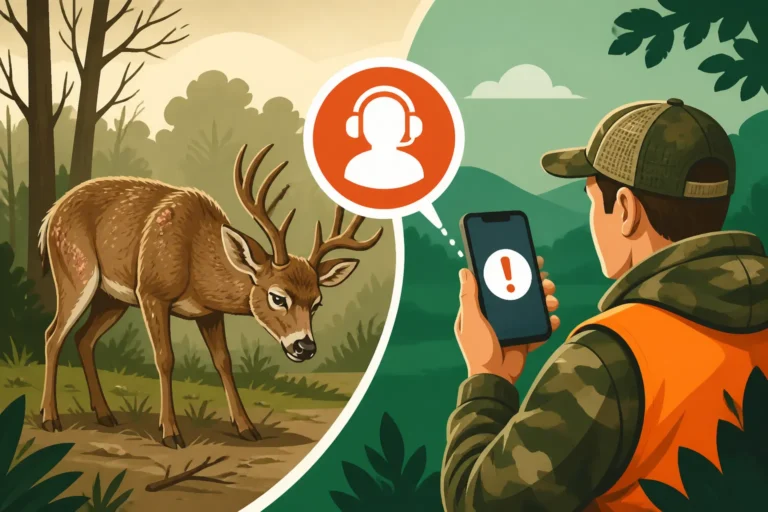
Reporting sick or dead wildlife in Mississippi helps biologists track diseases and protect public health and local populations.
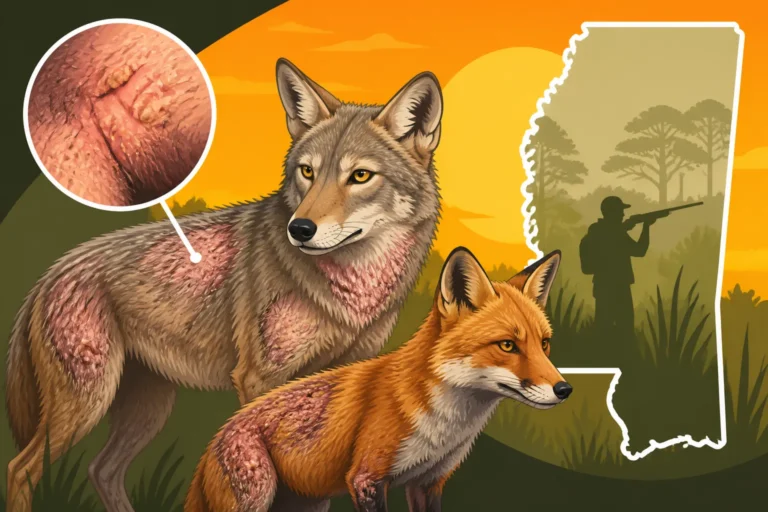
Mange in Mississippi coyotes and foxes is explained by detailing sarcoptic and demodectic mite types, transmission, and symptoms.
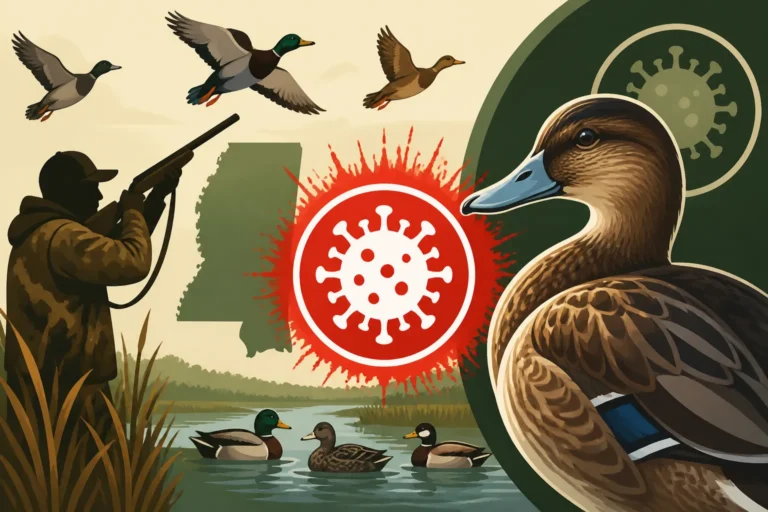
Avian influenza in Mississippi birds explains virus strains, migratory waterfowl transmission, and monitoring efforts by state wildlife officials.
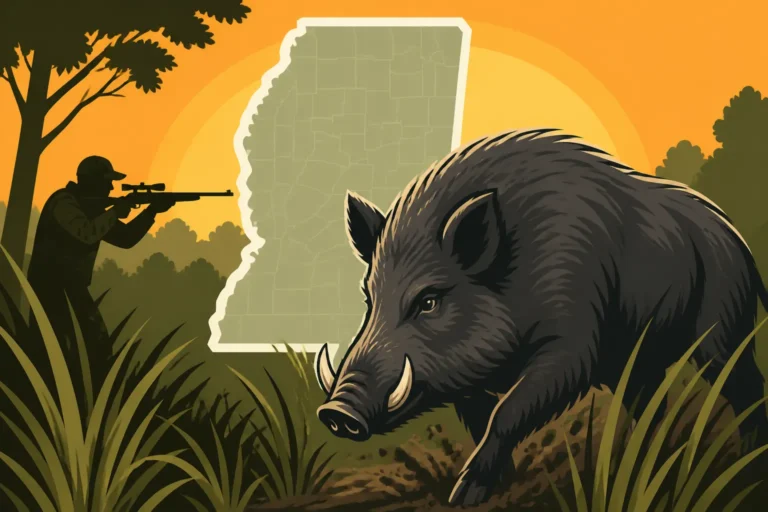
Feral swine population growth and travel corridors in Central Mississippi explain why destructive hogs appear on local land.
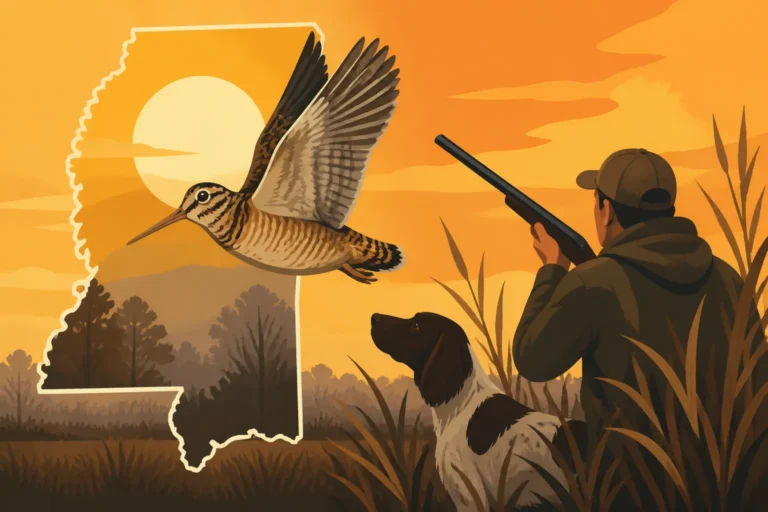
American woodcock migration patterns in Mississippi, including environmental triggers, cold fronts, and peak arrival windows starting in late October.
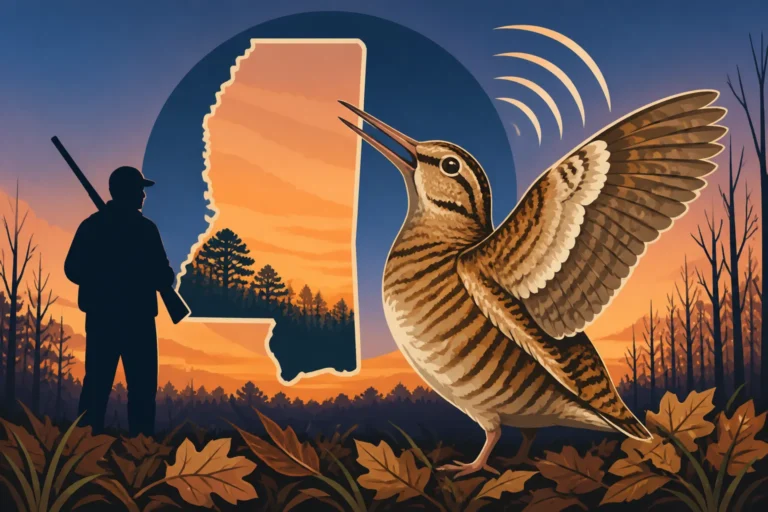
Mississippi woodcock singing ground surveys track breeding populations using standardized listening routes to shape sustainable hunting seasons.
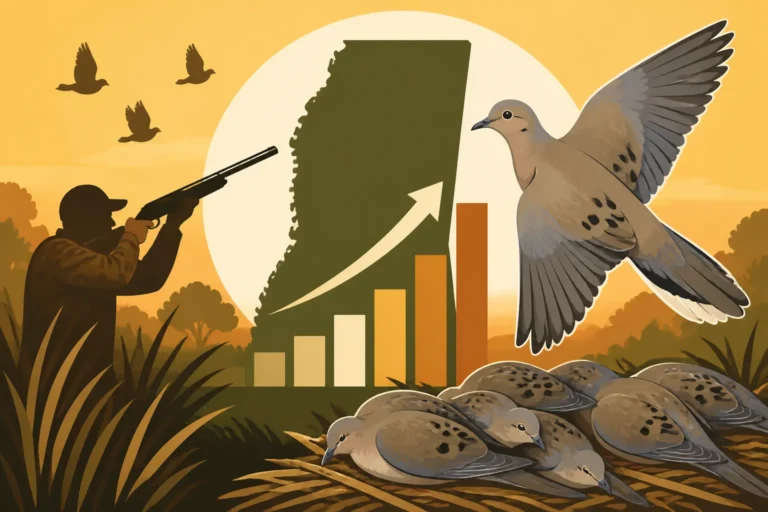
Mississippi mourning dove harvest numbers help wildlife biologists estimate population sizes, track trends, and assess hunting pressure impacts.
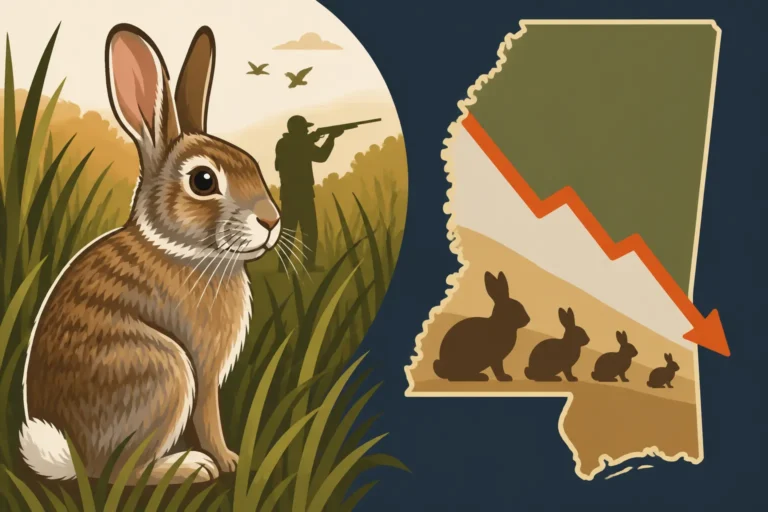
Mississippi cottontail rabbit populations fluctuate due to natural boom and bust cycles and habitat loss from modern farming.
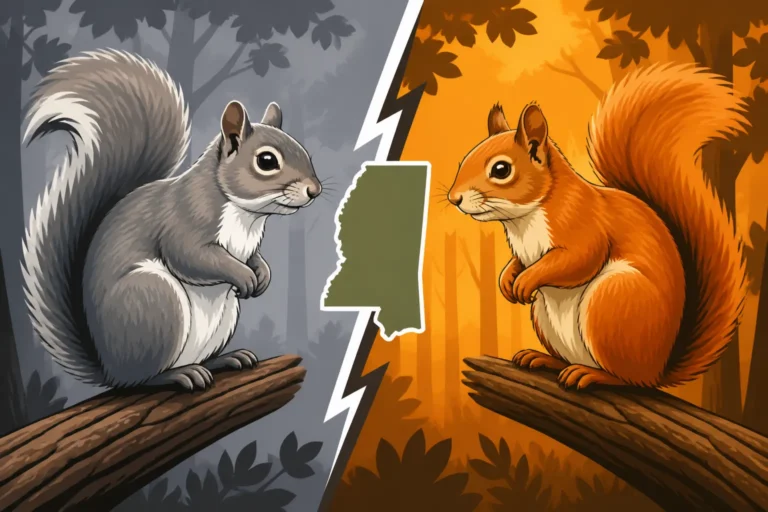
Gray squirrels and fox squirrels in Mississippi differ in size, coloration, behavior, and preferred hardwood forest habitats.