Predator Calling Mississippi Pine Plantations
For many Mississippi hunters, the frustration of declining deer and turkey populations, or even just seeing fewer fawns, often points to a growing problem: unchecked predator numbers. Calling predators in the dense, often overlooked, pine plantations of our state offers a highly effective way to manage these populations and sharpen your hunting skills. This guide dives deep into the specific strategies, gear, and techniques you'll need to successfully call coyotes, bobcats, and even foxes out of the thick piney woods, transforming those quiet stands into thrilling encounters.
Understanding Mississippi Pine Plantation Dynamics for Predators
Pine plantations, with their uniform rows and dense understory, might seem monotonous to the casual observer, but for a predator, they represent a complex and incredibly productive habitat. Understanding how coyotes, bobcats, and foxes utilize these areas is the first step to consistently calling them in. It's not just about making sounds; it's about understanding the environment you're hunting.
Why Pine Plantations Attract Predators
Pine plantations, especially those in various stages of growth, create a perfect mosaic of cover, food, and security for predators. Young, recently planted pines offer incredible bedding cover for deer and rabbits, which in turn draws in coyotes and bobcats looking for an easy meal. As the pines mature, the canopy closes, shading out undergrowth and creating more open, albeit still dense, travel corridors along the rows. These areas are rife with rodents, small birds, and the occasional unlucky fawn or turkey poult, providing a consistent food source.
Think about it from a coyote's perspective: a clear-cut might offer some hunting opportunities, but it lacks the consistent concealment needed to ambush prey or raise pups safely. Mature hardwoods provide food, but often lack the dense thermal and security cover that young pines offer, especially during harsh weather. Pine plantations strike a balance, offering both a buffet of prey animals and excellent cover to hide, den, and raise young. This blend makes them prime real estate for any predator seeking to thrive.
Common Predator Species in Piney Woods
While you might primarily be targeting coyotes, Mississippi's pine plantations are home to a variety of opportunistic predators. Coyotes are definitely the kings of versatility here, adapting to nearly any environment. You'll find them ranging widely, using the plantation as a hub for hunting and movement. However, don't overlook the elusive bobcat. These incredible hunters thrive in dense cover, using the rows of pines as stealthy ambush points. They are often less common but can be very responsive to distress calls.
Red and gray foxes also frequent these areas, though they tend to be a bit more cautious and might not commit to a call as readily as a hungry coyote. Gray foxes, with their ability to climb trees, are especially well-suited to the vertical structure of a pine plantation. Understanding which species you're likely to encounter influences your calling strategy. For more on the general distribution and populations, take a look at our guide on Coyotes and Predators in Mississippi. You might also be surprised to learn about Mississippi's Recovering Bobcat Population and how prevalent they are in these habitats.
Seasonal Predator Behavior in Plantations
Predator behavior isn't static; it shifts dramatically with the seasons, and this is especially true in the dynamic environment of a pine plantation. During the late fall and winter, when deer and turkey hunting seasons are in full swing, predators are often more active during daylight hours as their natural prey is more vulnerable or concentrated. Food can become scarcer, making them more receptive to calls. This is often an ideal time to call, as fur is at its prime if you're interested in trapping or pelting.
As spring arrives, coyotes and bobcats enter their denning and pup-rearing phases. This means they'll be even more protective of their territories and more aggressive in responding to perceived threats or food opportunities. Distress calls mimicking a fawn or turkey poult can be incredibly effective during this period. However, be mindful of local regulations, as some areas might have restrictions on hunting during fawning or nesting seasons. Summer months see young predators dispersing, making them less wary, but the heat and dense foliage can make calling more challenging.
Essential Gear for Pine Plantation Predator Calling
Hunting in Mississippi's pine plantations isn't like sitting in a wide-open prairie. The dense cover and often limited visibility demand specific gear choices. Having the right tools won't just increase your success rate; it'll make your experience much more enjoyable and effective.
Calls and Decoys for Close Quarters
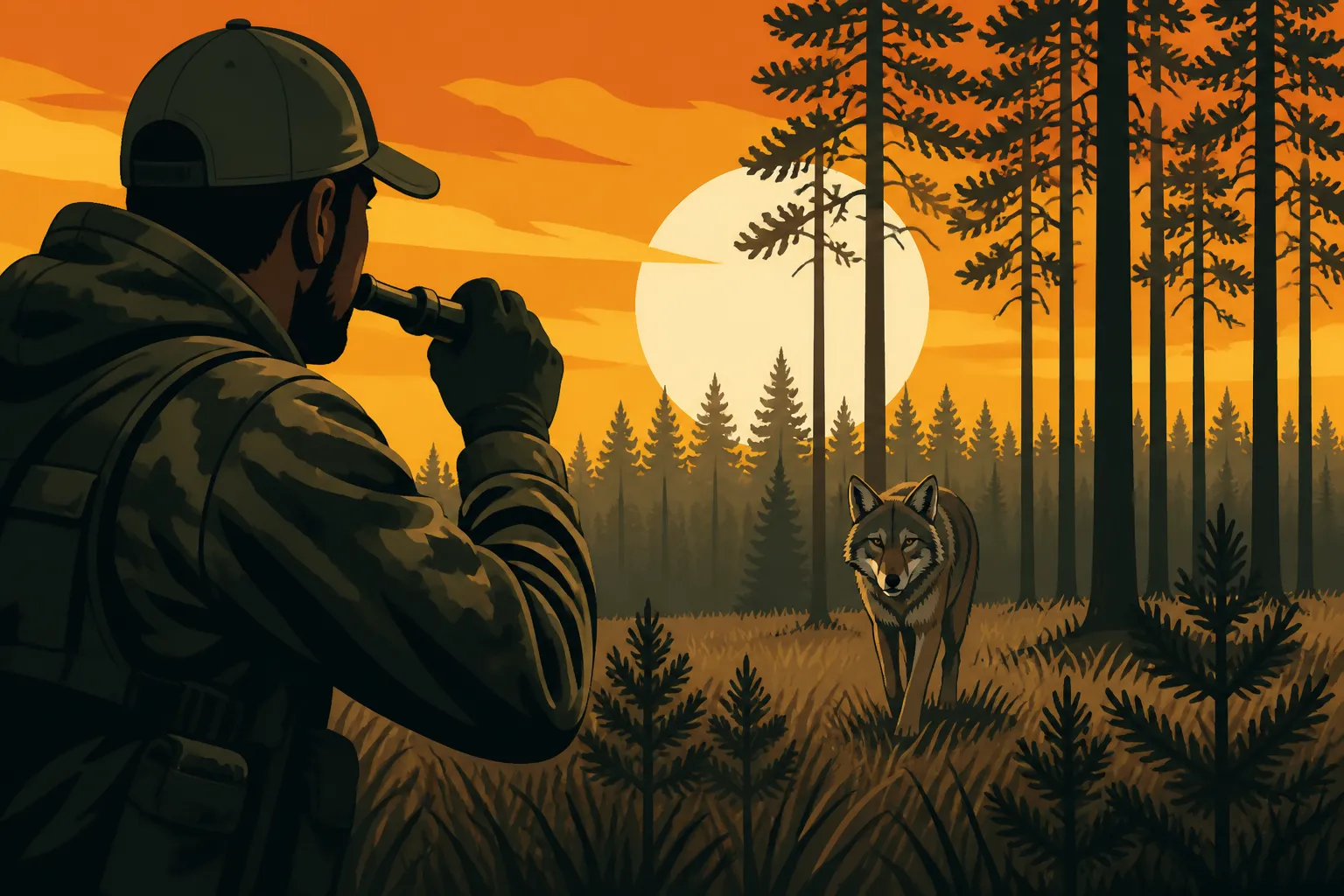
When it comes to calls, electronic calls like those from Foxpro or Primos are invaluable. They allow you to project sounds away from your position, pulling the predator's attention to a different spot. For pine plantations, consider sounds that mimic distressed prey commonly found in these areas: rabbit in distress, fawn in distress, and even turkey poult distress calls are highly effective. Don't forget to have a few mouth calls too, for quick adjustments or when you need to be completely silent with your setup. A good cottontail distress or a bird in distress mouth call can seal the deal.
Decoys are crucial, especially for bobcats and more cautious coyotes. A simple, motion-activated rabbit decoy like the Mojo Critter can draw attention away from you and provide a focal point for the incoming predator. The movement in the thick pines catches their eye, making them commit more readily to your setup. Place your decoy far enough from your position (20-30 yards is a good starting point) that the predator focuses on it, but close enough that you can still get a clean shot when they approach. Remember, in dense cover, visual confirmation can be challenging, so movement is key.
Firearms and Optics for Dense Cover
Shotguns, especially 12-gauge, are incredibly versatile for predator hunting in pine plantations. Loaded with T-shot or buckshot (like Federal Premium Heavyweight TSS or Winchester Double X), they offer a wide pattern that's forgiving in close-range, fast-action encounters. You're often dealing with shots under 50 yards, sometimes much closer, where a shotgun shines. If you prefer a rifle, a flat-shooting caliber like a .223 Remington or .22-250 Remington is excellent, but optics should be low power (1-4x or 2-7x) to allow for quick target acquisition in thick brush.
Thermal optics or night vision can be game-changers if you're considering Night Hunting Rules for Mississippi Coyotes where legal on private land. The ability to pierce through the darkness and often the minimal cover that obscures traditional optics gives you a distinct advantage. Even during daylight, a good pair of binoculars (8×42 or 10×42) is essential for scanning the lanes between rows and confirming what's coming in. For details on legal firearms, check out our piece on Mississippi Legal Firearms for Deer Hunting, as many of these principles apply to predator hunting too.
Camouflage and Scent Control Strategies
In predator hunting, blending in is paramount. Choose camouflage patterns that match the greens and browns of pine forests. Realtree Timber or Mossy Oak Bottomland are excellent choices for the varied vegetation you'll encounter in the Hunting the Piney Woods Region. Full head nets and gloves are non-negotiable; predators have incredible eyesight, and a flash of skin can send them packing. But beyond sight, their sense of smell is their superpower.
Scent control is often overlooked but can make or break a hunt. Shower with scent-free soap, wash your hunting clothes in scent-free detergent, and store them in airtight bags. Use a cover scent or an ozone generator to neutralize any lingering human odor. Play the wind, always, but even then, a slight shift can betray your position. In the dense, often stagnant air of a pine thicket, scent can hang and travel in unexpected ways. For general safety and visibility in the field, check out our guide on How Much Blaze Orange Mississippi Requires, though for predator calling, full camo is usually preferred for stealth.
Strategic Setup and Calling Techniques
Calling predators in Mississippi's pine plantations requires more than just pressing a button on an e-caller. It demands strategic thinking, a deep understanding of the terrain, and the ability to adapt your calling to the situation.
Scouting and Stand Selection in Pines
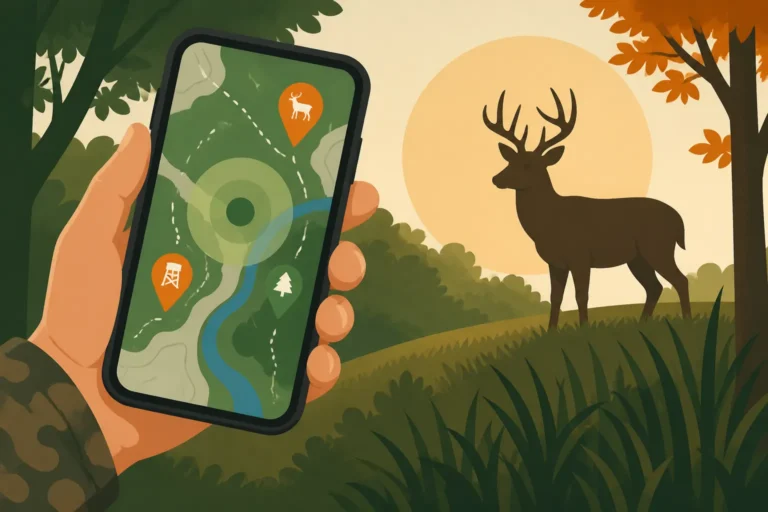
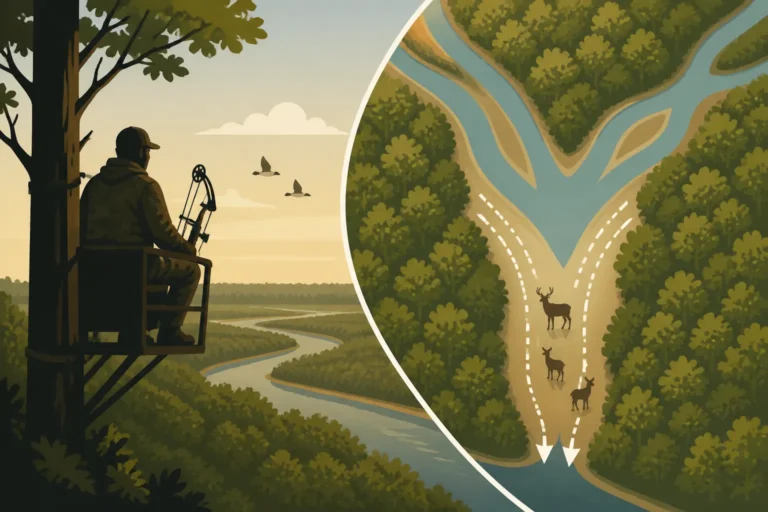
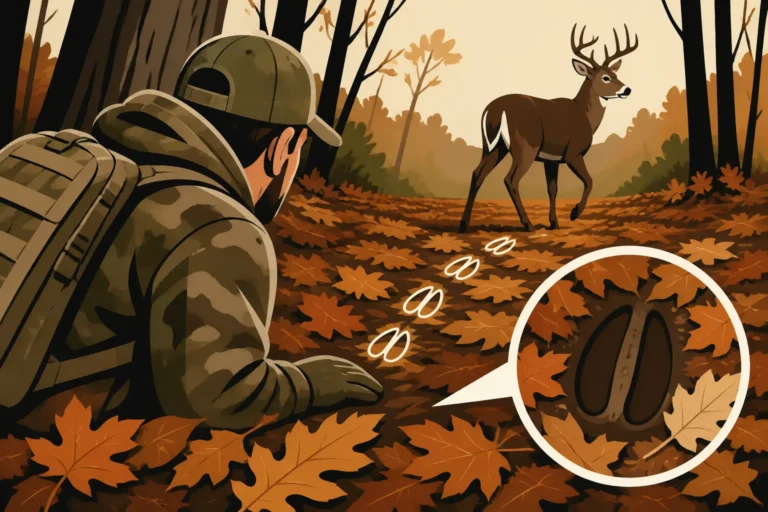
Before you even think about calling, you need to scout. Look for sign: tracks along logging roads, scat on trail crossings, or areas with heavy deer or rabbit sign. Pay particular attention to the edges of clear-cuts, creek bottoms that run through the pines, and natural funnels created by changes in timber stand age or density. These are prime travel corridors for predators. Using a mapping app like GoHunt or OnX Hunt can be incredibly helpful for identifying these features and marking potential stand locations, allowing you to visualize terrain even before you set foot in it.
When selecting your stand, think about visibility and wind. Position yourself with your back against a thick clump of trees or a larger pine, breaking up your silhouette. You want to see as far down the rows as possible, anticipating where a predator might approach. Consider any natural shooting lanes or openings. For optimal success, try to set up where you have at least 50-75 yards of clear view in a few directions. Don't be afraid to utilize natural cover like fallen trees or dense brush to create a natural blind. Scouting isn't just about finding predators; it's about finding the perfect place to intercept them. You can find more general tips for pre-season preparation in our Scouting Mississippi Public Land Before Season guide.
Mastering Call Sequences for Mississippi Predators
The art of predator calling lies in your sequence. Start soft with a few subtle distress calls, like a whimpering rabbit or a bird chirp, especially if you're hunting educated predators. Give it five to ten minutes. If nothing responds, gradually increase the volume and intensity. Mimic a full-blown rabbit in distress or a coyote pup howl to simulate a territorial challenge. Often, it's the silence after a loud, aggressive sequence that draws them in, as they creep closer to investigate.
Vary your calls. Don't just stick to one sound for 20 minutes. Mix in some coyote vocalizations – a challenge howl, a pup distress, or even a lone howl – to pique their curiosity or challenge a territorial male. If you're targeting bobcats, use more bird distress sounds or rodent squeaks, which tend to be more effective for them. Remember, patience is key. A typical calling stand should last at least 20-30 minutes, as predators in thick cover can take their time approaching. For deeper dives into specific calls, check out our piece on Coyote Calling in Mississippi Farm Country, which offers some transferable vocalization tips.
Reading Wind and Thermals in Pine Plantations
Wind is your ultimate friend or foe in predator hunting. Always set up with the wind in your favor, blowing your scent away from where you expect the predator to approach. This is easier said than done in dense pine plantations where canopy cover and rolling terrain can create swirling currents. However, general rule of thumb: never let your scent blow into the primary area you're calling.
Thermals, the rising and falling air currents, are equally important. In the morning, as the sun warms the earth, thermals rise. This means your scent will lift upwards. In the evening, as the air cools, thermals fall, carrying your scent down into low-lying areas. Understanding this helps you position yourself, especially near creek bottoms or ravines running through the pines. A good strategy is to use the morning rising thermals to your advantage by setting up on higher ground, letting your scent carry over the heads of incoming predators. In the evening, reverse that, setting up lower where falling thermals might carry your scent into less critical zones. Using a tool like GoHunt's wind and thermal overlays can give you a significant advantage in planning your approach.
Common Challenges and Solutions in Pine Plantations
Hunting predators in pine plantations isn't without its unique hurdles. The dense environment, combined with the cunning nature of the animals, can test even the most experienced caller. But with a bit of foresight and adaptation, these challenges can be overcome.
Dealing with Thick Cover and Limited Visibility
The most obvious challenge in pine plantations is the thick cover. It's fantastic for predators to hide in, but terrible for hunters trying to spot them. This is where your scouting pays off. Identify those subtle lanes, small openings, or transitions in timber density where you might get a visual. Consider creating a small shooting lane with a folding saw or limb trimmers before the season, if allowed on your hunting grounds, being mindful not to disturb the area too much.
When calling, constantly scan the entire area. Predators can appear silently, seemingly out of nowhere. Look for subtle movements: a flick of an ear, a flash of fur, or the sway of a sapling. Often, you'll hear them before you see them, so be prepared to shoulder your weapon quickly. This is where the wide pattern of a shotgun with dense shot can be a lifesaver, giving you a better chance at a moving target in tight windows. Thermal optics can also help penetrate some of this visual clutter, even in daylight, by highlighting heat signatures.
Overcoming Hunting Pressure and Educated Predators
Mississippi's public lands and even some private tracts can see significant hunting pressure, especially during deer and turkey seasons. This pressure makes predators wary, educating them quickly to common calling routines. If you're hunting an area that sees a lot of traffic, traditional, aggressive calling might be counterproductive. Instead, try a "less is more" approach.
Start with very soft, subtle calls, mimicking a single distressed animal. Use longer periods of silence between bursts of sound. Sometimes, a short, sharp burst of distress, followed by complete silence for several minutes, can pique the curiosity of a wary coyote. Vary your sounds, introducing less common vocalizations. Consider hunting during off-peak times or in areas deeper within the plantation that require a longer walk, as these spots tend to hold less pressured animals. Remember, the Hunting Pressure on Mississippi Public Land can be intense, so seeking out overlooked pockets is vital.
Adapting to Weather and Environmental Factors
Mississippi weather is famously unpredictable, and it greatly influences predator activity. Cold, clear days with a stable wind are generally ideal. Predators need to hunt more actively for food, and scent conditions are often stable. However, don't let a little rain deter you. Light rain can actually suppress human scent and muffle your approach, making for excellent calling conditions. Heavy rain or strong winds, however, can make calling almost impossible, as sounds don't carry well and animals are often hunkered down.
After a major weather event, like a cold front or heavy rain, predators often become very active as they make up for lost hunting time. These can be prime opportunities. Pay attention to how the canopy cover changes your experience. During very cold days, mature pines offer thermal cover, so predators might be found deeper within the thickest stands. Conversely, on warm days, they might seek out shaded creek bottoms or dense, cooler undergrowth.
Post-Hunt Considerations and Ethical Practices
A successful predator hunt doesn't end when the shot is fired. Responsible hunters understand the importance of ethical practices, from tracking to understanding regulations.
Tracking and Recovery in Dense Pine Thickets
In the dense environment of a pine plantation, tracking a hit animal can be incredibly difficult. Even a well-placed shot can result in a short run into an impenetrable thicket. Always mark your shot location and the last place you saw the animal. Take your time, look for blood, broken branches, and disturbed leaf litter. If you're hunting with a partner, spread out slightly, but maintain visual contact to cover more ground efficiently.
Give the animal some time if you suspect it's not a lethal shot. A wounded predator might lie down to expire. If blood trailing becomes difficult, use a grid search pattern. Having a good flashlight, even in daylight, can help illuminate blood trails in shaded areas. For larger tracts, consider a GPS with marked waypoints, or the aforementioned GoHunt app, which can help you stay oriented and effectively grid search an area. Recovering every animal you shoot is an ethical imperative, regardless of whether it's a deer or a coyote.
Responsible Predator Management and Dispatch
Predator hunting is often about management, not just sport. By selectively removing problem coyotes or bobcats, especially those impacting local deer or turkey populations, you contribute to a healthier ecosystem balance. Once an animal is recovered, ensure a quick and humane dispatch if it's still alive. A second, close-range shot with a pistol or small-caliber rifle is often sufficient.
As for the carcass, local regulations often dictate disposal. On private land, you might bury it or leave it in an out-of-the-way spot. On public lands like the Homochitto National Forest Hunting or other WMAs, check specific rules. Some hunters choose to skin and process the fur, especially during colder months when pelts are prime. Others simply remove the animal from the immediate area to prevent any disease spread or unsightly scenes.
Legalities and Regulations for Predator Hunting
It's crucial to be fully aware of Mississippi's regulations regarding predator hunting. While coyotes and feral hogs are often considered nuisance animals with year-round open seasons on private land, specific rules apply to public lands. For bobcats and foxes, there are designated hunting and trapping seasons, often aligning with small game or furbearer seasons. Always consult the current Mississippi Department of Wildlife, Fisheries, and Parks (MDWFP) hunting guide before you head out.
Also, be mindful of equipment restrictions. Night hunting with lights or thermal optics is typically only allowed on private land with landowner permission, and even then, specific rules regarding weapon type might apply. Pay attention to firearms regulations, ensuring your chosen weapon is legal for the species you're pursuing. Always carry your valid Mississippi Hunting Licenses and What They Cost. For details on broader hunting rules, our guide on Predator Hunting in Mississippi is a great resource.
| Predator Species | Typical Habitat in Pine Plantations | Best Calls to Use | Preferred Approach Angle | Prime Hunting Season |
|---|---|---|---|---|
| Coyote | Anywhere, especially edges/thickets | Rabbit, Fawn, Pup Howl | Upwind, parallel to rows | Year-round, best Fall-Spring |
| Bobcat | Dense young pines, creek bottoms | Bird, Rodent, Fawn | Stealthy, often quartering | Fall-Winter |
| Fox | Mature pine edges, mixed woods | Bird, Mouse, Small Rabbit | Cautious, slow, uses cover | Fall-Winter |
Disclaimer
The information provided in this guide is for general informational purposes only and does not constitute legal advice. Hunting regulations and laws are subject to change. Always consult the most current Mississippi Department of Wildlife, Fisheries, and Parks (MDWFP) regulations and local ordinances before engaging in any hunting activities. It is your responsibility to ensure compliance with all applicable laws.