Why Delta Forest Is the Only Bottomland Hardwood National Forest
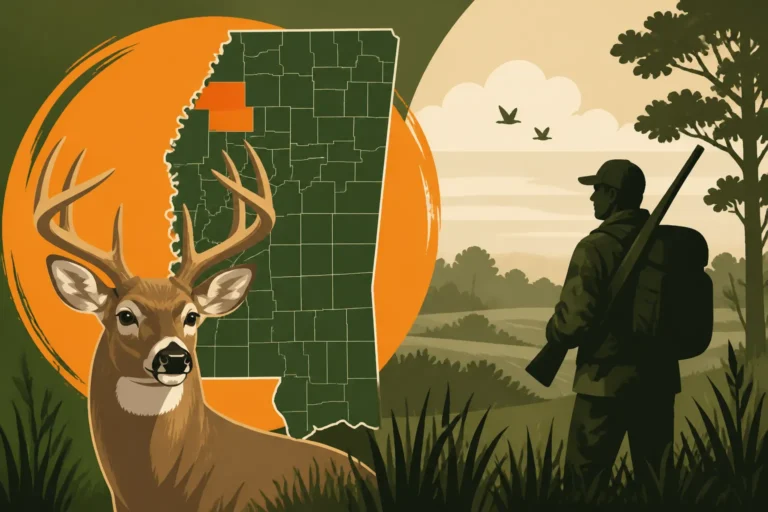
For hunters and outdoor enthusiasts in Mississippi, the Delta National Forest stands out as a true gem, but many don't fully grasp just how unique this vast expanse of timber really is. It’s not just another public hunting ground; it’s the only bottomland hardwood National Forest in the entire United States. This guide will dive deep into what makes the Delta National Forest a singular ecological treasure and an unparalleled hunting destination, exploring its history, challenges, and incredible opportunities.
What Makes the Delta National Forest Unique
When you hear "National Forest," you might picture sprawling pine plantations or rolling upland hills, common enough sights across our great state. But the Delta National Forest breaks that mold entirely. It's a remnant of a bygone era, a living testament to the incredible ecosystems that once dominated the Mississippi Alluvial Plain.
Defining Bottomland Hardwoods
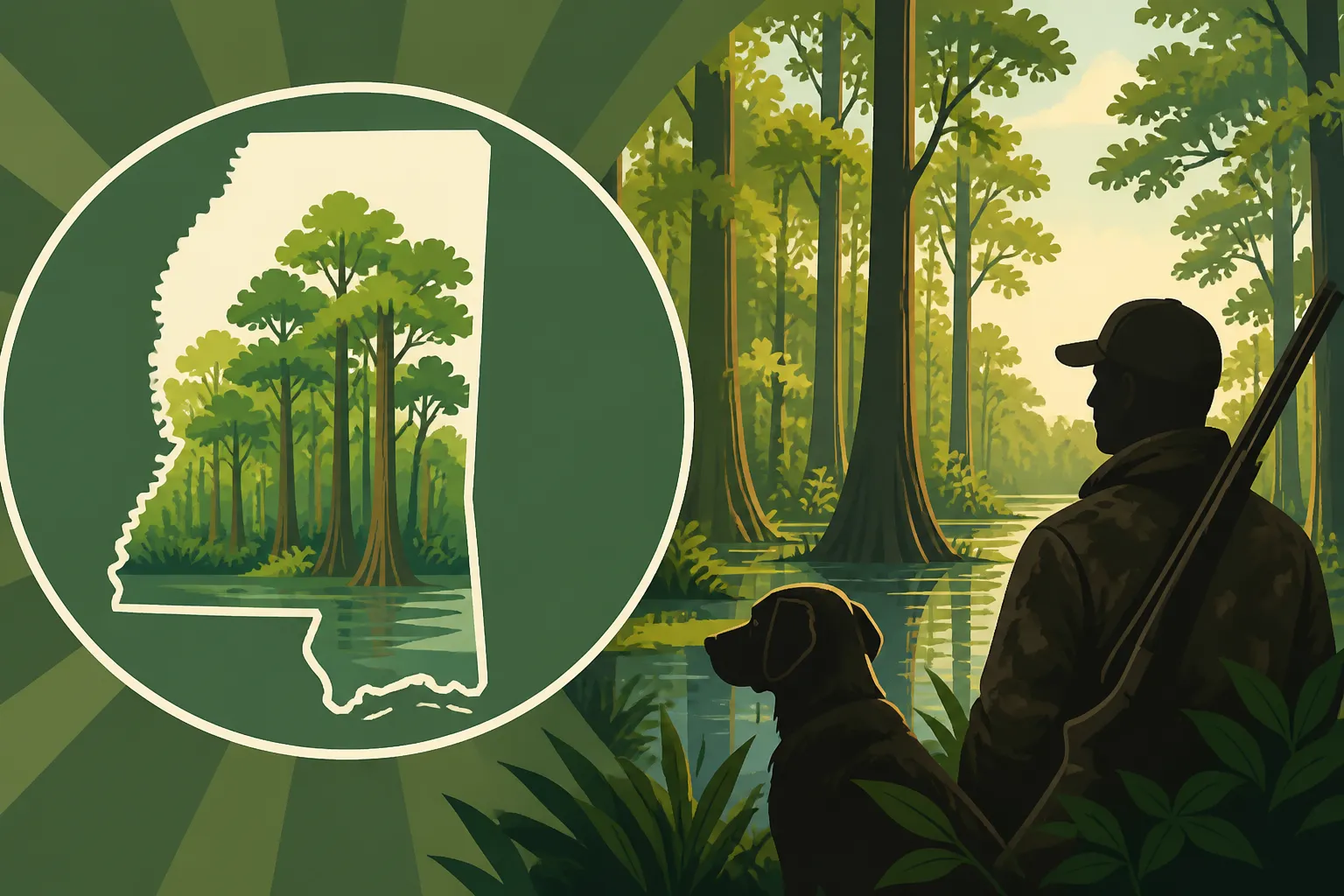
Let's talk about what "bottomland hardwood" actually means. Imagine a forest that thrives in the rich, fertile soils deposited by ancient river systems, frequently subjected to seasonal flooding. These aren't your typical dry-land woods. We're talking about towering oaks – Nuttall, Water, Willow – that drop acorns like rain, providing a critical food source for deer, turkeys, and countless other species. Add in sweetgum, cypress, tupelo, and a thick understory of palmettos, vines, and brush, and you start to get the picture.
This is a dynamic environment, constantly shaped by water. When the Mississippi River or its tributaries swell, these forests can become inundated, sometimes for weeks or even months. Wildlife has adapted to this rhythm, often seeking higher ground or moving through the water itself. For a hunter, this means understanding how water levels influence game movement and access, which is a whole different ballgame than still-hunting a pine ridge. It's an immersive experience that connects you directly to the powerful forces of nature that sculpted this land over millennia.
Biodiversity and Ecosystem Services
The sheer biodiversity found within the Delta National Forest is staggering. Because of its unique position and the consistent presence of water, it acts as a critical corridor and habitat for an incredible array of wildlife. Beyond the abundant white-tailed deer, you'll find healthy populations of wild turkeys that thrive in these mature hardwoods, as well as a robust population of feral hogs that call the dense cover home. Feral Hogs Across Mississippi are a constant presence here, offering year-round hunting opportunities.
But it’s not just big game. The forest is a birder's paradise, hosting migratory songbirds, wading birds, and, crucially for hunters, an abundance of waterfowl. These wetlands are vital stopovers and wintering grounds on the Mississippi Flyway, drawing ducks and geese by the thousands. The rich soil and diverse plant life also support a thriving ecosystem of small game like squirrels and rabbits, as well as furbearers and predators. Coyotes and Predators in Mississippi are certainly present, maintaining the natural balance. This forest doesn't just provide habitat; it performs essential ecosystem services, acting as a natural flood buffer, filtering water, and producing clean air, benefiting everyone, not just hunters.
Seasonal Flooding and Its Impact
The seasonal flooding, while sometimes challenging for access, is arguably the most defining characteristic of this forest and a major reason for its unique ecological value. When the water rises, it distributes nutrients, recharges groundwater, and creates temporary wetlands that are absolute magnets for ducks. For deer, it means higher ground becomes even more critical, funneling animals into predictable travel corridors as they seek refuge from the rising waters.
Navigating these flooded landscapes requires specialized knowledge and equipment, from boats and ATVs (where permitted) to chest waders and a keen eye for subtle changes in elevation. Understanding the historical flood patterns and paying close attention to current river gauges is paramount for planning any hunt here. The ever-changing water levels make every season, and sometimes every week, a unique puzzle to solve. This dynamism ensures that the Delta National Forest remains a wild and challenging, yet incredibly rewarding, place to hunt.
The History Behind Its Designation
To understand why the Delta National Forest is the only bottomland hardwood National Forest, we need to step back in time and look at the dramatic transformation of the Mississippi Delta landscape.
Logging and Land Use History
For centuries, the Mississippi Alluvial Plain was one of the most productive and biologically diverse ecosystems on the continent. It was a vast, continuous expanse of bottomland hardwoods, cypress swamps, and cane brakes, teeming with wildlife. However, with the advent of large-scale logging and the insatiable demand for timber and agricultural land in the late 19th and early 20th centuries, this changed dramatically.
The rich, black soil of the Delta was perfect for growing cotton and later, soybeans. Millions of acres of old-growth bottomland hardwoods were clear-cut, the land drained, and converted to agriculture. What wasn't cut for agriculture was often heavily logged for its valuable timber, particularly the oaks and cypress. This era saw an unprecedented destruction of this unique habitat, leaving only scattered remnants of what once was a continuous forest. The scale of this transformation is hard to imagine today, but it’s why preserved tracts like the Delta National Forest are so incredibly precious.
Federal Protection and Acquisition
Amidst this widespread deforestation, farsighted conservation efforts began to emerge. The Delta National Forest itself was established in the 1930s, primarily through the acquisition of heavily cut-over land, often exhausted by repeated logging. The goal was not only to protect what little remained but also to restore the degraded landscape. Unlike other National Forests that were designated from existing federal lands, the Delta National Forest was actively created through land purchases, specifically with the intent to re-establish a bottomland hardwood ecosystem.
This designation was a recognition of the unique ecological value of the remaining bottomland hardwoods and a commitment to their long-term preservation and restoration. While other National Forests in Mississippi, like the Homochitto or Bienville, primarily encompass piney woods or upland mixed forests, the Delta National Forest was specifically earmarked for its irreplaceable bottomland character. It was a deliberate act of conservation to save a disappearing landscape. This makes it a rare success story in the face of overwhelming habitat loss.
Challenges in Other Regions
The fact that the Delta National Forest remains the only bottomland hardwood National Forest underscores the immense challenges faced in preserving these ecosystems elsewhere. In states like Arkansas, Louisiana, and Missouri, where similar bottomland forests once existed, the pressure for agricultural conversion was equally, if not more, intense. While some state and federal lands in these areas do contain bottomland hardwoods, they are typically found within wildlife management areas or national wildlife refuges, which often operate under different management directives than a National Forest.
The "National Forest" designation implies a multi-use mandate that includes timber production (managed sustainably in this context), recreation, and wildlife, all while prioritizing the unique ecological character. The Delta National Forest’s status is a stark reminder of how much of this incredible habitat has been lost and how vital it is to protect and carefully manage what little remains. Its singularity isn't just a point of pride; it's a call to understand and support the specific conservation efforts required to keep it healthy for generations to come.
Hunting Opportunities in This Rare Habitat
Hunting in the Delta National Forest is an experience unlike any other in Mississippi. The unique bottomland hardwood ecosystem presents both challenges and incredible rewards for the prepared hunter.
Deer Hunting in Bottomland Hardwoods
If you're after Mississippi whitetails, the Delta National Forest offers some truly fantastic opportunities, but you need to adjust your tactics. Deer in these bottomland hardwoods are masters of using cover and adapting to changing water levels. Instead of focusing on clear-cuts or pine thickets, you'll be looking for subtle rises in elevation, dense palmetto thickets, and areas with heavy mast production, especially from those crucial oak trees. Deer Density by Mississippi Unit is typically high in areas with good habitat, and the Delta National Forest provides that in spades.
During periods of low water, deer will spread out, but as water levels rise, they concentrate on ridges, old road beds, and other high ground. This funneling effect can make for exceptional hunting if you've done your homework. Setting up a treestand or ground blind along these pinch points or natural travel corridors can be highly effective. Remember, the mature timber often means bucks can grow older and larger, though they can be incredibly elusive in such dense cover. Patience and scent control are paramount, as these deer live in a scent-rich, visually challenging environment. Hunting Delta Unit Bottomland Deer takes a specific approach.
Waterfowl Hunting in Greentree Reservoirs
One of the crown jewels of the Delta National Forest, especially for waterfowlers, are its Greentree Reservoirs (GTRs). These are managed bottomland hardwood tracts that are intentionally flooded during the fall and winter to create prime duck habitat. As the season progresses, these flooded timber areas become irresistible magnets for migrating mallards, wood ducks, and other dabblers. Hunting Greentree Reservoirs for Mallards is a bucket-list hunt for many.
The experience of calling ducks into a flooded oak forest, with timber towering above and the sound of wings whistling through the branches, is truly magical. Access to these GTRs often involves boating or wading, and scouting before the season is critical to understand water depths and where the ducks are loafing and feeding. There are usually specific regulations regarding blind placement and shooting hours, so always check the latest MDWFP guidelines. These areas can get pressure, especially on opening weekends and during prime migration periods, but the rewards of a successful hunt in a GTR are second to none. Waterfowl Hunting the Mississippi Delta highlights the region's overall importance to ducks.
Feral Hog and Small Game Pursuits
Beyond deer and ducks, the Delta National Forest provides excellent opportunities for other game. Feral hogs are an ever-present force in these bottomlands, and they offer a challenging, year-round hunting pursuit. Their destructive rooting habits are evident throughout the forest, and they thrive in the thick cover. Hunting hogs often involves stalking through dense undergrowth, ambushing them near wallows or feeding areas, or even night hunting where regulations permit on private land. Running Dogs on Mississippi Feral Hogs is a popular method in many areas, though rules vary on public lands.
For small game enthusiasts, the mature hardwoods are squirrel heaven. The abundance of acorns and other mast crops means healthy populations of both gray and fox squirrels. Still-hunting or squirrel hunting with dogs are classic ways to enjoy the cooler days of fall and winter. Rabbits can also be found in the thicker brush and cane brakes, especially along forest edges and clearings. While often overlooked for the glamour of deer or ducks, these small game hunts offer a chance to experience the forest's bounty in a more relaxed, yet still engaging, way. Squirrel and Small Game Hunting in Mississippi provides a great overview of these often-underestimated opportunities.
| Game Species | Primary Habitat Focus | Best Season(s) | Key Tactics |
|---|---|---|---|
| White-tailed Deer | Oak flats, high ground, palmetto thickets | Fall/Winter (Archery, Gun, Muzzleloader) | Stand hunting funnels, scouting mast crops, understanding flood impact |
| Wild Turkey | Ridge tops, mature hardwoods, creek bottoms | Spring (March-May) | Calling from the roost, run-and-gun, setting up near fields |
| Feral Hog | Any dense cover, wallows, feeding areas | Year-Round | Stalking, stand hunting, baiting (where legal), night hunting (private land) |
| Mallard & Wood Duck | Greentree Reservoirs, flooded timber, sloughs | Fall/Winter (Duck Season) | Decoys, calling, understanding migration patterns, water levels |
| Squirrel | Mature oaks, hickory groves, hardwood ridges | Fall/Winter | Still-hunting, dog hunting, focusing on mast production |
| Rabbit | Thick brush, cane breaks, fencerows, clearings | Fall/Winter | Beagles, pushing thickets |
Navigating the Delta National Forest
Hunting in the Delta National Forest isn't like walking into your backyard woodlot. Its size, dense cover, and often-wet conditions demand careful planning and the right tools.
Understanding the Terrain and Access
The terrain in the Delta National Forest, while generally flat, can be deceptively challenging. Low-lying areas can become impassable when flooded, turning trails into waterways and making access difficult. Old logging roads crisscross the forest, but many are unmaintained and can be deeply rutted or overgrown. It’s critical to understand which roads are open to vehicular traffic, which are gated, and which are strictly foot traffic or ATV only (where permitted).
Access points are often spread out, and you might find yourself walking significant distances to get to prime hunting spots. The dense understory can make navigating on foot tricky, especially without a clear trail. It's easy to get disoriented, even on a cloudy day, as the thick canopy can obscure the sun. Always let someone know where you're going and when you expect to return, and carry a reliable compass or GPS device. Knowing whether you're in the Yazoo County Public Hunting Ground or a neighboring county can also impact regulations.
Utilizing Mapping Tools
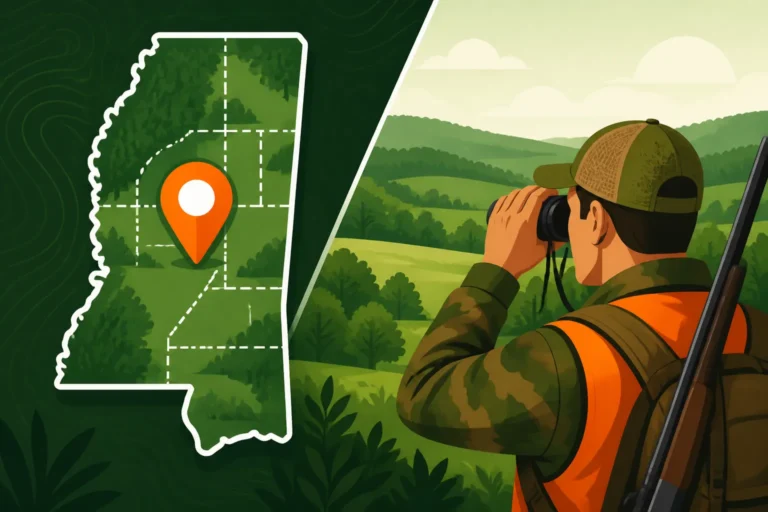
This is where modern technology truly shines. Mapping applications like onX Hunt are absolutely invaluable in the Delta National Forest. With onX Hunt, you can download offline maps of the entire area before you even leave cell service. This allows you to pinpoint your exact location, track your movement, mark waypoints for your stand sites or game sign, and, most critically, identify property boundaries. Knowing whether you're on public land or accidentally encroaching on private timber leases can save you a lot of headache.
Similarly, other mapping services like GoHunt offer detailed topographical maps and satellite imagery that can help you identify subtle elevation changes, sloughs, and dense cover that might hold deer or ducks. You can scout from your couch, identifying potential access routes, funnels, and bedding areas before you ever step foot in the woods. These tools also allow you to overlay public land designations and WMA boundaries, which is crucial given the patchwork nature of some public land ownership. Learning to effectively use these digital tools will dramatically increase your safety and success in this vast forest. Scouting Mississippi Public Land Before Season is a must, and these apps are key.
Planning Your Trip and Staying Safe
A successful hunt in the Delta National Forest starts long before you pull on your boots. Researching current conditions, including river levels and rainfall, is essential. Pack appropriate gear: waterproof boots, chest waders, insect repellent (especially early season), a headlamp, and plenty of water and snacks. Given the remote nature of much of the forest, a first-aid kit and signaling device are also smart additions.
Consider bringing a buddy, especially if you're exploring new areas or tackling challenging terrain. Understanding Mississippi Blaze Orange Requirements is also crucial for safety during gun seasons. With the possibility of encountering other hunters, especially in popular areas, practicing responsible hunting ethics and knowing your backstop is always paramount. Finally, be prepared for primitive camping if you plan to stay overnight, as developed facilities are limited. The adventure of the Delta National Forest is waiting, but preparation is your best friend.
Conservation and Future of Delta National Forest
The existence and continued health of the Delta National Forest are not guarantees. They are the result of ongoing conservation efforts and face persistent threats. Understanding these aspects helps hunters become better stewards of this irreplaceable resource.
Ongoing Management Efforts
The U.S. Forest Service, in cooperation with the Mississippi Department of Wildlife, Fisheries, and Parks (MDWFP), actively manages the Delta National Forest to maintain and enhance its unique bottomland hardwood ecosystem. This management includes a variety of practices aimed at promoting forest health, wildlife habitat, and sustainable public access. Timber management, for instance, focuses on selective harvesting and regeneration practices that mimic natural forest dynamics, ensuring a continuous supply of mature mast-producing trees while also creating diverse age classes of timber that benefit different wildlife species.
Additionally, water management plays a crucial role, particularly in the greentree reservoirs. These areas are carefully flooded and drained on a schedule designed to maximize waterfowl habitat and provide food for migratory birds. Controlled burns are also sometimes used to manage understory vegetation, reduce fuel loads, and promote the growth of desirable plants. These efforts are complex and require constant monitoring and adaptation to changing environmental conditions, all with the goal of preserving this truly special place. How Mississippi WMAs Are Managed provides insight into similar management philosophies across the state.
Threats to This Ecosystem
Despite the dedicated management, the Delta National Forest faces several significant threats. Climate change, with its potential for more extreme weather events, including prolonged droughts or more intense flooding, poses a long-term risk. These shifts could alter the delicate balance of the bottomland ecosystem, impacting tree health, water availability, and wildlife populations.
Another persistent threat comes from invasive species, both plant and animal. Aggressive non-native plants can outcompete native vegetation, reducing the quality of forage and cover for wildlife. Feral hogs, as we've already discussed, are a major problem, causing extensive damage to forest soils and competing with native species for food. Crop Damage Hogs Cause in the Delta is a serious concern, even within the forest itself. Diseases, like Chronic Wasting Disease (CWD) in deer, also present a grave challenge, requiring vigilance and adaptive management strategies to protect the health of the deer herd. Mississippi's Chronic Wasting Disease Zones are something every hunter needs to be aware of.
The Importance of Responsible Hunting
As hunters, we play a critical role in the conservation of the Delta National Forest. Our license fees and excise taxes on hunting equipment directly fund wildlife management and habitat restoration projects. Beyond financial contributions, responsible hunting practices are essential. This includes adhering to all regulations, accurately reporting harvests, and practicing ethical sportsmanship. By being stewards of the land, we help maintain healthy wildlife populations and ensure the long-term viability of this unique ecosystem.
Participating in volunteer efforts, reporting suspicious activities, and educating others about the value of the Delta National Forest are all ways to contribute. This isn't just a place to hunt; it's a living, breathing laboratory for conservation, a place where generations of hunters can connect with a truly wild Mississippi. By understanding its uniqueness, appreciating its history, and actively participating in its conservation, we can ensure that the Delta National Forest remains the only bottomland hardwood National Forest for many years to come.
Disclaimer
This article is for general informational purposes only and does not constitute professional advice. Laws, prices and regulations vary by location and change over time. Consult a qualified professional for guidance on your specific situation.