Trim Cane WMA Small Game Hunting
For many Mississippi hunters, the sheer scale of deer and turkey seasons often overshadows the quiet satisfaction found in pursuing small game. But let's be honest, not every weekend calls for an intense deer stand vigil or a grueling run-and-gun turkey hunt. Sometimes, you just want to get out in the woods, enjoy the crisp air, and come home with a few squirrels or rabbits for the pot. That's where places like Trim Cane Wildlife Management Area (WMA) really shine. This guide is all about helping you understand and maximize your small game hunting success at Trim Cane, offering actionable insights and dispelling some of the mystery around WMA hunting.
Understanding Trim Cane WMA's Small Game Potential
Trim Cane WMA, located in Oktibbeha County near Starkville, offers a fantastic blend of habitats that are often overlooked by hunters focused solely on bigger game. While it might not be the first place that comes to mind for a trophy buck, its diverse landscape makes it a gem for those of us who appreciate the thrill of a squirrel barking or a cottontail flushing from a briar patch. It’s a welcoming spot for anyone looking for a more relaxed, yet still productive, hunting experience.
Habitat at Trim Cane WMA for Small Game
Trim Cane WMA is a patchwork quilt of managed timber, agricultural fields, and natural bottomland areas, all of which contribute to a thriving small game population. For squirrel hunters, the mature hardwoods are your bread and butter. Think towering oaks, hickories, and pecan trees, especially those bordering the WMA's various water sources. These areas are vital, as they provide the consistent mast crops that squirrels depend on for food throughout the fall and winter. When you find a stand of older timber with a good canopy and a clean understory, you're likely in a prime squirrel zone. These bottomland sections are fantastic. Squirrel Hunting Delta Bottomland Hardwoods can offer similar tactical insights for this kind of terrain.
Rabbit hunters, on the other hand, will find their sweet spots along the edges of agricultural fields, in the dense thickets, and around brush piles that dot the WMA. Rabbits thrive in areas with plenty of cover, where they can quickly dive for safety when a predator approaches. Look for briar patches, dense sapling growth, fencerows (though respect property boundaries, of course), and areas where timber management has created thick regrowth. These dense areas, often just off a dirt road or adjacent to a planted field, are perfect for cottontails. Rabbit Hunting Thick Mississippi Brush is a great resource for understanding this habitat.
Why Trim Cane Stands Out for Small Game Hunters
Trim Cane WMA truly distinguishes itself as a premier small game destination for several reasons. First and foremost is its accessibility. Unlike some vast national forests that require extensive hiking to reach productive areas, Trim Cane often has a good network of roads and trails that allow hunters to get into prime spots without an epic trek. This makes it ideal for a morning or afternoon hunt, even if you don't have an entire day to dedicate. It's a place where you can realistically walk in, find good sign, and be hunting within a short distance from your vehicle.
Secondly, the hunting pressure for small game is often significantly lower than for deer or turkeys. While the WMA might see its share of big game hunters during their respective seasons, many overlook the abundant small game opportunities. This means less competition for prime squirrel woods or rabbit thickets, allowing for a more peaceful and often more successful hunt. It offers a wonderful alternative to fighting crowds on opening day for deer. Plus, the focused management for a variety of wildlife often means consistent habitat suitable for small game, ensuring a renewable resource for hunters year after year.
Key Small Game Species and Seasons at Trim Cane
Knowing what you're hunting and when is fundamental to a successful trip to Trim Cane. Mississippi's small game seasons are generous, offering ample opportunity to chase squirrels and rabbits, which are the mainstays of a Trim Cane small game outing. Always double-check the latest regulations from the MDWFP, as dates and specific rules can shift slightly from year to year.
Squirrel Hunting Opportunities
Trim Cane offers fantastic squirrel hunting, primarily for gray squirrels, but you'll also find fox squirrels, particularly in the more open timbered areas or along the edges of fields. Gray squirrels are abundant in the dense, mast-producing hardwood bottoms, while the larger, more cautious fox squirrels tend to favor mature, less dense timber with a bit more open understory. When Mississippi Squirrel Season Opening Day rolls around, the woods are typically still fairly green, which means less visibility but more cover for both you and the squirrels.
For successful squirrel hunting, focus on those mature oak and hickory stands, especially early in the season when the mast is dropping. Look for "cutting sign" – chewed nut shells on stumps, logs, or even scattered on the forest floor. This tells you squirrels are actively feeding in that area. As the season progresses and leaves fall, visibility improves, but squirrels become more wary. Still-hunting, moving slowly and scanning trees ahead, is a classic and effective tactic. You might also consider sitting quietly near a known food source at first light or late afternoon, letting the squirrels come to you. Don't forget that Mississippi Squirrel Daily Bag Limit is generous, so you can often fill a vest if you're in the right spot.
Rabbit Hunting Strategies
Rabbit hunting at Trim Cane is another rewarding pursuit, and it often pairs well with squirrel hunting, as some of their habitats overlap. Cottontails love dense cover – think briar patches, honeysuckle thickets, dense sapling stands, and downed timber. These "escape cover" areas are their fortresses, and knowing how to approach them is key. Mississippi Rabbit Season Opening Day typically coincides with cooler weather, making it a comfortable time to be crashing through the brush.
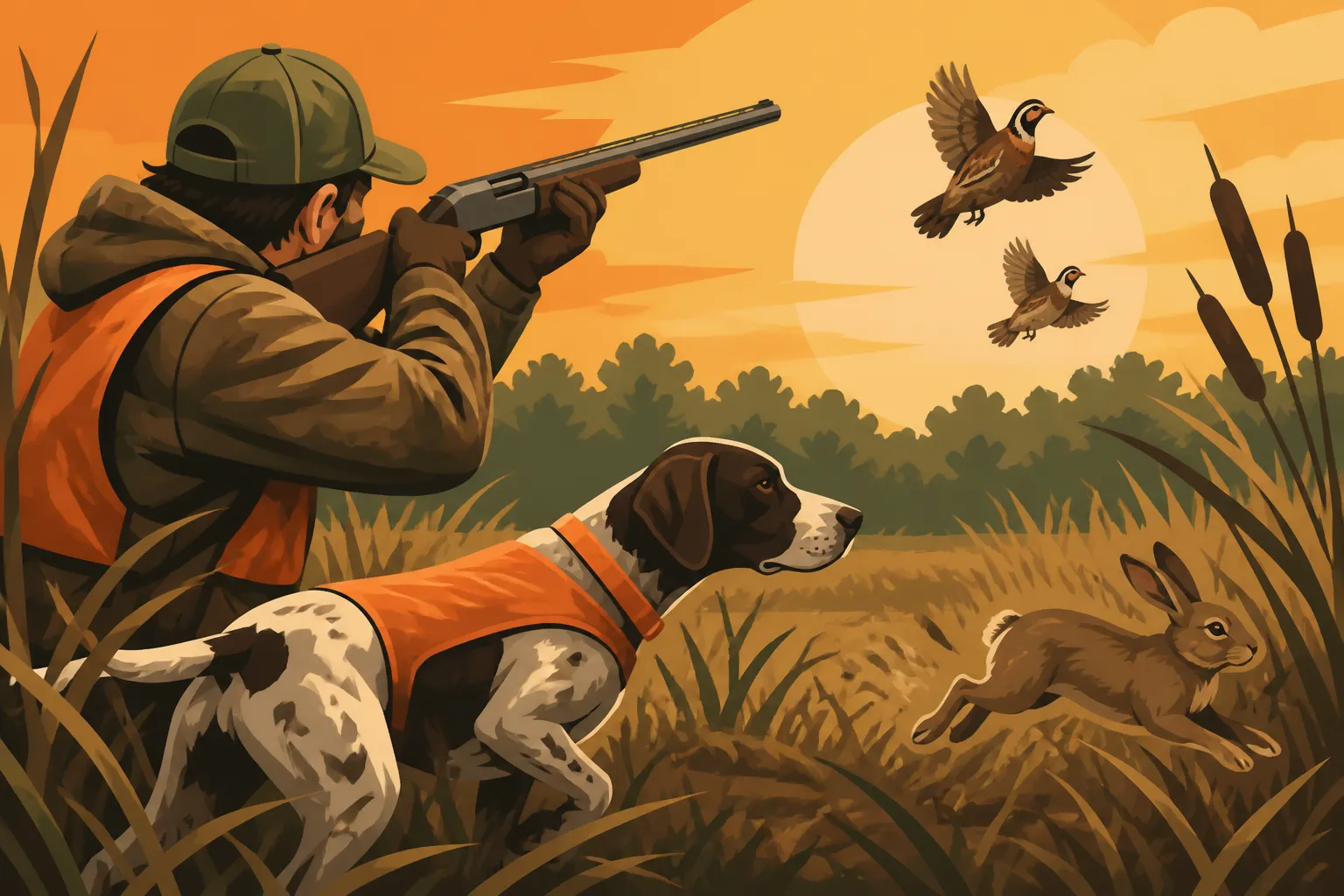
If you're hunting without dogs, the most common tactic is "kicking brush." This involves systematically walking through dense cover, stomping and shaking bushes to flush rabbits out. Work slowly and methodically, moving in a line with partners if possible, to push rabbits towards open lanes where you can get a shot. Look for rabbit tracks in the mud or snow, and fresh droppings to indicate active areas. A good pair of briar-proof pants is an absolute must if you plan to get into the thick stuff. For those who hunt with beagles, Trim Cane's habitat provides excellent opportunities. Running Beagles on Mississippi Cottontails can be an incredibly exciting and effective way to hunt rabbits, as the dogs will often push rabbits in circles, giving hunters multiple shot opportunities. Just be sure to check WMA rules regarding dog hunting for small game.
Tactics for Success at Trim Cane WMA
Success at Trim Cane, like any public land, often boils down to preparation and smart hunting. It's not about being the best shot; it's about being the most observant and strategic. Understanding the landscape and how to use modern tools can make a significant difference in your harvest.
Scouting and Entry for Small Game
Before you even set foot on Trim Cane WMA, a little digital scouting can pay huge dividends. Tools like onX Hunt are invaluable for this. You can pull up aerial imagery and identify key habitat features from your couch. Look for the transition lines between mature hardwoods and younger timber, or where fields meet dense brush. These "edge habitats" are often magnets for small game. Identifying potential pinch points, old logging roads, or small creek bottoms can give you a game plan before you arrive. GoHunt also offers resources that can highlight public land boundaries and features, helping you understand the lay of the land.
When you arrive, plan a quiet entry. For squirrels, this means approaching your target area as silently as possible, especially if you plan to still-hunt at first light. For rabbits, a more direct approach into known thickets is fine, but still pay attention to wind direction and avoid making unnecessary noise that might push game out of your desired zone. Scouting Mississippi Public Land Before Season isn't just for deer; it's just as crucial for locating those prime squirrel or rabbit haunts. Remember, the goal is to surprise the game, not announce your arrival from a mile away.
Gear and Safety Considerations
The right gear makes all the difference for a comfortable and productive small game hunt at Trim Cane. For squirrels, a .22 rifle is a popular choice for its accuracy and quieter report, allowing for multiple shots in an area. A shotgun (20 gauge or 12 gauge with small shot like 6s or 7.5s) is also excellent, especially for moving targets or in denser cover. For rabbits, a shotgun is almost always preferred due to the fast-flushing nature of the game.
Beyond your firearm, durable, comfortable footwear is paramount. You'll be doing a lot of walking, potentially through uneven or wet terrain, so waterproof boots are a wise investment. Briar-proof pants are a lifesaver for rabbit hunters who will be busting through thickets. A game vest or small backpack for carrying your harvest, water, snacks, and any calls is also essential. And never, ever forget safety. Always follow basic firearm safety rules. Additionally, Mississippi has clear requirements for wearing How Much Blaze Orange Mississippi Requires during certain seasons, which is crucial for visibility and safety, especially when other hunters might be in the area. A small first-aid kit, a whistle, and a compass or GPS (even your phone with a mapping app) can be vital in unfamiliar territory.
Navigating Trim Cane WMA and Essential Prep
Hunting Trim Cane WMA is a fantastic opportunity, but it requires more than just showing up with a gun. Proper preparation, understanding the rules, and knowing how to navigate the area are critical for a safe, legal, and successful hunt.
Licenses and Regulations Specific to Trim Cane
Before you head out, securing the correct licenses is non-negotiable. As a general rule, all hunters on Mississippi public lands, including WMAs, need a valid Mississippi hunting license. For most residents, the Mississippi Resident Sportsman's License Cost is the most comprehensive option, covering a wide range of game. Non-residents have several options, including a Mississippi Nonresident All-Game License Cost or a Mississippi Seven-Day Nonresident License Cost, depending on the length of your stay. Additionally, a WMA permit is required for anyone hunting on a wildlife management area. You can find detailed information on the Mississippi WMA Permit Requirement and purchase permits easily online through the MDWFP website.
It's absolutely vital to review the specific regulations for Trim Cane WMA. While statewide rules apply, WMAs often have additional regulations concerning hunting dates, legal weapons, check-in/check-out procedures, and other site-specific rules. These are usually posted at WMA entrances and are always available on the MDWFP website. Some WMAs require you to check in and out, either physically or electronically, so be prepared for that. Always, always verify the specific rules before your hunt to avoid any unintentional violations.
Mapping and Navigation Tools
Even though Trim Cane might feel more accessible than some other public lands, it's still easy to get turned around, especially when you're focused on flushing a rabbit or spotting a squirrel. Modern navigation tools are game-changers for public land hunters. The MDWFP offers its own app and map tools that are incredibly useful for identifying WMA boundaries and internal features. Using the MDWFP Map Tool on your smartphone can save you a lot of headaches, especially if you download maps for offline use in areas with poor cell service.
Third-party apps like onX Hunt are also incredibly powerful. They allow you to see property lines, WMA boundaries, and even pinpoint your exact location in relation to these lines. This is crucial for avoiding accidental trespass onto private land and for staying within the WMA's designated hunting zones. You can mark waypoints for good spots, track your route, and identify different habitat types from detailed aerial imagery. GoHunt also provides valuable mapping data and scouting tools that can help you dissect an unfamiliar area before you ever step foot in it. Investing a little time in learning these tools will greatly enhance your safety and efficiency, ensuring you spend more time hunting and less time wondering where you are.
Disclaimer
This article is for general informational purposes only and does not constitute professional advice. Laws, prices and regulations vary by location and change over time. Consult a qualified professional for guidance on your specific situation.