Finding Access Near Greenville
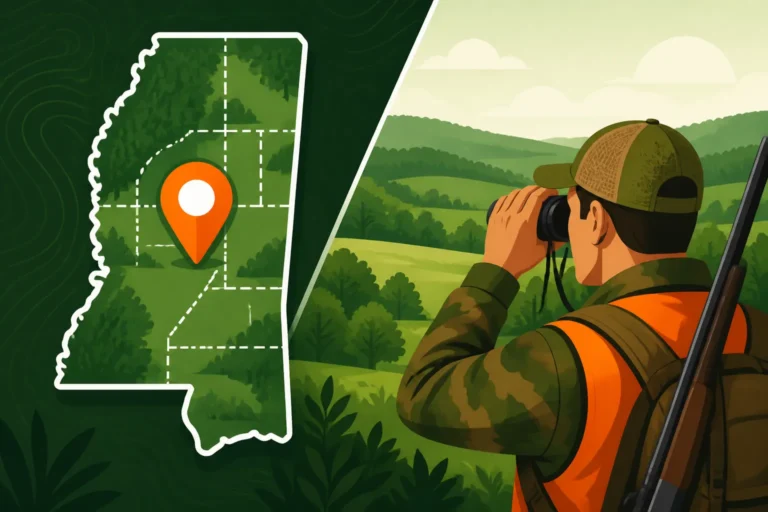
If you've ever stood on the edge of a vast soybean or cotton field near Greenville, looking out at miles of prime habitat and wondering how in the world to get a foot in the door, you're certainly not alone. Finding reliable hunting access in the Mississippi Delta, especially around Greenville, can feel like trying to crack a secret code. This guide is all about demystifying that process, helping you uncover both public and private land opportunities so you can spend less time guessing and more time hunting.
Understanding the Unique Delta Landscape
Hunting in the Mississippi Delta isn't like hunting anywhere else in the state. Forget sprawling pine forests and rolling hills; here, the land is mostly flat, fertile, and dominated by agriculture, crisscrossed by rivers, bayous, and sloughs. This unique environment shapes everything from game movement to access strategies. Understanding these characteristics is the first step toward finding success near Greenville.
Agriculture and Wildlife Intersections
The Delta is an agricultural powerhouse, and this directly impacts wildlife. Fields of corn, soybeans, and rice provide abundant food sources, while dense tree lines, sloughs, and drainage ditches offer crucial cover and travel corridors. Deer in the Delta often behave differently than their counterparts in the Hills Unit. They might spend daylight hours bedded deep in a cane thicket or a small patch of woods adjacent to a crop field, only emerging at dusk to feed. Hogs, too, thrive in this environment, using the thick cover and readily available food to grow large and numerous.
Waterfowl, of course, are synonymous with the Delta. The flooded timber, agricultural fields, and numerous water bodies along the Mississippi Flyway create a magnet for ducks and geese. Access to these prime waterfowl spots is often highly sought after and can be the most challenging to secure. Knowing how the rhythm of farming – planting, growing, and harvest – affects game movement is critical here. After harvest, deer might shift their patterns as cover diminishes, making hidden woodlots and thick fencerows even more vital. Hunting the Mississippi Delta
Navigating River Systems and Backwaters
Greenville sits right on the Mississippi River, and the influence of this massive waterway cannot be overstated. The river batture lands, its backwaters, and the numerous oxbow lakes and sloughs create a complex mosaic of habitat that often holds game. These areas can be incredibly productive, but they also present unique challenges. Water levels can fluctuate dramatically, especially after heavy rains upstream, making access unpredictable. What was dry ground yesterday might be chest-deep water today.
Hunting these river systems often requires boat access, a keen understanding of navigation, and a healthy respect for the power of the river. The dense cover of river cane, willows, and bottomland hardwoods can be almost impenetrable, demanding serious effort to scout and hunt. However, for those willing to put in the work, these wild places can offer some of the most rewarding and least pressured hunting experiences. Understanding the local water bodies and how they connect is key to unlocking these opportunities. Mississippi River Batture Public Access
Navigating Public Hunting Opportunities
While the Mississippi Delta is largely private land, there are crucial public hunting opportunities near Greenville that often go overlooked by those who don't know where to look. These areas require careful planning, adherence to specific regulations, and often a bit more effort, but they can yield fantastic results.
Delta National Forest and Sunflower WMA
Just a short drive east of Greenville, you'll find the Delta National Forest, a truly unique gem. It's the only bottomland hardwood national forest in the United States, meaning it's packed with ancient oaks, towering cypress, and a network of sloughs and bayous that define classic Delta hunting. Within the national forest, you'll also find the Sunflower Wildlife Management Area (WMA), which operates under slightly different regulations but offers fantastic access.
Deer hunting here can be excellent, with good numbers of healthy whitetails, but they are often hard-earned. The thick cover means visibility is limited, and deer can be elusive. Patience and still-hunting tactics often pay off more than sitting over open fields, which are scarce. Delta National Forest Hunting is a huge draw for those seeking big Delta bucks, and it also offers solid opportunities for Hunting Mississippi's Year-Round Feral Hogs, which thrive in the dense bottomland. Waterfowl hunting in the forest's greentree reservoirs, like the one within Sunflower WMA, is also legendary, drawing hunters from across the country. Be sure to check the MDWFP regulations carefully, as seasons and weapon restrictions can vary.
Panther Swamp National Wildlife Refuge
South of Greenville, Panther Swamp National Wildlife Refuge offers another significant chunk of public hunting land. This refuge, managed by the U.S. Fish and Wildlife Service, is a haven for migratory birds and resident wildlife, including a robust deer herd, a healthy turkey population, and, of course, a lot of hogs. Access to certain parts of Panther Swamp is often controlled through quota hunts, especially for popular seasons like deer. This means you’ll need to apply in advance and be drawn for a permit.
Even without a quota hunt, other seasons, like small game and some waterfowl opportunities, might be open for general public access. Scouting is absolutely critical on Panther Swamp, as the terrain can be challenging and game movement can be subtle. Using a mapping app like onX Hunt can be incredibly helpful for understanding boundary lines, identifying potential access points, and marking promising habitat features. Always check the refuge's specific hunting regulations, as they can be more restrictive than statewide rules. Panther Swamp National Wildlife Refuge Hunting is a prime example of a Delta hotspot that rewards diligent hunters.
Yazoo National Wildlife Refuge
Further south, near Hollandale, is the Yazoo National Wildlife Refuge. Similar to Panther Swamp, Yazoo NWR provides critical habitat and offers specific hunting opportunities, often through a permit or quota system. This refuge is particularly known for its waterfowl hunting, drawing thousands of ducks during the migration, and also holds good populations of deer and hogs.
The regulations for Yazoo National Wildlife Refuge Hunting Rules can be complex, so obtaining the current brochure or checking the refuge's official website before planning any trip is paramount. Access points can be limited, and understanding the layout of the refuge – which areas are open to hunting and during what seasons – is crucial. These refuges, while challenging to navigate, offer some of the best opportunities for quality hunting experiences in the Delta for those willing to put in the homework.
Here's a quick comparison of some public hunting options near Greenville:
| Public Area | Primary Game Species | Typical Access Method | Challenges | Notes |
|---|---|---|---|---|
| Delta National Forest | Deer, Hogs, Waterfowl, Small Game | General Access, WMA Permit | Dense Cover, Water Levels, Crowds (opener) | Only bottomland hardwood NF in US; GTRs for ducks. |
| Sunflower WMA (within DNF) | Deer, Hogs, Waterfowl, Small Game | General Access, WMA Permit | Specific WMA Regulations, Quota Hunts (some) | Legendary for waterfowl; check specific unit rules. |
| Panther Swamp NWR | Deer, Hogs, Turkey, Waterfowl | Quota Hunts, Limited General Access | Permit Application, Thick Cover, Remote Areas | Excellent deer and hog populations; good turkey potential. |
| Yazoo National Wildlife Refuge | Waterfowl, Deer, Hogs | Quota Hunts, Limited General Access | Strict Regulations, Permit Application, Limited Access Points | Primarily known for waterfowl; check for specific deer/hog dates. |
The Art of Gaining Private Land Access
Let's be real: much of the prime hunting ground near Greenville is privately owned. Gaining access to these parcels is often the holy grail for hunters who don't own land or belong to an established club. It's a process that requires patience, respect, and good old-fashioned communication.
Knocking on Doors and Building Relationships
The most direct, though often intimidating, way to find private land access is to simply knock on doors. This isn't a quick fix; it's about building relationships. Start by identifying parcels of land you're interested in, perhaps using mapping tools like onX Hunt to see landowner names. Then, respectfully approach the landowner, introduce yourself, and clearly state your request. Focus on farmers, especially those with unharvested corners, overgrown fencerows, or sloughs that are too small or inconvenient for their large machinery.
When you ask for permission, be prepared to explain how you hunt (e.g., bowhunting, still-hunting, stand hunting) and reassure them you will be safe, respectful, and will adhere to their rules. Offer to help them out, too. Sometimes, a landowner might be thrilled to let you hunt if you offer to help with chores, clear brush, or even assist with feral hog control. Remember, it's not just about getting permission for one season; it's about building a long-term relationship based on trust. Getting Private Land Permission in Mississippi is a skill, and it takes practice and persistence.
Offering Services: Hog Control and More
Feral hogs are a huge problem for Delta farmers. They destroy crops, damage equipment, and contaminate water sources. This presents a unique opportunity for hunters to gain favor. If you're willing to actively pursue hogs – perhaps through trapping, night hunting with thermal optics (where legal and permitted), or targeted daytime hunts – you might find landowners far more receptive to granting access.
When offering hog control, be specific about your methods and commitment. Emphasize that you're there to help them mitigate damage, not just for recreational hunting. Some landowners might even allow you to pursue deer or other game if you consistently keep their hog problem in check. Beyond hogs, offering to help with general farm maintenance, like fixing fences or picking up trash, can also go a long way in demonstrating your value and trustworthiness. This isn't just about hunting; it's about being a responsible land steward and neighbor.
Respecting Boundaries and Following Rules
Once you've secured permission, always follow through on your promises. This includes sticking to the specific areas you were granted access to, avoiding fields with standing crops, parking where instructed, and always, always closing gates. The quickest way to lose private land access – not just for yourself, but potentially for other hunters in the future – is to disrespect the landowner's property or rules.
Always carry proof of permission, preferably in writing. While Mississippi law doesn't always mandate written permission for private land, having it can avoid misunderstandings. Do You Need Written Permission in Mississippi? I always recommend it. A simple written note with the landowner's signature, the dates, and the specific property description can save a lot of headaches. Be mindful of others using the land, whether it's other hunters, family members, or workers. Communication is key to ensuring everyone is safe and happy.
Hunting Clubs and Leases in the Delta Region
For many hunters in Mississippi, particularly in the Delta, joining a hunting club or securing a lease is the most common way to guarantee consistent access to quality hunting ground. These options offer a more structured approach than knocking on doors, but they come with their own considerations.
The Dynamics of Delta Hunting Clubs
Hunting clubs are prevalent throughout the Delta, often controlling large tracts of prime agricultural and bottomland timberland. These clubs can range from small, informal groups of friends sharing expenses on a smaller lease, to large, well-established organizations with extensive amenities like lodges, food plots, and even dedicated staff. The primary benefit of a club is shared access to a substantial piece of land, reducing individual pressure and often providing a higher quality hunting experience due to active management.
However, joining a club also means adhering to club rules, which can be quite specific about everything from guest policies to harvest limits to work days. Dues can vary dramatically depending on the size of the land, the amenities offered, and the location. Waiting lists are common for desirable clubs. When considering a club, ask about the current membership, the club's history, their management goals, and what the Mississippi Hunting Club Territory Sizes are like. It's not just about the hunting; it's about finding a community that aligns with your hunting ethics and preferences. Joining a Mississippi Hunting Club is a big decision, so do your homework.
Understanding Hunting Lease Costs and Terms
If joining an established club isn't feasible, another option is to find a hunting lease, either individually or with a small group of trusted friends. Leasing land typically involves paying a landowner a set amount per acre per year for exclusive hunting rights. In the Delta, these lease prices can be substantial, reflecting the quality of the hunting and the demand. Mississippi Hunting Lease Prices Per Acre can fluctuate based on location, habitat, and past game production.
When looking at a lease, it's critical to understand the terms of the agreement. Is it for deer only, or does it include hogs, turkeys, and small game? What are the access restrictions? Are there specific dates you cannot hunt due to agricultural operations? A written lease agreement is non-negotiable here. It protects both you and the landowner. Consider what you're willing to pay per acre versus the potential hunting quality and the amount of competition you'll face. Sometimes, a smaller, less "trophy-producing" tract that offers consistent enjoyment is a better value than an expensive, highly pressured, big-buck lease.
Finding Openings and Vetting Options
Finding an open spot in a desirable hunting club or locating an available lease can be challenging. Word of mouth is often the best method, so network with other hunters, attend local conservation events, and keep an ear to the ground. Local agricultural supply stores or diners in small Delta towns can also be surprising sources of information. Online forums and social media groups dedicated to Mississippi hunting sometimes have postings, but always exercise caution and thoroughly vet any offerings.
When you do find a potential opening or lease, ask for references. Speak to current or past members/lessees if possible. Visit the property to scout it thoroughly. What's the timber like? Are there food plots? What's the access like? What kind of game sign do you see? Even if you're excited, take your time. A bad lease or a dysfunctional club can quickly sour your hunting season, regardless of the quality of the land. Remember, this is an investment in your hunting future, so treat it as such.
Essential Tools and Mindset for Success
Regardless of whether you find public or private access near Greenville, having the right tools and adopting a strategic mindset will significantly increase your chances of success in the challenging but rewarding Delta environment.
The Power of Mapping and Scouting Apps
In today's hunting world, digital mapping apps are no longer a luxury; they're an absolute necessity, especially in complex landscapes like the Delta. Tools like onX Hunt or GoHunt provide invaluable satellite imagery, property line overlays with landowner information, and the ability to mark waypoints for stand locations, game sign, and access routes. Imagine being able to see every fencerow, every slough, and every timber patch from an aerial perspective before you even set foot on the ground.
These apps help you identify pinch points, potential bedding areas, and travel corridors that might be invisible from the ground. They are crucial for scouting public lands where boundaries are critical, and they streamline the process of identifying private landowners to approach. Learning to effectively use these tools to interpret the terrain and predict game movement can be a game-changer, saving you countless hours of unproductive walking. Don't go into the Delta woods without one. Scouting Mississippi Public Land Before Season is made significantly easier with these digital aids.
Adapting to Delta Game Behavior
Deer, turkeys, and hogs in the Delta behave differently than in other regions. Delta deer, for example, often relate closely to agriculture, feeding in fields at night and bedding in the densest cover available during the day. This might be a small cane thicket, a willow-choked slough, or a mature block of bottomland hardwoods. Their patterns can shift dramatically with crop rotations, harvest dates, and even rainfall. Understanding Hunting Delta Unit Bottomland Deer means understanding these specific adaptations.
Turkeys might also utilize field edges, but they'll roost in tall timber along river systems or in mature woodlots. Hogs are constantly on the move, rooting up fields and creating wallows, making them opportunistic targets. Your hunting strategy needs to adapt to these nuances. Still-hunting along sloughs, strategically placing stands on natural funnels between cover and food, or focusing on dense bedding areas during midday can be highly effective. Patience, stealth, and a willingness to learn from your observations are paramount.
Perseverance and Respect for the Land
Hunting the Delta isn't always easy. The terrain can be challenging, the weather can be unpredictable, and the game can be incredibly smart. There will be frustrating days. But perseverance is what separates successful hunters from those who give up. Keep scouting, keep learning, and keep adapting your tactics. The Delta rewards those who put in the effort.
Finally, always maintain a profound respect for the land and its owners. Whether you're on public land or private, leave no trace, pack out what you pack in, and ensure you're always following regulations to the letter. Being a responsible hunter not only ensures continued access for yourself but also upholds the reputation of all hunters. The Delta is a special place, and it's our responsibility to treat it with the care and respect it deserves.
Disclaimer
This article is for general informational purposes only and does not constitute professional advice. Laws, prices and regulations vary by location and change over time. Consult a qualified professional for guidance on your specific situation.