Joining a Mississippi Hunting Club
Hunting in Mississippi, with its rich traditions and abundant game, is a passion for so many of us. But let's be real: consistently finding quality hunting land that isn't overrun with other hunters or costing an arm and a leg can be a huge challenge. Many of us get tired of fighting the crowds on public land or constantly knocking on doors for permission. That's where the idea of joining a hunting club often comes into play, offering a potential solution to secure dedicated access, build community, and enjoy a more consistent hunting experience. This comprehensive guide will walk you through everything you need to know about Mississippi hunting clubs, from what they offer to how to find the right one for you.
The Allure of Mississippi Hunting Clubs
The appeal of a hunting club in Mississippi is strong for good reason. For years, I, like many of you, spent countless hours poring over maps, driving dusty backroads, and navigating the sometimes-frustrating reality of public land. There's a certain magic to discovering a new spot, but the consistency and camaraderie that a good hunting club offers can transform your hunting season.
Why Hunters Seek Club Membership
One of the primary drivers for joining a club is the promise of consistent access to quality hunting ground. Imagine knowing you have hundreds, if not thousands, of acres at your disposal, managed for wildlife and shared with a limited number of fellow hunters. This beats showing up to a crowded WMA on opening morning, only to find three other trucks already parked where you intended to hunt. A club offers a dedicated space where you can scout, hang stands, and know that your efforts will likely pay off because the land isn't being pressured by a revolving door of strangers.
Beyond access, many hunters are drawn to the amenities and community spirit that clubs foster. Some clubs boast comfortable cabins, cleaning stations, storage for ATVs, and even food plots already planted and maintained. It's not just about the kill; it's about the entire experience. There's a unique bond forged around a campfire with fellow hunters, sharing stories, strategies, and maybe a little good-natured ribbing. This sense of belonging, learning from more experienced members, and having a reliable group to share the highs and lows of the season with, often becomes as important as the hunting itself. It's a way to deepen your connection to the outdoors and to a tradition that goes back generations.
Common Frustrations with Public Land
Let's face it, public land hunting in Mississippi, while a vital resource, comes with its own set of challenges that can test the patience of even the most seasoned hunter. The biggest frustration for many is the sheer volume of other people. Opening day on a popular Wildlife Management Area (WMA) can feel more like a convention than a quiet morning in the woods. You might have scouted a perfect pinch point for weeks, only to arrive pre-dawn and find someone else's treestand already there, or hear gunshots ringing out from every direction, scattering any deer you hoped to encounter. This high pressure often leads to unpredictable game movement, making consistent success difficult.
Furthermore, public lands often have restrictions on where you can place stands, whether you can use ATVs, and even what caliber of weapon you can bring. The land isn't managed with your specific hunting goals in mind; it's managed for general public use and wildlife conservation. This means you might not find the food plots, mineral sites, or consistent habitat work that helps concentrate deer. For those seeking a more controlled environment where they can actively participate in habitat improvement and benefit directly from those efforts, the "free-for-all" nature of public land can be a real deterrent. It can often feel like you're constantly adapting to external factors rather than shaping your own hunting experience. For more on navigating public access, check out Public Hunting Land in Mississippi.
Types of Mississippi Hunting Clubs
Not all hunting clubs are created equal, and understanding the different models is crucial when you're considering where to invest your time and money. Mississippi offers a range of options, each with its own structure, level of commitment, and benefits.
Traditional Lease Clubs
This is probably the most common type of hunting club you'll encounter in Mississippi. A group of individuals, usually friends, family, or a mix of both, collectively lease a tract of private land from a landowner for a specific period, typically a year. The cost of the lease, insurance, and any shared expenses (like food plot seed, trail camera batteries, or cabin upkeep) is split among the members. These clubs are often self-governed, meaning the members decide on the rules, work schedules, and management strategies.
In a traditional lease club, expect a hands-on approach. Members are usually responsible for everything from planting food plots and maintaining roads to repairing deer stands and managing game cameras. The camaraderie here is often very strong, as you're all literally building and maintaining the hunting experience together. The downside can be the potential for personality conflicts or disagreements over rules and work equity, but a well-run traditional club can be a truly rewarding experience, offering a deep sense of ownership and shared purpose. Many clubs have their own Mississippi Deer Camp Traditions that have been passed down for generations.
Commercial Outfitters and Lodges with Memberships
On the other end of the spectrum, you'll find commercial outfitters and hunting lodges that offer various membership packages. These are typically more upscale and provide a higher level of service and amenities. Instead of just leasing raw land, you're buying into an experience that often includes guide services, prepared meals, comfortable lodging, already-established food plots, and sometimes even game processing or taxidermy arrangements. The land itself is professionally managed, often with specific goals for trophy deer or high-volume duck hunting.
While the financial commitment for these types of memberships is generally significantly higher than a traditional lease, you're paying for convenience and expertise. You show up, hunt, and the bulk of the hard work is already handled for you. This can be an excellent option for those with less time for land management, or for out-of-state hunters seeking a streamlined, high-quality experience. Some outfitters might offer different tiers, from full-season access to limited-day packages. When considering these, it's wise to ask very specific questions about what's included and what's not. For an idea of what these guided experiences might entail, look into What a Guided Mississippi Deer Hunt Costs or Booking a Delta Duck Lodge.
Specialty Clubs
Mississippi's diverse ecosystems support a wide range of game, and as such, you'll find clubs that cater to specific hunting interests. While many clubs are general deer and turkey clubs, some focus exclusively on a particular species or hunting method.
- Waterfowl Clubs: Especially prevalent in the Delta region, these clubs manage flooded timber, rice fields, or greentree reservoirs specifically for ducks and geese. They often invest heavily in pumps, blinds, and even managed waterfowl impoundments. If your passion is chasing mallards and wood ducks, a dedicated waterfowl club could be your paradise. You can learn more about this in Waterfowl Hunting the Mississippi Delta.
- Dog Hunting Clubs: Running deer with dogs is a deeply ingrained tradition in many parts of Mississippi. These clubs are structured around managing dog packs, coordinating drives, and often require significant infrastructure for kennels and handling.
- Small Game Clubs: While less common as dedicated clubs, some groups might form specifically for squirrel, rabbit, or even dove hunting, managing habitat and fields to maximize opportunities for these species.
- Feral Hog Clubs: With feral hogs being a year-round menace, some groups might focus primarily on trapping and hunting these destructive animals, often employing night hunting tactics with thermal equipment. Learn more about year-round hog hunting in Hunting Mississippi's Year-Round Feral Hogs.
Joining a specialty club means you're aligning with a group that shares your exact passion, which can lead to incredibly focused and rewarding hunting experiences. However, it also means your hunting opportunities might be limited to that specific pursuit.
What to Expect from a Hunting Club Membership
Before you sign on the dotted line or shake hands on a deal, it's critical to understand the commitments involved in joining a Mississippi hunting club. It's more than just paying a fee; it's about becoming part of a community and sharing responsibilities.
Financial Commitments: Dues, Fees, and Hidden Costs
The sticker price for a hunting club membership is rarely the final cost. Annual dues are just the beginning. These typically cover the land lease, liability insurance, and basic operational costs. However, be prepared for additional fees or assessments throughout the year. Many clubs, especially traditional lease clubs, operate on a communal budget for things like food plot seed, fertilizer, fuel for tractors, stand repairs, and cabin maintenance. These costs can fluctuate based on needs and unexpected repairs.
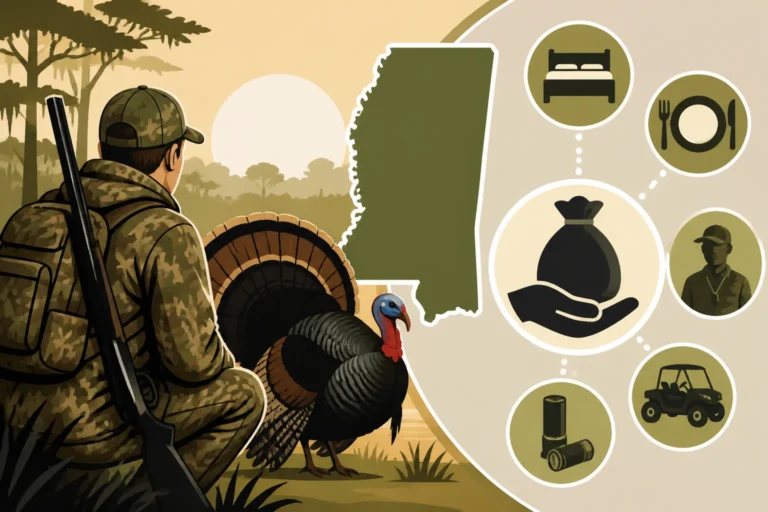
It's also wise to factor in your personal expenses. Travel costs to and from the club, fuel for your ATV or truck while on the property, tree stands, cameras, and personal gear all add up. Don't forget consumables like ammunition, broadheads, and even food and drinks for your trips. Some clubs might have specific requirements for stands or blinds, which could mean an upfront investment. Always ask for a detailed breakdown of all anticipated costs, including any potential for special assessments, before committing. Understanding the full financial picture upfront helps avoid any unpleasant surprises down the road.
Rules, Regulations, and Club Bylaws
Every hunting club, regardless of its structure, operates under a set of rules and regulations designed to ensure safety, fair access, and responsible game management. These can range from simple handshake agreements in small, informal groups to comprehensive bylaws in larger, more organized clubs. It's absolutely crucial to obtain and thoroughly read these rules before you join. They will dictate everything from legal firearms for deer hunting to when you can access the property, how many guests you can bring, and what constitutes a legal buck.
Pay close attention to antler restrictions, doe harvest limits, and any specific game management strategies the club employs. Some clubs may have stricter rules than state regulations, for instance, a minimum age for bucks or specific harvest quotas for does. There will also be safety rules, such as blaze orange requirements outside of the tree stand, or restrictions on alcohol consumption in hunting areas. Understanding and agreeing to abide by these rules is non-negotiable. Disagreements over rules are a common source of conflict within clubs, so clarity here is paramount. For general state regulations, refer to Mississippi Deer Season Structure Explained and Mississippi Blaze Orange Requirements.
Work Days, Maintenance, and Shared Responsibilities
For most traditional lease clubs, membership comes with a responsibility to contribute to the upkeep and management of the property. This typically involves mandatory work days, where members gather to perform tasks like planting food plots, clearing shooting lanes, maintaining roads, repairing blinds, or cleaning the camp cabin. These work days are often scheduled a few times a year, usually before deer season and perhaps in the spring or summer.
Participation in work days is not just about labor; it's also a chance for camaraderie and for members to take ownership of the club's success. Some clubs might have a "buy-out" option if you can't make a work day, but typically, active participation is expected. Neglecting your share of the work can lead to resentment among other members and may even result in your membership not being renewed. In commercial lodge settings, the physical labor is usually handled by staff, but even there, understanding any expectations for member involvement or contributions is important. It's a shared investment, not just financially, but in effort, to create and maintain a premier hunting experience.
Finding the Right Mississippi Hunting Club
The search for the perfect hunting club can feel like looking for a needle in a haystack. Mississippi is a big state with many hunting opportunities, but connecting with the right group takes effort and a bit of savvy.
Leveraging Online Resources and Platforms
In today's digital age, the internet is often your first and best resource. Dedicated hunting forums, social media groups focused on Mississippi hunting, and specialized listing sites have become invaluable tools for finding available club memberships or leases. Platforms like BookYourHunt and GoHunt, while often associated with guided trips and outfitter services, sometimes feature listings for hunting club memberships or private land leases in Mississippi that cater to a club format. These sites can offer a broader reach than traditional local advertising. You might find detailed descriptions of properties, amenities, and contact information for club leadership.
Beyond these commercial platforms, don't underestimate the power of general online searches using keywords like "Mississippi hunting club membership," "Mississippi Hunting Lease Costs," or "deer lease Mississippi." Many clubs will have their own simple websites or Facebook pages where they announce openings. Just be thorough in your research; read reviews, look for activity, and be wary of anything that seems too good to be true. The goal is to gather as many potential leads as possible to start narrowing down your options.
Networking and Word-of-Mouth
Despite the digital advancements, old-fashioned networking and word-of-mouth remain incredibly powerful in the hunting world, especially in a state like Mississippi where traditions run deep. Talk to everyone you know who hunts: friends, family, co-workers, and even acquaintances at your local sporting goods store or feed store. Many club openings are filled by recommendations from current members, as clubs often prefer to bring in someone vouched for by an existing member.
Attending local hunting expos, wildlife conservation banquets, or even just hanging out at popular deer processing shops during hunting season can put you in touch with people who know of openings. These informal connections can lead to opportunities that never get advertised online. Be open, friendly, and express your interest clearly. You might be surprised at how quickly a casual conversation can lead to a solid lead. This method also gives you a chance to gauge the "vibe" of a potential club from someone who already knows its dynamics, which can be invaluable.
Questions to Ask Before You Join
Once you've identified a potential club, it's time to do your due diligence. Don't be afraid to ask a lot of questions—a reputable club will appreciate your thoroughness. Here's a checklist of key areas to cover:
- Financials: What are the annual dues? Are there any additional assessments or required contributions for food plots, equipment, or cabin upkeep? What does the insurance cover?
- Rules & Bylaws: Can I get a copy of the club's rules and bylaws? What are the antler restrictions, doe limits, and overall harvest goals? Are guests allowed, and if so, what are the rules and fees?
- Property Details: How many acres are leased, and how many members are there? What type of habitat is it (e.g., Delta Unit Bottomland Deer, pine plantations, hardwood ridges)? Are there existing stands or blinds? What are the access points and vehicle rules?
- Game Management: What are the club's specific management practices (food plots, mineral sites, timber management)? What's the typical harvest success rate for deer and turkey?
- Facilities: Are there a camp house, skinning shed, or cooler? What amenities are available (water, electricity, restrooms)?
- Work Requirements: Are there mandatory work days? What type of work is expected, and how many hours? Is there a penalty or buy-out option if I can't attend?
- Club Culture: What's the general atmosphere like? Is it family-friendly? How are disputes handled?
It's also a good idea to ask if you can visit the property and meet some of the current members. This face-to-face interaction can give you an invaluable sense of the club's dynamics and whether you'd be a good fit.
Understanding Club Culture and Dynamics
Joining a hunting club isn't just about leasing land; it's about entering a social ecosystem. The culture and dynamics of a club can make or break your experience, even if the hunting itself is superb. It’s vital to find a group that aligns with your personality and hunting philosophy.
Family-Friendly vs. "Hardcore" Hunting Clubs
Mississippi hunting clubs run the gamut in terms of their atmosphere. Some clubs are very family-oriented, encouraging spouses, children, and grandchildren to participate in camp life and even hunt. These clubs often have amenities like playgrounds, larger common areas for social gatherings, and a more relaxed approach to hunting, prioritizing the overall family experience over strict trophy pursuit. Rules might be geared towards safety and creating positive memories for younger hunters, perhaps with special youth gun weekends. This can be perfect if you want to pass on the hunting tradition to the next generation, as described in Mississippi Special Youth Hunt Windows.
On the other hand, some clubs are decidedly "hardcore." These groups might be intensely focused on trophy management, adhering to strict rules about buck size, age, and harvest. The camp conversation might revolve solely around deer movement, trail camera intel, and advanced hunting tactics. While still often friendly, the primary goal is often the pursuit of mature animals. Before you commit, try to get a feel for this. Are members bringing their kids? Are there non-hunting activities around camp? Or is it quiet, serious, and focused on the hunt from dawn till dusk? Neither type is inherently better, but one will certainly be a better fit for you.
Conflict Resolution and Group Harmony
No matter how well-intentioned, a group of people sharing a common interest will inevitably encounter disagreements. How a club handles conflict resolution is a huge indicator of its overall health and longevity. Common points of contention can include:
- Rule Enforcement: Someone breaking a rule, whether intentionally or accidentally.
- Work Equity: One member feeling another isn't pulling their weight on work days.
- Stand Placement: Disagreements over whose "area" is whose, or too many stands in one spot.
- Harvest Management: Arguments over shooting a younger buck or too many does.
- Guest Policies: Issues arising from guests not respecting club rules or members.
A well-run club will have a clear process for addressing these issues, whether it's through a club president, a committee, or a democratic vote. Open communication and a willingness to compromise are key. Conversely, clubs that sweep conflicts under the rug or allow small issues to fester can become toxic environments, making the hunting experience more stressful than enjoyable. Ask about past conflicts and how they were resolved to gauge the club's ability to maintain harmony.
The Importance of a Good Fit
Ultimately, the most important factor in joining a hunting club is finding a good fit. You might find a club with phenomenal hunting land, but if you don't connect with the other members, or if their hunting philosophy clashes with yours, you'll likely be miserable. Think about what you value most: camaraderie, trophy potential, family time, or perhaps specific types of hunting like Hunting the Mississippi Rut by Unit.
Consider your own hunting style. Are you a solo hunter who values quiet solitude, or do you enjoy sharing every moment of the hunt with others? Do you prefer a primitive camp, or do you need all the creature comforts? If the club focuses heavily on deer drives and you prefer still-hunting, it might not be the right match. Take the time to meet potential club mates, ask questions, and even spend a day or two at the camp if possible, before making a long-term commitment. A good fit means not just good hunting, but also enjoying the company of the people you're sharing the experience with.
The Pros and Cons of Joining a Club
Like any significant decision, joining a hunting club comes with its own set of advantages and disadvantages. It's important to weigh these carefully against your personal hunting goals, budget, and lifestyle.
Advantages: Access, Community, Shared Burden
The benefits of a well-chosen hunting club are substantial, and for many hunters, they far outweigh the drawbacks.
First and foremost is exclusive access to private land. This is the holy grail for many. No more battling crowds on public land, no more endless scouting only to find another hunter has set up shop in your spot. You get to know the property intimately, track deer movement patterns, and invest your time and effort with the confidence that your efforts directly benefit your own hunting experience. This dedicated access often means higher quality hunting, as the game isn't under constant, unpredictable pressure.
Secondly, the community and camaraderie are huge draws. Hunting is often a solitary pursuit, but a club provides a built-in group of like-minded individuals to share the passion with. Imagine late-night discussions around the campfire, sharing successful strategies, or getting help tracking a deer through tough terrain. This shared experience can deepen friendships and create lasting memories. It's a support system, a source of knowledge, and a way to feel connected to a larger tradition. For many, the social aspect becomes as valuable as the hunting itself.
Finally, there's the shared burden of management and cost. Leasing a large tract of prime hunting land on your own can be prohibitively expensive and require an immense amount of time and effort for maintenance. In a club, these responsibilities are divided among all members. The financial cost of the lease, insurance, and equipment is split, making access to high-quality land much more affordable. Similarly, the physical work of planting food plots, maintaining roads, and managing stands is distributed, meaning no single person is shouldering the entire load. This collective effort often leads to better managed land and a more enjoyable experience for everyone.
Disadvantages: Cost, Rules, Personalities
While the advantages are appealing, it would be disingenuous not to address the potential downsides of club membership. It's crucial to go into this with your eyes wide open.
The most obvious disadvantage for many is the cost. While shared, the annual dues and potential assessments for a quality hunting club can still represent a significant financial commitment. This isn't just the lease itself; it's also the travel, equipment, and time investment. If your budget is tight, even a "shared" cost might be too much, especially when compared to the (often free, but more competitive) option of Hunting Pressure on Mississippi Public Land. You need to be sure that the value you receive aligns with the money you're spending.
Secondly, club rules and regulations can feel restrictive. While necessary for safety and management, they might not always align with your personal hunting preferences. You might be limited in the number of bucks you can harvest, prevented from hunting certain areas, or tied to specific work days that conflict with your schedule. For hunters who cherish total freedom and autonomy, these rules can feel stifling. There's less flexibility to make spur-of-the-moment decisions about land management or hunting tactics if they go against club policy.
Finally, and perhaps the biggest potential headache, are personality clashes and group dynamics. Put a group of strong-willed individuals together with a shared passion, and disagreements are bound to happen. You might find yourself at odds with a fellow member over hunting ethics, work contributions, or even simple camp etiquette. If the club lacks clear leadership or an effective conflict resolution process, these issues can quickly sour the entire experience. It's a gamble, to some extent, as you're joining a pre-existing social structure, and navigating human relationships can sometimes be more challenging than navigating a dense Mississippi swamp.
Here's a quick comparison of the options:
| Feature | Traditional Lease Club | Commercial Lodge/Outfitter Membership | Public Land Hunting |
|---|---|---|---|
| Cost | Moderate to High (shared lease, DIY) | High (all-inclusive services) | Low to Free (license, WMA permit possible) |
| Access Quality | Exclusive, managed by members | Exclusive, professionally managed | Open, often high pressure |
| Amenities | Basic (cabin, cleaning station) or DIY | High-end (lodging, meals, guides) | None (primitive) |
| Work Commitment | High (required work days, maintenance) | Low (staff handles most tasks) | None |
| Community | Strong, member-driven | Service-oriented, guided experience | Self-reliant, often solitary |
| Rules & Flexibility | Member-defined, less flexible day-to-day | Outfitter-defined, less member input | State regulations, WMA rules |
| Game Management | Member-managed (food plots, etc.) | Professionally managed for trophy/volume | State managed for general conservation |
Alternative to Traditional Clubs: Smaller Syndicates and Day Leases
If the idea of a large, formal hunting club with its extensive rules and financial commitments feels a bit daunting, but public land isn't cutting it, there are a couple of intermediate options that might offer a happy medium.
Forming Your Own Small Group Lease
One excellent alternative is to gather a very small, trusted group of hunting partners—think two to four close friends or family members—and collectively lease a smaller tract of private land. This "syndicate" approach offers many of the benefits of a larger club without some of the potential downsides. With fewer individuals, communication is often easier, decision-making is more streamlined, and the potential for personality clashes is significantly reduced because you're starting with a foundation of trust.
You'll still share the costs of the lease, insurance, and any improvements, but the per-person financial burden might be a bit higher since it's split among fewer people. However, you gain immense flexibility. Your small group can tailor the land management, rules, and hunting strategy precisely to your collective preferences. Want to focus entirely on Late-Season Food Sources for Mississippi Whitetails? Go for it. Prefer only archery hunting? No problem. It's a way to create your ideal hunting scenario with people you genuinely enjoy spending time with. Finding smaller tracts of land for lease can sometimes be done through real estate agents specializing in rural properties, or by directly contacting landowners.
Exploring Short-Term or Day Lease Options
For those who want private land access without any long-term commitment or the responsibility of year-round management, short-term or day leases are an increasingly popular option. These arrangements involve paying a landowner or outfitter for access to hunt a specific property for a single day, a weekend, or a predefined short period. This can be particularly appealing if you have limited vacation time, want to try hunting a new area, or simply prefer to avoid the ongoing financial and time commitment of a club membership.
The price for a day lease can vary wildly depending on the quality of the land, the species being hunted (a prime Delta duck field will cost more than a small timber tract for deer), and the amenities offered. Some landowners might offer access to a pre-planted food plot and an existing stand, while others might simply give you permission to hunt a parcel. This model offers maximum flexibility and minimal responsibility beyond showing up, hunting, and leaving. Websites like BookYourHunt or GoHunt sometimes list these types of opportunities, allowing you to search for available short-term leases in specific regions of Mississippi. It's an excellent way to dip your toes into private land hunting without diving headfirst into a full club commitment.
Ultimately, whether you choose a large club, a small syndicate, or day leases, the goal remains the same: to enhance your Mississippi hunting experience. Each option has its unique blend of access, responsibility, cost, and community. By carefully considering what truly matters to you, you can find the perfect setup to pursue your passion in the Magnolia State.
Disclaimer
This article is for general informational purposes only and does not constitute professional advice. Laws, prices and regulations vary by location and change over time. Consult a qualified professional for guidance on your specific situation.