Sharkey County Public Hunting Ground
Finding solid public hunting ground in Mississippi can feel like trying to solve a puzzle, especially in a county like Sharkey that's deep in the Delta. You hear whispers of big bucks and incredible duck hunting, but then you get down there and wonder where to even start, facing a maze of private land, water, and dense bottomland. This guide is going to walk you through exactly what to expect and how to approach hunting the public lands available in Sharkey County, helping you decode the terrain and find success.
Understanding Sharkey County's Public Land Landscape
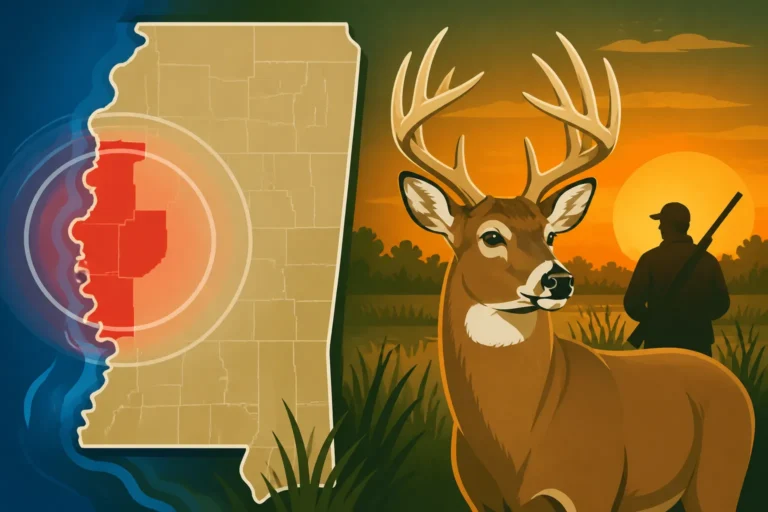
Sharkey County sits right in the heart of Mississippi's legendary Delta, a region synonymous with rich soil, vast agricultural fields, and sprawling bottomland hardwood forests. It's a land shaped by the Mississippi River, historically prone to flooding, and characterized by a unique ecosystem that supports an incredible diversity of wildlife. For hunters, this means a distinct set of opportunities and challenges compared to the state's other deer management units. You're not looking at pine plantations or rolling hills here; you're looking at a world of cypress swamps, oak flats, and winding sloughs.
One of the biggest frustrations for hunters new to the Delta, or even those who've hunted other parts of Mississippi for years, is just how much private land dominates the landscape. It can feel like every piece of timber, every field edge, is posted. That's why understanding where the public ground actually lies, and how to access it, is absolutely critical. Sharkey County, despite its heavy agricultural presence, does offer some truly exceptional public hunting opportunities, primarily through federal and state-managed areas. These areas are often remnants of the original Delta wilderness, carefully preserved and managed for wildlife.
The terrain itself presents its own set of hurdles. Expect muddy conditions, standing water, and incredibly thick cover in many spots. This isn't always easy walking, and it definitely favors hunters who aren't afraid to get wet, push through the brush, and potentially rely on small boats or ATVs where permitted. But with these challenges come rewards: less pressure in the deepest reaches, and the chance to hunt truly wild game in its natural habitat.
Key Public Hunting Areas in Sharkey County
When you're looking at public hunting options in Sharkey County, a few names rise to the top. These areas represent the backbone of public access in this part of the Delta and each offers a slightly different experience, even though they share many ecological similarities. Getting to know them individually is the first step toward planning a successful hunt.
Delta National Forest Access
The Delta National Forest is truly a gem and a significant piece of the puzzle for public land hunters in Sharkey County. It's unique as the only bottomland hardwood national forest in the United States, meaning its habitat is specifically tailored to the flat, fertile ground of the Mississippi Delta. Think towering oaks, cypress trees draped in Spanish moss, and a labyrinth of sloughs and bayous. Deer, hogs, and waterfowl thrive in this environment.
Hunting the Delta National Forest means embracing the swamp. Access can be challenging, often requiring a boat to get into the most productive areas, especially during wet periods or for waterfowl hunting. For deer hunters, you'll be focused on finding higher ground, looking for acorn crops, and identifying natural funnels between sloughs where deer travel. Stand placement is critical, often needing to be portable or strategically placed for the prevailing wind. Pressure can be heavy near easily accessible roads, so those willing to hike or boat deeper often find better success. Delta National Forest Hunting goes into more detail about how to approach this unique area.
Panther Swamp National Wildlife Refuge
Just north of Sharkey County, but easily accessible for those willing to travel a short distance, lies the Panther Swamp National Wildlife Refuge. While not in Sharkey County proper, its influence on the region's wildlife and its proximity make it a vital public hunting option to consider. Panther Swamp is managed by the U.S. Fish and Wildlife Service, and as such, it operates under slightly different rules than a state WMA or National Forest.
Panther Swamp offers excellent opportunities for deer, turkey, and especially waterfowl. However, hunting here often requires special permits, and many hunts are quota-based, meaning you need to apply and get drawn for access. This can be frustrating, but it also means less pressure during the hunts you do get drawn for. Understanding the application process and specific refuge regulations is paramount. The habitat is quintessential Delta bottomland, with extensive wetlands, flooded timber, and dense stands of hardwoods. Scouting here is crucial, often before water levels rise, to pinpoint travel corridors and potential bedding areas. You can learn more about its specific opportunities by researching Panther Swamp National Wildlife Refuge Hunting.
Mahannah Wildlife Management Area
Mahannah Wildlife Management Area, though primarily located in Issaquena County which borders Sharkey to the south, is another critical public hunting area that directly impacts and offers access to hunters seeking game in the immediate vicinity of Sharkey County. This WMA is renowned for its deer and waterfowl hunting, carefully managed by the state's wildlife agency.
Mahannah is a prime example of managed bottomland habitat. It often features carefully controlled water levels to benefit waterfowl, and its deer herd is managed to produce quality animals. Like many Delta public lands, access can involve muddy roads, and sometimes boat launches are the best entry points. Deer hunting often revolves around identifying specific food sources like oak flats or managed food plots, and understanding the movement patterns of deer between different cover types. For duck hunters, Mahannah offers some fantastic flooded timber opportunities. Remember, WMAs have their own specific regulations, often including special permits, sign-in procedures, and legal equipment restrictions that differ from statewide rules. For a deeper dive into this area, check out Mahannah Wildlife Management Area.
Here's a quick comparison of the types of public land you might consider near or in Sharkey County:
| Public Land Type | Primary Focus | Access/Permits | Typical Habitat | Key Challenges |
|---|---|---|---|---|
| Delta National Forest | Deer, Hogs, Waterfowl | Open access with statewide license; WMA permit for Sunflower WMA | Bottomland Hardwoods, Sloughs, Bayous | Thick cover, mud, water, high pressure near roads |
| Panther Swamp NWR | Deer, Waterfowl | Quota hunts, special permits, application required | Wetlands, Flooded Timber, Hardwoods | Limited entry, specific refuge rules, draw odds |
| Mahannah WMA | Deer, Waterfowl | WMA permit, sign-in, specific regulations | Managed Bottomland, Flooded Timber | Specific WMA rules, water levels, remote access |
Navigating Access and Regulations in the Delta
Hunting in Mississippi, especially on public land in the Delta, comes with its own set of rules and logistical challenges. It’s not enough to simply know where the public land is; you need to understand how to legally access it and what specific regulations govern your hunt. Ignoring these details can quickly turn a promising day into a frustrating one, or worse, lead to a violation.
Permits and Licenses
First and foremost, you need to have the correct Mississippi hunting licenses. For public land, this typically means a valid hunting license, and often a WMA permit if you're on a Wildlife Management Area. Even National Forests, while generally more open, sometimes contain WMAs within their boundaries (like Sunflower WMA within Delta National Forest) that require an additional permit. It’s crucial to check the specific regulations for the area you plan to hunt well in advance. Mississippi Hunting Licenses and What They Cost will give you a comprehensive overview of the basic requirements.
For any WMA, you'll almost certainly need a Mississippi WMA Permit Requirement, which is usually an annual permit purchased through the MDWFP. Beyond that, many WMAs, especially those with high demand like some Delta areas, require you to sign in and out daily, either physically at a kiosk or through a digital system like the MDWFP mobile app. This helps the agency monitor pressure and harvest, and ensures they know who is on the property for safety reasons. Always carry proof of your license and any required permits.
Using Mapping Tools for Success
The Delta is a complex place with interwoven public and private tracts, old logging roads, and often unmarked boundaries. Relying solely on a paper map or vague memory is a recipe for disaster. This is where modern mapping applications become absolutely invaluable, even essential. Tools like onX Hunt or GoHunt allow you to see property lines, public land boundaries, and satellite imagery right on your phone or GPS device. This functionality is critical for making sure you're on legal ground and for navigating the dense, often featureless terrain.
Using onX Layers for Mississippi Land Status can highlight public hunting lands, identify landowner names for potential permission seeking on private tracts, and show you trails, old logging roads, and topographical features that are hard to discern on the ground. You can mark your truck, your stand locations, and potential escape routes. Similarly, GoHunt provides robust mapping features that can aid in pre-season scouting from your couch, helping you identify promising funnels, pinch points, and cover areas that might hold deer or ducks. Investing in one of these apps is probably the best decision a public land hunter in Sharkey County can make, saving endless frustration and preventing accidental trespass.
Physical Access Challenges and Gear
Be prepared for the terrain. Sharkey County's public lands are often wet and muddy, especially during peak hunting seasons. Expect to encounter standing water, deep ruts on unpaved roads, and dense undergrowth. Vehicle Rules on Mississippi Public Land are important to review, as some areas may restrict ATV use or require high-clearance 4×4 vehicles for access. It’s not uncommon for hunters to use small boats, canoes, or even waders to reach prime spots.
Your gear needs to reflect these conditions. Waterproof boots (knee-high or chest waders, depending on the area and conditions), sturdy raingear, and a reliable backpack are essential. A good headlamp with extra batteries is a must for navigating in the dark. For deer hunting, a climbing stand or a lightweight saddle system can offer flexibility, as you'll often be hanging a stand on the fly in response to fresh sign. For duck hunting, expect to haul decoys through muck and potentially sit in water. Mental preparedness for challenging conditions is just as important as physical gear.
Strategies for Success on Sharkey County Public Ground
Hunting Sharkey County’s public land isn't just about showing up; it's about developing specific strategies tailored to the unique environment. The Delta demands a different approach than the piney woods or rolling hills, and understanding these nuances can significantly improve your chances of success.
Pre-Season Scouting: Your Best Bet
You simply cannot overstate the importance of pre-season scouting, especially on public ground in a place like Sharkey County. Water levels can dramatically alter the landscape from one year to the next, or even week to week. What was dry ground last season might be flooded timber this year. Scouting Mississippi Public Land Before Season is not just a suggestion, it's a critical component of a successful Delta hunt.
Walk the areas you intend to hunt during the late summer or early fall when water levels are typically lower and cover isn't as dense. Look for old rub lines, scrape areas, and well-used trails that indicate deer movement. Identify acorn-producing trees, especially white oaks and nuttall oaks, which are critical food sources. Pinpoint areas of higher ground that deer will naturally gravitate to when the lowlands flood. Mark these spots on your mapping app. If you're a duck hunter, scouting during the off-season allows you to see the timber and sloughs without leaves, identifying potential roosting or feeding areas before they fill with water.
Targeting Specific Game in the Delta
Sharkey County public lands offer a diverse range of game, but each requires a focused strategy.
- Deer Hunting: Delta bucks get big because they are masters of evasion in thick cover. The rut usually peaks in late December through January in this unit, making it a prime time to be in the woods. Pay attention to Hunting the Rut in the Delta Unit for peak activity. Focus on natural funnels, pinch points between sloughs or blocks of dense cover, and areas where mature oaks are dropping acorns. Be mindful of the antler restrictions in the Delta Unit, which typically require a minimum twelve-inch inside spread or a twenty-inch main beam length to be a legal buck. This means you need to practice Judging a Legal Buck Under Delta Unit Restrictions by eye before you shoot.
- Feral Hogs: Hogs are a year-round presence in Sharkey County and can be hunted year-round on public land in Mississippi without a bag limit. This makes them a great target outside of regular deer or duck seasons, or even during those seasons as a bonus. Look for rooting, wallows, and fresh tracks near water sources and dense thickets. Hunting Mississippi's Year-Round Feral Hogs will give you more insight into tactics. Spot-and-stalk can work, but still-hunting trails and setting up near active rooting areas is often effective.
- Waterfowl Hunting: The Delta is renowned for its duck hunting, particularly for mallards and wood ducks. Flooded timber and greentree reservoirs are the classic Delta waterfowl experience. Understanding water levels is paramount. Focus on areas with a good mast crop if hunting flooded hardwoods, or identify managed impoundments if accessible. Hunting Greentree Reservoirs for Mallards will help you strategize for these specific spots. Being mobile, adaptable, and willing to set up in knee-deep water are keys to success.
Dealing with Hunting Pressure
Public land in the Delta, especially during prime deer and duck seasons, can see significant pressure. Don't let this deter you; it just means you need to be smarter and often work harder than the next hunter. One of the best strategies is simply to walk further, or boat deeper, than others. Most hunters won't venture more than a mile or so from an access point, especially in difficult terrain. Finding Ground Others Walk Past is about identifying those overlooked pockets that can hold undisturbed game.
Consider hunting during weekdays if your schedule allows, as weekend pressure can be intense. Also, be willing to hunt less conventional times. A midday still-hunt can surprise deer bedded down, and sitting through a drizzly afternoon might pay off when others have retreated. Embrace the thickest cover and the swampiest spots; these are often the places where older, wiser animals seek refuge from human activity.
Disclaimer
This article is for general informational purposes only and does not constitute professional advice. Laws, prices and regulations vary by location and change over time. Consult a qualified professional for guidance on your specific situation.