Tunica County CWD Zone Access
Hunting in Tunica County, Mississippi, presents a unique set of challenges, not least of which is navigating the specific regulations that come with its designation as a Chronic Wasting Disease (CWD) management zone. It can feel overwhelming trying to keep up with the rules and figure out where you can even go to chase deer. This guide is here to break down exactly what CWD means for hunters in Tunica County, where you might find hunting opportunities, and how to stay compliant with all the necessary regulations.
Understanding Tunica County's CWD Status for Hunters
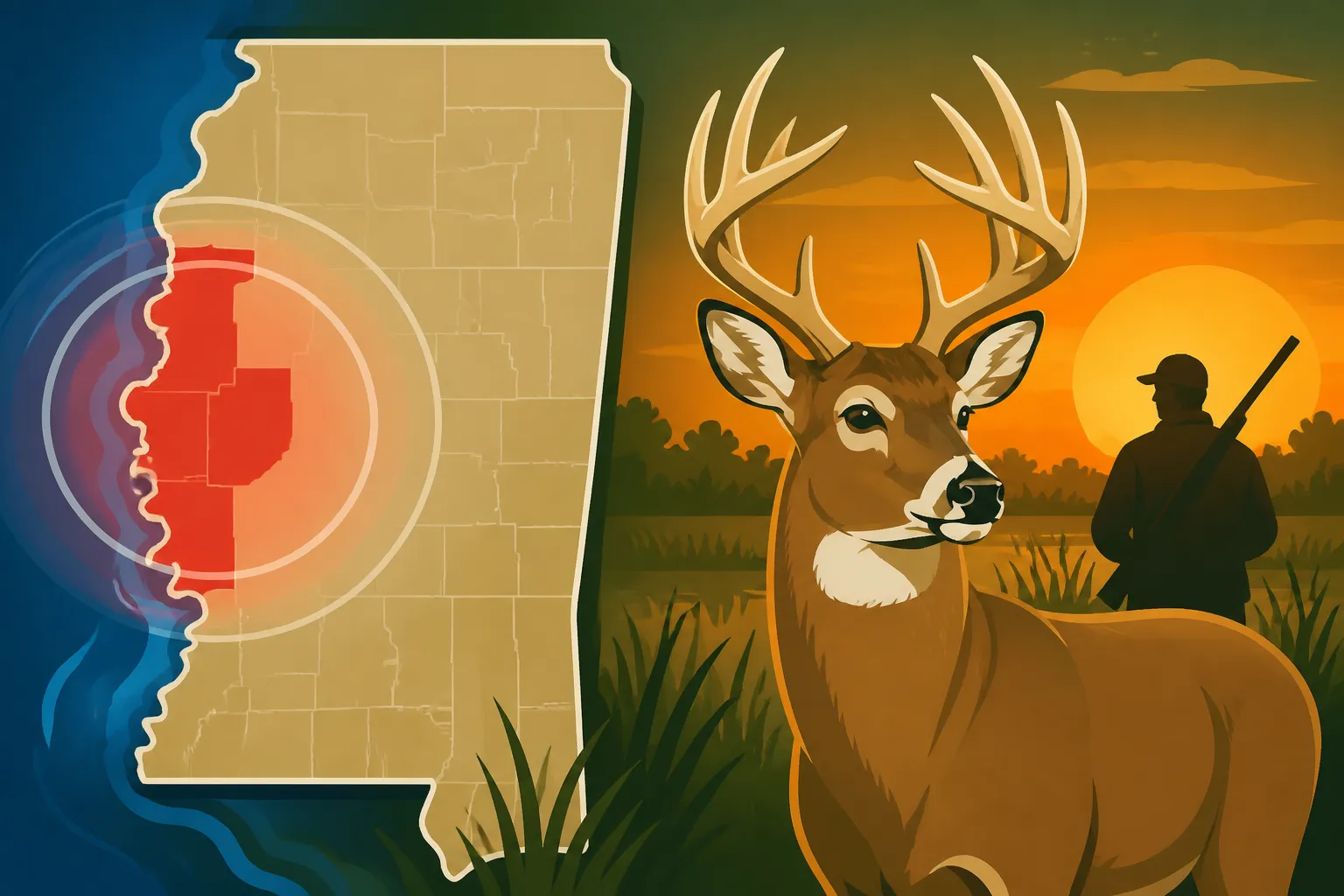
Let's face it, hearing about CWD can be alarming, and it certainly adds a layer of complexity to our beloved deer season. Tunica County is unfortunately part of Mississippi's North CWD Zone, a region that has seen a higher prevalence of the disease since its initial discovery. This isn't just a label; it comes with specific implications for hunters, game management, and the overall health of the deer herd. The Mississippi Department of Wildlife, Fisheries, and Parks (MDWFP) has established these zones to monitor and mitigate the spread of CWD, and as responsible hunters, it's crucial we understand our role.
This isn't an arbitrary boundary; these zones are based on where the disease has been detected and where wildlife biologists believe the risk of further spread is highest. For us hunters, it means we need to be extra vigilant and informed. It's not about fear-mongering, but about preserving the deer population for future generations. The rules are designed to gather data and prevent the disease from becoming even more widespread, which is something every hunter should support, even if it adds a few extra steps to our routine. You can learn more about Mississippi's Chronic Wasting Disease Zones to get a broader picture of the affected areas across the state.
Why Tunica County is in the North CWD Zone
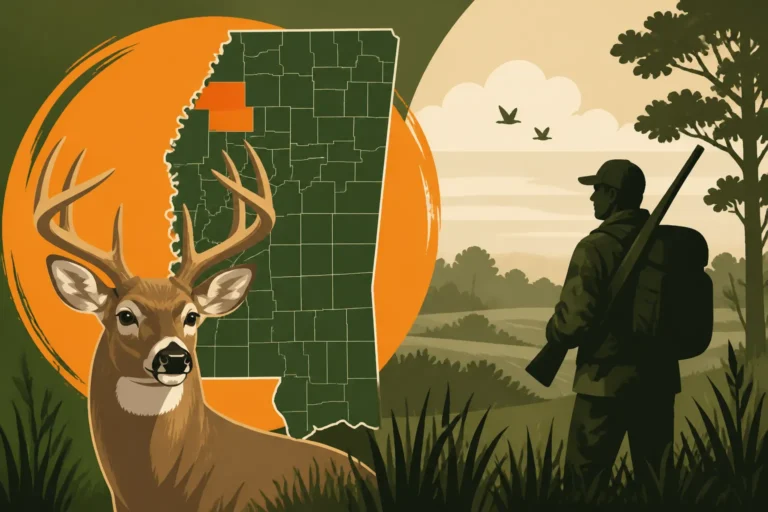
Tunica County's inclusion in the North CWD Zone stems from its geographical location and the documented cases of CWD in the surrounding areas. The disease was first detected in Mississippi in 2018 in Benton County, and since then, the MDWFP has expanded surveillance and management zones as additional cases have been identified. Tunica, being one of the Which Eleven Counties Sit in the North CWD Zone, is directly impacted by these findings. This means that biologists have identified a clear risk or presence of CWD within or very near its borders.
When an area is designated a CWD zone, it’s because the MDWFP has scientific data suggesting the disease is present and needs active management. This isn't just a hunch; it's the result of ongoing surveillance, sample collection, and laboratory testing. The goal is to minimize disease transmission by identifying infected animals and implementing measures that reduce herd density or human-assisted movement of the disease. For hunters, this translates into a heightened sense of responsibility and adherence to specific guidelines that might not apply in non-CWD counties. It impacts everything from how you transport your deer to whether or not you need to submit a sample for testing.
General Impact of CWD Zones on Hunters
So, what does being in a CWD zone really mean for your hunting experience? Primarily, it introduces mandatory testing and carcass movement restrictions. Gone are the days when you could simply harvest a deer and head straight home without another thought. Now, there are additional steps to take, which, while sometimes inconvenient, are vital for disease management. You might find yourself needing to take your harvested deer to a CWD sampling station or arrange for its testing. This is especially true for bucks, which are often prioritized for sampling due to a higher prevalence rate.
Beyond the logistical hurdles, there's also the psychological impact. Hunters in CWD zones often express concerns about the safety of consuming venison, the health of their local deer herd, and the long-term future of deer hunting. It's completely understandable to feel these frustrations. The MDWFP provides information and guidance on venison consumption from CWD-positive areas, but it's a personal decision many hunters wrestle with. Ultimately, being in a CWD zone shifts the dynamic from just "hunting" to "hunting responsibly within a disease management framework." It requires more engagement from us, but it’s a necessary step to protect our shared wildlife resource.
Public Land Hunting in Tunica County and Nearby Areas
When you're looking to hunt in Tunica County, especially with the CWD designation, finding accessible land is often the first hurdle. Tunica County, being predominantly agricultural with significant private landholdings, doesn't boast the vast expanses of public hunting lands found in some other Mississippi counties. This can be a real point of frustration for hunters who don't have access to private leases or family land. However, that doesn't mean there are no options, or that you can't find quality hunting opportunities by looking just beyond the county lines within the broader CWD zone.
Navigating land ownership and boundaries is crucial here. Tools like onX Hunt can be invaluable, showing you exactly where public land starts and private land ends, and helping you identify potential access points. While Tunica itself might be lean on major public tracts, understanding the regional context of the North CWD Zone is key. This zone extends into several other counties, some of which do offer more robust public hunting options, particularly in the northern reaches of the state. It might mean a bit of a drive, but quality public hunting in a CWD-managed area is still achievable.
Limited Public Land Opportunities Directly in Tunica
Tunica County itself has very limited dedicated public hunting land. You won't find large National Forests or sprawling Wildlife Management Areas (WMAs) within its borders like you would in other parts of the state. Most of the land is privately owned and heavily managed for agriculture, primarily row crops. This means that if you're set on hunting exclusively within Tunica, your options are largely restricted to gaining permission from private landowners, joining a hunting club that leases land in the area, or looking for smaller, more localized tracts that might have public access through specific programs or easements.
For many hunters, this reality can be disheartening. It feels like an uphill battle when you're trying to find a spot to hunt, especially when you're also contending with CWD regulations. However, it underscores the importance of networking, respectfully asking for permission, and scouting diligently. Sometimes, smaller, overlooked parcels can hold deer, especially those bordering larger private holdings or agricultural fields. Always double-check any potential public access points with the MDWFP's interactive mapping tools or by contacting the regional office directly, as boundaries and regulations can change.
Exploring Public Land in Adjacent CWD Zone Counties
Given the limited public land directly in Tunica, many hunters look to neighboring counties that are also part of the North CWD Zone. While this might mean a bit of a drive, it opens up more possibilities for public hunting access that still falls under the CWD management protocols. Counties like Panola, Marshall, and DeSoto, which are also within the North CWD Zone, offer more significant public land opportunities through National Forests and WMAs.
For example, areas within Holly Springs National Forest in neighboring counties provide vast tracts of timberland that hold deer and other game. Similarly, certain WMAs in the broader North CWD Zone are managed for deer hunting and offer regulated access. When scouting these areas, utilizing mapping apps like onX Hunt is absolutely critical. Not only can you see property lines, but you can also download maps for offline use, which is invaluable in remote areas with spotty cell service. Always review the specific WMA regulations, as they can have unique rules regarding hunting days, weapon types, and harvest limits, in addition to the CWD mandates. The key is to expand your search radius and be willing to travel to find those more robust public land opportunities. Remember to always consult Scouting Mississippi Public Land Before Season to prepare.
Navigating Mandatory CWD Regulations and Carcass Restrictions
Hunting in a CWD zone means you're not just a hunter; you're also a partner in wildlife management. The MDWFP has put specific regulations in place to help monitor and control the spread of CWD, and it's our collective responsibility to adhere to them. These rules primarily revolve around mandatory testing and strict carcass movement restrictions, designed to gather vital data and prevent the accidental spread of the disease to unaffected areas. It can feel like a lot to remember, but understanding these guidelines is non-negotiable for anyone hunting in Tunica County.
It’s easy to get confused, especially if you hunt in multiple counties with different designations. The most important thing is to always verify the current regulations directly from the MDWFP. Their website and mobile app are great resources. Being prepared means having a plan for your harvest before you even pull the trigger. Knowing where your nearest CWD sampling station is, or how to properly prepare a carcass for transport, will save you headaches and ensure you're compliant.
Mandatory CWD Testing Requirements
One of the most significant regulations for hunting in Tunica County, as part of a CWD zone, is the requirement for mandatory testing of harvested deer. This usually applies to specific categories of deer, most commonly all harvested bucks within the designated zone, or sometimes a percentage of does, depending on the current surveillance needs. The MDWFP sets up designated CWD sampling stations, often at specific times during the deer season, where hunters are required to submit samples from their harvested deer.
These stations are critical for collecting the tissue samples needed for CWD testing. When you bring your deer to a station, staff will collect lymph node tissue or other samples, and provide you with a unique identification number. This number allows you to check the test results later. It's important to remember that this process is for data collection, not an immediate health check for your venison. The results typically take a week or two to process. Always check the MDWFP website for the exact dates, times, and locations of mandatory sampling stations in or near Tunica County. Missing these windows can result in penalties, so planning ahead is crucial. More details are available if you check out Mississippi CWD Testing for Hunters.
Carcass Movement Restrictions Explained
Beyond testing, CWD zones also come with strict carcass movement restrictions. This is perhaps one of the most frustrating aspects for hunters, especially if you live outside the CWD zone but hunt within it, or if you plan to take your deer to a processor in a different county. The basic premise is to prevent the movement of high-risk parts of a deer carcass that could harbor CWD prions, which are the infectious agents of the disease. These prions are concentrated in the brain, spinal cord, lymph nodes, and spleen.
Generally, you are not allowed to move whole deer carcasses out of a CWD zone. Instead, you must debone the meat, remove the skull plate with antlers (cleaned of all brain matter), and dispose of high-risk parts properly within the CWD zone. This means field dressing and often deboning your deer at the kill site or at a nearby processing facility within the CWD zone. For those who typically take their deer straight to a processor in another county, this requires a significant change in routine. Understanding Mississippi Carcass Movement Restrictions is paramount to avoid fines and inadvertent spread of the disease. It means more work in the field, but it's a necessary step to protect our state's deer herd.
Here's a quick summary of key CWD regulations for Tunica County hunters:
| Regulation Aspect | Description | Hunter Action Required |
|---|---|---|
| CWD Zone Status | Tunica County is part of Mississippi's North CWD Zone due to documented cases in the region. | Be aware of your location and the applicable rules. |
| Mandatory Testing | All harvested bucks, and sometimes other categories of deer, must be submitted for CWD testing at designated MDWFP sampling stations during specific periods. | Check MDWFP website for mandatory sampling dates, locations, and what species/sex of deer are required for testing. Plan to transport your deer to a station promptly. |
| Carcass Movement | Whole deer carcasses, or high-risk parts (brain, spinal cord, lymph nodes, spleen, eyes), cannot be moved out of the CWD zone. | If hunting in Tunica and transporting outside the CWD zone, the carcass must be deboned. Only deboned meat, skull plate with antlers (cleaned), clean hides, and quarters without spinal column attached are permissible for removal. Proper disposal of high-risk parts within the zone is required. |
| Feeding/Baiting | While baiting is generally allowed in Mississippi, always check specific county or WMA rules, as CWD zones might have additional restrictions or recommendations against concentrating deer at feeders. | Consult MDWFP regulations for any baiting restrictions specific to Tunica County or other CWD zones. |
| Reporting Harvest | All deer harvested, including those in CWD zones, must be reported to the MDWFP via the agency's app or website. | Report your harvest promptly as required. The Mississippi Deer Reporting Deadline is something every hunter should know. |
Best Practices and Ethical Hunting in a CWD Zone
Hunting in a CWD zone isn't just about following rules; it's about adopting an ethical mindset that contributes to the long-term health of the deer herd and the sport we love. The additional responsibilities placed on hunters in areas like Tunica County are designed to give wildlife biologists the best chance to manage CWD. This means going beyond just legal compliance and thinking about how our actions, both big and small, can impact the situation. It’s about becoming a proactive part of the solution, not just a passive participant.
From how you handle a harvested animal to how you interact with other hunters, every choice can make a difference. It’s understandable to feel frustrated by the extra steps, but remember that the goal is to protect the very resource we cherish. Embracing these best practices will not only help manage CWD but also solidify your reputation as a knowledgeable and responsible outdoors person.
Minimizing CWD Spread in the Field
One of the most crucial ethical considerations in a CWD zone is actively trying to minimize the potential spread of the disease. This starts from the moment you take an animal. Proper field dressing is paramount. While you're required to dispose of high-risk parts within the CWD zone, if you suspect a deer might be sick (acting unusually, emaciated, etc.), it's even more critical to handle its carcass with extreme care. Consider reporting such animals to the MDWFP for direct testing rather than harvesting them for consumption.
Avoid leaving high-risk carcass parts in areas where other deer can access them. Burying or bagging these parts for proper disposal helps. Additionally, be mindful of your gear. While CWD prions are incredibly resilient, cleaning your knives, saws, and other equipment after processing a deer can reduce the chance of carrying prions to another location or carcass. It's a small step, but it shows a commitment to ethical hunting and disease management. Also, avoid creating artificial congregation points for deer through excessive baiting, as concentrating deer can potentially increase disease transmission rates.
Contributing to CWD Management Efforts
As hunters, we are often the first line of defense and observation in the field. Contributing to CWD management efforts means being vigilant and reporting anything unusual. If you see a deer exhibiting signs of illness—emaciation, drooling, neurological issues, or an inability to stand—don't hesitate to contact the MDWFP. While these symptoms can be caused by other diseases, reporting them allows biologists to investigate and collect samples for CWD testing. Your eyes in the field are invaluable data points for their surveillance.
Furthermore, participating in voluntary testing programs, even if not strictly mandatory for your specific harvest, can greatly assist the MDWFP in gathering more data. The more samples they can analyze, the clearer picture they get of CWD prevalence and distribution. This data is what guides management decisions and ultimately helps shape the future of deer hunting in Mississippi. Educating yourself and other hunters about CWD, its impact, and the regulations is another powerful way to contribute. The more informed the hunting community, the more effective our collective response will be.
Disclaimer
This article is for general informational purposes only and does not constitute professional advice. Laws, prices and regulations vary by location and change over time. Consult a qualified professional for guidance on your specific situation.