Camping Rules on Mississippi National Forest Land
It's incredibly frustrating trying to figure out where you can pitch a tent or park your camper when you're heading out to hunt in Mississippi's beautiful national forests. The rules often feel like a maze, changing from one type of public land to another. This guide is here to clear up that confusion, giving you a clear rundown of the camping rules specific to Mississippi's National Forests, so you can plan your next hunting trip with confidence and stay on the right side of the regulations.
Understanding National Forest Camping Basics in Mississippi
Mississippi is blessed with some truly stunning national forest lands, offering incredible opportunities for hunters to immerse themselves in the wild. But before you roll out your sleeping bag or back your RV into a spot, it's crucial to understand the fundamental differences in camping types and the overarching rules that apply. The last thing any of us wants is a run-in with a forest ranger because we unknowingly violated a regulation.
Developed Campgrounds Versus Dispersed Camping
When it comes to camping in a National Forest, you generally have two main choices: developed campgrounds or dispersed camping. Developed campgrounds are what most people think of when they hear "campground"—designated sites with amenities like picnic tables, fire rings, vault toilets, and sometimes even potable water. These are often managed by concessionaires or the Forest Service directly, and they typically come with a fee. They're great for families, those who want a few creature comforts, or hunters who prefer a more established base camp. Think about a place where you can comfortably park your rig and have easy access to amenities after a long day in the woods.
Dispersed camping, on the other hand, is the real backcountry experience. This is where you set up camp outside of a designated campground, often deep within the forest, away from any facilities. It’s perfect for hunters who want solitude, direct access to their hunting grounds, or those who prefer to "rough it." While it offers immense freedom, it also comes with greater responsibility. There are no services, no trash cans, and often no water sources, so you have to be completely self-sufficient and adhere strictly to Leave No Trace principles. For many hunters, being able to pitch a tent close to a promising ridge or a creek bottom is a game-changer, but it means knowing the rules about how far you need to be from roads, water sources, and developed areas.
General Rules and Regulations
No matter where you choose to camp within a Mississippi National Forest, there are some universal rules that apply. First and foremost, always practice Leave No Trace principles. This means packing out everything you pack in, minimizing your impact, respecting wildlife, and leaving the area as you found it (or better!). This is especially critical in dispersed camping scenarios where there's no staff to clean up after you.
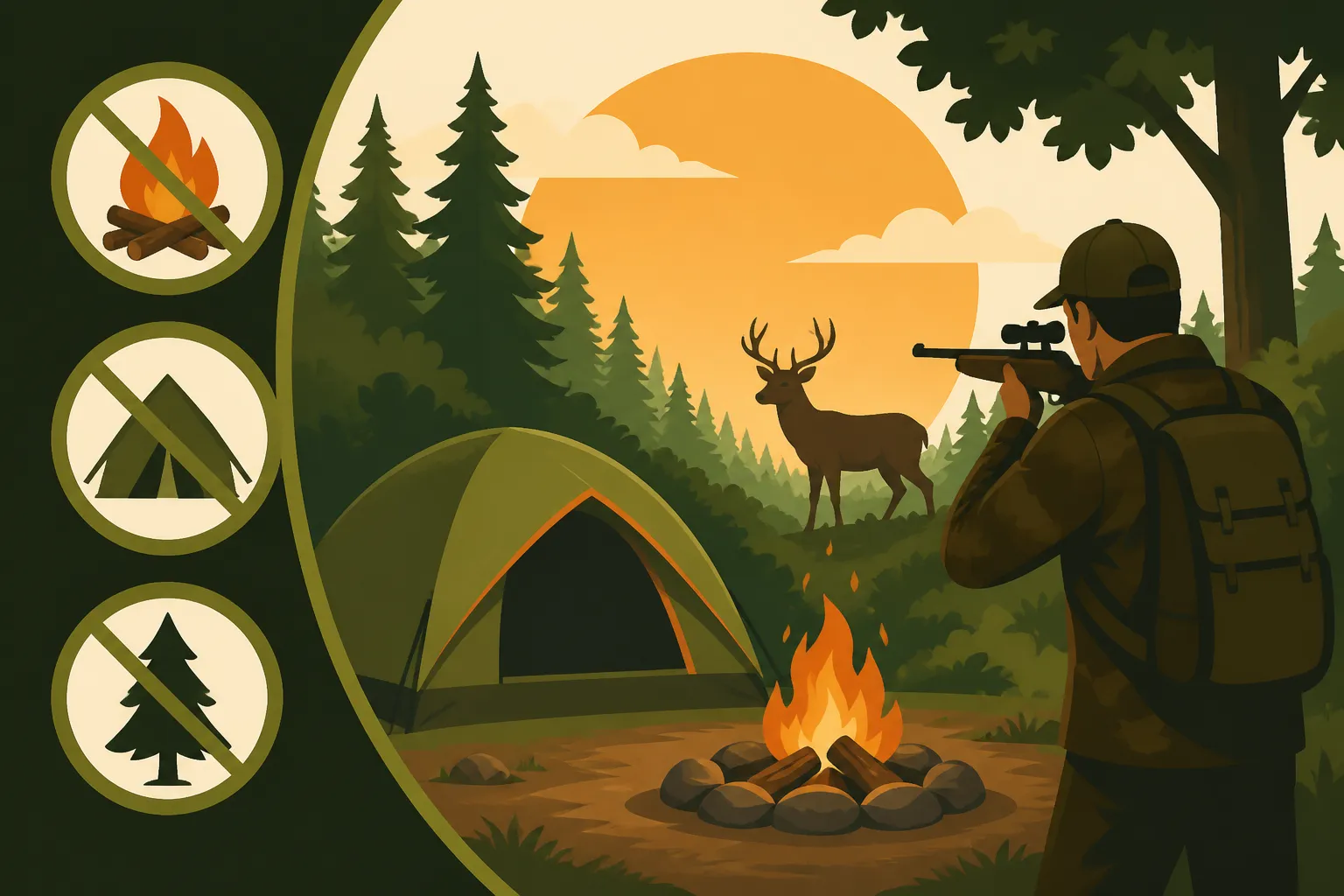
Secondly, fire regulations are paramount. Fires are generally permitted in designated fire rings within campgrounds, but dispersed campers might need to check for specific fire bans, especially during dry periods. Always make sure your fire is completely extinguished before you leave it unattended. Beyond that, quiet hours are often enforced in developed campgrounds to ensure everyone can enjoy their stay. Noise travels far in the woods, so being considerate of your fellow campers, especially if you're getting up early for a hunt, is just common courtesy. Understanding these baseline rules will keep you out of trouble, whether you're hunkered down in a tent or parked at an official campsite. You can often find general regulations posted at kiosks or on the individual forest websites. For more on navigating public lands, check out our guide on Public Hunting Land in Mississippi.
Permits and Fees
The good news for dispersed campers is that there's typically no fee or permit required for setting up a primitive camp in a National Forest, as long as you adhere to the general regulations. This makes it an incredibly cost-effective option for hunters who are looking to save a few bucks on lodging. However, if you opt for a developed campground, you will almost certainly encounter fees. These fees vary widely depending on the amenities offered, the time of year, and the specific campground. Some campgrounds operate on a first-come, first-served basis, while others allow or require reservations, especially during peak hunting seasons.
It's always a smart move to check the official USDA Forest Service website for the specific forest you plan to visit, or give their ranger district office a call beforehand. This way, you can confirm current fee structures, reservation policies, and any potential permit requirements for activities beyond just camping, like specific WMA permits if you're hunting inside a designated Wildlife Management Area within the forest. For example, some areas within a National Forest might have specific regulations that require an additional Mississippi WMA Permit Requirement. It's better to be over-prepared than surprised when you arrive.
Specific Regulations for Mississippi's National Forests
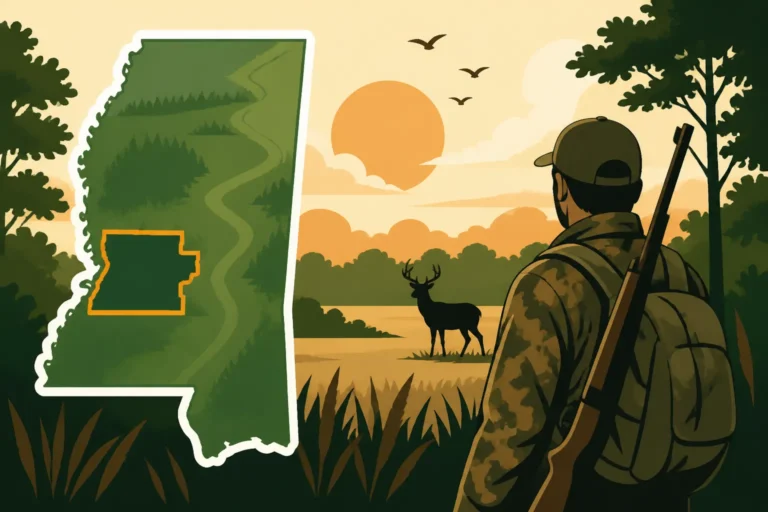
Mississippi is home to six National Forests, each with its own unique character and, sometimes, slightly varied camping nuances. While many rules are consistent across the board, knowing the specifics for your chosen destination can prevent headaches.
Bienville National Forest
The Bienville National Forest, located in central Mississippi, is a popular spot for deer, turkey, and small game hunting. Its landscape is primarily piney woods with mixed hardwoods. When camping here, you'll find a mix of developed campgrounds like Marathon Lake Recreation Area, which offers amenities and a fee, and extensive opportunities for dispersed camping. For dispersed camping, the general rule of thumb applies: stay off main roads, don't block access, and avoid being too close to water sources or developed facilities. They generally ask you to move your camp every 14 days, which for most hunting trips, isn't an issue.
The key here, as with all National Forests, is to be aware of any temporary closures or special restrictions, particularly during extremely dry periods when fire danger is high. Hunters often utilize dispersed camping in Bienville to be closer to their intended hunting areas, allowing for early morning starts without a long drive. Just remember that what you pack in, you must pack out, and always assume no services will be available in dispersed areas.
Homochitto National Forest
Down in southwest Mississippi, the Homochitto National Forest is renowned for its rolling hills, mature hardwood bottomlands, and excellent deer hunting. It's a favorite for many, especially during deer season. Similar to Bienville, Homochitto offers developed campgrounds, such as Clear Springs Recreation Area, which provides more amenities for a fee. However, the vast majority of hunters who camp here opt for dispersed camping. The topography here lends itself well to finding secluded spots, especially off the less-traveled forest roads.
When camping in Homochitto, ensure you're at least 200 feet from any developed recreation site, water source, or primary road. This helps maintain safety, protect sensitive ecosystems, and ensure privacy for all forest users. Be particularly mindful of leaving no trace, as the natural beauty of the Homochitto is what draws so many to it. For those utilizing stands, understanding Treestand Rules on Mississippi Public Land will be important in conjunction with your camping plans.
Delta National Forest
The Delta National Forest is unique in that it's the only bottomland hardwood national forest in the United States. Located in the flat, rich Mississippi Delta region, it's a phenomenal spot for deer and especially waterfowl hunting. Camping here presents slightly different challenges and opportunities due to the terrain. While there are a few designated primitive campgrounds, dispersed camping is widely practiced by hunters who want to be deep in the woods, close to sloughs, and flooded timber. For more specific hunting advice, consider our guide on Delta National Forest Hunting.
The primary concern in Delta National Forest is often water levels, especially during wet seasons or when greentree reservoirs are flooded. Make sure your campsite is on high, dry ground and always check weather forecasts. Due to the dense vegetation and potential for seasonal flooding, vehicle access can sometimes be limited. Ensure you know the ATV Rules on Mississippi Forest Roads if you plan to use an ATV to access your camping spot or retrieve game. Always remember that even in the flat Delta, fire safety and leaving no trace are non-negotiable.
Here's a quick comparison of camping options in Mississippi National Forests:
| Feature | Developed Campgrounds | Dispersed Camping |
|---|---|---|
| Location | Designated sites with marked boundaries | Anywhere outside developed areas/restrictions |
| Amenities | Restrooms, water, fire rings, picnic tables (varies) | None (pack in, pack out everything) |
| Cost | Typically involves a fee | Usually free |
| Permit Required | Sometimes for reservations/entry fee | Generally none, unless specific area rules apply |
| Privacy | Limited, shared with other campers | High, can find very secluded spots |
| Vehicle Access | Designated parking within sites | Drive-in to site (where permitted) or hike-in |
| Duration | Often limited (e.g., 14-day stay) | Often limited (e.g., 14-day stay), but less monitored |
| Fire Rings | Provided, usually with restrictions | Improvised (if allowed), follow strict rules |
| Trash Disposal | Bins often available | Pack out all trash, absolutely no exceptions |
| Suitability for Hunters | Good for base camps, larger groups, comfort | Ideal for solitude, proximity to hunting grounds |
Practical Tips for a Responsible Camp
Whether you're a seasoned backcountry pro or just starting to explore the joys of camping while hunting, embracing responsible practices is key to preserving Mississippi's wild places for everyone. It's not just about following the rules; it's about being a good steward of the land.
Leave No Trace Principles
The Leave No Trace philosophy is more than just a catchy phrase; it's a set of ethical guidelines that minimize our impact on the outdoors. For campers and hunters in National Forests, this means planning ahead and preparing, traveling and camping on durable surfaces, disposing of waste properly, leaving what you find, minimizing campfire impacts, respecting wildlife, and being considerate of other visitors. The "dispose of waste properly" point is especially critical for dispersed camping. This means packing out all your trash, including food scraps, toilet paper (yes, even that!), and anything else you bring in. Human waste should be buried in catholes at least 6-8 inches deep and 200 feet from water, trails, and campsites.
Leaving what you find means not taking "souvenirs" like rocks, plants, or antlers you might find unless you've tagged the antler legally as part of a shed hunt. As hunters, we have a unique responsibility to exemplify these principles. When others see a pristine campsite, they'll appreciate the effort and understand the unspoken code of the woods. It all boils down to leaving the land exactly as you found it, or even better, for the next person to enjoy.
Fire Safety and Restrictions
Open fires are one of the most cherished aspects of camping, but they also carry the greatest risk, especially in the dry, pine-filled forests of Mississippi. Always check current fire danger levels and any specific restrictions that might be in place before you even light a match. These restrictions can vary from county to county or forest to forest. A small, contained campfire in a designated fire ring is usually acceptable, but building large, unmanaged bonfires is never a good idea. For dispersed camping, consider using a portable stove for cooking to minimize fire impact.
If you do have a campfire, make sure it's in a safe location, away from overhanging branches, dry grass, or other flammable materials. Never leave a fire unattended, even for a moment. Before you break camp or go to sleep, ensure your fire is dead out—drown it with water, stir the ashes, and then drown it again until it's cool to the touch. Many a forest fire has started from an unextinguished campfire, and the consequences for violating fire restrictions can be severe, both legally and environmentally.
Food Storage and Wildlife
Camping and hunting in Mississippi's National Forests means you're sharing the landscape with abundant wildlife, including deer, turkeys, and, yes, even black bears in certain areas like the Delta National Forest. Proper food storage isn't just a suggestion; it's vital for your safety and the well-being of the animals. Leaving food, scented toiletries, or trash out at your campsite invites curious critters, which can quickly lead to property damage or habituated animals. A fed bear is a dead bear, unfortunately, as they can become a nuisance and a danger to humans.
For developed campgrounds, utilizing vehicle trunks or designated bear-resistant lockers is best. For dispersed camping, you'll need to employ bear bags hung from trees (at least 10 feet off the ground and 4 feet from the tree trunk) or use bear-resistant containers. Even if bears aren't common in your immediate area, raccoons, opossums, and other small mammals can make a huge mess and get into your supplies. Always store all food, cooking gear, and scented items away from your tent and secured overnight or when you're away from camp.
Planning Your Camping and Hunting Trip
A successful hunting and camping trip in Mississippi's National Forests often hinges on thorough planning. The more you know before you go, the smoother your experience will be, and the more focused you can be on the hunt itself.
Utilizing Mapping Tools for Campsites
In today's digital age, mapping applications are an invaluable resource for hunters and campers. Tools like onX Hunt and GoHunt allow you to scout potential campsites from your couch, identifying suitable terrain, proximity to water sources (while maintaining setback rules), and access points. You can layer public land boundaries, forest roads, and even topographic maps to pinpoint flat, secluded areas for dispersed camping or locate developed campgrounds. These apps are especially useful for finding spots that are off the beaten path, away from common access points where other hunters might congregate. Having these maps downloaded to your phone allows you to navigate even when Using the MDWFP App Without Cell Service or without cell signal, a common occurrence in many remote parts of Mississippi's National Forests.
These mapping tools can also help you determine exact distances from roads or water bodies, ensuring you're compliant with dispersed camping regulations. You can mark potential stand locations, game trails, and then plan your camping spot in relation to those. This kind of detailed reconnaissance can save you hours of scouting once you're on the ground and helps you make the most of your limited time in the woods. For an even deeper dive into digital scouting, check out onX Layers for Mississippi Land Status.
Checking for Current Conditions and Closures
Mississippi's weather can be unpredictable, and forest conditions can change rapidly. Before heading out, always check the official websites of the specific National Forest you plan to visit for any alerts, closures, or restrictions. This is where you'll find information on fire bans, road closures due to heavy rains or maintenance, or specific areas closed for timber operations or wildlife management activities. A quick phone call to the local ranger district can also provide up-to-the-minute details that might not be posted online immediately.
During peak hunting seasons, especially around opening day for Mississippi's Gun Deer Season by Unit or Spring Turkey Hunting in Mississippi, certain areas might experience higher traffic, or some roads could be temporarily restricted. Being aware of these conditions ensures you won't arrive at your planned spot only to find it inaccessible or off-limits. This proactive approach to checking conditions is not just about convenience; it's about safety and ensuring your hunting and camping experience goes as smoothly as possible. A little homework before you pack the truck can prevent a lot of frustration in the field.
Disclaimer
This article is for general informational purposes only and does not constitute professional advice. Laws, prices and regulations vary by location and change over time. Consult a qualified professional for guidance on your specific situation.