Sardis Refuge Waterfowl Hunting Rules
Heading out to a prime waterfowl spot like Sardis Lake can be an absolute thrill, but nothing dampens the anticipation faster than pulling up to the ramp and realizing you're not entirely sure about a specific hunting rule. Mississippi's public lands, especially federal refuges, often come with their own unique set of regulations that can be a real head-scratcher. This guide is here to untangle the complexities of waterfowl hunting at Sardis Waterfowl Refuge, ensuring you can focus on the birds, not the rulebook.
Understanding Sardis Waterfowl Refuge: A Unique Hunting Environment
Sardis Lake isn't just a body of water; it's a critical stopover for migratory waterfowl along the Mississippi Flyway, managed by the U.S. Army Corps of Engineers and often with specific units under the Mississippi Department of Wildlife, Fisheries, and Parks (MDWFP). This dual management can sometimes make understanding the rules a little more involved than your typical state wildlife management area (WMA). It’s a fantastic resource, but you need to know the playbook before you launch your boat or set your spread.
The Draw of Sardis for Waterfowlers
The sheer scale and habitat diversity of Sardis Lake make it a magnet for ducks and geese. You've got vast open water, flooded timber, agricultural fields on adjacent lands, and shallow flats that provide ideal feeding and resting grounds. When those winter fronts push birds down from the north, Sardis often fills up, offering some incredible hunting opportunities. Experienced hunters know that scouting is paramount, and tools like onX Hunt can be invaluable for identifying prime habitat features, understanding water depths, and seeing property boundaries, which often dictate where you can and cannot set up. The consistent influx of birds, especially during the peak of the Mississippi Waterfowl Migration Timing, means that hunters from all over the state, and even non-residents, flock to Sardis, making adherence to rules crucial for everyone's safety and success.
Navigating Federal and State Regulations
Here’s where things get interesting and a little confusing for newcomers. Sardis Lake, being managed by the Army Corps of Engineers, operates under federal guidelines, but waterfowl hunting within certain sections, particularly those designated as the Sardis Waterfowl Refuge, also falls under specific MDWFP regulations. This means you often have to consult both federal refuge rules and Mississippi's statewide waterfowl hunting laws. It's not uncommon for federal lands to have tighter restrictions on things like lead shot, shooting hours, or even boat motor size compared to state-managed areas. Always double-check the latest MDWFP migratory bird seasons and regulations pamphlet, as well as any specific rules posted for the Sardis Lake project or the refuge itself. Ignoring one set of rules because you only checked the other could lead to an unfortunate interaction with a game warden. Many seasoned hunters utilize platforms like GoHunt which can sometimes offer summaries or direct links to these overlapping regulations, helping you stay informed without needing a law degree.
Essential Rules for Waterfowl Hunting at Sardis
Understanding the core season dates, when you can actually shoot, and how many birds you can take are the foundational elements of any waterfowl hunt. Sardis is no exception, and in some cases, its popularity and specific management goals mean these rules are enforced with extra vigilance.
Season Dates, Shooting Hours, and Bag Limits
Waterfowl seasons in Mississippi are divided into zones and splits, and Sardis will fall into one of those specific season structures. It's vital to confirm the exact start and end dates for the relevant zone each year. Mississippi's waterfowl season typically involves a couple of "splits," meaning there are periods when hunting is open, followed by a closure, and then it reopens. Shooting hours are another critical component; generally, waterfowl hunting begins 30 minutes before sunrise and concludes at sunset. Misjudging legal shooting light is one of the most common violations, so always have a reliable sunrise/sunset calculator or app handy.
Bag limits, of course, dictate how many birds of each species you can harvest daily. These limits are set federally but implemented by the state. For instance, the Mississippi Duck Daily Bag Limit usually allows for a certain number of ducks per hunter, but there are often sub-limits for specific species like mallards, pintails, or canvasbacks. Exceeding these limits, even by one bird, is a serious offense. For geese, particularly Canada geese, specific seasons and bag limits apply as well, which you'll need to confirm each year. For example, Mississippi Goose Season Dates can sometimes run concurrently with duck season, or have separate openings and closures. Remember, once you hit your daily limit for a species, you must stop hunting that species, even if you still have other species' limits remaining.
Specific Species Restrictions and Identification
Beyond the general bag limits, hunters at Sardis need to be proficient in waterfowl identification. This isn't just about telling a mallard from a wood duck; it's also about distinguishing between hen and drake, especially for species where there are specific hen restrictions. For instance, sometimes the daily bag limit on mallards might include a sub-limit on mallard hens. Shooting the wrong bird, even by accident, counts against these restrictions.
Waterfowl hunters also need to understand that Sardis, like all federal refuges, likely has a requirement for hunters to use non-toxic shot. Lead shot is prohibited for all waterfowl hunting, and this rule is strictly enforced to protect both wildlife and the environment. Ensure all your shotgun shells are clearly marked "non-toxic" before heading into the refuge. Carrying proof of your federal duck stamp and Mississippi HIP Certification for Bird Hunters is also non-negotiable, as these are mandatory for all migratory bird hunters.
Blinds, Decoys, and Equipment: What's Permitted
Waterfowl hunting often involves a fair bit of equipment, from the boat that gets you there to the blinds that conceal you and the decoys that lure the birds in. Sardis, with its refuge status, has clear guidelines on what type of equipment is allowed and how it can be used. These rules are in place to manage hunter impact, maintain aesthetics, and ensure fair chase.
Blind Construction and Placement Rules
One of the most frequently asked questions about public land waterfowl hunting revolves around blinds. At Sardis, you'll generally find that permanent blinds are often prohibited or require specific permits. Most hunters will be using temporary, portable blinds, or natural vegetation for cover. If you do construct a temporary blind from natural materials, it's crucial that these materials are sourced from the area you are hunting and that the blind is removed at the end of the day or season, depending on specific refuge rules. Bringing in outside materials can be a violation. It's also critical to consider placement: never obstruct navigation channels or set up too close to other hunters. Many refuges specify minimum distances between hunting parties to ensure safety and prevent overcrowding. Always check the annual MDWFP waterfowl regulations, which will outline any specific rules regarding blind construction and dismantling at Sardis.
Decoy Limits and Retrieval Requirements
Decoys are an essential tool for waterfowl hunters, but at Sardis, there are rules governing their use. While there isn't usually a strict limit on the number of decoys you can use, common sense and courtesy dictate not overdoing it, especially if hunting near other parties. More importantly, all decoys must be removed from the refuge at the end of each hunting day. Leaving decoys out overnight is a common violation on public lands, and it's something game wardens actively look for. This rule helps prevent resource waste, reduces visual clutter, and ensures that everyone has an equal opportunity for a fresh setup. Always ensure you have a plan for retrieving every single decoy, especially when hunting in adverse weather or challenging terrain. Lost or abandoned decoys are considered littering and can result in fines.
Watercraft and Dog Use Regulations
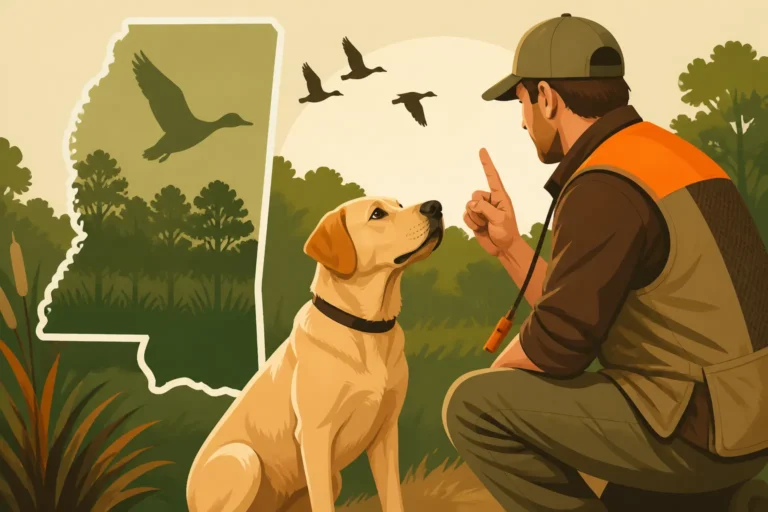
Your mode of transport and whether your four-legged hunting buddy can join you are also subject to rules. Most areas of Sardis Lake are open to motorboats, but specific refuge units or shallow water zones might have restrictions on motor size or even prohibit internal combustion engines entirely, requiring electric trolling motors or even paddle power. Always look for signage at launch points or on area maps. Regarding dogs, well-trained retrievers are generally welcome for waterfowl hunting, but they must be under the immediate control of their handler at all times. This means no free-roaming dogs chasing other wildlife or disturbing other hunters. Voice command and whistle training are paramount. Ensure your dog is wearing appropriate identification and is up-to-date on all vaccinations. Remember, the focus is on hunting, not creating a disturbance that impacts other wildlife or hunters.
Access, Permits, and Staying Legal on Sardis Refuge
Getting into the hunting area, possessing the right paperwork, and knowing how to properly report your harvest are the final pieces of the puzzle. Overlooking any of these can lead to an otherwise successful hunt being marred by legal issues.
Required Permits and Application Processes
Beyond your standard Mississippi hunting license and the federal duck stamp, Sardis Waterfowl Refuge sometimes requires additional permits, especially for specific hunting areas or during certain periods. These might be no-cost daily permits obtained at a self-service kiosk, or they could be quota hunt permits that require an application and draw process. It's absolutely critical to verify if any special permits are needed for your chosen hunting dates and locations within Sardis. The MDWFP website will be your best friend here, as will specific signage at the refuge itself. Don't assume your state license is all you need for federal lands; many refuges operate under a system that demands an additional layer of administrative oversight. Check the specific information for Sardis Waterfowl Refuge Public Access well in advance of your trip.
Designated Hunting Zones and Entry Restrictions
Sardis Lake is a large body of water, and not all of it is open to waterfowl hunting. The refuge will have designated hunting zones, often marked by signs or clearly delineated on maps. It's your responsibility to know these boundaries. Hunting outside a designated zone, or entering a restricted area (such as a waterfowl sanctuary), is a serious offense. Access points might also be restricted, with specific launch ramps or entry points. Some areas might even have time-based entry restrictions, meaning you can't enter before a certain hour or must exit by another. Using a reliable mapping app like onX Hunt can be incredibly helpful here, as it often shows public land boundaries and even specific WMA or refuge overlays, allowing you to see exactly where you are relative to legal hunting grounds. Even if you're Using the MDWFP App Without Cell Service, make sure you've downloaded the maps beforehand to avoid any boundary mishaps.
Checking Game and Reporting Requirements
Mississippi, like many states, has mandatory game checking requirements for certain species. While deer and turkey typically require immediate reporting, waterfowl usually do not require individual bird reporting through an app or website unless you are hunting in a specific quota hunt area or a special research program. However, federal duck hunters are part of the Harvest Information Program (HIP), which is simply a survey that gathers information about hunter activity. You get your HIP certification when you buy your license. You might also be selected for a federal waterfowl hunter survey, which is a critical component of migratory bird management. If you receive a survey, please participate, as your data helps manage the resource for future generations.
It's also worth reiterating that while Sardis offers fantastic waterfowl opportunities, it's also public land that sees a lot of pressure. Be respectful of other hunters, maintain safe distances, and leave no trace. Every hunter's actions impact the overall experience and the future of hunting on these shared resources.
Disclaimer
This article is for general informational purposes only and does not constitute professional advice. Laws, prices and regulations vary by location and change over time. Consult a qualified professional for guidance on your specific situation.