Retrieving Game From Private Land in Mississippi
There are few moments more agonizing for a Mississippi hunter than making a perfect shot on a deer, tracking it through the woods, only to realize the blood trail leads straight onto private property where you don't have permission. That sudden drop in your stomach, the ethical dilemma, and the legal questions can turn a moment of triumph into a genuine headache. This guide is here to walk you through the proper, respectful, and legal ways to navigate the tricky situation of retrieving game that has wandered onto land that isn't yours.
The Gut-Wrenching Reality: When Your Deer Crosses the Line
It's a scenario every hunter dreads: you've patterned a buck, waited patiently, and finally made a clean shot. The deer takes off, and you give it time, maybe an hour or two, before taking up the track. The blood trail is good, easy to follow, and your heart is pounding with anticipation. Then, you see it – a clear property line, a fence, a painted tree, or a "No Trespassing" sign, and the crimson droplets continue right past it. Suddenly, your hard-earned success feels like it's slipping away, and you're caught between the desire to recover your game and the absolute necessity of respecting private property.
Understanding Mississippi's Trespass Laws
The immediate, cold-hard truth in Mississippi is that crossing a property line onto private land without the landowner's express permission, even to retrieve game, constitutes trespassing. This isn't a gray area; it's black and white. While your intentions are noble – you want to ethically recover an animal you've legally harvested – the law protects private property rights above all else. Many hunters mistakenly believe there's an "implied consent" or an "ethical retrieval" clause in state law, but that's simply not the case here. Walking onto someone else's land, even a few feet, without their explicit permission, can lead to serious legal repercussions, from fines to potential loss of hunting privileges. It's a tough pill to swallow when you know that deer is just out of reach, but understanding this fundamental legal boundary is your first and most crucial step. You can read more about the specifics of Mississippi Trespass and Permission Law.
Imagine the feeling: you see your deer, just 20 yards inside the private timber, perfectly visible. Your instincts scream to go get it. But you stop. That stop is vital. It means you're prioritizing the law and respect for private landowners, even if it feels like you're letting your hard work go to waste. That pause is the difference between being a responsible hunter and facing potential legal trouble, not to mention damaging the reputation of all hunters.
The Immediate Ethical and Practical Dilemma
Beyond the legal aspect, there's the ethical dilemma. As hunters, we have a responsibility to recover the game we shoot. Wasting an animal is antithetical to our principles. Yet, what do you do when fulfilling that responsibility puts you at odds with property rights? This isn't just about avoiding a ticket; it's about doing the right thing in a complex situation. The practical challenge is equally daunting: who owns that land? How do you contact them? Will they even be home? What if they're anti-hunting?
This is where the real work begins. You can't just throw your hands up and walk away, leaving a deer to waste. But you also can't just storm across the fence. You've got to take a deep breath, mark the last known location of the deer, and prepare to become a diplomatic detective. Your commitment to ethical hunting means you must attempt to gain permission. This initial stage, filled with anxiety and conflicting impulses, is where careful thought and planning become paramount.
The Art of Respectful Outreach: Gaining Permission
Once you realize your deer has crossed onto private land, the clock starts ticking, especially in warmer Mississippi weather. Your immediate priority shifts from tracking to contacting the landowner. This isn't a task to be rushed or handled carelessly; a respectful and well-prepared approach can make all the difference.
Identifying the Landowner
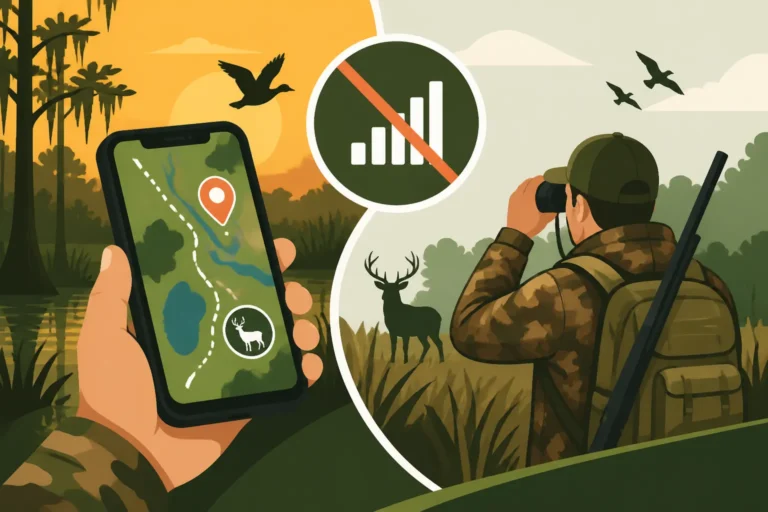
Before you can ask for permission, you need to know who to ask. This can be surprisingly challenging, especially in rural areas where "private land" might just be woods without clear signage or visible dwellings. Luckily, technology has made this much easier. Tools like onX Hunt or GoHunt are invaluable here. These mapping applications overlay property ownership information onto detailed satellite imagery and topographical maps. You can pinpoint your exact location, see the property lines, and often get the landowner's name and contact information right on your phone.
Using an app like onX Hunt is a game-changer. I remember a time before these apps, when finding a landowner meant knocking on every door down a gravel road or driving to the county courthouse to search public records, which could take hours, if not days. Now, you can often identify the owner within minutes. Once you have a name, a quick search online for phone numbers or addresses can often get you what you need. If direct contact information isn't available through the app, try the county tax assessor's office; property records are public information, and they can usually provide the owner's mailing address or, sometimes, a phone number. For deeper dives, Finding Mississippi Property Lines goes into more detail on these resources.
Crafting Your Approach: In-Person vs. Phone
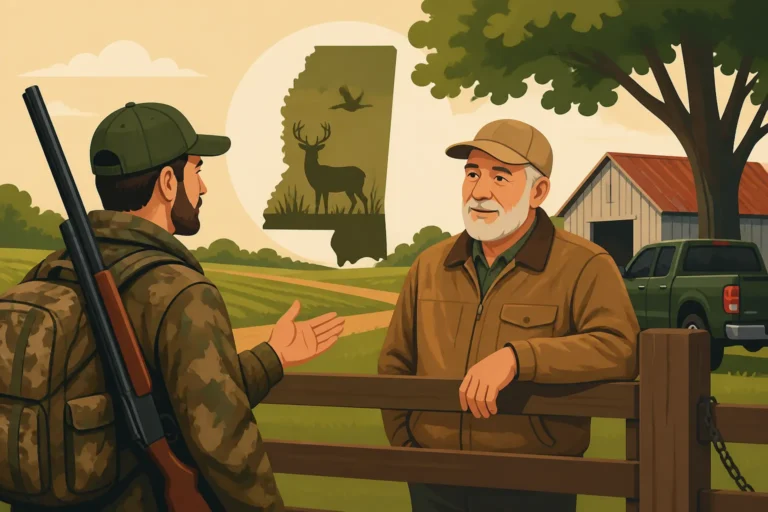
Once you have the landowner's information, you need to decide how to make contact. An in-person visit is often the most effective, as it allows for direct communication and helps build trust. However, only do this if it feels safe and appropriate. If the property has a residence, approach during daylight hours and be sure to look presentable. Leave your firearm in your vehicle, out of sight. You want to appear as non-threatening and respectful as possible.
If an in-person visit isn't feasible or safe (e.g., no visible residence, locked gates, aggressive dogs, or you feel uneasy), a phone call is your next best option. Regardless of the method, your message should be polite, clear, and concise. Introduce yourself, state your reason for calling (you are a hunter who has wounded a deer that has gone onto their property), and explain that you are seeking permission to retrieve it. Emphasize your respect for their property and your commitment to ethical hunting. Be prepared to provide details about where the deer crossed, the estimated location, and assure them you will only go to the specific area needed. Offering to show them the blood trail or even having them accompany you can sometimes help alleviate their concerns.
Table: Approaching a Landowner for Game Retrieval
| Aspect of Approach | In-Person (Preferred, if possible) | Phone Call (Good alternative) | Key Considerations for Both |
|---|---|---|---|
| Preparation | Know landowner's name, property boundaries (via onX Hunt) | Have name, property details, and a clear script ready | Be polite, honest, and respectful |
| Appearance/Tone | Clean, casual clothes; calm, humble demeanor; unarmed | Speak clearly, calmly, and courteously | Avoid demands or sounding entitled |
| What to Say | Introduce self, explain situation (wounded deer on property), request permission, guarantee quick and respectful retrieval | Same as in-person; explain why you're calling, offer details | Emphasize ethical recovery, minimize impact |
| Anticipate Questions | "Where exactly?", "How long will you be?", "Will you bring dogs?" | Same questions, be ready with specific answers and reassurance | Be transparent, build trust, offer solutions |
| Equipment | Leave firearm in vehicle; bring tracking gear (flashlight, gloves) | Have your hunting license number ready if requested | Show you are prepared for quick retrieval |
Always remember that you are asking for a favor, not asserting a right. Your humility and respect are your most powerful tools.
Navigating the Outcome: What to Do After the Conversation
You've made contact. You've explained the situation. Now comes the moment of truth: the landowner's response. Their answer dictates your next steps, and it's crucial to handle both acceptance and refusal with grace and understanding.
When Permission is Granted
If the landowner grants you permission, congratulations! You've successfully navigated a tricky situation. Before you head out, make sure you understand any specific conditions they might impose. They might ask you to only go during daylight hours, use a particular route, avoid certain areas, or even insist on accompanying you. Agree to all reasonable requests. Confirm if they want you to check back in after you've retrieved the deer. Take only what you need (knife, drag rope, perhaps a flashlight if it's getting dark) and leave your firearm in your vehicle, especially if they are joining you or have expressed any hesitation about weapons on their property. This shows good faith and respect for their property and wishes.
Remember, this is a privilege, not a right. Be quick, be quiet, and leave absolutely no trace. If you happen to damage anything, report it immediately and offer to fix it. This act of good sportsmanship can turn a potentially negative encounter into a positive one, perhaps even opening doors for future hunting opportunities or at least ensuring they'll be amenable if this ever happens again to you or another hunter. This kind of courtesy builds goodwill for all hunters in the community.
When Permission is Denied
This is the hardest pill to swallow. Despite your best efforts, the landowner might outright refuse permission. Their reasons could vary: they might be anti-hunting, have livestock, fear liability, or simply not want anyone on their property. Whatever their reason, you must respect their decision. It's frustrating beyond words to know your deer is lying just beyond reach, but badgering, arguing, or attempting to guilt-trip them will not help. It only reinforces negative stereotypes about hunters and could escalate into a legal issue if you ignore their refusal.
If permission is denied, your options become severely limited. Legally, you cannot retrieve the animal. At this point, you might consider contacting the Mississippi Department of Wildlife, Fisheries, and Parks (MDWFP). While they often cannot force a landowner to grant access, they may be able to offer mediation or advice. In some very specific cases, they might even retrieve the animal themselves if it poses a health hazard (e.g., near a water source or residence), but this is rare and not guaranteed. Your ethical obligation to retrieve the animal is now superseded by the legal obligation to respect private property. It's a tough lesson, but one that underscores the importance of knowing your hunting grounds and property boundaries thoroughly. Ensure you follow Mississippi Deer Reporting Requirements for any deer you harvested, even if it cannot be fully recovered.
When You Can't Make Contact
Sometimes, despite your best efforts with onX Hunt or public records, you simply cannot reach the landowner. Maybe they live out of state, or the phone number is disconnected, or they don't respond to messages. This situation puts you in a difficult bind. Without explicit permission, entering the property is still trespassing. In this scenario, your best course of action is to contact the MDWFP. Explain that you've made a good-faith effort to contact the landowner and have been unsuccessful. They may have resources to reach the owner or provide guidance on the next steps, though again, they cannot grant you permission to trespass. It's a frustrating limbo, but patience and adherence to the law are key.
Proactive Measures: Avoiding Future Dilemmas
The best way to handle game crossing onto private land is to prevent the situation from occurring in the first place. While you can't control every variable, there are many steps you can take to minimize the chances of this heartbreaking scenario happening to you.
Scouting and Understanding Property Lines
Thorough scouting is paramount. Before you even set foot in the woods for a hunt, you should have a detailed understanding of the property you're hunting and all adjacent private parcels. Use mapping tools like onX Hunt or GoHunt to study property lines, identify adjacent landowners, and note any potential access points or natural barriers that might funnel deer. Knowing who owns the land next door before you hunt allows you to proactively seek permission for retrieval. Some hunters even make it a habit to knock on doors of adjacent landowners before the season starts, introducing themselves and explaining that there's always a chance a deer could cross their property, respectfully asking for permission in advance. This can build relationships and goodwill that are invaluable when the moment arrives.
Beyond just knowing the lines, understand the terrain near those boundaries. Are there thickets that deer might run into? Open fields they might cross? Creek bottoms that could make tracking difficult? The more you understand these boundaries, the better you can position yourself to take a shot that minimizes the risk of the animal traveling onto unknown territory. Scouting Mississippi Public Land Before Season details many strategies for understanding your hunting area.
Strategic Stand Placement and Shot Selection
Your stand placement and shot selection play a huge role in preventing game from crossing onto private land. When hunting near a property line, consider setting up in a way that directs the deer's escape route away from the boundary. Think about prevailing winds, natural funnels, and escape cover. For instance, if a property line runs along an open field, position your stand to encourage a deer to run back into your land's timber, not across the field toward the neighbor's property.
Equally important is shot selection. While a clean kill shot is always the goal, when hunting near a boundary, exercise extra caution. If a deer is right on the property line, or moving rapidly towards it, waiting for a better opportunity on your side of the fence is often the wisest decision. A marginal shot taken in haste can easily lead to a long tracking job that ends on prohibited ground. It's better to let a deer walk and hunt another day than to take a risky shot that could result in lost game and legal trouble. Always be mindful of your shooting lanes and what lies beyond your target.
Building Relationships with Neighbors
Perhaps the most underrated proactive measure is simply being a good neighbor. If you hunt land adjacent to private property, take the time to introduce yourself to the landowners. Even a simple wave or a friendly chat can make a world of difference. Offer to help them with a task, or just make sure they know you're a responsible hunter who respects their property. Building these relationships before an incident occurs can make asking for permission much easier. A landowner is far more likely to grant access to a familiar face they trust than to a complete stranger showing up with an urgent request.
This community approach extends to reporting any suspicious activity you might see on their land (e.g., illegal dumping, poaching). Showing that you care about their property, not just your hunting success, can foster a strong, positive relationship that benefits everyone involved. The hunting community thrives on good relationships, and being a responsible, communicative neighbor is a huge part of that.
Disclaimer
This article is for general informational purposes only and does not constitute professional advice. Laws, prices and regulations vary by location and change over time. Consult a qualified professional for guidance on your specific situation.