Malmaison Wildlife Management Area
Finding quality public hunting land in Mississippi that offers diverse opportunities can sometimes feel like searching for a needle in a haystack, especially when you're looking for areas that consistently produce. Many hunters get discouraged by crowds or lack of good habitat, but places like Malmaison Wildlife Management Area stand out as genuine gems. This guide is dedicated to helping you unlock the full potential of Malmaison, covering everything from its unique landscape to species-specific tactics so you can plan your next successful hunt.
Exploring the Unique Landscape of Malmaison WMA
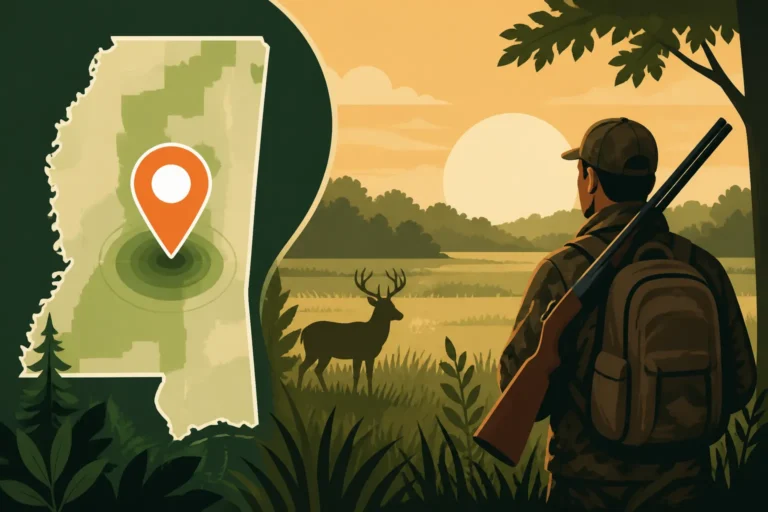
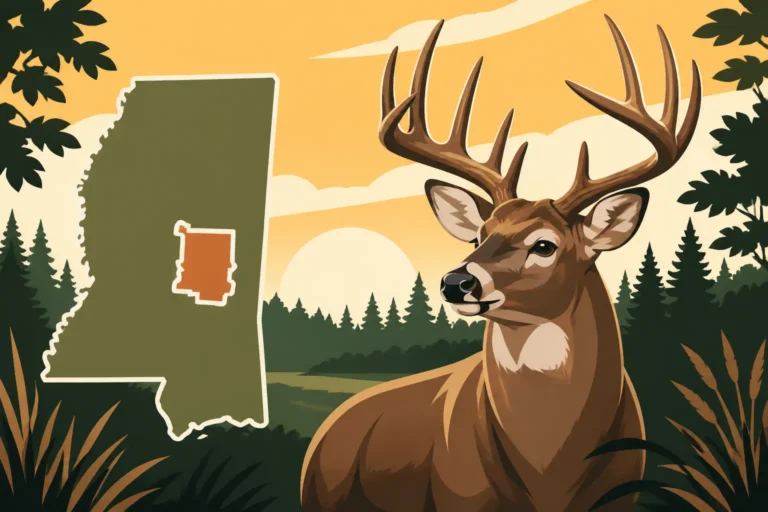
Malmaison Wildlife Management Area, located squarely in the heart of Mississippi's legendary Delta, offers a truly distinctive hunting experience. Unlike many other public lands that might feature pine plantations or rolling hills, Malmaison is characterized by its sprawling bottomland hardwood forests, a true paradise for whitetails, waterfowl, and a host of other game species. It's not just a patch of woods; it's an ecosystem shaped by the mighty Yazoo River and its tributaries, creating a dynamic environment that changes with the seasons and water levels. Understanding this landscape is key to effective hunting here.
Habitat and Topography
The vast majority of Malmaison WMA consists of mature bottomland hardwoods, interspersed with cypress and tupelo brakes, sloughs, and a network of small streams and oxbow lakes. During periods of high water, large sections of the WMA can flood, which, while challenging, also creates incredible opportunities, particularly for waterfowl. This ever-changing water regime means that deer, turkeys, and small game are constantly adapting their movements, concentrating in higher spots, or moving to the edges of fields. The elevation changes are subtle but critical; even a slight ridge or old levee can become a highway for deer moving through flooded areas. This dense cover and periodic flooding make scouting challenging but also mean that wildlife often have undisturbed pockets to retreat to.
The WMA also incorporates a mix of agricultural fields, often leased for crops like corn or soybeans, which provide critical food sources for deer and migrating waterfowl. These fields, combined with the extensive natural browse in the timber, create a rich buffet that keeps wildlife in the area. The dense understory in many parts of the WMA, particularly in areas less prone to deep flooding, offers incredible bedding cover for deer, making still-hunting an art form here. Hunters often find themselves navigating through thick stands of switchcane, privet, and greenbriar, which can be tough going but are precisely where the big bucks like to hide.
Management Goals and Practices
The Mississippi Department of Wildlife, Fisheries, and Parks (MDWFP) manages Malmaison WMA with a primary goal of enhancing wildlife habitat and providing diverse public hunting and outdoor recreation opportunities. This means active management practices are always in play, from timber stand improvement that favors hard mast-producing trees to controlled burns designed to promote understory growth and improve forage. Water management is also a huge component, especially for waterfowl, with some areas designed to be intentionally flooded during the winter months. These efforts directly influence where game will be found.
Regular biological surveys are conducted to monitor wildlife populations, track health, and inform harvest regulations. For deer, this often involves specific antler restrictions aimed at allowing bucks to reach older age classes and express their full antler potential, which is why you hear so much about big bucks coming out of the Delta region. They also manage for other species, ensuring that turkey populations are healthy and small game habitats are maintained. Before heading out, always check the MDWFP website or the kiosk at the WMA entrance for the most current regulations and any special instructions, as these can change year to year based on management objectives and wildlife population trends.
Deer Hunting at Malmaison WMA
Deer hunting at Malmaison is a quintessential Mississippi Delta experience. It's known for producing mature bucks, but they don't come easy. The dense cover, dynamic water levels, and the sheer vastness of the WMA mean that successful deer hunting here requires strategic planning, persistence, and an understanding of the local deer behavior. Forget wide-open Western landscapes; this is deep woods hunting where every advantage counts.
Stand Placement and Strategy
When you're trying to figure out where to hang a stand in Malmaison, think about what a deer needs: food, water, and cover, and how they move between those resources. Elevated stands, whether climbing stands or ladder stands you set up on public ground, are crucial here to get above the dense undergrowth and get good shooting lanes. Look for subtle changes in elevation that create pinch points, such as a slight rise between two sloughs or an old logging road that runs along the edge of a perpetually wet area. These become natural funnels for deer movement, especially when portions of the WMA are flooded. Hanging a Stand on a Delta Bottomland Funnel can give you some excellent pointers on spotting these subtle terrain features.
Consider how water levels impact deer movement. If heavy rains have swollen the Yazoo River or its tributaries, deer will be pushed to the highest available ground. Old levees, even small ones, or patches of slightly higher elevation timber become prime travel corridors. During the early archery season, before major flooding, focus on areas with abundant natural browse and acorns if it's a good mast year. Later in the season, when temperatures drop and water levels rise, deer will concentrate around remaining dry ground and any accessible agricultural fields. Using mapping tools like onX Hunt can be invaluable for identifying these subtle elevation changes and potential funnels, especially when you're scouting from home or trying to navigate the thick timber.
Rut Hunting Considerations
The rut at Malmaison, like much of the Delta, can be intense, but it's often a bit later than in other parts of the state. It usually peaks in late December through January, offering exciting opportunities during Mississippi's gun season. During this time, bucks are far more active, cruising for does, making scrapes, and rubbing trees. The challenge, again, is the dense cover. You might hear more action than you see. Grunt tubes and rattling antlers can be incredibly effective here, especially when you're set up in a thick area where a curious buck might investigate. Rattling and Grunting in Mississippi offers insights into how to use these calls effectively in the Delta's unique environment.
Focus your rut hunting efforts on areas where you've seen fresh sign – scrapes, rubs, and heavy tracks. Doe bedding areas are hot spots, as are the travel corridors bucks use to get to them. Often, this means hunting the edges of dense cover or along the aforementioned subtle elevation changes. Be patient, as a buck might not come charging in but might circle downwind. The wind here, especially in the flat Delta, can be fickle, so always play it smart. The benefit of Malmaison's density is that bucks feel secure, so they don't always run as far or as fast when pressured, which can be a double-edged sword: harder to find, but sometimes easier to get a second chance if you're quiet and persistent.
Waterfowl Hunting at Malmaison WMA
Malmaison WMA is a significant destination for waterfowl hunters, primarily due to its location within the Mississippi Flyway and its managed bottomland hardwood habitat. When the water levels are right, and the ducks are flying, it can be an unforgettable experience. However, just like deer hunting, it requires specific tactics and a keen understanding of the area's unique features.
Flooded Timber Tactics
Hunting flooded timber at Malmaison is a classic Delta waterfowl experience. When the WMA is intentionally flooded or naturally overflows, vast tracts of timber become prime habitat for migrating ducks, especially mallards and wood ducks. The trick here is finding the right trees – those with good open spots between them for ducks to land, but enough cover to hide your boat or yourself. Scouting is absolutely critical. You need to identify areas where ducks are actively feeding or loafing. Look for fresh droppings on stumps, disturbed water, and, of course, listen for their chatter. Hunting Flooded Timber for Wood Ducks delves deeper into the nuances of this challenging but rewarding method.
Setting up in flooded timber involves careful camouflage and minimal disturbance. Many hunters use small boats or kayaks to navigate to their spots, then hide them among the trees. Decoy spreads tend to be smaller and more natural-looking, mimicking ducks feeding or resting in the timber. Calling is vital, especially a good greeting call to catch their attention and then softer, contented feeding calls to bring them in close. The water levels can dictate accessibility, so always check conditions before you go. Sometimes, a short walk through shallow water might get you to a spot deeper in the timber that other hunters overlook.
Field Hunting Approaches
Beyond the timber, Malmaison also offers opportunities to hunt ducks and geese in agricultural fields, particularly cut corn or soybean fields that may hold standing water after rain or managed flooding. These fields attract large numbers of dabbling ducks, especially pintails and mallards, as well as various geese. Field hunting requires a different strategy than timber hunting. It often involves layout blinds or natural blinds built from crop stubble to conceal hunters effectively against the open sky.
Decoy spreads in fields are typically much larger, designed to be seen from a distance by high-flying birds. Spreads often include a mix of full-body decoys, silhouette decoys, and even some motion decoys to simulate active feeding. Calling for field ducks and geese needs to be aggressive and loud to reach birds flying high overhead, then toned down as they commit and get closer. Just like with timber hunting, scouting the fields is paramount; you need to know where the birds are feeding, not just where the water is. Pay attention to their flight patterns and entry points into the field. Layout Blind Hunting Delta Farm Fields offers excellent advice on how to make the most of these opportunities.
Small Game and Other Opportunities at Malmaison
While deer and waterfowl often grab the headlines, Malmaison WMA provides excellent opportunities for a variety of other game species, making it a truly versatile hunting destination. From fast-paced squirrel hunts to the elusive wild turkey and the ever-present feral hog, there's always something to pursue.
Squirrel and Rabbit Tactics
Squirrel hunting at Malmaison can be incredibly productive, especially in the extensive bottomland hardwoods. The WMA's diverse mast crop – acorns, pecans, and other hard mast – ensures a healthy population of both gray and fox squirrels. Early season hunts, when the leaves are still thick, often involve still-hunting slowly, listening for the tell-tale rustle of leaves or the chatter of squirrels cutting nuts. As the season progresses and leaves fall, stand hunting near active feeding trees becomes more effective. Squirrel Hunting Delta Bottomland Hardwoods highlights the best strategies for this type of environment. A good pair of binoculars is your best friend here, helping you spot those camouflaged bushy tails high in the canopy.
Rabbit hunting is another classic small game pursuit at Malmaison, especially along the edges of fields, old logging roads, and brushy areas. The thick undergrowth provides fantastic cover for cottontails. While running beagles is a popular and effective method on private land, hunters on Malmaison can also have success with a more active approach, pushing brushpiles and fencerows. It's a great way to introduce new hunters to the field, offering plenty of action and a good challenge. Keep an eye out for briar patches and dense thickets; if you push them right, you're likely to jump a cottontail or two.
Turkey and Hog Opportunities
For wild turkeys, Malmaison offers a challenging but rewarding spring season. The mature hardwoods provide excellent roosting habitat, and the mix of timber and open fields creates good foraging areas for gobblers. Scouting for roost sites before the season, or listening for gobblers at first light, is crucial. Setting up quietly against a large tree, using realistic calls, and being patient are key. Spring Turkey Hunting in Mississippi provides comprehensive strategies that are highly applicable to Malmaison's turkey woods. Remember, these Delta gobblers can be wary, so stealth and good calling are paramount.
Feral hogs are a year-round presence at Malmaison, and hunting them is not only an exciting challenge but also a service to the WMA's ecosystem. These destructive animals root up sensitive habitats and compete with native wildlife for food. Malmaison, with its dense cover and riverine environment, offers ideal hog habitat. Hunters often pursue them opportunistically while deer or squirrel hunting, but dedicated hog hunts can also be very successful. Night hunting with lights is often allowed on private land, but always check the specific rules for public land areas like Malmaison. Stalking hogs near wallows, rooting areas, or along trails is a common tactic. Hunting Mississippi's Year-Round Feral Hogs offers a deep dive into various methods for pursuing these challenging animals.
Navigating Malmaison WMA and General Rules
Hunting public land successfully often comes down to knowing the rules and how to navigate the terrain effectively. Malmaison, with its vastness and dynamic environment, certainly presents its share of challenges. Being prepared and informed can make all the difference between a frustrating day and a memorable hunt.
Access and Entry Points
Malmaison WMA has several designated entry points, typically off paved or well-maintained gravel roads. It's important to familiarize yourself with these access points and the internal road system before you go. Many of the internal roads are gravel or dirt and can become impassable during wet weather or periods of flooding. Always pay attention to signage, as certain roads or areas might be closed to vehicle traffic during specific seasons or conditions to minimize disturbance or protect fragile habitats.
Parking is usually available at designated spots, and it’s always best to park where your vehicle won’t obstruct traffic or block gates. Walking in can often get you away from crowds, but be prepared for long treks through potentially difficult terrain. This is where a robust mapping app like onX Hunt truly shines. You can download offline maps to your phone, mark parking areas, identify internal roads, and navigate directly to your desired hunting spots, even when cell service is nonexistent – a common scenario in the dense Delta. This tool helps you understand property lines, identify potential funnels, and know exactly where you are in relation to WMA boundaries, helping you avoid accidental trespass.
Essential Gear and Regulations
Beyond your hunting weapon and camouflage, certain gear is almost mandatory for Malmaison. Waterproof boots or waders are essential, especially during late season or after heavy rains, as you're almost guaranteed to encounter standing water or muddy conditions. A good headlamp or flashlight is also critical for early morning walks in and late evening walks out. Insect repellent is a must, especially during warmer months, as mosquitoes and gnats can be relentless in the bottomlands. A compass and paper map, in addition to your digital mapping tools, serve as a crucial backup.
Always review the current MDWFP regulations for Malmaison WMA before each season. These regulations cover everything from legal weapons and ammunition to bag limits, season dates, and specific rules for public land use. Special regulations might apply to certain species, specific management zones within the WMA, or during quota hunts. For instance, Mississippi Legal Firearms for Deer Hunting covers general rules, but Malmaison might have additional restrictions. Hunter orange requirements are strictly enforced, and knowing when and how much to wear is vital for safety. Remember that all harvested deer and turkeys must be reported through the MDWFP's online harvest reporting system or mobile app, so have that ready. Respecting these rules not only keeps you legal but also contributes to the sustainable management of Malmaison for future generations of hunters.
Seasons and Bag Limits at Malmaison WMA
Understanding the specific season dates and bag limits for Malmaison WMA is paramount for any hunter planning a trip. While general statewide regulations exist, WMAs often have their own unique sets of rules designed to manage local wildlife populations effectively and spread hunting pressure. Always double-check the latest MDWFP WMA regulations guide before heading out, as dates and limits can sometimes vary from year to year.
Deer Season Breakdown
Deer season at Malmaison typically follows the general Delta Unit regulations but with some specific WMA variations. Archery season usually opens in October, offering a chance to scout and hunt before gun season. Muzzleloader season often provides another opportunity, followed by gun season, which can stretch into January. The antler restrictions here, like other Delta Unit WMAs, are usually more stringent, often requiring a minimum antler spread of 12 inches or more to protect younger bucks and promote older age classes. This can be a tough rule for new hunters to get used to, but it's why the Delta is known for big deer. Delta Unit Antler Restriction Rules explains these in more detail.
Bag limits for deer on Malmaison will specify the number of antlered bucks and antlerless deer you can harvest, and often restrict antlerless harvest to specific dates or periods. Youth hunters often have special opportunities, sometimes with an earlier or extended youth gun season. It's crucial to report all harvested deer accurately and promptly as required by the MDWFP. This data helps biologists make informed management decisions. Keep in mind that pressure can be high during opening weekends of gun season, so if you're looking for solitude, consider hunting weekdays or later in the season.
Waterfowl and Small Game Season Windows
Waterfowl season at Malmaison generally mirrors the Mississippi North Zone duck splits, usually running from late November through December, with a second split often in January. However, specific WMA hunt dates for waterfowl might be limited to certain days of the week, or require specific permits or reservations. Some areas might be managed as "draw" hunts, requiring a successful application to access. The bag limits for ducks and geese will align with federal and state guidelines, with specific species sub-limits (e.g., mallards, wood ducks). Being aware of Mississippi Duck Zone Split Rules is key.
For small game, squirrel season often opens in October and runs well into February, providing ample time to enjoy the hardwoods. Rabbit season typically follows a similar timeline. Turkey season generally kicks off in mid-March and runs through early May, but always verify the exact Malmaison dates, as they can sometimes differ slightly from the statewide opener. Feral hogs, as mentioned, are usually fair game year-round, which is a fantastic bonus for hunters looking to extend their time in the woods.
Here’s a simplified overview of typical prime hunting windows at Malmaison WMA:
| Species | Prime Hunting Window (General) | Key Considerations |
|---|---|---|
| White-tailed Deer | Late Oct – Early Jan | Rut peaks Dec-Jan; higher antler restrictions; check water levels |
| Waterfowl | Late Nov – Early Feb | North Zone splits; flooded timber/fields; WMA-specific dates |
| Wild Turkey | Mid-March – Early May | Spring gobbler season; challenging hunts; scout roosts |
| Squirrel | Oct – Feb | Abundant in hardwoods; focus on mast crops |
| Rabbit | Oct – Feb | Good in brushy edges; often taken opportunistically |
| Feral Hogs | Year-Round | Opportunistic or dedicated hunts; helps ecosystem |
Note: This table provides general timeframes. Always consult the official MDWFP Malmaison WMA regulations for exact, current season dates and bag limits.
Disclaimer
This article is for general informational purposes only and does not constitute professional advice. Laws, prices and regulations vary by location and change over time. Consult a qualified professional for guidance on your specific situation.