How Far to Walk From a Forest Road
One of the most common dilemmas we face as hunters, especially those of us who frequent Mississippi's public lands, is finding game that hasn't been completely spooked by human activity. It's a frustrating reality that many deer and turkeys learn very quickly to avoid areas close to roads, leaving us wondering just how far we really need to walk to get away from the crowds and find success. This guide is all about helping you figure out that sweet spot, giving you the tools and tactics to push deeper and find those less-pressured animals.
Understanding Hunting Pressure Near Roads
It’s no secret that the easier a spot is to reach, the more hunters you’re likely to find there. This creates a zone of high pressure right off the forest roads and access points on public land. Whether you're hunting in a National Forest or a WMA, this phenomenon is pretty universal across Mississippi. If you've ever pulled up to a spot on opening day and seen five other trucks already parked, you know exactly what I'm talking about.
The "Road Hunter" Mentality
Let’s be honest, we all appreciate convenience. After a long week of work, the thought of an exhausting hike before the sun even thinks about rising isn't always appealing. This leads many hunters to adopt what's often called the "road hunter" mentality. They park their truck, walk a few hundred yards in, and set up shop. There's nothing inherently wrong with this, but it concentrates pressure in those easily accessible areas, teaching the local game quickly that anything that sounds or smells like a human probably originates near those main roads. Hunting Pressure on Mississippi Public Land is a real challenge for all of us.
The cumulative effect of this human presence, even if it's just a few hunters over a season, trains deer to be incredibly wary in those easily reached zones. They learn patterns, they recognize vehicle sounds, and they adjust their movements. They’re not dumb animals; they're masters of survival, and they’ve been dealing with hunters for generations. Our job is to outthink them, and that often means changing our approach to where and how far we walk.
The First 500 Yards: What to Expect
If you're hunting within the first 500 yards (roughly a quarter to a third of a mile) of a well-used forest road, you should expect to encounter areas that have been heavily scouted, walked through, and hunted. This doesn't mean you can't kill a deer or turkey here, but the odds are stacked against you, especially for mature, wary animals. These areas might hold some deer during the middle of the day when pressure is low, or younger, less experienced animals.
You might find old treestand setups, discarded scent wicks, or worn paths from previous hunters. These are all signs that the area has seen significant human activity. While a quick scout might reveal some promising looking habitat, you have to consider how often game actually uses those spots during daylight hours, particularly during hunting season. Big bucks, especially, become almost completely nocturnal in these high-pressure zones.
Game Behavior Near High-Traffic Areas
Deer, turkeys, and even hogs are incredibly sensitive to disturbance. Near roads, they tend to become much more cautious. Deer will often bed deep in thick cover during the day, only venturing out into more open areas or feeding zones after dark. They'll use dense security cover to travel, often paralleling roads or open areas from a distance, staying just out of sight and scent. Turkeys will still roost, but their morning fly-down and strutting grounds might shift further away from human activity.
This behavior is why you might see a "ghost town" effect in seemingly perfect habitat close to roads. The food sources are there, the cover is there, but the game is not. Or, if they are, they're moving at times when we're not typically in the woods. Understanding this adaptation is the first step to planning a more successful hunt. We need to find where they feel safe enough to move during legal shooting hours.
The "Sweet Spot" for Distance: How Far is Far Enough?
So, how far do you need to walk? There's no single magic number, unfortunately, as every piece of land and every season is different. But there are certainly general guidelines and strategies that can dramatically increase your odds by simply putting a little more effort into your trek.
Breaking the One-Mile Barrier
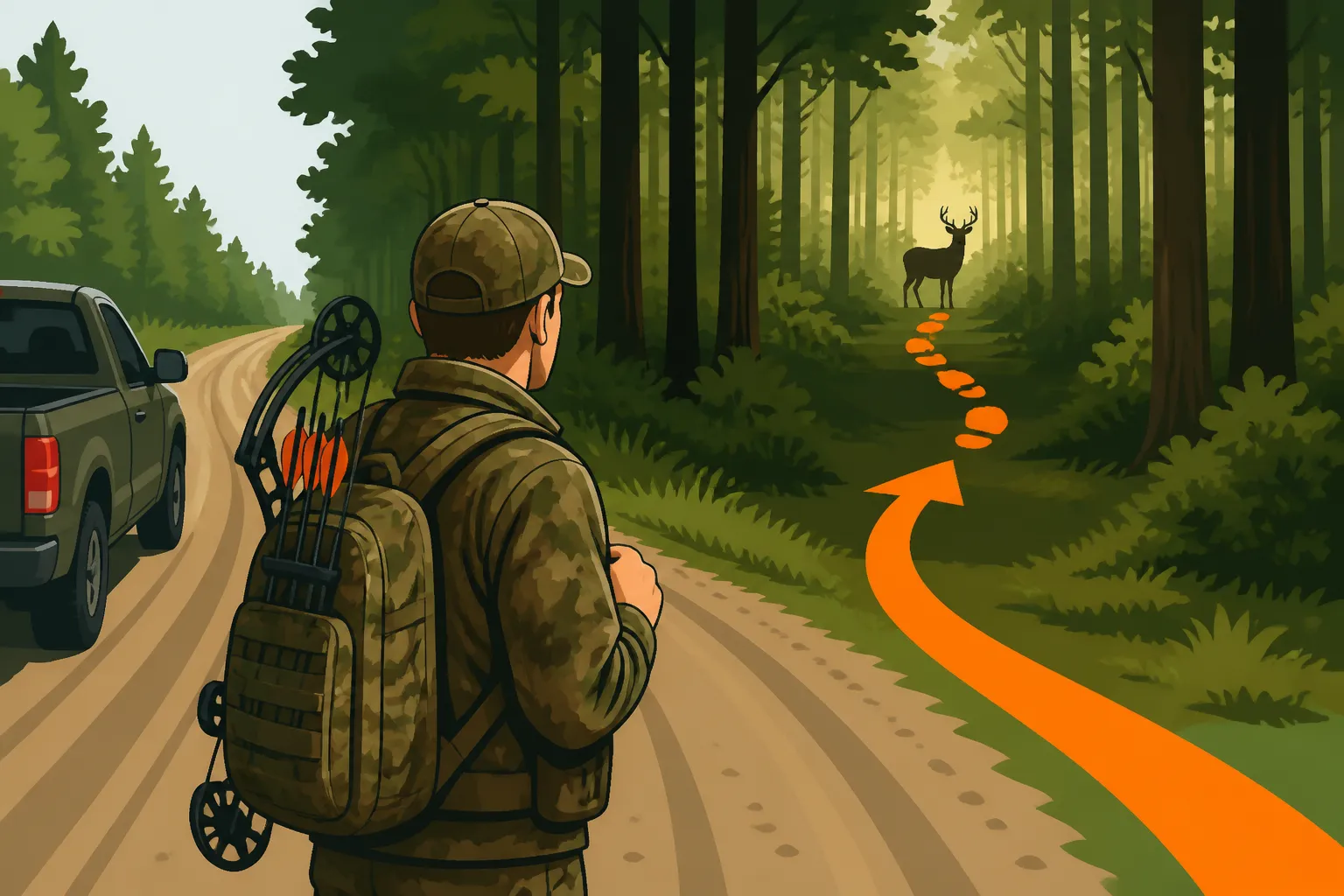
For many hunters, a one-mile walk feels like a significant hike, especially in the dark before dawn, carrying all your gear. This is precisely why pushing past that one-mile mark can be a game-changer. Think about it: if most hunters stop at half a mile, or even three-quarters of a mile, then by hitting that one-mile-plus threshold, you're entering an area that sees significantly less human disturbance. This is where you start finding pockets of truly unpressured game. Finding Ground Others Walk Past often means going where others aren't willing.
The psychological barrier of that extra distance is as important as the physical one. Most people don't want to work that hard, which means the rewards are often waiting for those who do. When you start venturing a mile, a mile and a half, or even two miles deep, you're often finding game that behaves more naturally, moving earlier and later, and feeding more predictably. These distances also allow you to get further from road noise, letting you hear deer moving or turkeys gobbling more clearly.
Factors Influencing Ideal Distance
The ideal distance you need to walk isn't a static number; it's a dynamic calculation based on several factors:
- Terrain and Cover: In flat, open terrain with less dense cover, you might need to walk further to find security. In areas with significant elevation changes, dense thickets, or natural barriers like sloughs and creek bottoms, even a shorter distance might put you in a less-pressured zone because the terrain itself acts as a deterrent to casual hunters. Think about hunting in the Hills Unit, where a deep hollow or steep ridge can quickly separate you from other hunters. Reading a Ridge for Hills Unit Deer can reveal pockets of undisturbed activity even if you're not miles away.
- Hunting Season: Early archery season might allow you to get away with less distance, as game hasn't been as pressured. By the time gun season rolls around, especially opening weekend, the pressure is immense, and you'll definitely need to push deeper. Late season, when many hunters have given up, might also offer opportunities closer to roads if you pick your days carefully after a cold front.
- WMA Specific Rules and Access: Some WMAs have designated walk-in-only areas or restrictions on vehicle access, which naturally pushes hunters deeper or limits their entry points. Always check the specific rules for the WMA you're hunting. Also, consider if there are other access points, like boat ramps on a river or a lesser-used logging road, that might divert pressure.
- Time of Day: During the middle of the day, some deer might return closer to roads to browse, especially if the morning pressure has died down. However, the biggest, most wary bucks will likely remain deep in their security cover.
- Weather Conditions: A heavy rain, high winds, or a sudden cold snap can deter fair-weather hunters, opening up opportunities closer to roads. However, these conditions can also make the walk in and out more challenging.
Using Mapping Tools to Gauge Distance and Access
In today's hunting world, mapping apps are invaluable for planning your deep woods excursions. Tools like onX Hunt and GoHunt allow you to e-scout from home, measuring distances, identifying property lines, and finding hidden access points that might go overlooked by others. Using the MDWFP App Without Cell Service is also critical for public land navigation.
With onX Hunt, you can easily drop a pin at your parking spot and then drop another where you intend to set up, getting an exact distance. You can also view satellite imagery to spot thick cover, natural funnels, or secluded food sources that are a mile or more from the nearest road. Identifying legal access is paramount, especially when you're pushing deep into public land. You can see public vs. private land boundaries clearly, ensuring you don't inadvertently trespass. For those longer treks, knowing the topography and elevation changes shown on these apps can help you pick the easiest, quietest route in.
GoHunt offers similar robust mapping features, and many hunters find their e-scouting tools excellent for identifying potential bedding areas or travel corridors that are well off the beaten path. Look for those dark green splotches on the satellite imagery that indicate dense cover—the kind of place a mature buck loves to hide. Plan your route to skirt these areas or approach them from downwind. These digital aids are crucial for confidently venturing far from the truck. onX Layers for Mississippi Land Status can be a lifesaver when you're trying to determine where you can legally put boots on the ground.
Here’s a rough idea of how hunting pressure and game presence typically change with distance from a main forest road:
| Distance from Road | Hunter Density | Game Presence (Wary Deer/Turkey) | Typical Strategy |
|---|---|---|---|
| 0-0.25 Miles | High | Low (Nocturnal/Spooked) | Early season scouting, quick evening sits, small game |
| 0.25-0.5 Miles | Medium-High | Low-Medium (Cautious) | Still a lot of pressure, very careful entry/exit |
| 0.5-1 Mile | Medium | Medium (Beginning to feel safer) | Requires quiet entry, good wind, good cover |
| 1-1.5 Miles | Low-Medium | Medium-High (Less pressured) | Significant effort, but higher reward |
| 1.5+ Miles | Very Low | High (Natural behavior) | Rewards true dedication, plan for recovery |
Practical Strategies for Getting Deeper
Venturing further into Mississippi's public lands requires more than just a willingness to walk. It demands strategic planning, the right gear, and a solid understanding of how to move through the woods efficiently and silently. It's about working smarter, not just harder.
Scouting Beyond the Beaten Path
Pre-season scouting is absolutely critical if you plan to hunt deep. Don't just rely on aerial maps; put boots on the ground, but do so strategically. Your scouting trips should ideally be done well before the season opens, minimizing your disturbance when animals are relaxed. Look for natural barriers or terrain features that funnel game, or areas of dense, overlooked cover that could hold a mature buck. Scouting Mississippi Public Land Before Season cannot be overstated.
When you scout these deeper areas, pay attention to subtle sign: older rubs and scrapes, well-worn trails, and especially bedding areas. These deep pockets often hold older sign that indicates consistent use by mature animals. Look for unusual food sources that might not be found closer to the road. Sometimes, the most overlooked spots are those that require crossing a creek, navigating a thorny thicket, or climbing a steep bank—these are the "barriers" that deter other hunters and protect the game.
Gear Considerations for Longer Hauls
When you're hiking a mile or more in, every ounce of gear counts. You need to be prepared, but not overloaded.
- Lightweight Pack: Invest in a comfortable, lightweight hunting pack that can carry your essentials without causing undue fatigue.
- Water and Snacks: Dehydration and hunger can quickly sap your energy, especially during a long morning sit followed by an even longer walk out.
- First Aid Kit: A basic kit for blisters, cuts, or sprains is a must when you're far from help.
- Navigation: Your phone with a reliable mapping app (like onX Hunt) is essential. Carry a portable charger, too, as battery life can dwindle quickly with GPS use. A physical compass and map are good backups.
- Game Recovery: If you're going deep for deer, consider a lightweight deer cart or a robust sled for extraction. Field dressing on site is usually a necessity to lighten the load for the haul out.
- Warm Weather Considerations: Mississippi can be warm even during hunting season. Plan for hydration and managing scent. Field Dressing a Deer in Warm Weather is a skill you'll need to master.
Entry and Exit Routes
Planning your entry and exit routes for deep hunts is just as important as choosing your stand location. You want to be as stealthy as possible, minimizing disturbance to the area you plan to hunt.
- Approach from Downwind: Always try to approach your stand from downwind, even if it means taking a longer, more circuitous route. Your scent will travel far, and it’s one of the quickest ways to bust game.
- Use Natural Cover: Utilize creek beds, ditches, logging roads (if quiet), or dense thickets to conceal your movement. Avoid skylining yourself on ridges.
- Timing: Get in well before daylight and stay until legal shooting hours end. This means early mornings and late evenings, but it also means less chance of running into other hunters already in the woods. Hunting Public Land Hours in Mississippi usually dictate these limits.
- Minimize Noise: Walk slowly and carefully. Avoid snapping twigs, shuffling leaves loudly, or making any unnecessary sounds. This is where good boots that offer both support and stealth come into play.
- Plan for Recovery: When planning your route, visualize how you'll get a deer out. A straight line might be the shortest, but a slightly longer path that avoids deep sloughs or impassable thickets will be much easier after the shot. Dragging a Deer Out of a Slough is something you want to avoid if at all possible.
Weighing the Risks and Rewards of Deeper Penetration
The decision to trek far from the truck isn't one to take lightly. There are definite advantages, but also significant challenges that need careful consideration. For the serious hunter, however, the rewards often outweigh the effort.
Increased Chance of Unpressured Game
The primary benefit of walking further is access to game that hasn't been subjected to constant human intrusion. These animals are more likely to follow natural patterns, use larger territories, and be less jumpy. You might encounter bigger, older bucks or unpressured turkey flocks that are more responsive to calls. In many ways, it's like hunting private land on public ground. You’re finding those little pockets where deer feel safe enough to live out their lives with minimal disruption.
This also means you're more likely to observe natural deer behavior – bucks actively rubbing, scraping, and chasing does, or turkeys strutting and gobbling freely. It’s a completely different experience than hunting the edges of heavily trafficked areas, and it can be incredibly rewarding. The Mississippi Rut by Unit is an excellent time to experience this.
Challenges of Recovery and Extraction
Let’s be honest: shooting a big buck two miles deep in a swamp means you've got a serious job ahead of you. Recovery can be the toughest part of a successful deep woods hunt. The further you are from your vehicle, the more challenging and time-consuming it becomes to track, field dress, and extract your animal.
- Tracking: A wounded animal can travel a significant distance. If you're deep in the woods, tracking can take hours, potentially extending into darkness. Always carry a good flashlight and spare batteries. Blood Trailing After Dark in Mississippi requires experience and good tools.
- Field Dressing: You’ll almost certainly be field dressing your animal right where it falls to lighten the load. Plan for this with a sharp knife, game bags, and perhaps even a small tarp to keep the meat clean.
- Extraction: Whether you're using a deer cart, a sled, or just dragging, getting a heavy animal out of remote terrain is grueling work. Consider having a buddy or two on standby who can come in to help you if you connect. This is where planning your entry/exit route to be conducive to extraction really pays off.
Safety and Preparedness
Venturing deep into remote areas carries inherent risks that you must be prepared for. Safety should always be your top priority.
- Tell Someone Your Plan: Always inform a trusted friend or family member exactly where you're going, your planned route, and when you expect to return. Give them a detailed map if possible.
- Communication: Cell service can be spotty or nonexistent in remote parts of Mississippi. Consider carrying a satellite messenger device for emergencies.
- Survival Gear: A small survival kit containing a fire starter, emergency blanket, extra water, and signaling device can be life-saving if you get lost or injured.
- Weather Awareness: Check the forecast before you go and be prepared for sudden changes. Getting caught in a severe thunderstorm or unexpected cold snap miles from your vehicle can be dangerous.
- Wildlife Encounters: While rare, be aware of potential encounters with other wildlife like snakes or even black bears in certain parts of the state. What to Do If You See a Mississippi Black Bear is good knowledge to have.
- Injury Preparedness: A sprained ankle or a bad cut can become a serious problem when you're a long way from the nearest road. Ensure your first aid kit is adequately stocked and you know how to use it.
Pushing further into Mississippi's wild places is a demanding but incredibly rewarding pursuit. By understanding game behavior, utilizing modern mapping tools like onX Hunt and GoHunt, and meticulously planning your every step, you can consistently find success away from the crowds and enjoy a truly wild hunting experience.
Disclaimer
This article is for general informational purposes only and does not constitute professional advice. Laws, prices and regulations vary by location and change over time. Consult a qualified professional for guidance on your specific situation.