Booking a Delta Duck Lodge
The dream of a Mississippi Delta duck hunt is something many waterfowlers carry, but the reality of finding and booking the perfect Delta duck lodge can feel overwhelming, like trying to find a needle in a haystack of flooded timber and vast farm fields. This guide is here to walk you through everything you need to know, from understanding what makes the Delta so special to vetting potential lodges and preparing for an unforgettable experience.
Why the Mississippi Delta is a Waterfowler's Paradise
There's a reason the Mississippi Delta holds such legendary status among duck hunters. It's not just a place on the map; it's a vibrant, dynamic ecosystem that acts as a magnet for migratory waterfowl, drawing them in with an irresistible combination of food, water, and shelter. This region sits squarely in the heart of the Mississippi Flyway, a superhighway for ducks and geese heading south for the winter. If you've ever dreamt of seeing wave after wave of mallards pitch into a spread, this is the place where those dreams often become reality.
The Allure of Flooded Timber and Farm Fields
Imagine standing quietly, camouflaged amongst the ancient cypress and oak trees, their trunks rising from a sheet of still water that perfectly reflects the pre-dawn sky. This is the magic of hunting flooded timber in the Mississippi Delta. As the sun begins to paint the horizon, the silence is suddenly broken by the rush of wings and the unmistakable sound of ducks cutting through the air, looking for a place to roost or feed. The timber provides critical cover and shallow foraging grounds, making it a prime location for ducks to rest and refuel.
Beyond the timber, the Delta's agricultural landscape offers another, equally potent draw for waterfowl: vast expanses of farm fields. Think about it – rice, corn, soybeans, even peanuts – these crops, especially after harvest, provide an abundant and easily accessible food source for ducks and geese. Many lodges and outfitters meticulously manage these fields, creating shallowly flooded areas or natural sloughs that transform into temporary wetlands. These managed fields become massive cafeterias for hungry birds, offering a different, but equally thrilling, hunting experience with decoying ducks or pass shooting geese. The combination of these two distinct habitat types ensures diverse hunting opportunities, catering to different styles and preferences.
Mississippi Flyway's Bountiful Migrations
The Mississippi Flyway is one of North America's four major migratory bird routes, and it funnels an incredible number of waterfowl directly through our state. Ducks and geese that summer in the northern plains of Canada and the United States follow this aerial highway south, seeking refuge from harsh winter conditions. The Delta acts as a massive pit stop, offering everything these birds need to survive the colder months. When you're sitting in a blind here, you're not just hunting a local population; you're participating in a grand natural phenomenon, witnessing birds that have traveled thousands of miles.
The sheer volume of birds that pass through the Delta each year is staggering. While weather patterns up north can influence the exact timing of the migration, there's typically a steady influx of new birds throughout the season, providing fresh opportunities even into the late winter. Understanding the Mississippi Waterfowl Migration Timing can give you an edge in planning your trip, aiming for those peak periods when the landscape is literally covered in ducks. It’s this consistent flow of birds, combined with prime habitat, that makes a Delta duck hunt such a consistently rewarding experience.
Beyond the Mallards: Diverse Duck Species
While the green-headed mallard often takes center stage in any conversation about Delta duck hunting, it's far from the only show in town. The diversity of waterfowl that utilize the Mississippi Delta is truly impressive, offering hunters a chance to harvest a variety of species. You'll commonly encounter wood ducks, known for their stunning plumage and acrobatic flight through flooded timber. Gadwalls, pintails, wigeon, and various teal species are also frequent visitors to the Delta's marshes and fields.
This species diversity adds an exciting layer to the hunt. A mixed bag isn't just a possibility; it's often the norm. Imagine pulling a vibrant wood duck, a sleek pintail, and a classic mallard from the water after a successful morning. Each species presents its own unique challenge, flight pattern, and calling nuances, making every decoy spread and every incoming flock a new puzzle to solve. For those looking to expand their waterfowling horizons beyond just mallards, the Delta offers a rich tapestry of duck hunting opportunities.
Understanding Different Delta Duck Lodge Offerings
Once you've decided the Delta is where you want to be, the next step is figuring out what kind of experience you're truly looking for. Not all duck lodges are created equal, and understanding the different types of offerings can save you a lot of time and potential disappointment. It’s like trying to pick a fishing boat; you wouldn't use a bass boat for offshore tuna, and similarly, you need to match your lodge choice to your hunting preferences and expectations.
All-Inclusive vs. A La Carte Packages
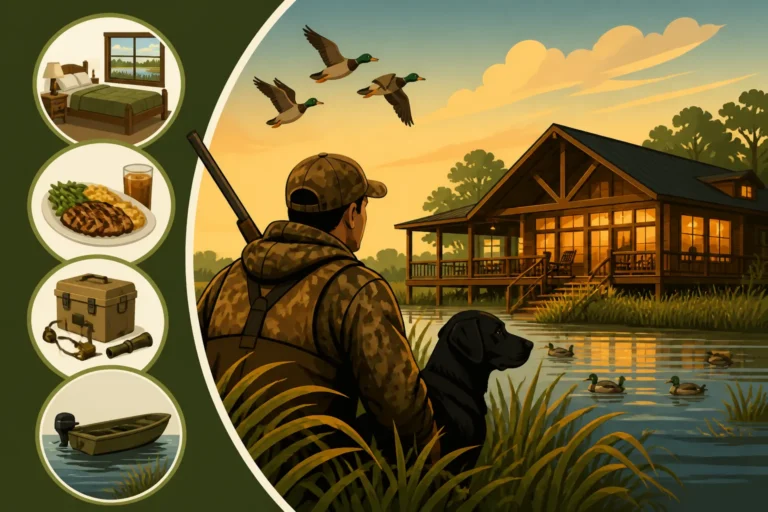
The most common distinction you'll find when researching lodges is between all-inclusive packages and more a la carte options. An all-inclusive package, as the name suggests, typically bundles your lodging, meals, guided hunts, and sometimes even bird cleaning into one price. This is often the preferred choice for those who want a seamless, hassle-free experience. You arrive, unpack, and everything else is handled, from your morning coffee to your evening meal and the strategy for the next day's hunt. It removes the stress of planning logistics and allows you to focus purely on the hunting experience. Many lodges, especially those catering to non-residents or first-timers, lean heavily on this model. You might find a package that includes What's Included in a Delta Lodge Stay and covers all your needs.
On the other hand, some lodges offer more flexible, a la carte options. This might mean paying for lodging separately from guided hunts, or having the option to bring your own food and cook your meals. This can be appealing for hunters who are on a tighter budget, prefer to manage their own meals (perhaps with specific dietary needs), or who only need specific services, like just a guide for a day without lodging. While potentially more affordable upfront, remember to factor in the hidden costs of groceries, cooking time, and transportation if you're not staying on-site. It's crucial to get a detailed breakdown of what is and isn't included when comparing prices.
Field Hunts vs. Flooded Timber Experiences
The type of habitat you'll be hunting in is another significant differentiator. The Delta offers primarily two iconic hunting environments: flooded timber and agricultural fields. Each provides a distinct aesthetic, a unique challenge, and often attracts different species mixes. Hunting Greentree Reservoirs for Mallards is the quintessential flooded timber experience, where the thrill comes from calling birds into dense canopy cover, often just feet above the water. It's an immersive experience, steeped in tradition, and requires specific calling techniques and decoy spreads. Many hunters consider this the pinnacle of Delta duck hunting, particularly for mallards and wood ducks.
Field hunts, conversely, usually take place in cut rice, corn, or soybean fields that have been either naturally or artificially flooded. These hunts often involve layout blinds or pit blinds, offering wide-open views and fast-paced shooting as ducks and geese commit to the expansive spreads. While still incredibly effective for mallards, field hunts also tend to attract more diverse species, including pintails, shovelers, and various geese like specklebellies and snows. Some lodges specialize in one type of hunt, while others offer a blend, allowing guests to experience both. If you have a strong preference, ensure the lodge you book can consistently provide that specific experience. Don't assume; always ask what a typical hunt day looks like and where most of their hunting occurs.
Lodge Amenities: More Than Just a Bed
While the hunting itself is the main draw, the quality of your stay at the lodge can significantly impact your overall experience. Beyond just a warm bed, what else do you value? Some lodges are rustic, designed purely for function, offering basic accommodations where the focus is strictly on the hunt. Others provide luxurious amenities, including gourmet meals, comfortable common areas with fireplaces, satellite TV, internet access, and even dedicated game rooms. Think about the atmosphere you're seeking after a long day in the marsh or fields.
A good lodge often includes professional bird cleaning services, ensuring your harvest is properly processed and packaged for your journey home. Some might offer a pro shop where you can purchase forgotten gear, ammunition, or souvenirs. It’s not uncommon for lodges to have specific arrangements for retrieving game from the field, which can be a huge convenience. Consider if a cozy, familial atmosphere is important to you, or if a more private, independent setup suits your style. These "extra" amenities might seem secondary, but they contribute greatly to the comfort and enjoyment of your trip, turning a simple hunt into a memorable retreat.
Here's a quick comparison of common lodge offerings:
| Feature | All-Inclusive Lodge Package | A La Carte Lodge Option |
|---|---|---|
| Lodging | Included | Often separate or basic, potentially cheaper |
| Meals | All meals, often gourmet, provided | Self-catered or optional add-on |
| Guided Hunts | Typically included daily | Booked separately, per hunt or per day |
| Bird Cleaning | Often included | Sometimes an extra fee or DIY |
| Equipment | Decoys, blinds, boats provided | Same, but might be more basic |
| Atmosphere | Focus on guest service, communal experience | More independent, less structured |
| Price | Higher upfront, covers everything | Lower upfront, but add-ons increase cost |
| Convenience | High, minimal planning needed | Moderate, requires more personal organization |
| Target User | Wants full service, less hassle | Budget-conscious, prefers flexibility/independence |
Navigating the Booking Process for Your Delta Hunt
Booking a duck hunt in the Mississippi Delta isn't like reserving a hotel room a week out. It requires foresight, careful planning, and a clear understanding of what you're committing to. Many of the best lodges and guides book up quickly, sometimes a year or more in advance, especially for prime dates. Rushing into a decision can lead to overlooking critical details, so taking your time to research and ask the right questions is paramount. This is where tools and platforms like BookYourHunt or GoHunt can be incredibly useful, allowing you to browse multiple outfitters and their available dates in one place, but you still need to do your due diligence.
When to Book: Timing is Everything
If you're dreaming of hunting the peak of the duck migration or securing a spot on opening weekend, you absolutely need to plan far in advance. Many reputable Delta duck lodges begin taking reservations for the following season immediately after the current one closes, often in late winter or early spring. Prime dates, such as the opening weeks of the season, weekends, and holiday periods, are usually the first to go. If you're flexible with your dates, you might find openings closer to the season, but for specific windows or popular lodges, a 6-12 month lead time is not uncommon. Think about the Mississippi Duck Zone Split Rules and Mississippi North Zone Duck Dates or Mississippi South Zone Duck Dates when considering specific times for your hunt, as these vary and can influence bird activity.
Booking early not only secures your spot but also often gives you more flexibility in choosing preferred dates and hunt types. Waiting until the last minute might mean settling for less desirable dates or lodges, or even missing out entirely. I’ve seen countless hunters express frustration when they call in late summer, only to find all the prime spots filled. It’s a competitive landscape, reflecting the incredible draw of Mississippi’s waterfowl hunting. If you have a specific lodge in mind, reach out to them directly about their booking calendar as soon as you have a general idea of when you want to hunt.
Key Questions to Ask Potential Lodges
Before you put down a deposit, prepare a list of essential questions. Don't be shy; a reputable lodge will be happy to answer everything transparently. First, confirm what exactly is included in the package price. This goes beyond the general outline and into specifics: are alcoholic beverages included, or just soft drinks and coffee? Is ammunition provided, or do you need to bring your own? What about waders or shotguns? Also, inquire about the typical group size for a hunt. Some prefer a small, intimate group, while others don't mind a larger party.
Crucially, ask about their typical hunting setup. Do they primarily hunt flooded timber, field blinds, or a mix? What is their policy if birds aren't working one area – do they have alternative spots to move to? What is their success rate, and perhaps more importantly, how do they measure it? While no hunt guarantees success, understanding their general performance and adaptability is key. Don't forget to ask about the experience level of their guides and if they use hunting dogs. For non-residents, clarify all license and stamp requirements, including the Mississippi Federal Duck Stamp Requirement and Mississippi HIP Certification for Bird Hunters, and whether they assist with obtaining them.
Understanding Deposits, Payments, and Cancellations
The financial aspects of booking a hunt are critical and often overlooked until it's too late. Almost all lodges require a non-refundable deposit to secure your booking. This deposit can range from a few hundred dollars to a significant percentage of the total trip cost. Understand the exact amount, when it's due, and what constitutes a non-refundable scenario. What if you have to cancel due to an emergency? What if the lodge cancels due to unforeseen circumstances like severe weather or low bird numbers? Knowing the answers to these questions upfront can save you a lot of heartache and money.
Full payment is usually due a certain number of days or weeks before your hunt date. Make sure you know this deadline. Also, ask about payment methods accepted – do they prefer checks, credit cards, or wire transfers? Some may offer slight discounts for certain payment types. Finally, thoroughly review their cancellation policy. Is there a cutoff date for cancellations where you might still receive a partial refund, or perhaps a credit for a future hunt? Is it possible to transfer your booking to another person if you can't make it? These are not fun questions to ask, but they are absolutely essential for protecting your investment in what can be a significant expenditure. This is especially important for Mississippi Lodge and Package Hunts where the commitment is larger.
What to Expect on a Guided Delta Duck Hunt
Stepping into a duck blind in the Mississippi Delta with an experienced guide is an experience unlike any other. It’s a blend of anticipation, camaraderie, and raw nature. While every lodge and every hunt might have slightly different routines, there's a general flow to a guided Delta duck hunt that's worth understanding so you can prepare yourself mentally and physically for the adventure. It’s more than just shooting ducks; it’s about immersion in a unique culture and ecosystem.
The Daily Routine: From Early Mornings to Evening Meals
The alarm clock on a Delta duck hunt typically goes off very early, long before the sun even thinks about showing its face. Expect a wake-up call anywhere from 3:30 AM to 4:30 AM, depending on the lodge and the distance to the hunting grounds. You'll likely gather for a quick, hearty breakfast – think bacon, eggs, biscuits, and plenty of coffee – to fuel up for the cold morning ahead. After breakfast, you'll meet your guide, grab your gear, and head out to the blind. This often involves a truck ride, followed by a boat ride through winding sloughs or flooded timber, or a walk through muddy fields. It's all part of the adventure, navigating the pre-dawn darkness to reach your spot.
Once in the blind, you'll settle in, often before shooting light, as your guide fine-tunes the decoy spread and prepares the calling. The hunt itself typically lasts until late morning, often tapering off as the sun gets higher and the ducks settle into their daytime routines. After the hunt, you'll head back to the lodge for a well-deserved, substantial brunch or lunch, followed by some downtime. This afternoon period is for relaxing, napping, cleaning guns, or just swapping stories. Many lodges also offer an optional afternoon or evening activity, perhaps a hog hunt or skeet shooting. Dinners are usually a communal affair, often featuring Southern comfort food, and are a highlight for sharing the day's successes and preparing for the next morning.
Gear and Equipment: What to Bring and What's Provided
One of the benefits of booking a guided hunt is that the lodge typically provides much of the heavy-duty equipment like boats, ATVs, blinds, and a full spread of decoys. However, you are responsible for your personal gear, and packing correctly is crucial for comfort and success. Think layers, layers, layers! The Delta mornings can be bitterly cold and damp, even if the afternoon warms up significantly. Waterproof and windproof outer layers are non-negotiable. Good quality waders are essential for timber or flooded field hunts – ensure they are comfortable and have sturdy boots. You'll also need warm gloves, a face mask or neck gaiter, and a waterproof backpack for snacks, calls, and extra layers.
Of course, you'll need your shotgun and plenty of appropriate ammunition. Most lodges will specify shot sizes and types they prefer or require. Don't forget your Mississippi Hunting Licenses and What They Cost and all required stamps, including your federal duck stamp. Many hunters also bring their own calls, although guides will certainly be calling. A good headlamp is indispensable for those dark mornings and evenings. While many lodges have excellent retrievers, some hunters enjoy bringing their own well-trained dog – just make sure to clear this with the lodge far in advance, as not all accommodations are dog-friendly, and there might be specific rules regarding hunting with your own canine companion.
Working with Guides and Dog Handlers
Your guide is your lifeline in the Delta. These folks live and breathe duck hunting; they know the local waters, the bird movements, and how to read the ever-changing conditions. Trust their expertise. They will choose the blind, set the decoys, and often do the bulk of the calling. Listen to their instructions regarding safety, when to shoot, and how to behave in the blind. They are there to put you on birds and ensure a safe, enjoyable experience. Building a good rapport with your guide can greatly enhance your trip.
Often, guides will work alongside highly trained retrieving dogs. These dogs are incredible athletes and are an integral part of a successful duck hunt. Respect the dog and the handler. Keep your hands off the dog unless invited, and never give commands or distract it during a retrieve. The bond between a handler and their dog is special, and these animals are performing a vital, difficult job. After a successful hunt, remember that Tipping Guides and Dog Handlers is customary and deeply appreciated, acknowledging their hard work, skill, and dedication to making your hunt a memorable one.
Costs and Considerations: Budgeting for Your Delta Adventure
A guided duck hunt in the Mississippi Delta is an investment, and like any significant investment, it requires careful budgeting. Prices can vary widely based on the lodge's amenities, the duration of your stay, the exclusivity of the hunt, and what's included in the package. Understanding the full scope of potential expenses is key to avoiding sticker shock and ensuring you have enough funds for everything you need. As mentioned earlier, while platforms like GoHunt can provide price ranges, you'll need to contact lodges directly for current figures.
Breaking Down the Typical Expenses
The core expense will be the lodge package itself. As discussed, this can range from a more basic, per-day guide fee to an all-inclusive multi-day stay. A common package might include 2-3 days of hunting with 3-4 nights of lodging, meals, and guided services. Beyond that, you need to budget for transportation to and from the Delta, whether that's gas for your vehicle or airfare to a regional airport like Memphis or Jackson. Once there, you might need a rental car if the lodge doesn't offer airport transfers.
Don't forget the cost of your hunting license, state waterfowl stamp, and federal duck stamp – these are mandatory and typically not included in lodge fees. Ammunition can also add up, especially if you're doing multiple hunts or have a heavy trigger finger. Personal gear, if you need to purchase new waders, camo, or other essentials, is another significant cost. Many lodges have gift shops, so budget a little for souvenirs or incidentals. Finally, consider a contingency fund for unexpected expenses or emergencies.
Tipping Etiquette for Guides and Staff
Tipping is a standard and expected part of the guided hunting experience, and it's a direct way to show your appreciation for the hard work and dedication of your guide, dog handler, and any lodge staff who contribute to your comfortable stay. Guides often work incredibly long hours, starting before dawn and working through the day, scouting, setting up, guiding, and tearing down, often under challenging conditions. A general guideline for guides is usually around 15-20% of the total hunt cost, but this can vary. If you're on a multi-day trip with different guides, it's good practice to tip each guide individually for the days they led your hunt.
For dog handlers, if they are separate from your main guide, a smaller tip is also customary. Don't forget the unsung heroes like the cooks, housekeepers, and bird cleaners who make your stay comfortable and convenient. A communal tip jar for staff or individual tips given discreetly are both acceptable. It's always best to bring cash for tips, as it's easier for the staff to receive and manage. If you're unsure of the local customs, don't hesitate to ask the lodge owner or manager discreetly upon arrival what their recommended tipping guidelines are – they'll appreciate your thoughtfulness.
Licenses, Stamps, and Permits: Don't Forget the Paperwork
Before you even step foot in a duck blind, you absolutely must ensure all your hunting licenses, stamps, and permits are in order. Failure to do so can result in hefty fines and the forfeiture of your hunting privileges. For anyone hunting migratory birds in Mississippi, you'll need a Mississippi hunting license (resident or non-resident), a Mississippi waterfowl stamp, a federal duck stamp, and be Mississippi HIP Certification for Bird Hunters certified. The federal duck stamp is valid nationwide, but state licenses and stamps are specific to Mississippi.
Many non-residents purchase a short-term or annual non-resident license that covers big game and small game, along with the required migratory bird endorsements. Some lodges will offer to help you navigate the process or even have forms available, but ultimately, it is your responsibility to ensure you are legally licensed. You can often purchase these online through the MDWFP website well in advance. Always carry proof of your licenses and stamps with you in the field, as game wardens frequently check hunters. Being prepared with your paperwork is just as important as having the right shotgun and shells. Mississippi Migratory Bird Stamp Cost and Mississippi Federal Duck Stamp Requirement are two key ones to remember.
Vetting and Choosing the Right Delta Duck Lodge for You
With numerous lodges and outfitters vying for your business, choosing the right one can feel like a daunting task. You're investing significant time and money, so you want to ensure you pick a reputable operation that aligns with your expectations. Don't simply go with the first option you find or the cheapest deal. Thorough vetting is essential to ensure a safe, ethical, and enjoyable experience. This is another area where resources like BookYourHunt or GoHunt can help you consolidate your research, but the final decision requires your personal touch.
Researching Reputation and Reviews
Start by doing a deep dive into online reviews. Look at various platforms: Google, dedicated hunting forums, social media, and outfitter listing sites. Pay attention to both the positive and negative feedback. Do previous clients consistently praise the guides' knowledge, the quality of the food, or the comfort of the accommodations? Or are there recurring complaints about disorganization, poor communication, or a lack of birds? One or two negative reviews might be an outlier, but a pattern of similar complaints should raise a red flag. Be realistic when reading reviews; remember, it's hunting, not shooting, and no outfitter can guarantee limits every day.
Also, look at how the lodge responds to reviews. A professional operation will acknowledge feedback, good or bad, and address concerns maturely. Websites like BookYourHunt often feature verified reviews, which can add an extra layer of trust. Pay particular attention to reviews that discuss the specific type of hunt you're interested in, whether it's Hunting Flooded Timber for Wood Ducks or hunting fields for specklebellies. A lodge might excel at one but be mediocre at another.
Asking for References and Success Stories
A reputable Delta duck lodge will be more than happy to provide references from past clients. This is one of the most valuable tools you have for vetting an outfitter. When you get these references, don't just glance at the names – actually call them! Prepare a list of questions: Were their expectations met? Was the staff professional and knowledgeable? Was the food good? Would they book with the lodge again? How accurate were the lodge's descriptions of the hunting experience? Asking about things like What a Delta Duck Lodge Stay Costs or What's Included in a Delta Lodge Stay can also help confirm details.
Beyond direct references, look for success stories on their website or social media. Are they posting recent photos of successful hunts with happy clients? While photos can be curated, consistent, fresh content showing real hunts is a good sign. Also, consider the longevity of the operation. Lodges that have been in business for many years often have a solid reputation and a proven track record. New lodges aren't necessarily bad, but they might require a bit more scrutiny.
Avoiding Common Red Flags
There are several warning signs to watch out for when booking a guided hunt. Be wary of lodges that make outrageous guarantees, like "limits every day, guaranteed!" Hunting is unpredictable, and ethical outfitters know this. Excessive claims of success can often mask deeper issues. Another red flag is a lack of transparency regarding pricing, what's included, or their cancellation policy. If they're vague or evasive when you ask specific questions, that's a sign to proceed with caution.
Avoid any lodge that pressures you into booking immediately without giving you time to think or ask questions. High-pressure sales tactics are rarely a sign of a quality operation. Also, check their online presence. A professional lodge should have a well-maintained website and active social media. A sketchy website or a complete lack of online footprint can be a concern. Finally, trust your gut. If something feels off, it probably is. There are too many great Delta duck lodges out there to settle for one that gives you a bad feeling. Always ensure they have proper licensing and insurance for their operations.
Making the Most of Your Mississippi Delta Experience
Booking your Delta duck lodge is just the first step. To truly maximize your trip, it’s about more than just pulling the trigger. It’s about embracing the entire experience, from soaking in the local culture to understanding your role in conservation, and properly preparing your hard-earned harvest. A guided hunt is a unique opportunity to learn, connect, and create lasting memories.
Beyond the Hunt: Exploring Local Culture
The Mississippi Delta is rich in history and culture, especially known as the "Birthplace of the Blues." While your primary goal is duck hunting, taking a little time to explore the local area can significantly enhance your trip. Many lodges are located near charming small towns that offer a glimpse into authentic Delta life. You might find local diners serving up classic Southern cuisine, small shops with unique crafts, or even live music venues on a weekend evening.
Consider visiting a local museum, exploring a historical site, or simply driving through the landscape to appreciate the vast agricultural fields and river systems that define the region. Your guide or lodge staff can often recommend local attractions or hidden gems. Engaging with the local community, even briefly, can provide a deeper appreciation for the region you're hunting in and add another layer of richness to your overall adventure, transforming it from just a hunting trip into a cultural immersion.
Ethical Hunting and Conservation Practices
Being a responsible hunter means more than just following the law; it means practicing ethical hunting and understanding your role in conservation. The Mississippi Delta's abundant waterfowl populations are a testament to decades of dedicated conservation efforts, funded in large part by hunters through license fees and federal duck stamp purchases. Familiarize yourself with all Mississippi Duck and Goose Bag Limits and migratory bird regulations. Never exceed limits, and always strive for clean, ethical shots to minimize suffering and prevent lost birds.
Most reputable lodges are deeply committed to conservation and habitat management. Learn about the efforts they undertake, whether it's planting specific crops for waterfowl, managing water levels in their impoundments, or participating in banding programs. Be respectful of the wildlife and the environment. Pack out everything you pack in, and leave no trace behind. Your participation in a guided hunt directly supports these conservation efforts, contributing to the future of waterfowl hunting in the Delta and beyond. Remember, we are stewards of the land and its resources.
Capturing Memories and Preparing Your Harvest
The memories you make on a Delta duck hunt are priceless, and you'll want to capture them. While in the blind, be mindful of when it's appropriate to take photos or videos, ensuring it doesn't interfere with the hunt or distract the guide and dogs. A good waterproof camera or phone case is essential. After the hunt, take some photos of your birds and your group to commemorate the experience. Many lodges have dedicated photo areas for this purpose.
Once the birds are harvested, proper care is crucial. Most lodges offer bird cleaning services, which is a huge convenience. Ensure your birds are properly breasted out or plucked, cleaned, and packaged for travel. If you plan to mount a bird, let your guide know beforehand. They can advise you on the best way to handle it to preserve its plumage and often have connections with local taxidermists. For meat, ensure it's kept on ice or frozen for your trip home. Having well-preserved game meat allows you to savor the taste of your adventure long after you've left the Delta.
Common Challenges and How to Prepare
Even the best-planned Delta duck hunt can encounter challenges. Wild game hunting, by its very nature, is unpredictable. Understanding these potential hurdles and preparing for them can help manage your expectations and ensure a smoother, more enjoyable trip, even if things don't go exactly as planned.
Weather Variables and Their Impact
Mississippi weather, especially in the Delta, can be famously unpredictable during duck season. One day it might be crisp and cold, with a strong north wind pushing new birds in, making for epic hunting. The next, it could be unseasonably warm and still, causing birds to be less active or pattern differently. Heavy rains can flood fields unexpectedly, while droughts can leave natural sloughs dry. These weather fluctuations directly impact duck behavior and migration patterns. A sudden cold front up north can bring a new wave of birds, while prolonged warm spells can cause them to linger further north or disperse.
Your lodge and guide will do their best to adapt to conditions, but sometimes, the birds just aren't flying. It's crucial to prepare for all types of weather with appropriate clothing and gear, but also to mentally prepare for days when the hunting might be slow. Focus on the experience, the camaraderie, and the beauty of the Delta, rather than just the number of birds in the bag. A slow hunting day might still offer incredible wildlife viewing or a chance to learn more about calling or strategy from your guide.
Managing Expectations for Wild Game Hunting
It's called hunting, not shooting, for a reason. While the Mississippi Delta boasts incredible duck numbers, wild game hunting is never a guarantee. There will be days when the birds cooperate beautifully, decoying perfectly into the spread, and other days when they seem to have lockjaw, skirting the edges or simply not showing up. It’s important to manage your expectations and remember that many factors are beyond anyone's control, including migration patterns, local bird pressure, and, of course, the weather.
Don't let a slow day overshadow the entire experience. Focus on the process: the early morning boat ride, the anticipation as shooting light approaches, the sound of wings overhead, the teamwork with your guide and dog, and the beauty of the Delta landscape. A successful hunt isn't always measured purely by the number of birds harvested but by the quality of the experience and the memories made. A good guide will do everything in their power to put you on birds, but sometimes, the ducks just don't read the script.
Physical Demands and Accessibility
While duck hunting might seem like a passive activity in a blind, it can be surprisingly physically demanding. This is especially true for flooded timber hunts, which can involve walking through knee-to-waist-deep water, navigating uneven terrain, and getting in and out of boats. Carrying your gear, walking through muddy fields, and sometimes even dragging a harvested bird can be strenuous. Make sure you are in reasonably good physical condition to handle these demands. If you have any physical limitations or mobility concerns, discuss them with the lodge before booking.
Many lodges can accommodate hunters with varying levels of mobility, perhaps by utilizing easily accessible pit blinds or shorter walks to the hunting areas. However, it's essential to be upfront about your needs to ensure they can provide a safe and comfortable experience. Don't assume accessibility; always ask. Knowing the physical demands beforehand allows you to train or prepare appropriately, ensuring that your body is as ready for the adventure as your spirit.
Disclaimer
This article is for general informational purposes only and does not constitute professional advice. Laws, prices and regulations vary by location and change over time. Consult a qualified professional for guidance on your specific situation.