What a Delta Duck Lodge Stay Costs
Dreaming of a Mississippi Delta duck hunt is almost a rite of passage for many waterfowlers, but when it comes to booking that quintessential experience, the first question on everyone's mind is often, "What's this going to set me back?" It's easy to feel overwhelmed by the sheer number of lodges and guide services, with prices that can seem to swing wildly. This guide is here to demystify the costs involved in a Delta duck lodge stay, breaking down what you can expect to pay for and why.
Understanding the Components of a Delta Duck Lodge Stay
When you look at the price tag for a guided duck hunt in the Mississippi Delta, it's not just a single number; it's an amalgamation of services, amenities, and experiences. Many hunters initially see a high figure and assume it's all profit, but a quality lodge experience involves significant overhead. Understanding these components is key to grasping the overall investment and feeling confident in your choice.
The Core Package: What's Usually Included?
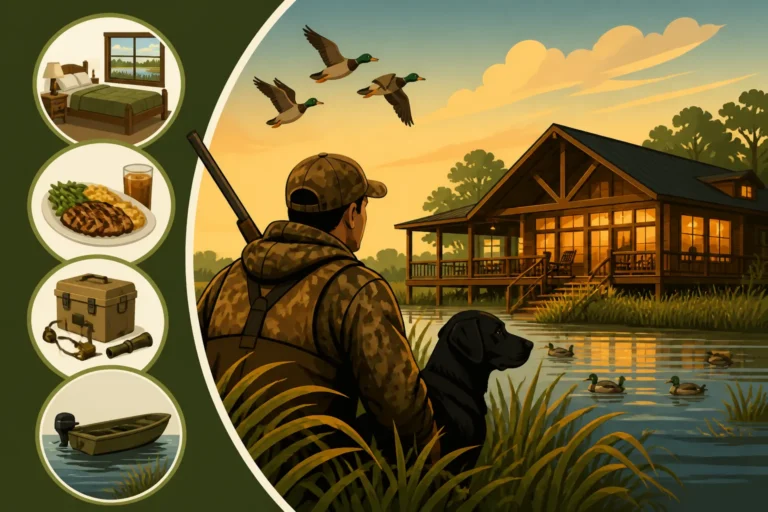
Most reputable Delta duck lodges offer an all-inclusive or semi-inclusive package that forms the backbone of your trip. This typically covers the most fundamental aspects of your hunt, aiming to provide a seamless experience from arrival to departure. You're paying for expertise, access, and comfort.
First and foremost, lodging is a significant part of the cost. This can range from a comfortable bunk in a shared cabin to a private room in a sprawling lodge complete with a common area for relaxation and storytelling. The quality and style of the accommodations will directly influence the overall price. Next, you're paying for the guided hunt itself. This includes professional guides who know the local waters and timber like the back of their hand, ensuring you're placed in the best possible spot. They often spend countless hours scouting well before the season, setting decoys, and ensuring blinds are brushed in perfectly. Without their specialized knowledge, navigating the vast and intricate flooded timber of the Delta, especially areas like the Delta National Forest Hunting, would be incredibly challenging.
Another crucial component is meals. Many lodges pride themselves on hearty, home-cooked Southern fare, often including a robust breakfast before the hunt, a warm lunch, and a satisfying dinner. Think steaming plates of biscuits and gravy, sizzling bacon, and strong coffee in the morning, followed by stews, fried fish, or roasted game in the evening. This eliminates the need for you to worry about cooking or finding restaurants, allowing you to focus purely on the hunt. Finally, and arguably one of the most exciting inclusions, are the dogs. Most Delta lodges provide well-trained retrievers that work tirelessly to fetch downed birds. Watching a skilled Labrador or Chessie make a difficult retrieve in flooded timber or a sprawling field is a highlight for many hunters. The cost reflects the investment in these dogs' training, care, and health.
The "Hidden" Extras: What Adds Up?
While a lodge package covers many essentials, there are almost always additional costs that can surprise an unprepared hunter. These aren't necessarily "hidden" in a deceptive sense, but rather items not typically included in the base price that you'll need to budget for separately. Being aware of these helps you avoid sticker shock when the final bill comes or when you're packing your gear.
One of the primary extras you'll need to account for is your hunting licenses and permits. You'll need a state hunting license, a Mississippi migratory bird stamp, and a federal duck stamp. If you're coming from out of state, the Mississippi Nonresident License Options or a Mississippi Seven-Day Nonresident License will be a specific consideration, and these often cost more than resident permits. It's vital to check the current requirements and purchase these well in advance, often through the MDWFP website. Another significant and often underestimated expense is tipping. Guides, dog handlers, and lodge staff work incredibly hard to make your trip enjoyable and successful. It’s customary to tip for excellent service, and these gratuities can add a notable amount to your overall budget. Many experienced hunters plan for this as an expected part of the experience.
Ammunition is another item you’ll need. While some lodges might have a small supply for purchase, it's generally expected that you bring your own non-toxic shot appropriate for waterfowl. Depending on how many birds you shoot and how many days you hunt, this can be a fair expense. Bird processing, such as plucking or breasting out your ducks, might be offered as an additional service at the lodge, or you might need to handle it yourself or find a local processor. If you plan to have a lot of birds processed, factor in those fees. Lastly, don't forget personal gear. While lodges provide the hunting experience, you're responsible for your waders, warm clothing, rain gear, and any specialized calls or electronics. If you forget something, some lodges might have a small pro shop, but that’s an added cost.
Duration and Group Size: How They Impact the Bill
The length of your stay and whether you're hunting solo or with a group are significant drivers of the total cost. A longer trip, naturally, means more days of lodging, meals, and guiding, while spreading the cost among more people can make an otherwise expensive trip more affordable.
Most Delta duck lodges structure their pricing around multi-day packages, typically two or three days of hunting with corresponding nights of lodging. A single What a Day of Guided Delta Ducks Costs might be available, but it's often less cost-effective per day than a multi-day package. Think about it: the lodge has to prepare for your arrival, allocate a guide, and staff the kitchen regardless of whether you stay one night or three. Spreading those fixed costs over more days makes the per-day rate more attractive. For example, a three-day, two-night hunt allows for a more immersive experience, with time to settle in, learn the patterns, and increase your chances of success, as covered in Delta Duck Lodge Multi-Day Rates.
Group size is another huge factor. Many lodges have minimum group sizes or offer preferential rates for groups of four, six, or even eight hunters. If you book as an individual or a small pair, you might be placed with other hunters to fill out a blind, or you might pay a premium for a more private experience. Larger groups can often negotiate better per-person rates, as they fill a blind and consolidate costs for the outfitter. This is a common strategy for friends or hunting clubs to make these trips more accessible. If you're considering a solo trip, understand that you'll likely be paying a higher individual rate, or you'll need to be comfortable joining a mixed group.
Factors Influencing Lodge Pricing in the Mississippi Delta
It's clear that not all Delta duck hunts are created equal, and neither are their price tags. Several factors beyond just the basic inclusions contribute to the variability in lodge pricing. Understanding these can help you align your expectations and budget with the type of experience you're seeking.
Location and Reputation: Prime Spots Cost More
Just like in real estate, location is paramount in duck hunting, and some areas of the Mississippi Delta are simply more renowned for consistent waterfowl action. Lodges situated in these prime locations, or those with a long-standing reputation for quality and success, often command higher prices.
The Mississippi Delta is a vast region, but certain areas are bottlenecks for migrating waterfowl along the Mississippi Waterfowl Migration Timing. Properties with access to consistent flooded timber, vast agricultural fields, or proximity to major waterfowl refuges like the Panther Swamp National Wildlife Refuge Hunting or Yazoo National Wildlife Refuge Hunting Rules tend to be in higher demand. A lodge that consistently puts its clients on birds, especially mallards in flooded timber, will naturally have a higher price point. Their access to prime ground, whether owned or leased, is a significant asset. This often means less scouting time for you and more time with birds working your spread. Many lodges boast long histories of successful hunts, passed down through generations. This established reputation for exceptional service, knowledgeable guides, and consistent harvests builds trust and draws repeat clientele, allowing them to charge a premium. You're not just paying for a hunt; you're paying for a proven track record and peace of mind.
Amenities and Luxuries: Beyond the Basic Hunt
While some hunters are perfectly content with a cot and a hot meal, others seek a more upscale experience. The level of luxury and the range of amenities offered by a lodge significantly impact the overall cost. These are the elements that transform a basic hunting trip into a full-fledged vacation.
Basic lodges might offer simple, clean bunkhouse-style accommodations, and hearty, family-style meals. These are often geared towards hunters who prioritize the hunt itself over creature comforts. At the other end of the spectrum, you'll find lodges that resemble luxury resorts. These might feature private suites, gourmet chefs, a full-service bar, hot tubs, massage services, or even a pro shop stocked with high-end gear. The more "creature comforts" and personalized services a lodge offers, the higher the price will climb. For example, a lodge that provides a dedicated chef preparing multi-course meals using local ingredients is going to be pricier than one with a cook preparing basic fare. Similarly, individual rooms with private baths will cost more than a shared bunkroom.
Many top-tier lodges also offer additional activities beyond the hunt itself, such as fishing, skeet shooting ranges, or even corporate meeting facilities. These added features cater to a broader clientele and contribute to the premium pricing. It's about crafting an entire experience, not just a few hours in a duck blind. When browsing options, consider what truly matters to you. Is a five-star dining experience essential, or are you happy with a chili pot and a comfortable chair? Your preferences here will heavily influence which price tier you're looking at.
Seasonality and Demand: Early vs. Late Season
The timing of your hunt within the Mississippi waterfowl season can dramatically affect pricing. Like many popular outdoor activities, peak demand periods coincide with higher prices, while off-peak times might offer more budget-friendly options.
Opening weekend of duck season in the Delta is typically the most expensive and hardest to book. Everyone wants to be there, hopes are high, and the birds haven't been pressured much. Similarly, hunts around major holidays like Thanksgiving or Christmas often see increased demand and, consequently, higher rates. These are peak travel times, and many families incorporate a hunting trip into their holiday plans. If you're looking to save some money, consider booking during the middle of the week or later in the season. Booking a Late-Season Delta Duck Hunt might present better value, as some lodges offer reduced rates to fill their calendar spots, especially after the initial rush.
Weather patterns can also indirectly influence pricing. A consistently cold front pushing birds south might create a surge in demand for the Delta, where waterfowl congregate. While lodges don't typically change prices mid-season, their availability fills up faster in good years. Conversely, a mild winter with delayed migrations might see lodges more willing to offer deals. Always check the Mississippi Waterfowl Zones and Seasons and Mississippi Duck Zone Split Rules to understand the optimal times to hunt and how they might correlate with pricing and availability. Being flexible with your dates can often lead to finding better deals.
Navigating the Booking Process and Finding Value
Booking a Delta duck hunt can feel like a significant undertaking, especially with the investment involved. But with a strategic approach, you can navigate the options, compare packages effectively, and ensure you're getting the best value for your hard-earned money.
Comparing Lodge Options and Packages
The first step in finding the right hunt at the right price is doing your homework. Don't just pick the first lodge you find; take the time to compare different offerings, read reviews, and ask detailed questions.
Many hunters start their search on platforms like BookYourHunt, which aggregates various lodge offerings and allows for direct comparison of packages and features. This can be a great starting point to get a broad overview of what's available across the Delta. Once you have a few options in mind, scrutinize what exactly is included in their All-Inclusive Delta Duck Packages versus what might be an add-on. Make a checklist of your priorities: Do you need private rooms? Are meals essential? Do they provide waders if yours leak? Look beyond the headline price. A seemingly cheaper package might nickel-and-dime you on necessities, ultimately costing more than a slightly higher-priced, truly all-inclusive option. Don't hesitate to call the lodge directly. Ask about their typical group sizes, the type of hunting (e.g., Mallards in Delta Flooded Timber versus Layout Blind Hunting Delta Farm Fields), and what their success rates have been in recent seasons. A good outfitter will be transparent and happy to answer your questions. For those really trying to scout out the best deals or specific types of hunts, a site like GoHunt might offer useful insights into different operations, helping you filter based on specific criteria.
Budgeting for the Full Experience
Beyond the quoted lodge price, it’s crucial to create a comprehensive budget that accounts for all potential expenses. Missing these can lead to unpleasant surprises and strain your wallet once you're on your trip.
Your budget should extend beyond the lodge package itself. Factor in your travel costs: gas if you're driving, or flights and car rental if you're flying into a hub like Memphis or Jackson. Don't forget those essential licenses and stamps; these are non-negotiable. As discussed earlier, set aside a generous amount for tips for your guides and staff, as outlined in Tipping Guides and Dog Handlers. This is a critical part of the hunting culture and helps ensure continued excellent service. Think about ammunition purchases, potential bird processing fees, and any personal gear you might need to buy or replace before the trip. If you enjoy a celebratory drink after a successful hunt, factor in the cost of alcoholic beverages, which are often not included in lodge packages.
Finally, consider incidental expenses: snacks for the blind, souvenirs, or any emergency purchases. Having a buffer in your budget for unexpected costs will save you a lot of stress. A well-planned budget allows you to enjoy the experience without constantly worrying about money.
Leveraging Platforms and Local Knowledge
In today's connected world, you have more resources than ever to find the right Delta duck hunt. Combining online platforms with genuine local insights can lead you to the best opportunities and value.
Online booking platforms and forums can be invaluable. Sites like BookYourHunt often feature reviews and detailed descriptions, giving you a glimpse into what previous clients experienced. Reading multiple reviews can help you identify patterns in service quality, guide expertise, and lodge amenities. These platforms also streamline the initial inquiry process, allowing you to quickly get quotes and compare availability. However, don't solely rely on online information. Reaching out to local hunting communities, forums, or even asking for recommendations from friends who have hunted in Mississippi can provide invaluable "boots on the ground" intelligence. Local insights might point you to smaller, lesser-known guide services that offer fantastic value but don't have a huge online presence. They might also give you the lowdown on current bird patterns, water levels (crucial for Hunting Flooded Timber for Wood Ducks), and other factors that could influence your trip's success.
Furthermore, consider talking to local sporting goods stores or even checking with the Mississippi Department of Wildlife, Fisheries, and Parks for general information about hunting pressure and waterfowl populations in different areas. While they won't endorse specific outfitters, they can provide context that helps you make a more informed decision.
Real-World Scenarios and Practical Advice
To give you a clearer picture, let's look at what different levels of Delta duck lodge stays might entail and offer some practical advice for each. Remember, these are general descriptions, and prices can always vary.
The "Entry-Level" Experience
For hunters primarily focused on the thrill of the hunt and less concerned with luxury, an entry-level Delta duck lodge stay is a fantastic option. This is about maximizing time in the blind and minimizing frills.
An entry-level experience typically involves shared accommodations, often bunkhouse-style rooms or cabins where you might share a space with other hunters. Meals will be hearty and plentiful but likely straightforward, like classic Southern comfort food served family-style. You'll have experienced guides who know the local honey holes and work hard to put you on birds, utilizing both Hunting Greentree Reservoirs for Mallards and traditional flooded timber sets. Don't expect a personal chef or private baths, but you can certainly count on hot showers and a warm place to sleep. The focus is purely on the hunting experience itself. These lodges are often more about tradition and camaraderie, offering a genuine, no-frills Delta experience. You might be asked to help with minor tasks like carrying decoys or packing out birds, fostering a sense of participation. This is often where you find guides who've been working the same ground for decades, intimately familiar with every slough and cypress brake.
The Mid-Range Comfort Hunt
The mid-range option strikes a good balance between comfort and cost, providing a more refined experience without venturing into extravagant territory. This is where most hunters find their sweet spot, getting excellent value for their investment.
A mid-range lodge will likely offer more comfortable private or semi-private rooms, perhaps with shared bathrooms that are well-maintained. Meals will still be generous and delicious, but perhaps with a bit more variety or a slightly more upscale presentation. The guiding will be top-notch, with guides employing diverse tactics, from working big open water to stalking shy birds in shallow sloughs. You might find a small lounge area for relaxing, a fire pit for evening stories, or a dedicated mudroom for gear. The atmosphere is often a bit more refined than an entry-level camp, yet still deeply rooted in hunting culture. Many of these lodges excel at What's Included in a Delta Lodge Stay that covers most of your needs, minimizing unexpected costs. You're paying for a step up in amenities and personalized service, ensuring a very enjoyable and memorable trip without breaking the bank. This is often the sweet spot for a dedicated hunter who appreciates comfort but prioritizes the quality of the hunt.
The All-Out Luxury Delta Experience
When cost is less of a concern and the goal is an unparalleled, pampered hunting getaway, the luxury Delta experience delivers. This is where every detail is meticulously planned for your ultimate comfort and enjoyment.
Luxury lodges feature exquisite accommodations, often private suites with high-end furnishings, spa-like bathrooms, and perhaps even daily cleaning service. You can expect gourmet meals prepared by a chef, tailored to your dietary preferences, complete with fine wines and spirits. Guides will be incredibly experienced and attentive, dedicated to ensuring you have the best possible chance at your target birds, potentially even offering specialized hunts like those for Specklebelly and Snow Goose Guide Services. The lodge itself might include amenities such as a fully stocked pro shop, a game room, a hot tub or sauna, and full-time lodge staff catering to your every need. Transportation to and from the blinds is often seamless, sometimes with private vehicles or ATVs. This level of service extends to the smallest details, from freshly brewed coffee delivered to your room before the morning hunt to professional bird cleaning and packaging services. It’s an immersive, high-end experience that combines world-class duck hunting with the comfort and services of a luxury resort, perfect for corporate retreats or those special bucket-list trips.
To help you visualize, here's a general comparison of what you might expect at different tiers of a Delta duck lodge stay:
| Feature | Entry-Level Experience | Mid-Range Comfort Hunt | All-Out Luxury Experience |
|---|---|---|---|
| Lodging | Shared bunkhouse/cabin | Private/semi-private rooms, shared bath | Private suites, luxury amenities, private bath |
| Meals | Hearty, family-style Southern food | Varied menu, quality ingredients, served | Gourmet chef, tailored menus, fine dining |
| Guides | Experienced, dedicated, efficient | Professional, knowledgeable, attentive | Elite, highly personalized, proactive |
| Dogs | Well-trained retrievers included | Top-tier retrievers included | Elite retrievers, sometimes multiple per blind |
| Amenities | Basic common area, hot showers | Comfortable lounge, fire pit, mudroom | Full-service bar, hot tub, pro shop, daily cleaning |
| Price Point | Most accessible investment | Excellent value, balanced comfort | Significant premium, exclusive experience |
| Atmosphere | Traditional, rustic, camaraderie | Friendly, comfortable, well-organized | Upscale, refined, pampered |
| Target Hunter | Focus on pure hunting, budget-conscious | Seeks comfort & quality hunt, good value | Desires ultimate luxury and service |
Ultimately, the cost of a Delta duck lodge stay is as varied as the hunters who seek this iconic experience. By understanding the different components that make up the price, considering your own priorities, and doing thorough research, you can find a hunt that perfectly fits both your dreams and your budget.
Disclaimer
This article is for general informational purposes only and does not constitute professional advice. Laws, prices and regulations vary by location and change over time. Consult a qualified professional for guidance on your specific situation.