Mississippi Duck and Goose Bag Limits
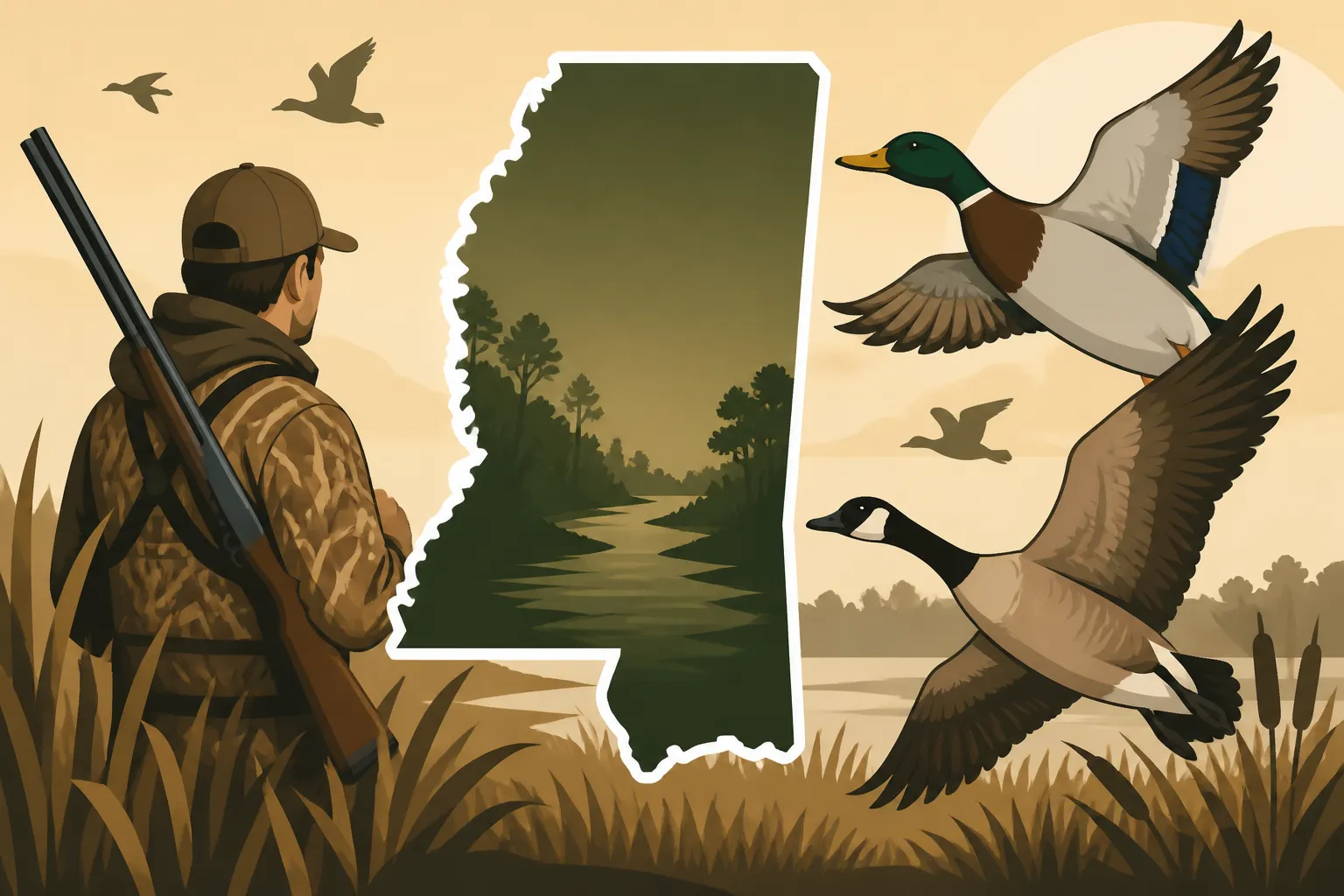
One of the biggest headaches for any waterfowler, especially if you're new to the Magnolia State or just trying to keep up with the constant shifts in regulations, is figuring out exactly how many birds you can legally take home. It's not just a free-for-all out there, and the rules around Mississippi's duck and goose bag limits can feel like a labyrinth, changing subtly year to year. This guide is here to untangle all that confusion, giving you a clear, comprehensive breakdown of what you need to know to stay compliant and enjoy your time afield.
Understanding Mississippi's Duck Bag Limits
Hunting ducks in Mississippi is an absolute thrill, whether you're hunkered down in a flooded timber hole in the Delta or trying your luck on a public lake. But before you even think about setting out those decoys, you absolutely need to have a firm grasp on the daily bag limits. These aren't just arbitrary numbers; they're carefully set by wildlife biologists and conservationists to ensure sustainable populations for years to come. Ignoring them can lead to hefty fines and loss of hunting privileges, which nobody wants.
Daily Limits for Common Duck Species
When it comes to ducks, the Mississippi Department of Wildlife, Fisheries, and Parks (MDWFP), in conjunction with the U.S. Fish and Wildlife Service, sets a total aggregate daily bag limit, which currently stands at six ducks per hunter per day. This means you can't shoot more than six ducks in total, regardless of species. However, that's just the overarching rule. Within that six-duck limit, there are very specific restrictions on certain species, and knowing these is paramount. For example, while you can take a variety of ducks, you might only be allowed one pintail or two redheads. It’s a bit like a complex puzzle where all the pieces have to fit perfectly.
This total limit applies across both the North Zone and South Zone, though the season dates themselves will vary, which is something you'll definitely want to check when planning your hunt. Always remember that these numbers can change annually based on waterfowl population surveys and breeding success up north, so a quick check of the latest regulations booklet or the MDWFP website before each season is always a smart move.
Special Restrictions and Species-Specific Limits
Beyond the overall six-duck limit, it’s the species-specific restrictions that often trip up even seasoned hunters. Let's talk about some of the main ones you'll encounter here in Mississippi. For instance, the limit on mallards is often four per day, but here's the kicker: only two of those can be hen mallards. Distinguishing between a hen and a drake mallard can be tricky in low light or when birds are flying fast, so it pays to be extra vigilant and sure of your shot.
Wood ducks, those beautiful, colorful birds that love our flooded timber and river swamps, typically have a daily limit of two. These birds are abundant in Mississippi, and getting a pair of wood ducks is a common goal for many hunters. Then you have the more restrictive species. Pintails often have a limit of one per day, while redheads and canvasbacks are usually capped at two each. Black ducks, though less common in many parts of Mississippi, also usually have a restrictive limit of one. These low limits are put in place because these particular species might have lower continental populations or are more susceptible to hunting pressure. Being able to identify these birds quickly and accurately in flight is a skill that comes with practice, but it's absolutely necessary for compliance. You can learn more about Mississippi Duck Daily Bag Limit by consulting the official MDWFP guidelines.
Possession Limits and How They Work
Now, here's where things can get a little confusing for hunters, especially if you're staying for a few days or traveling. The possession limit dictates the maximum number of migratory game birds that a hunter may have in their physical possession at any time, including birds that are stored at home, in camp, or being transported. In Mississippi, for ducks, the possession limit is typically three times the daily bag limit. So, if the daily bag limit is six ducks, your possession limit is eighteen ducks.
This doesn't mean you can shoot eighteen ducks in one day. It means that over several days of hunting, you can accumulate up to eighteen ducks before you need to process and consume them, or otherwise reduce your possession count. This is particularly important for hunters who travel to Mississippi for multiple days of hunting or are part of a hunting club where birds might be stored in a communal freezer. For example, if you hunt on Monday and take six ducks, and then hunt on Tuesday and take another six, you now possess twelve ducks. You could hunt again on Wednesday and take six more, reaching your eighteen-duck possession limit. But if you haven't eaten any or given any away, you couldn't legally shoot more ducks on Thursday until some of those birds were no longer "in your possession." It's a critical distinction to grasp to avoid accidental violations.
Decoding Mississippi's Goose Bag Limits
While ducks often steal the spotlight, Mississippi also offers fantastic goose hunting opportunities, primarily for Canada geese and the various "light geese" like snows, blues, and Ross's geese. Just like with ducks, understanding the specific bag limits for geese is non-negotiable. These limits can vary significantly by species, reflecting their different population statuses and conservation needs.
Daily Limits for Canada Geese and Light Geese
Canada geese are a popular target, especially in agricultural areas. The daily bag limit for Canada geese in Mississippi usually hovers around three per hunter. This limit is often consistent across much of the state, though local population dynamics can sometimes lead to adjustments. Canada geese are robust and have generally healthy populations, but these limits ensure that hunting pressure remains sustainable.
Light geese, which include snow geese, blue geese (a color phase of snow geese), and Ross's geese, are a different story altogether. These birds have seen massive population increases in recent decades, leading to concerns about habitat degradation in their Arctic breeding grounds. Because of this, federal regulations allow for extremely liberal bag limits, and often a "Conservation Order" season, outside the regular waterfowl season, with no daily or possession limits for light geese. During the regular season, you'll still typically find a generous daily limit, often around 20 light geese. It's a stark contrast to duck limits and reflects the intensive management efforts to reduce their population size.
White-Fronted Goose Specifics Specklebellies
White-fronted geese, affectionately known as "specklebellies" or "specks" by most hunters, are highly prized for their challenging flight patterns and excellent table fare. These birds migrate through Mississippi and offer some fantastic hunting, particularly in the Delta. Their management status falls somewhere between Canada geese and light geese. Specklebellies have generally healthy populations, but they aren't as overpopulated as light geese.
As such, the daily bag limit for white-fronted geese is usually more conservative than for light geese, often set at three birds per hunter. Hunters often report seeing "specks" mixed in with other waterfowl, and being able to identify them quickly is crucial. Similar to the duck limits, this limit helps manage the harvest of these specific, desirable birds and ensures their populations remain stable for future generations of hunters.
Possession Limits for Geese
Just like with ducks, geese also have possession limits, typically three times the daily bag limit during the regular waterfowl season. So, if the daily limit for Canada geese is three, the possession limit would be nine. For white-fronted geese, with a daily limit of three, the possession limit is also nine.
However, the light goose rules are where it gets interesting. During the special Conservation Order season, which usually runs after the regular duck and goose seasons close, there are often no daily or possession limits on light geese. This means you can harvest and possess as many snow, blue, and Ross's geese as you can reasonably clean and store. This liberal approach is part of the broader conservation strategy to reduce their numbers. Always double-check the specific regulations for the Conservation Order season each year, as the rules can vary slightly. You'll find detailed information on Mississippi Goose Season Dates in the annual regulations.
The Why Behind the Limits Conservation and Management
Ever wonder why these limits are in place? It’s not just to make hunting harder or to fill up complicated regulations booklets. Every single bag limit, season length, and species restriction is rooted in sound scientific principles and a deep commitment to conservation. Waterfowl management is a huge, complex undertaking that spans continents, and Mississippi plays a vital role in that larger picture.
Federal Framework and Flyway Management
The first thing to understand is that waterfowl are migratory birds. They don't recognize state lines or international borders. A mallard hatched in Canada might winter in the Mississippi Delta. Because of this, waterfowl are managed at a continental level, under the Migratory Bird Treaty Act, which is a big deal. The U.S. Fish and Wildlife Service works with Canadian wildlife agencies to survey breeding populations and set frameworks for hunting seasons and bag limits across the four major flyways: Pacific, Central, Mississippi, and Atlantic. Mississippi falls squarely within the Mississippi Flyway, which is incredibly important, as you can see when exploring Mississippi Waterfowl Migration Timing.
Each year, biologists conduct extensive surveys, counting breeding pairs and assessing habitat conditions. This data is then used to predict fall flight numbers. Based on these predictions, the U.S. Fish and Wildlife Service provides frameworks—a range of potential season dates and bag limits—to the states. States like Mississippi then select their specific seasons and limits within those federal guidelines, tailoring them to local conditions and hunter preferences while adhering to the overarching conservation goals.
Mississippi's Role in Waterfowl Conservation
Mississippi isn't just a stopover for ducks and geese; it's a critical wintering ground, especially the expansive agricultural lands and bottomland hardwoods of the Delta. The MDWFP, along with private landowners and conservation groups like Ducks Unlimited, invests heavily in habitat restoration and management. Projects such as restoring wetlands, planting specific crops for waterfowl, and managing water levels in flooded timber areas are all part of an ongoing effort to ensure there's enough food and sanctuary for millions of birds each winter.
The bag limits and season structures are a direct reflection of these efforts. They allow hunters to enjoy the resource while ensuring that enough birds survive to return to their breeding grounds and continue the cycle. Mississippi's conservation efforts are a testament to how crucial responsible hunting is to wildlife management. Without the data gathered from hunter harvest and the funds generated through license sales and federal duck stamps, much of this conservation work simply wouldn't be possible. The habitat work in places like Mallards in Delta Flooded Timber is a prime example of this synergy.
How Population Data Influences Regulations
The science behind waterfowl regulations is robust. Biologists collect vast amounts of data, not just from aerial surveys of breeding grounds but also from hunter harvest surveys. Every federal duck stamp purchased, every HIP certification completed, and every band return from a harvested bird provides crucial information. This data helps agencies understand population trends, distribution, and survival rates for different species.
For example, if pintail populations show a decline over several years, you'll likely see a more restrictive bag limit for pintails across the flyway. Conversely, if species like light geese are exceeding their carrying capacity and degrading breeding habitats, the regulations will become very liberal, as seen with the Conservation Order. The system is designed to be adaptive, responding to ecological realities to ensure long-term health of waterfowl populations. This dynamic process means that hunters need to be diligent about checking the regulations every year, as what was legal last season might have changed for the current one.
Navigating Regulations Staying Compliant in the Field
Staying on the right side of the law when you're out hunting migratory birds can feel like a full-time job. With all the different species, sub-limits, and zones, it's easy to get overwhelmed. But really, it boils down to a few key practices and utilizing the resources available to you. Being prepared before you even step foot in the marsh or blind is half the battle.
Essential Licenses and Stamps
First and foremost, you can't hunt waterfowl in Mississippi without the proper paperwork. This isn't just about a state hunting license; there are several federal requirements as well.
Here’s a breakdown:
- Mississippi Hunting License: This is your basic state requirement. Residents and non-residents will have different options, such as a Mississippi Resident Sportsman's License Cost or a Mississippi Nonresident All-Game License Cost.
- Mississippi Waterfowl Stamp: This state-specific stamp helps fund waterfowl conservation efforts right here in Mississippi.
- Federal Duck Stamp: This is arguably the most important one for migratory bird hunting. The Migratory Bird Hunting and Conservation Stamp, universally known as the Federal Duck Stamp, is required for anyone 16 years of age or older to hunt migratory waterfowl. Over 98% of the money generated from duck stamp sales goes directly to acquire and protect wetland habitat for ducks, geese, and other wildlife. It's a huge conservation success story. You can learn more about the Mississippi Federal Duck Stamp Requirement and its impact.
- Harvest Information Program (HIP) Certification: This is free but mandatory. The HIP survey collects information from migratory bird hunters to estimate harvest and participation. You have to register with HIP annually in each state you hunt migratory birds. It helps biologists gather critical data to set future seasons and bag limits. If you plan on hunting, make sure you've completed your Mississippi HIP Certification for Bird Hunters.
Make sure you have all these in your possession, whether physical copies or digital proof on your phone, before heading out. Game wardens frequently check for these, and not having them can quickly end your hunt.
Using the MDWFP App and Resources
In this modern age, there's no excuse for not knowing the rules. The MDWFP has done a fantastic job of making regulations accessible. The official MDWFP website is a treasure trove of information, with updated regulation booklets available for download well before the season opens. They also often provide press releases and updates on changes.
But for real-time convenience in the field, the MDWFP mobile app is a game-changer. You can often check seasons, bag limits, and even report harvests directly from your smartphone, even in areas with spotty cell service if you've downloaded the relevant sections beforehand. This is where tools like GoHunt can also be incredibly helpful. While the MDWFP app is official, third-party apps and resources, including those from GoHunt, can offer additional features like mapping and species identification guides that complement the official regulations. GoHunt might integrate direct links to state regulations or provide simplified summaries, making it easier to quickly reference species-specific limits while you're in a blind. Always cross-reference with the official MDWFP regulations, but these tools make staying informed much easier.
Avoiding Common Bag Limit Mistakes
Most violations aren't malicious; they're simply mistakes born out of confusion or a lack of attention. Here are a few common pitfalls to avoid:
- Misidentification: Shooting a restricted species (like a pintail) when you thought it was a common species (like a gadwall). Take the time to identify your target clearly before pulling the trigger. This is especially true for mallard hens.
- Counting Errors: Losing track of how many birds you've shot, especially on a busy morning. Many hunters use simple clickers or keep a tally in their head, or even use a game strap with numbered loops to keep accurate count.
- Possession Limit Overages: Accumulating too many birds over multiple days without cleaning or distributing them. This is a common one for groups hunting together or those on multi-day trips.
- Mixing Zones: If you hunt in both the North Zone and South Zone, or even travel between different states, ensure you're adhering to the specific regulations of the zone or state you are currently in. Remember, Mississippi Duck Zone Split Rules are a real thing and affect season dates.
- Assuming Previous Year's Rules: Regulations can and do change annually. Never assume the rules are the same as last season. Always check the current year's booklet.
A little preparation and a commitment to knowing the rules will save you a lot of grief and ensure you have a responsible and enjoyable hunt.
Regional Considerations and Reporting Requirements
Mississippi is a diverse state, and while many regulations are statewide, there are often nuances that can affect your hunt, particularly when it comes to migratory birds. Understanding these regional distinctions and your reporting obligations is key to being a responsible hunter.
Impact of Duck Zones on Limits
While the bag limits for ducks generally remain the same across Mississippi, the season dates are definitely impacted by the state's duck zones. Mississippi is divided into a North Zone and a South Zone for duck hunting. The exact boundary typically runs along certain highways or county lines. The primary reason for these zones is to account for differences in migration patterns and weather conditions across the state. Birds arrive earlier in the North Zone and stay longer in the South Zone due to varying temperatures and food availability.
This means that while both zones might have the same six-duck daily bag limit, the opening and closing dates for the season, and any split seasons, will differ. For instance, the North Zone might open earlier but close for a period, then reopen later, while the South Zone might have different breaks. If you're planning to hunt Hunting the North Zone Duck Split or in the South Zone, it's absolutely crucial to know which zone your hunting spot falls into and to follow its specific season calendar. Accidentally hunting in the wrong zone or outside its dates, even if you're within the bag limit, is a violation.
Reporting Your Harvest
Harvest reporting is a cornerstone of modern wildlife management, and it plays a critical role in setting future seasons and bag limits. For waterfowl in Mississippi, the most direct reporting requirement comes through the Harvest Information Program (HIP) certification, as mentioned earlier. By completing your HIP survey, you provide invaluable data on your hunting activity and success, which helps biologists estimate overall harvest numbers.
Additionally, if you happen to harvest a banded bird—a duck or goose with a small metal band on its leg—that's a really important piece of data for biologists. Reporting a banded bird provides information on migration routes, longevity, and survival rates. You can report band numbers online through the U.S. Geological Survey website. While not as common for waterfowl as for deer, understanding general reporting ethics is also important. Some specific hunts, like special youth weekends or managed area hunts, might have additional reporting requirements. Always check the specific rules for any special permits or unique hunting scenarios.
Ensuring Ethical and Responsible Hunting
Beyond the letter of the law, being an ethical and responsible waterfowler involves more than just adhering to bag limits. It's about respecting the resource, the land, and other hunters. This means making every effort to retrieve downed birds, even if it requires extra effort or a good retriever. Wasting game is not only illegal but deeply unethical.
It also means being considerate of other hunters and landowners. If you're on public land, be aware of crowded areas and give other hunters space. If you're on private land, ensure you have explicit permission and leave the area cleaner than you found it. The goal is to ensure that waterfowl hunting remains a cherished tradition in Mississippi, and that starts with each of us doing our part. Understanding the importance of things like Mississippi Waterfowl Zones and Seasons and adhering to them meticulously is part of that overall stewardship.
Duck and Goose Bag Limit Summary Table
To help keep everything straight, here's a quick reference table for common duck and goose species and their typical daily bag limits in Mississippi. Remember, these are general guidelines and can change annually, so always consult the latest MDWFP regulations before your hunt.
| Species Category | Typical Daily Bag Limit | Specific Sub-Limits / Notes | Typical Possession Limit |
|---|---|---|---|
| Ducks (Aggregate) | 6 | Total daily limit across all duck species | 18 |
| – Mallard (overall) | 4 | No more than 2 hen mallards | 12 (overall) |
| – Wood Duck | 2 | 6 | |
| – Pintail | 1 | 3 | |
| – Canvasback | 2 | 6 | |
| – Redhead | 2 | 6 | |
| – Black Duck | 1 | 3 | |
| – Scaup (Bluebill) | 2 (often 1 in late season) | Check specific season segment rules for changes | 6 |
| Geese (Aggregate) | Varies | Total daily limit varies greatly by species | Varies |
| – Canada Geese | 3 | 9 | |
| – White-Fronted Geese | 3 | (Specklebellies) | 9 |
| – Light Geese (Snow, Blue, Ross's) | 20 (often unlimited during Conservation Order) | During regular season; Conservation Order often has no limit | 60 (often unlimited during Conservation Order) |
This table should give you a good starting point, but consider it a snapshot. The actual, legally binding regulations will always be found in the current year's MDWFP migratory bird hunting guide.
Disclaimer
The information provided in this guide is for general informational purposes only and is not intended as legal advice. Hunting regulations, including bag limits and season dates, are subject to change by the Mississippi Department of Wildlife, Fisheries, and Parks (MDWFP) and federal agencies. Hunters are solely responsible for knowing and complying with all current state and federal hunting laws and regulations. Always consult the official MDWFP website and the current year's migratory bird hunting guide before engaging in any hunting activities.