Group Size on a Guided Mississippi Hunt
One of the biggest questions I hear from folks planning a guided hunt in Mississippi isn't just what they're hunting, but who they're hunting with, and how many. Deciding on the right group size can dramatically shape your experience, impacting everything from the attention you get from your guide to the overall success and enjoyment of the trip. This guide will walk you through the nuances of group dynamics on guided Mississippi hunts, helping you choose the perfect number of companions for your next adventure.
The Dynamics of Group Size on a Guided Hunt
Hunting, for many, is a social activity. It's about camaraderie, shared stories, and making memories with friends or family. But when you add a professional guide and the pursuit of game to the mix, those social dynamics suddenly have practical implications. The number of people in your hunting party directly influences how an outfitter plans, executes, and staffs your trip. It's a balance between sharing the experience and maximizing your chances in the field.
Hunter-to-Guide Ratio and Attention
When you book a guided hunt, you're paying for expertise, access, and often, personalized attention. The hunter-to-guide ratio is a critical factor here. A smaller group, say one or two hunters, typically means a 1:1 or 2:1 ratio, ensuring that the guide can focus almost entirely on your individual needs. They can tailor strategies on the fly, offer more instruction, and dedicate more time to tracking, calling, or spotting specifically for your shot opportunity. This is invaluable, especially for newer hunters or those targeting challenging game where subtle cues make all the difference.
Conversely, a larger group often means a higher hunter-to-guide ratio, perhaps 3:1 or even 4:1, or it might mean multiple guides are deployed. While more guides can certainly cover more ground or manage more setups, the individual attention from a single guide becomes diluted. You might find yourself waiting longer for personalized feedback, or the hunt strategy might be more generalized to accommodate everyone simultaneously. It's not necessarily a bad thing, but it's a different experience, leaning more towards a shared collective effort rather than an intensely personalized one.
Logistical Impact on Outfitter Operations
From the outfitter's perspective, group size is a huge logistical consideration. It dictates how many blinds need to be set, how many dogs need to be run, the number of vehicles required for transport, and how many meals need to be prepared back at the lodge. A large group requires significant coordination, staff, and equipment. Think about a duck hunt in the Delta: a small group might fit in a single boat and hunt a specific flooded timber hole, but a large group might require multiple boats, separate blinds, and staggered decoy spreads across different locations to avoid crowding and ensure everyone gets a shot.
This logistical dance also influences the availability of certain hunts. Specialized hunts, like those for elusive trophy bucks or calling in wary gobblers, often favor smaller groups because they demand minimal disturbance and maximum stealth. Outfitters might limit these types of trips to one or two hunters per guide to maintain quality and success rates. It's not about being exclusive; it's about what the hunt realistically allows.
Different Hunt Types, Different Group Needs
Not all guided hunts in Mississippi are created equal when it comes to ideal group size. What works perfectly for a deer hunt might be disastrous for a turkey hunt or less effective for waterfowl. Understanding these distinctions is key to setting expectations and maximizing your chances of success and enjoyment.
Deer Hunts: Stealth Versus Shared Experience
Deer hunting in Mississippi, whether it's Bowhunting Mississippi's Long Archery Season or Mississippi's Gun Deer Season by Unit, often benefits from smaller, quieter groups. A lone hunter or a pair can move more stealthily, making less noise, and reducing the scent footprint. This is especially true when still-hunting ridges or trying to slip into a dense bottomland area. A single guide can meticulously scout and set up stands for one or two hunters, ensuring optimal wind direction and ambush points. The focus here is on individual opportunity.
However, some deer hunting styles, like Deer Drives on Mississippi Public Land or a strategic push on private land, actually thrive with larger groups. In these scenarios, hunters are positioned strategically, and a group of drivers pushes deer towards them. This is a highly social and effective method for moving deer out of thick cover, but it requires careful planning and communication within a larger team. Outfitters running these types of operations will clearly define the group size needed for such drives.
Turkey Hunts: Intimacy for Success
When you're trying to coax a wary gobbler into shotgun range during Spring Turkey Hunting in Mississippi, a small group is almost always paramount. One hunter, perhaps with one guide, is the ideal setup. Any more movement, noise, or eyes in the woods significantly increases the chance of spooking a bird that has already survived multiple seasons. The guide can focus entirely on calling cadence, listening for faint gobblers, and guiding the hunter into the perfect setup against a big oak.
Bringing a large group on a guided turkey hunt can quickly become frustrating. The more people involved, the harder it is to remain concealed, get everyone positioned correctly without detection, and keep silent when that gobbler is looking for the source of the call. Outfitters specializing in turkey hunts almost invariably recommend smaller groups to preserve the integrity of the hunt and improve success rates. They understand the need for quiet and minimal presence when trying to fool a sharp-eyed longbeard.
Waterfowl Hunts: The More, The Merrier (Often)
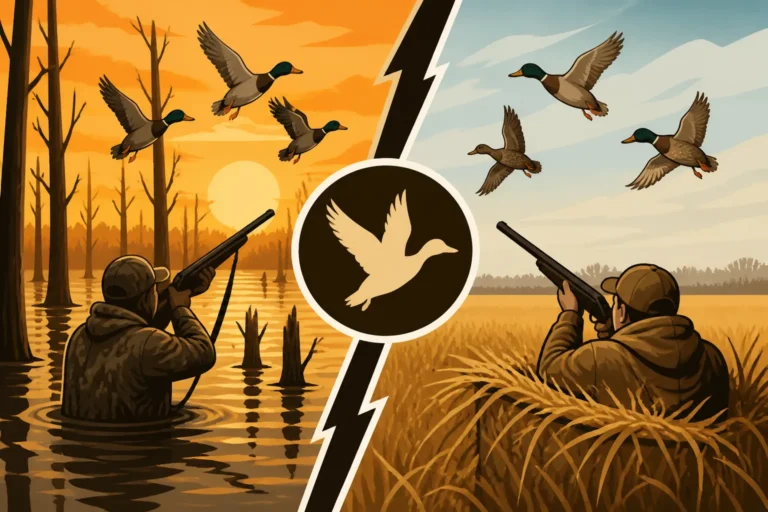
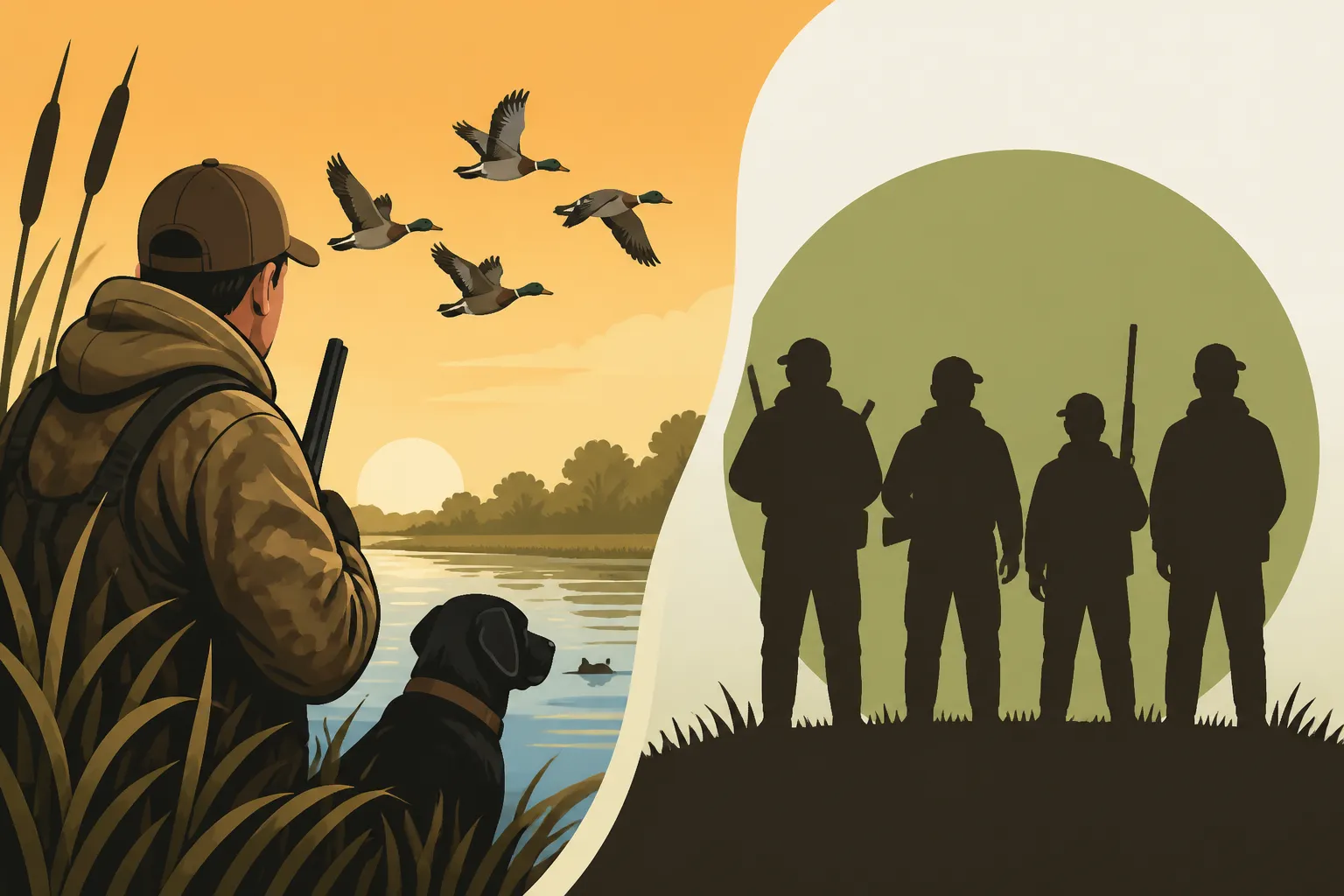
Waterfowl hunting, particularly for ducks on the Mississippi Waterfowl Zones and Seasons or geese in farm fields, often lends itself well to larger groups. Think about a classic Delta duck blind hunt: a large, well-camouflaged blind can comfortably hold several hunters, multiple guides, and a string of retrievers. The noise of multiple shotguns going off at once as a flock of mallards commits to the decoys is part of the thrill. More callers can create a more enticing sound, and more eyes can spot incoming birds from different angles.
For these types of hunts, outfitters are set up for groups. They have large blinds, ample decoy spreads, and staff ready to manage multiple hunters. While a small, intimate group can certainly enjoy a successful duck hunt, the social aspect and sheer volume of birds often make larger groups equally, if not more, enjoyable for many waterfowlers. However, even with ducks, there's a limit. An overcrowded blind can lead to unsafe shooting lanes or a chaotic experience where hunters are constantly bumping into each other. Good outfitters will manage this balance.
Hog Hunts: Flexible and Action-Packed
Hunting Mississippi's Year-Round Feral Hogs offers a wide range of guided options, and the ideal group size can be quite flexible depending on the method. If you're doing a thermal night hunt, a smaller group of 1-3 hunters often works best for mobility and stealth, allowing the guide to lead carefully and ensure precise shots. You might be covering ground on foot or from a vehicle, and a smaller crew is more agile.
However, if you're participating in a dog-drive hog hunt, larger groups are not only welcome but often necessary. These hunts involve hunters posted around a block of cover, while a team of dog handlers and their hounds push through, baying and pushing hogs towards the standers. This is a high-energy, high-adrenaline hunt that relies on multiple hunters to cover escape routes effectively. Outfitters specializing in these types of hunts will be accustomed to larger parties and will have the logistics worked out for successful drives.
Factors Influencing Optimal Group Size
Beyond the type of game you're after, several other elements play a significant role in determining what group size will work best for your guided Mississippi hunt. These considerations often come down to personal preference, budget, and the specific offering of the outfitter.
Budget and Cost-Effectiveness
Let's be real, a guided hunt is an investment. The cost per hunter often decreases as the group size increases, up to a point. Outfitters might have a flat rate for a blind or a boat, or they might offer discounted per-person rates for larger parties. This can make a trip more affordable, allowing more friends to experience it together. If you're trying to manage your budget, getting a few buddies together for a duck or hog hunt might be a smart way to share the expenses. You can look at platforms like BookYourHunt or GoHunt to compare different packages and see how group pricing is structured.
Conversely, a truly private, one-on-one guided experience for a trophy deer or turkey will almost always be the most expensive option on a per-person basis. You're paying for that undivided attention and tailored service. It's a premium experience designed for specific goals, and the cost reflects the individualized effort from the guide and the outfitter. It's important to weigh what you're willing to pay against the level of personalized service you desire.
Hunter Experience Level and Needs
The experience level of your hunting party is a huge factor. If you have novice hunters in your group, a smaller group might be beneficial. A guide can spend more time teaching firearm safety, shot placement, animal identification, and general woodsmanship. This personalized instruction can be invaluable for building confidence and ensuring a positive first-time experience. It's hard for a single guide to provide adequate supervision and teaching to four or five brand new hunters simultaneously.
On the other hand, a group of seasoned veterans might prefer a larger group for the social aspect, or because they are confident in their own abilities and require less direct instruction from the guide. They might be happy with less individual attention, focusing more on the collective effort and the shared memories. Discussing the experience levels of your group with the outfitter beforehand can help them staff and plan accordingly.
Personal Hunting Style and Preferences
Are you a solitary hunter who cherishes the quiet introspection of the woods, or do you thrive on the camaraderie and shared excitement of a group hunt? Your personal style should heavily influence your decision on group size. Some hunters find large groups distracting, preferring the minimalist approach that a solo or duo hunt provides. They want to be fully immersed in the natural environment, without the chatter or movement of multiple people.
Others find joy in the shared laughter, the retelling of misses, and the collective celebration of a successful harvest. For them, a larger group amplifies the experience, turning a hunt into a true social gathering. Mississippi has plenty of Mississippi Deer Camp Traditions, and many of those are built around the camaraderie of a larger group. There's no right or wrong answer here, only what feels authentic and enjoyable to you.
Communication and Coordination with Your Outfitter
The most critical step in determining the right group size for your guided hunt is clear and upfront communication with your chosen outfitter. They are the experts on their specific operations and local hunting conditions.
Discussing Expectations and Capabilities
Before you even put down a deposit, have a detailed conversation with the outfitter about their typical group sizes for the type of hunt you're interested in. Ask specific questions:
- What is the standard hunter-to-guide ratio for a group of our size?
- How many hunters can you comfortably accommodate in a blind or stand?
- Do you run multiple guides for larger groups, or does one guide manage everyone?
- Are there any limitations based on our desired group size (e.g., specific dates, trophy quality)?
- What are the success rates for groups of various sizes on this particular hunt?
A reputable outfitter will be transparent about their capabilities and limitations. If you have a specific number of hunters in mind, ask them how that number typically impacts their operations and what kind of experience you can expect. For example, if you're a group of five looking for a deer hunt, they might tell you they'll deploy two guides and set you up in two different areas to maximize opportunities, or they might recommend breaking into smaller groups over different days.
Customizing Your Hunt for Group Dynamics
Many outfitters are willing to customize hunts to a certain extent, especially for private groups. If you have a specific vision for your hunt – say, a family outing with several youths, or an all-ladies trip – discuss this with the outfitter. They might be able to offer specific packages or adjust their logistics to meet your needs. For example, a youth hunt might require more one-on-one mentorship, which could mean splitting a larger youth group into smaller, more manageable units, each with a dedicated mentor guide.
Don't be afraid to lay out your priorities. Is it about trophy quality, high volume of game, a social experience, or educational instruction? The outfitter can then advise you on how your desired group size aligns with those priorities and what adjustments might be necessary to achieve them. Sometimes, booking a completely private lodge or section of a hunting property can solve group size challenges, ensuring your party has exclusive access and dedicated guiding. You'll want to ask Questions to Ask Before Booking a Mississippi Hunt.
Pros and Cons of Small vs. Large Groups
Let's break down the advantages and disadvantages of opting for a smaller, more intimate hunting party versus a larger, more social one. This can help you weigh your options based on what matters most to you.
Advantages of Small Groups (1-3 Hunters)
- Increased Personalized Attention: With fewer hunters, your guide can dedicate more time and focus to each individual. This means more tailored instruction, quicker adjustments to changing conditions, and a deeper understanding of your specific goals.
- Enhanced Stealth and Mobility: A smaller footprint in the woods means less noise, less scent, and easier navigation through thick cover. This is crucial for wary game like mature bucks or gobblers, where every subtle movement counts.
- Greater Flexibility: Outfitters can often be more nimble with smaller groups, moving to different locations or changing tactics more easily based on real-time scouting or game movement.
- Higher Success Rates (Often): For many challenging species, the reduced pressure and increased focus associated with smaller groups can lead to better hunting opportunities and, subsequently, higher success rates.
- More Intimate Experience: The bond formed with a guide and fellow hunter(s) in a small group can be incredibly strong, leading to deeper conversations and more profound shared memories.
Disadvantages of Small Groups
- Higher Per-Person Cost: Generally, the expenses of a guided hunt (guide fees, lodge overhead, equipment) are spread among fewer individuals, making the per-person cost higher.
- Less Social Interaction: If you thrive on the camaraderie of a larger group, a small party might feel too quiet or less energetic for your preference.
- Limited Scope for Certain Hunts: Some hunting styles, like large deer drives or expansive waterfowl spreads, are simply not practical or as effective with only a few hunters.
- Pressure on Individual Performance: With fewer people, there might be a feeling of increased pressure to perform, as opportunities are less diluted across the group.
Advantages of Large Groups (4+ Hunters)
- Cost-Effectiveness: Spreading the cost among more hunters can significantly reduce the per-person price, making a guided hunt more accessible for many.
- Enhanced Social Experience: For many, hunting is about sharing the outdoors with friends and family. Larger groups naturally foster more camaraderie, storytelling, and collective enjoyment. It's a true "camp" experience, like those described in Mississippi Deer Camp Traditions.
- Increased Coverage and Collective Effort: For certain hunts (e.g., drives, large decoy spreads), more hunters mean more eyes, more shooters, and better coverage of an area.
- Diverse Skill Sets: A larger group often brings a wider range of hunting experience and skills, which can be beneficial for learning and sharing knowledge.
- More "Action" (Sometimes): In a duck blind, for instance, multiple hunters can create a more exciting, action-packed scenario as birds work the decoys.
Disadvantages of Large Groups
- Diluted Individual Attention: As mentioned, a single guide's attention is spread thinner among more people, potentially leading to less personalized instruction or assistance.
- Reduced Stealth and Increased Noise: More bodies mean more movement, more noise, and a larger scent footprint, which can easily spook wary game.
- Logistical Challenges for Outfitters: Managing a large group requires more resources, more planning, and can sometimes lead to less flexibility in adapting to dynamic hunting conditions.
- Potential for Discord: With more personalities, there's always a higher chance of differing opinions, conflicting desires, or minor disagreements that could impact the overall mood of the trip.
- Less Intimate Experience: While social, the experience might feel less personal, with less one-on-one interaction with the guide or specific opportunities.
Here's a quick summary of the typical considerations:
| Factor | Small Group (1-3 Hunters) | Large Group (4+ Hunters) |
|---|---|---|
| Hunter-to-Guide Ratio | High (more individual attention) | Lower (attention spread thinner, possibly multiple guides) |
| Stealth & Mobility | High (easier to move quietly, less scent) | Lower (more noise, movement, scent) |
| Cost Per Person | Higher (cost spread among fewer) | Lower (cost spread among more) |
| Social Aspect | More intimate, deeper connections | High camaraderie, shared experience |
| Flexibility | High (easier for guide to adapt tactics) | Lower (more complex logistics, harder to change plans) |
| Success Rates (Wary Game) | Often higher due to less pressure | Can be lower due to increased disturbance |
| Success Rates (Waterfowl/Hogs) | Good, but larger groups can be equally effective | Often very effective, especially for specific methods |
Making the Right Group Size Choice for Your Trip
Ultimately, the "best" group size is subjective and depends entirely on your specific goals, the type of hunt, and your companions. There's no universal magic number, but by considering all the factors, you can make an informed decision.
Self-Assessment: What Do You Really Want?
Before you even start looking at outfitters, take a moment to honestly assess what you prioritize for this particular hunt.
- Is this a once-in-a-lifetime trophy hunt where individual attention and stealth are paramount? Then a solo or duo trip might be your best bet.
- Is it an annual tradition with your closest buddies, where the shared experience matters more than filling every tag? A larger group for a duck or hog hunt could be perfect.
- Are you introducing a new hunter to the sport and want them to have hands-on instruction? A very small group with a dedicated guide would be ideal.
- Do you want to maximize your chances of success even if it means less social interaction? Again, smaller is often better for challenging game.
Don't let the desire to save a few dollars sway you from the experience you truly want. The memories and lessons learned from a well-matched hunt are far more valuable in the long run.
Researching Outfitter Offerings and Availability
Once you have a good idea of your preferred group size, start researching outfitters that cater to those numbers. Platforms like BookYourHunt or GoHunt often allow you to filter or see typical group sizes for various packages. Look at their websites, read testimonials, and scrutinize their photo galleries. Do they consistently show small, intimate groups, or do they feature large parties in spacious blinds? This visual cue can tell you a lot about their operational focus.
Remember that availability might also play a role. Premium, small-group hunts tend to book up further in advance due to limited capacity. If you're planning a large group trip, make sure the outfitter has the infrastructure and staffing to handle your party effectively without compromising the experience. Don't be afraid to Vetting a Mississippi Outfitter Before You Book.
Flexibility and Compromise
Sometimes, the ideal isn't always possible. You might have five friends who all want to go, but the turkey outfitter strictly limits groups to two per guide. This is where compromise comes in. Could two of you go for turkeys while the other three pursue hogs? Or perhaps you split into two smaller groups that hunt different areas or on different days? A good outfitter will help you navigate these options.
Ultimately, a guided hunt in Mississippi should be a memorable, rewarding experience. By carefully considering group size and communicating openly with your outfitter, you can ensure that your trip is set up for success, enjoyment, and the kind of camaraderie you're truly looking for.
Disclaimer
This article is for general informational purposes only and does not constitute professional advice. Laws, prices and regulations vary by location and change over time. Consult a qualified professional for guidance on your specific situation.