Lodge Accommodation and Meals
After a long day of navigating dense Mississippi bottomlands or sitting patiently in a chilly pine flat, the last thing any hunter wants to worry about is where they'll lay their head or if there will be a decent, hot meal waiting. The comfort of a good hunting lodge, coupled with nourishing food, can make or break a hunting trip, especially for those traveling from out of state or simply looking to unwind after intense hours in the field. This guide aims to demystify lodge accommodations and meal expectations in Mississippi, helping you understand what to anticipate and how to choose the right fit for your next hunting adventure.
Types of Hunting Lodge Accommodations
When you're looking at booking a guided hunt in Mississippi, the term "lodge" can cover a pretty wide spectrum. It's not a one-size-fits-all deal, and understanding the different types of accommodations available is key to setting your expectations correctly. Whether you're chasing trophy bucks in the Delta or calling gobblers in the Piney Woods, your lodging experience can significantly impact your overall enjoyment of the trip.
Private Rooms vs. Bunkhouses
Many lodges offer a choice between private rooms and more communal bunkhouse setups. A bunkhouse experience often harks back to the traditional Mississippi Deer Camp Traditions, fostering a strong sense of camaraderie among hunters. You'll likely share a larger room with multiple beds, a shared bathroom, and common areas. This can be fantastic for groups of friends or for solo hunters looking to meet new people and swap stories around a warm fire. It’s usually the more budget-friendly option and embodies a rustic, shared adventure spirit.
On the other hand, private rooms offer a welcome respite from the group dynamic. After a physically demanding day, some hunters prefer the peace and quiet of their own space to recharge. These rooms might come with their own private bathrooms, offering a bit more privacy and comfort. While often a bit pricier, they provide that essential personal sanctuary. This setup is particularly appealing for couples or individuals who value solitude and a good night's uninterrupted sleep before an early morning call time. When browsing options on platforms like BookYourHunt, pay close attention to the descriptions to ensure the room style aligns with your preference.
Cabin and Cottage Options
Beyond the main lodge building, some outfits provide separate cabins or cottages. These can range from simple, rustic structures that still feel very much like a hunting camp, to fully self-contained units with small kitchens, living areas, and multiple bedrooms. Cabins are excellent for families or larger private groups who want to stay together but still have their own space away from the main lodge’s hustle and bustle. They offer a blend of independence and access to the outfitters' services.
Imagine you've booked a Mississippi Youth Gun Weekend hunt and want to ensure your young hunter has their own bed and a bit of separation from the adult conversations late into the evening. A cabin provides that perfect balance. These options often come with outdoor spaces like porches or fire pits, adding to the immersive experience. They can feel like a genuine home-away-from-home, giving you the flexibility to wake up at your own pace (within reason for the hunt schedule, of course!) and enjoy a cup of coffee in private before joining the group for breakfast.
Luxury Lodge Experiences
At the higher end of the spectrum, you'll find luxury lodges that redefine the hunting trip as an opulent retreat. These establishments boast high-end furnishings, gourmet dining, and a suite of amenities that go far beyond basic needs. Think plush beds, spa-like bathrooms, dedicated lounge areas, and personalized services. While hunting is still the core focus, the creature comforts are elevated to an exceptional level, catering to those who desire a premium experience in addition to a successful hunt.
These types of lodges often cater to corporate groups or those seeking an all-inclusive, pampered experience. They might offer additional activities like fishing, sporting clays, or even massages, ensuring there’s something for everyone in your party, even non-hunters. When considering Mississippi Lodge and Package Hunts at this level, expect exquisite cuisine, top-notch service, and often beautifully landscaped grounds. It's not just about the hunt; it's about the entire luxury escape wrapped around the hunting adventure.
Meal Planning and Expectations at Lodges
Food is more than just sustenance on a hunting trip; it's part of the experience, a chance to gather, share stories, and refuel for the next day's challenges. Mississippi hunting lodges often pride themselves on their Southern hospitality, and that certainly extends to the dinner table.
Hearty Southern Fare
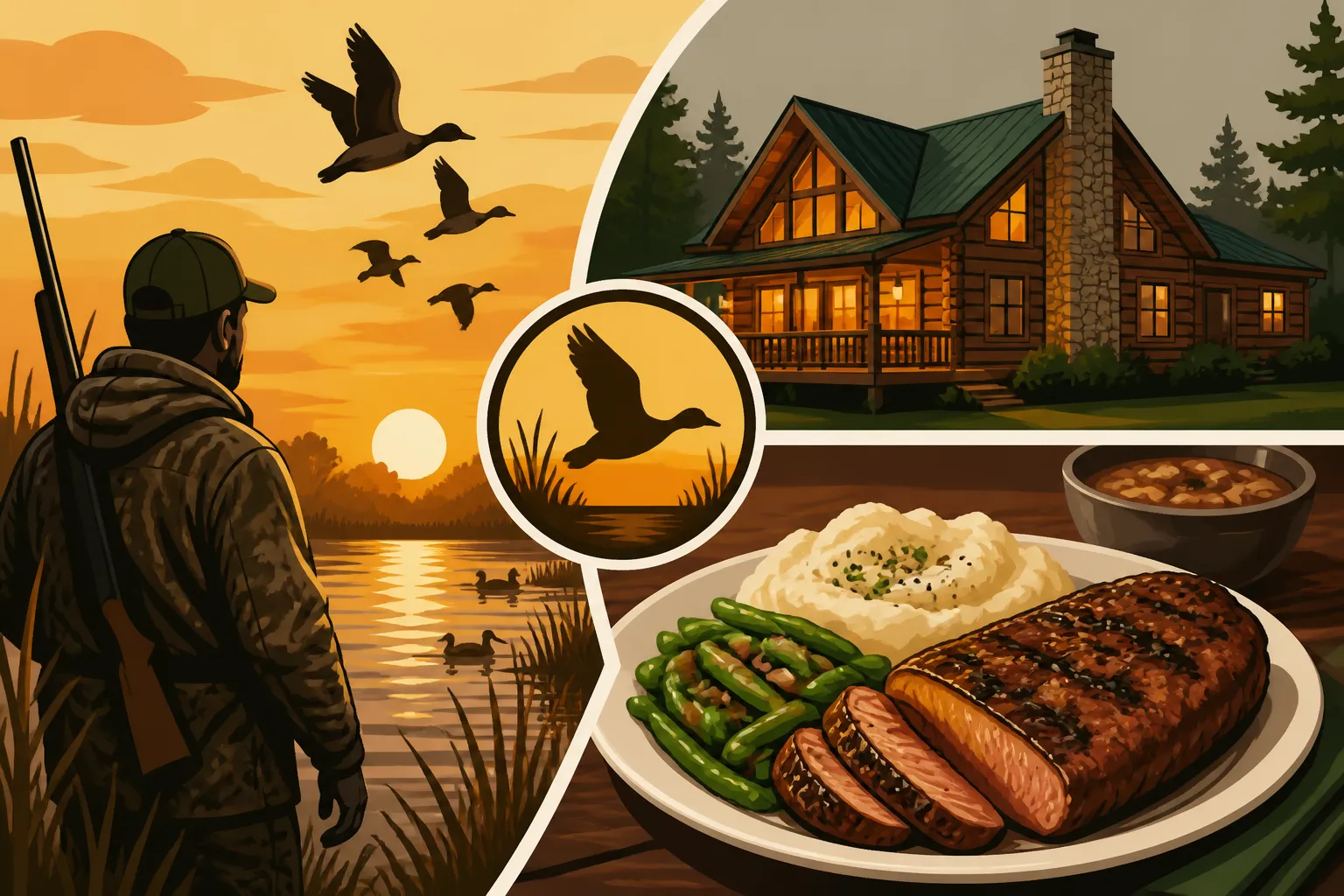
Most Mississippi hunting lodges lean heavily into hearty, home-cooked Southern cuisine. You can expect substantial breakfasts to fuel those early morning starts—think eggs, bacon, sausage, grits, biscuits, and gravy. Lunch might be lighter, sometimes packed to eat in the field or a quick stop back at the lodge. Dinner is typically the main event, a chance to enjoy generous portions of classics like fried chicken, pot roast, catfish, barbecue, mashed potatoes, green beans, cornbread, and plenty of sweet tea.
These meals aren't just about filling your stomach; they're an integral part of the camaraderie. Sitting around a large table, sharing stories of the day's successes and misses, forms lasting memories. The food is often prepared with love and reflects the local flavors and traditions. It's often simple, honest cooking that warms you from the inside out after a cold morning in a deer stand or a wet day in a duck blind. Don't be surprised if dessert, like peach cobbler or pecan pie, also makes a regular appearance.
Dietary Restrictions and Accommodations
It's crucial to communicate any dietary restrictions or allergies well in advance when booking your trip. Most lodges are more than willing to accommodate, but they need time to plan and purchase special ingredients. Whether you're vegetarian, gluten-free, have nut allergies, or any other specific needs, don't assume they'll know. A quick call or email to the outfitter after you've booked your spot, perhaps through a service like GoHunt, can save you a lot of hassle and discomfort.
Open communication is key. They might not be able to replicate every dish in a special dietary version, but they can certainly ensure you have safe and satisfying alternatives. For example, if you can't eat dairy, they might prepare a separate serving of vegetables without butter or offer a different breakfast option. Being proactive ensures that your experience at the lodge is enjoyable and worry-free from a culinary perspective, allowing you to focus on the hunt itself.
Snacks, Drinks, and Field Lunches
While lodges provide main meals, hunters often appreciate having access to snacks and drinks throughout the day, especially for those long sits in the stand or blind. Some lodges will have a communal snack bar or a fridge stocked with non-alcoholic beverages that are included in your package. Others might expect you to bring your own personal stash of trail mix, energy bars, or sodas. Clarify this beforehand so you're not caught off guard.
Field lunches are another important consideration. For hunters who spend all day afield, especially during Mississippi's Gun Deer Season by Unit or Waterfowl Hunting the Mississippi Delta, a packed lunch is essential. This could be a sandwich, chips, a piece of fruit, and a cookie, all neatly bagged for you to take out to your hunting spot. Some high-end operations might even have guides bring hot lunches to you in the field. Again, confirm what's provided for field meals versus what you should bring yourself. Staying hydrated and fueled is vital for maintaining focus and energy during your hunt.
Beyond the Basics: Amenities and Services
A hunting lodge is more than just a place to sleep and eat; the amenities and services it offers can significantly enhance your overall hunting experience. These extra touches can often be the difference between a good trip and a truly memorable one.
Game Care Facilities
After a successful harvest, proper game care is paramount. A good hunting lodge will have facilities for processing your game. This might include a dedicated skinning shed, walk-in coolers for proper aging and storage, and perhaps even an area for initial quartering. Some lodges offer full processing services in-house or have arrangements with local butchers, which is incredibly convenient, especially for non-resident hunters dealing with Mississippi Carcass Movement Restrictions.
Confirming these details upfront is important. Knowing that your hard-earned deer or turkey will be handled correctly from field to freezer is a huge weight off your shoulders. Some places might even assist with preparing capes for taxidermy or providing freezer space for packed meat. This service table provides a quick overview:
| Service Type | Basic Lodge Expectation | Mid-Tier Lodge Expectation | Luxury Lodge Expectation |
|---|---|---|---|
| Skinning Area | Outdoor rack/table | Covered, lit shed with water access | Climate-controlled, stainless station |
| Cooling/Storage | Ice chest provided | Walk-in cooler | Walk-in cooler, dedicated freezer |
| Processing | DIY with basic tools | Basic quartering assistance | Full in-house or outsourced service |
| Taxidermy Prep | Advise on local services | Basic caping/salting assistance | Professional prep & shipping service |
| Meat Transport | Cooler loading assistance | Cooler loading assistance | Packaged, frozen, shipping arranged |
Common Areas and Entertainment
Hunting lodges are often hubs of social activity. They typically feature comfortable common areas where hunters can relax, share stories, and build friendships. This could be a large living room with a fireplace, a game room with a pool table or card table, or even a dedicated media room for watching sports or hunting shows. Many lodges understand that the camaraderie off the hunt is just as important as the hunt itself.
These communal spaces are where the day's adventures are relived, strategies for tomorrow are discussed, and plans for future hunts are often hatched. Some might have outdoor patios, fire pits, or grilling areas for evening relaxation. Wi-Fi availability can vary wildly—some embrace the "unplugged" camp feel, while others offer robust connectivity, especially in areas where hunters might need to report their harvest via the Mississippi Deer Reporting Requirements app or keep in touch with family.
Laundry and Personal Conveniences
After several days of tramping through the woods or sitting in muddy fields, having access to laundry facilities can be a game-changer. Some lodges offer complimentary laundry services, while others might have coin-operated machines for guest use. Knowing you can wash muddy hunting clothes or refresh your personal attire can make a multi-day trip much more comfortable, allowing you to pack lighter.
Beyond laundry, consider other small conveniences. Is there a designated area for drying wet gear? Are there charging stations for electronics? Are towels and toiletries provided, or should you bring your own? These might seem like minor details, but they contribute significantly to your comfort. A lodge that anticipates these needs and provides for them demonstrates a commitment to a truly welcoming and comfortable experience for its guests.
Understanding Lodge Culture and Etiquette
Stepping into a hunting lodge is often like joining a temporary family. There’s an unspoken culture, a set of norms and expectations that contribute to a positive experience for everyone. Understanding and respecting this culture is key to making the most of your stay.
Socializing with Fellow Hunters and Guides
The social aspect of a hunting lodge is one of its greatest appeals. You'll likely be sharing meals and common spaces with other hunters from diverse backgrounds, all united by a passion for the outdoors. This is an incredible opportunity to swap tips, learn new tactics, and forge new friendships. Be open to conversation, share your own experiences (without monopolizing the discussion!), and listen respectfully to others. Remember, everyone is there to enjoy their hunt, and a friendly, respectful atmosphere is paramount.
Your guides are also a crucial part of this social fabric. They are your hosts, your experts, and often become your friends. Engage with them, ask questions about Hunting the Rut in the Delta Unit or local Deer Density by Mississippi Unit, and show appreciation for their hard work. Building a good rapport with your guide can significantly enhance your hunting success and overall experience. However, also understand that guides work long hours and need their own time to rest and prepare, so respect their personal space when they're not "on the clock."
Tipping Lodge Staff
Tipping is a customary practice in the hunting industry, acknowledging the hard work and dedication of the guides, cooks, and other lodge staff. It's a direct way to show your appreciation for their service and often forms a significant part of their income. While there isn't a hard and fast rule, a good general guideline is to budget 15-20% of your total trip cost for tips, to be distributed among the staff.
For guides, the tip often reflects their effort, knowledge, and success in helping you achieve your hunting goals, whether it's getting a shot at a trophy or simply ensuring you have a safe and enjoyable time. For lodge staff like cooks and housekeepers, it acknowledges their role in providing comfort, cleanliness, and delicious meals. It's always best to bring cash for tips and hand them directly to the individuals you wish to thank. For more detailed guidance, check out articles on Tipping Guides and Dog Handlers.
Respecting Lodge Rules and Property
Every lodge has its own set of rules, often posted prominently or communicated upon arrival. These rules are in place to ensure safety, maintain order, and protect the property. This could include designated areas for cleaning firearms, specific times for meals, quiet hours, or policies regarding alcohol consumption. Adhering to these rules is a sign of respect for your hosts and fellow hunters.
Treat the lodge property, equipment, and grounds as if they were your own, or even better. Accidents happen, but intentional damage or disregard for property is unacceptable. Remember that you are a guest, and your actions reflect not only on you but on the hunting community as a whole. A responsible and respectful hunter is always a welcome guest.
Making the Most of Your Lodge Experience
A guided hunt is an investment, and part of getting a good return on that investment is ensuring you maximize the lodge experience, not just the time in the field. Thoughtful preparation and communication can go a long way.
Communicating Your Needs
Beyond dietary restrictions, don't hesitate to communicate other needs or preferences to the outfitter or lodge manager before your arrival. This could include requesting a bottom bunk due to a bad back, needing a specific type of pillow, or inquiring about accessible facilities if you have mobility challenges. The earlier you communicate, the better chance the lodge has to accommodate you.
If you have specific expectations for your hunt beyond just lodging, such as targeting a particular species or focusing on specific hunting methods, discuss these with the outfitter during the booking process. Are you hoping for a Trophy Buck Guides in the Delta experience, or are you happy with any legal deer? Clear communication helps the outfitter tailor the experience to your desires and prevents misunderstandings later on.
Packing for Comfort and Convenience
While the lodge provides many comforts, thoughtful packing can further enhance your stay. Don't forget essentials like comfortable lounge clothes for evenings, extra socks, personal toiletries, and any medications. A small bag for toiletries to carry between your room and a shared bathroom can be useful. Consider a good book or some entertainment for downtime, as cell service might be spotty.
Think about your hunting gear, too. Do you have a plan for muddy boots? Is there a waterproof bag for wet clothes? Having a designated space for everything helps keep your personal area tidy, whether it's a private room or a shared bunk. Packing an extra pair of comfortable shoes or slippers for inside the lodge can make a big difference after a long day in heavy boots. Consider consulting a general guide on What to Pack for a Guided Mississippi Hunt for a comprehensive checklist.
Pre-Trip Planning and Research
Before you commit to a lodge, do your homework. Read reviews, check out photos, and don't be afraid to call the outfitter with a list of questions. What's the typical group size? What's the schedule like? What's included in the What's Included in an All-Inclusive Deer Package versus what are additional costs? Understanding these details upfront helps you choose a lodge that aligns with your expectations and budget.
Utilize resources like GoHunt or BookYourHunt to compare different options. Look for specific amenities or services that are important to you. For example, if you're particularly interested in duck hunting, you might specifically search for Booking a Delta Duck Lodge options that emphasize flooded timber hunting and have dedicated wader drying rooms. The more informed you are, the less likely you are to encounter unwelcome surprises, ensuring your Mississippi hunting trip is as enjoyable and comfortable as possible.
Disclaimer
This article is for general informational purposes only and does not constitute professional advice. Laws, prices and regulations vary by location and change over time. Consult a qualified professional for guidance on your specific situation.