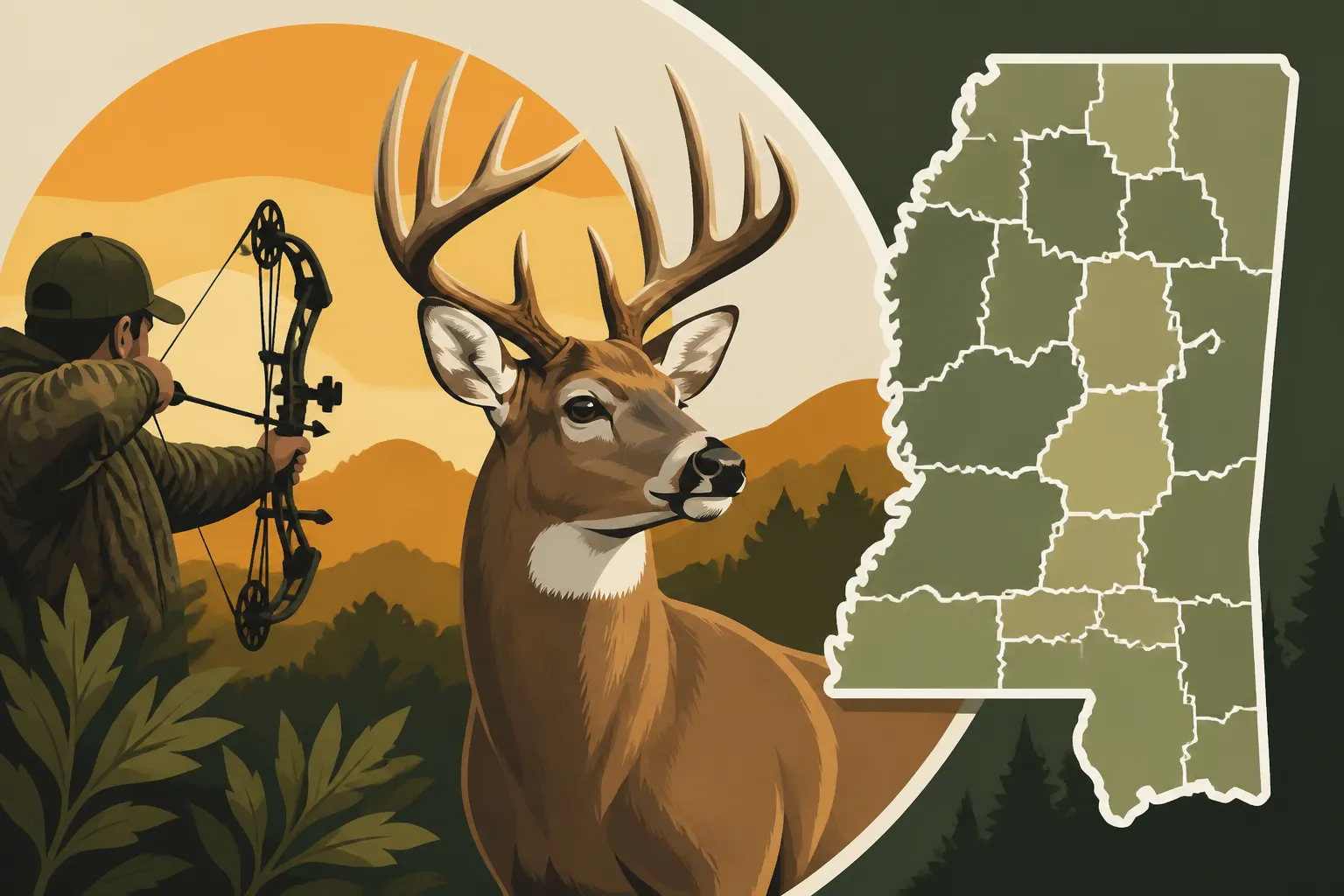
Hunting the Mississippi Rut by Unit
Trying to pin down the whitetail rut in Mississippi can feel like chasing a ghost, especially when you consider how diverse our state's landscapes and deer populations truly are. What works in the Delta might be a bust in the Piney Woods, and that confusion often leaves hunters second-guessing their strategies. This guide will walk you through the distinct rut patterns across Mississippi's primary deer management units, offering tailored insights and tactics to help you capitalize on that magical time of year, no matter where you hunt.
Understanding Mississippi's Rut Variability
The whitetail rut is, without a doubt, the most exciting time to be in the deer woods. It’s when bucks throw caution to the wind, driven by instinct to find receptive does, making them far more visible and vulnerable than any other time of year. But in Mississippi, it's not a single, uniform event. Our state stretches over 350 miles north to south, encompassing drastically different ecosystems, and these variations lead to significant shifts in when and how the rut unfolds. Understanding these nuances is crucial for any hunter hoping to fill a tag when the bucks are on the move.
The Science Behind the Rut
At its core, the rut is driven by photoperiod, the amount of daylight in a 24-hour cycle. As days shorten after the summer solstice, a deer's brain triggers hormonal changes that lead to the breeding season. However, while photoperiod sets the general framework, other factors can fine-tune the timing. Genetics play a massive role; deer herds that evolved in specific regions over thousands of years have adapted to breed at times that optimize fawn survival given local environmental conditions like climate, food availability, and predator pressure. This is why you see such noticeable differences across our state.
Beyond genetics, doe-to-buck ratios can subtly influence rut intensity and duration. In areas with a balanced ratio, the rut might appear more intense and compressed, as bucks compete more fiercely for fewer available does. Conversely, an imbalanced, doe-heavy herd might see a more drawn-out rut, with bucks having to work harder and longer to find a mate. Nutrition also contributes; well-fed does typically come into estrus more reliably and perhaps earlier, while poor nutrition can delay or spread out the breeding window.
Factors Influencing Rut Timing
While photoperiod is the primary cue, several localized factors modify the rut's peak activity across Mississippi’s units. Climate is a major one; colder temperatures often coincide with increased deer movement, which can make the rut seem more "on" in northern parts of the state during certain periods. In the warmer southern regions, deer might move more intensely during cooler spells or at night. Food sources are another critical factor. Areas with abundant, high-quality forage might support healthier deer that cycle into estrus more predictably.
Moreover, hunting pressure can influence how and when deer move during the rut. In heavily hunted areas, bucks might become more nocturnal or stick to thicker cover during daylight hours, even when actively seeking does. This doesn't mean the rut isn't happening; it just means the observable activity shifts. Understanding these localized influences, which vary greatly from the fertile Delta bottomlands to the rolling Hills and the deep Piney Woods, is key to developing a successful strategy. Hunters often try to figure out exactly "When the Mississippi Rut Peaks by Unit", and these influences are why it's a dynamic target.
General Rut Stages
While we often talk about "the rut" as a single event, it's actually a progression of distinct stages, each offering unique hunting opportunities.
- Pre-Rut (Late October – Early November): Bucks are increasingly active, scent-checking, making rubs and scrapes, and establishing dominance hierarchies. They're still somewhat predictable, often frequenting food sources, but are starting to roam more.
- Peak Breeding (Mid-November – Early December, varying by unit): This is the lockdown phase. Bucks are actively pursuing and breeding does, often "dogging" a doe for extended periods. Movement can be sporadic and frustrating, as deer might be locked down in thick cover for days. This stage is usually what people mean when they refer to the "rut."
- Post-Rut (Mid-December – January): Bucks are exhausted and focused on recovery, replenishing lost body weight. They'll frequent food sources heavily. While less focused on breeding, some residual breeding may occur as a second wave of does comes into estrus.
Understanding these stages helps you adapt your tactics. For instance, aggressive calling might be more effective during the pre-rut when bucks are still looking for does but aren't yet locked down. During the peak, still-hunting or sitting over known travel corridors might be more productive, as bucks are constantly on the move between locked-down periods.
Decoding the Delta Unit Rut
The Mississippi Delta, with its rich, alluvial soils, expansive agricultural fields, and towering bottomland hardwoods, is legendary for producing some of the state's largest whitetails. The rut here is a sight to behold, but it often operates on a different calendar and demands different tactics compared to other parts of the state. If you’re targeting a trophy buck in this fertile region, understanding its unique rut dynamics is paramount.
Peak Rut Timing in the Delta
The Delta Unit generally experiences its peak rut later than many other regions in Mississippi, often stretching from early to mid-December. While some pre-rut activity might start in late November, the main event, when bucks are actively chasing and breeding, typically kicks off in the first two weeks of December. This timing is thought to be a genetic adaptation to the environment, potentially allowing fawns to be born after the worst of the spring flooding has subsided and food sources are becoming more abundant. This is particularly relevant when you're specifically "Hunting the Rut in the Delta Unit."
Knowing this specific window means you can plan your hunts accordingly, avoiding the frustration of hunting too early when bucks are still focused on food rather than finding does. Keep an eye on local reports and trail camera activity; a sudden increase in fresh scrapes, rubs, and daytime buck sightings usually signals that the primary breeding phase is imminent.
Effective Tactics for Delta Rutting Bucks
Hunting the Delta during the rut requires strategic thinking, especially given the vast, often featureless terrain. Focus on identifying bottlenecks and travel corridors between bedding areas, historical feeding grounds, and water sources. Sloughs, old logging roads, drainage ditches, and levee systems can act as natural funnels that bucks will use to scent-check for does. Setting up on these pinch points can dramatically increase your odds.
Consider using rattling and grunting calls, especially during the pre-rut and early peak when bucks are still seeking out rivals and does. The thick cover of the Delta bottomlands means sounds don't carry as far, so you might need to be more aggressive with your calling sequences or position yourself near openings where sound can travel. Another excellent tactic is to set up near active scrape lines, which bucks will revisit, particularly during the transition from pre-rut to peak. A well-placed stand overlooking a funnel between two sloughs or a prominent logging road can be deadly.
Navigating Delta Unit Pressure
Despite its vastness, key areas within the Delta Unit, especially public lands like Delta National Forest or Mahannah Wildlife Management Area, can see significant hunting pressure during the rut. Hunters flock to these areas, which can make bucks more cautious and primarily nocturnal. To counter this, focus on areas that are harder to access. This might mean walking deeper into the woods, crossing tricky terrain, or utilizing a small boat to reach isolated pockets of timber.
Using an app like GoHunt can be invaluable here. Its satellite imagery and property line overlays allow you to identify remote corners, thick bedding areas, and overlooked travel routes that other hunters might avoid. Pay attention to how the wind and thermals behave in the flat Delta landscape, particularly near waterways. Bucks will often use these to their advantage to scent check areas with minimal risk. Don't be afraid to adjust your approach; if an area feels too pressured, move to another spot. Persistence and adaptability are your best friends in the Delta rut.
Navigating the Hills Unit Rut
The Hills Unit, covering much of central and northern Mississippi, presents a drastically different landscape and rut experience than the Delta. Characterized by rolling topography, mixed pine and hardwood forests, and smaller agricultural plots, the rut here often arrives earlier and offers a faster-paced hunt. If you’re hunting the Hills, adapting to its unique terrain and timing is critical for success.
Hills Unit Rut Calendar
The rut in Mississippi's Hills Unit typically kicks off earlier than in the Delta, often reaching its peak from mid-November through the first week or two of December. This makes it a popular destination for hunters looking to experience intense buck activity before the full swing of December's gun season. You'll often see the first signs of aggressive buck behavior – new rubs appearing, scrapes being freshened, and bucks beginning to cruise during daylight hours – in early to mid-November.
However, remember that even within the Hills, there can be slight variations depending on the specific county or micro-region. High-quality habitat with good nutrition can sometimes lead to a slightly earlier and more intense rut. Always check the Mississippi Department of Wildlife, Fisheries, and Parks (MDWFP) resources and local intel for the most accurate current-year predictions for your specific hunting area. Understanding this general timeline is key to "Hunting the Rut in the Hills Unit".
Hunting Hills Unit Terrain During the Rut
The rolling hills and varied topography of this unit demand a different approach compared to the flat Delta. Bucks will often cruise ridge tops, saddles, and creek bottoms, using these natural highways to travel efficiently while scent-checking for does. Identifying these key topographical features is paramount. Look for pinch points where multiple ridges converge or where thick cover meets a more open hardwood draw. Deer will often choose the path of least resistance when traveling, especially when they're distracted by the rut.
Thermal currents also play a significant role in the Hills. Early mornings, scent might carry downhill, while evenings see it rise. Understanding these air currents can help you position yourself to get your scent away from where deer are likely to travel. Consider still-hunting along ridges during the peak rut, moving slowly with the wind in your face, constantly glassing ahead. This active approach can be incredibly effective when bucks are constantly on the move. Don't forget to utilize tools like detailed topographical maps or mapping apps to identify saddles, benches, and draws. These features are prime locations for "Still-Hunting Hills Unit Ridges".
Calling Strategies for Hills Unit Bucks
Calling can be incredibly effective in the Hills Unit, particularly during the pre-rut and the early stages of the peak rut. Grunt calls work well to simulate a buck actively pursuing a doe or challenging another buck. Try a series of 2-3 short grunts, followed by a pause, and repeat. If you're confident there's a buck in the vicinity, follow up with a snort-wheeze to challenge him directly. Bucks, especially those establishing dominance, will often investigate.
Rattling is another powerful tool. In the varied terrain of the Hills, the sound can carry through the timber, attracting curious bucks. Focus your rattling sequences on simulating a realistic fight: crash the antlers together, rake nearby brush, and follow up with grunts. During the pre-rut, soft, inquisitive rattling might be enough, but as the rut intensifies, don't be afraid to get aggressive. Remember, the goal is to sound like real deer. If you're wondering about "Rattling Volume in Thick Cover", the Hills Unit often has enough cover to absorb some sound, so slightly louder sequences can be beneficial, especially if you want to reach across a draw. Similarly, "Grunt Calls in Mature Mississippi Timber" can carry surprisingly well through the hardwoods when used effectively.
Tackling the North Central Unit Rut
The North Central Unit of Mississippi, spanning counties like Lafayette, Panola, and Marshall, offers a blend of rolling hills, mixed timber, and fragmented agricultural fields. This unit often sees a rut that aligns closely with the traditional mid-November timeframe, making it a hotspot for many resident hunters. While sharing similarities with the broader Hills Unit, its specific habitat characteristics and hunting pressure patterns warrant a focused strategy for rut success.
North Central Unit Rut Window
For many hunters in the North Central Unit, the sweet spot for peak rut activity falls squarely in mid-November, often extending into the first week of December. This makes it one of the earliest major rutting periods across the state. Bucks here are typically showing significant signs of breeding activity, including increased daylight movement, aggressive rub and scrape making, and active pursuit of does, starting around the second week of November.
This early timing means that hunters need to be in the woods prepared right when the action heats up. Missing the initial surge can mean missing out on some of the best opportunities, especially for mature bucks that might go into "lockdown" with does for a few days once actual breeding begins. Paying attention to historical data and current conditions, like cold fronts, can help you fine-tune your exact hunting dates.
Public Land Rut Hunting in North Central
The North Central Unit boasts several well-known public hunting areas, including portions of Holly Springs National Forest and numerous Wildlife Management Areas (WMAs). While these areas offer fantastic opportunities, they can also see considerable hunting pressure during the rut. To succeed on public land here, you'll need to employ smart strategies to get away from the crowds and find undisturbed deer.
One effective tactic is to identify remote pockets of cover or areas difficult to access, often requiring a longer walk or traversing challenging terrain. Bucks seeking refuge from pressure will often utilize these overlooked areas. Use detailed maps, like those available on GoHunt, to pinpoint steep creek drainages, dense pine thickets, or deep hollows that might deter other hunters. Also, consider hunting during weekdays if possible, as weekend pressure can be intense. Focusing on areas where others aren't willing to go often pays dividends. Think about how "Hunting Pressure on Mississippi Public Land" impacts deer movement and plan to get beyond the initial waves of hunters.
Adapting to North Central Unit Habitat
The mixed habitat of the North Central Unit means bucks have a diverse range of areas to utilize during the rut. Hardwood bottoms, often with mature oaks, can be prime locations, especially if acorns are falling. Bucks will cruise these areas checking for does that are feeding. Conversely, thick pine plantations or clear-cuts with dense regrowth offer excellent bedding cover and security, and bucks will often push does into these areas for breeding.
Your strategy should involve scouting these varied habitats to understand how bucks transition between them. Look for transition zones – the edges where pines meet hardwoods, or where a thicket opens up into a more mature forest. These "soft edges" are natural travel corridors. During the peak rut, focus on these transition areas, as bucks will be covering ground between bedding and feeding areas, constantly searching for does. "Reading Aerial Photos for Hills Unit Deer" (a similar habitat type) can be a good starting point for identifying these transition zones from your couch.
Mastering the Southeast Unit Rut
The Southeast Unit, covering the Piney Woods region and extending down to the Gulf Coast, offers the latest rut in Mississippi. This unique timing, often peaking in January and even into February, provides hunters with a distinct late-season opportunity. However, hunting during this period means contending with different challenges, including potentially warmer weather and deer that have already weathered considerable hunting pressure earlier in the season.
Southeast Unit's Extended Rut
Perhaps the most distinctive characteristic of the Southeast Unit is its incredibly late rut, which typically reaches its peak in mid-January and can extend well into February in some areas. This makes it a prime destination for hunters who want to extend their season or experience a rutting period when most other states have long closed their deer seasons. This extended window is a fascinating ecological adaptation, likely influenced by genetics and local environmental conditions, allowing fawns to be born when environmental stressors are minimized.
This late timing can be a blessing and a curse. On one hand, you get to hunt prime rut activity when many hunters have packed it in. On the other, you're often dealing with deer that are highly educated from months of hunting pressure. Patience and stealth become even more critical. Keep an eye on reports, as the exact peak can vary slightly year to year, but generally, late January is when the majority of breeding occurs. The opportunity to hunt the "Hunting the Extended Southeast Unit Archery Window" is directly tied to this unique rut timing.
Piney Woods Rut Hunting Tactics
The Southeast Unit is largely dominated by vast tracts of pine timber, ranging from managed plantations to more mature pine-hardwood mixes. This habitat dictates a specific approach during the rut. Bucks will often cruise the edges of pine thickets, clear-cuts, and regenerating timber, using the dense cover for security while scent-checking for does. Focus your efforts on these transition zones.
Look for areas where natural drainage features, like small creeks or hardwood stringers, cut through pine plantations. These act as travel corridors. Also, don't overlook natural openings or food plots that might attract does, as bucks will inevitably check these areas. Calling can be effective, but often less aggressive than in other units. Subtle grunts and bleats might be more productive, as mature bucks in this pressured environment tend to be warier. Still-hunting slowly through open pine stands, especially after a rain, can be a great way to encounter a cruising buck. For those hunting the Southeast Unit Pine Flats, understanding how deer use the sparse cover is crucial.
Overcoming Southeast Unit Challenges
Hunting the late rut in the Southeast Unit comes with its own set of challenges. One major factor can be warmer winter weather. Mild temperatures can suppress daytime deer movement, making bucks more active during low-light hours or at night. To counter this, focus on hunting during cold fronts or the coolest parts of the day (early morning and late evening). Consider areas with good shade and water sources if temperatures are consistently high.
Another challenge is the cumulative hunting pressure the deer have experienced. By January, bucks are very wary. This means paying meticulous attention to wind direction, minimizing noise, and practicing ultra-stealthy entry and exit strategies. Utilize ground blinds brushed into natural cover if possible, or hang treestands in dense areas that offer maximum concealment. Patience is paramount; a mature buck might only make one mistake during this late, pressured rut. Even with the challenge of warmer weather, a "Warm-Weather Sitting Strategy in Mississippi" can still yield results if you play your cards right.
Pre-Rut Scouting and Strategy for Each Unit
Successful rut hunting isn't just about showing up when the action starts; it's about meticulous preparation in the weeks and months leading up to it. Understanding what bucks are doing before the peak breeding phase allows you to predict their movements, identify their preferred haunts, and be in the right place at the right time. This pre-rut strategy is particularly important in Mississippi, given the diverse rut timings across its units.
Interpreting Pre-Rut Sign
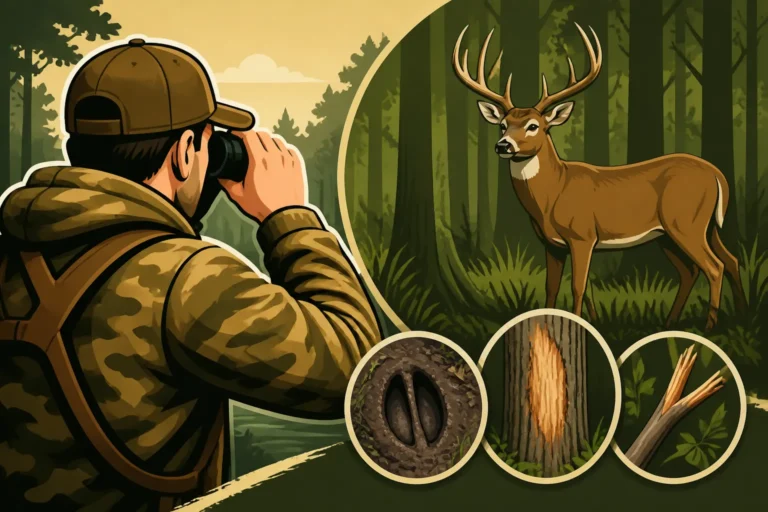
The pre-rut is a prime time for bucks to lay down sign, and learning to read it is like deciphering a deer's diary. Fresh rubs on small saplings indicate a young buck, while large, gnarled rubs on bigger trees suggest a more mature deer. A cluster of rubs in a specific area, especially leading to a bedding spot or food source, can reveal a buck's travel pattern. Scrapes are even more telling. An active scrape line, with freshly pawed earth and a strong overhanging branch, signals a buck's presence and his readiness to breed.
During the pre-rut, bucks are actively asserting dominance and marking territory. They're also scent-checking regularly, so look for sign in areas where does are frequenting. Using a game camera, especially one linked to an app like GoHunt, during this period can give you invaluable intel. You can confirm buck presence, estimate their size, and track their activity patterns without disturbing the area. This helps you figure out "Where to Hang a Camera on a Logging Road" or near a scrape line. This intel is crucial for anticipating movement during the impending rut.
Adjusting Strategies for Changing Conditions
The rut is dynamic, and conditions can change rapidly. Weather fronts, especially significant drops in temperature, can trigger intense deer movement. A cold snap during the rut often means bucks will be up and cruising more during daylight hours. Conversely, unusually warm weather can push buck activity more towards dawn and dusk, or even into the night. Your strategy needs to be flexible enough to adapt to these shifts.
Beyond weather, hunting pressure from other hunters can drastically alter deer behavior. If an area is getting hammered, bucks will often become more nocturnal or move to thicker, harder-to-reach cover. This might mean adjusting your stand location, changing your entry and exit routes, or even moving to a different property or public land area altogether. A good rule of thumb is to have multiple spots scouted and ready, allowing you to react to changing conditions rather than sticking to a single, potentially unproductive plan. "Hunting Deer After a Cold Front" is a scenario where rapid adjustment can pay off big.
Essential Gear for Rut Hunting
Being properly equipped for rut hunting, especially across Mississippi's varied units, can make a huge difference in your comfort and success.
| Item | Purpose | Unit-Specific Considerations |
|---|---|---|
| Scent Control | Eliminates human odor, crucial for close encounters with rutting bucks. | Especially important in heavily pressured areas (Hills, North Central) where deer are wary. |
| Optics | Binoculars (10×42 or 12×50) for spotting deer movement at a distance. | Essential in open Delta fields or long Piney Woods sightlines; helpful for "Glassing a Powerline Cut at Last Light". |
| Calls (Grunt, Rattle, Bleat) | Attracts cruising bucks by simulating deer communication. | Vary aggression based on unit: more aggressive in less pressured areas, subtle in high-pressure spots. |
| Mapping App | Digital maps (like GoHunt) for aerial imagery, topo maps, public/private boundaries, and GPS tracking. | Critical for navigating vast public lands (Delta National Forest) and identifying remote access points. |
| Comfortable Layers | Manages body temperature during long sits, adapting to Mississippi's unpredictable weather. | Essential for warmer late-season ruts in the Southeast or cold snaps in the Hills. |
| First Aid Kit | Basic supplies for minor injuries. | Always necessary, especially when hunting alone or in remote areas. |
| Headlamp/Flashlight | For safe entry/exit in the dark. | Look for red light options to preserve night vision. |
| Field Dressing Kit | Gloves, sharp knife, game bags for processing harvested deer. | Particularly important in warm weather to prevent spoilage; consider a game cart for long drags in the Delta. |
Remember, the goal is to be comfortable, quiet, and prepared for long hours in the stand, because during the rut, you never know when that big buck will show up. "Scouting Mississippi Public Land Before Season" should include a thorough gear check to ensure you're ready for anything.
Disclaimer
The information provided in this guide is for general informational purposes only and does not constitute legal advice. Hunting regulations, seasons, and licensing requirements in Mississippi are subject to change. Always consult the most current regulations published by the Mississippi Department of Wildlife, Fisheries, and Parks (MDWFP) before engaging in any hunting activities. Adherence to all local, state, and federal laws is the responsibility of the hunter.