What Lodge Meals Typically Include
When you’re planning a guided hunt in Mississippi, whether it’s for a trophy buck in the Delta or a limit of mallards in flooded timber, one of the unsung heroes of the experience is often the food. It’s easy to get caught up in gear lists and hunt tactics, but let's be real: after a long day in the field, you're going to be hungry. And tired. Knowing what kind of meals to expect at a hunting lodge can make a huge difference in your overall comfort and enjoyment. This guide will walk you through the typical dining experience at a Mississippi hunting lodge, from fueling up before dawn to unwinding with a hearty dinner.
The Lodge Kitchen Experience: More Than Just Fuel
A hunting trip isn’t just about the hunt itself; it’s about the entire experience, and good food is definitely a cornerstone of that. Mississippi hunting lodges often pride themselves on providing delicious, home-cooked meals that truly reflect Southern hospitality. They understand that hunters need serious fuel, but also that sharing a meal can be just as memorable as sharing a duck blind.
The Hearty Breakfast: Starting Your Day Right
Picture this: it’s still dark, the coffee machine is brewing, and the smell of bacon is already wafting through the lodge. A good, hearty breakfast is non-negotiable for most Mississippi hunting lodges, especially if you're hitting the woods or the water before first light. You're going to be burning a lot of calories, whether you're climbing into a treestand, wading through a slough, or walking miles of pine plantation.
Most lodges aim to set you up for success with a breakfast that sticks to your ribs. Think classic Southern fare: scrambled eggs, crispy bacon, sausage patties, grits (a Mississippi staple, of course!), biscuits and gravy, and sometimes even pancakes or waffles. You might find a platter of fresh fruit or a bowl of oatmeal for lighter options, but the emphasis is usually on providing substantial, energy-rich food to power you through the morning hunt. This isn't just about satisfying hunger; it's about making sure you've got the sustained energy needed for whatever challenges the day throws at you. You might even find yourself comparing notes with other hunters over coffee, sharing anticipatory excitement for the day's pursuits.
Lunch: Field Fare or a Midday Break?
Lunch plans can vary quite a bit depending on the type of hunt and the lodge's setup. Some hunts, especially those for deer in more remote areas, might mean you stay in the field all day. In these scenarios, many lodges will pack you a cooler with a "field lunch." This usually consists of sandwiches (deli meat, peanut butter and jelly, or sometimes even a hearty BBQ sandwich), chips, fruit, a sweet treat like a cookie or brownie, and plenty of bottled water or soda.
However, if your hunt involves returning to the lodge mid-day, perhaps for a break or because the morning activity has died down, you might be treated to a hot lunch. This could be anything from a big pot of chili, a warm soup with cornbread, to grilled burgers or hot dogs. It’s a nice opportunity to warm up, dry out if needed, and briefly recount the morning’s events with your guide and fellow hunters. Checking with your outfitter beforehand about the lunch routine is always a good idea, as it helps you prepare for whether you'll be eating on the go or relaxing at the lodge. Knowing the plan helps you decide what to pack for snacks and hydration too; a simple inquiry can make your experience smoother.
Dinner: The Culmination of the Hunting Day
Ah, dinner. This is where many Mississippi hunting lodges truly shine. After a full day of hunting, often involving early starts and physical exertion, a delicious, well-prepared dinner is something everyone looks forward to. It’s a chance to relax, recount the day’s adventures, and share stories with your fellow hunters. This meal often feels like the reward for all your efforts.
Classic Southern Comfort: What to Expect
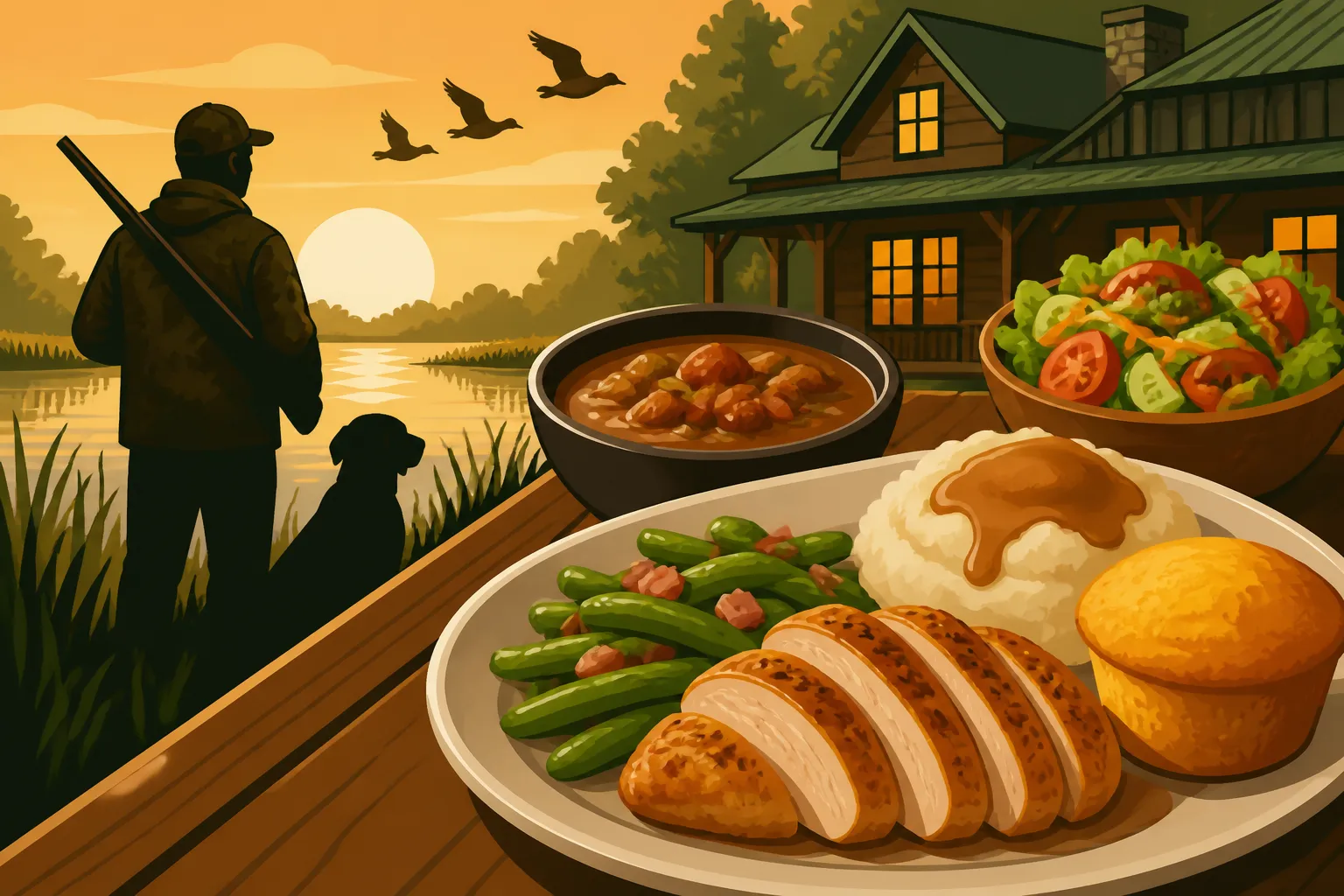
Mississippi is renowned for its Southern hospitality, and that extends wholeheartedly to the dinner table. You can expect classic comfort food that's both hearty and flavorful. Dishes often feature local ingredients and traditional recipes passed down through generations. Think succulent fried chicken, slow-cooked pot roasts, tender BBQ ribs, or even venison prepared in various delicious ways, sometimes even from the lodge's own harvest. Side dishes are equally important and typically include staples like mashed potatoes, green beans simmered with bacon, collard greens, mac and cheese, and freshly baked cornbread. And, of course, there’s often a homemade dessert to finish things off, like pecan pie, peach cobbler, or banana pudding.
Many lodges operate with a "family style" dining setup, where large platters are passed around the table, encouraging a sense of community and fellowship. This communal eating experience truly enhances the feeling of a traditional hunting camp. It's a wonderful way to connect with your guide and other hunters, sharing stories from the day's experiences, like Tracking a Deer Through Mississippi Leaf Litter or discussing Opening Weekend Tactics for Gun Season. The quality of these meals can vary from lodge to lodge, but generally, expect generous portions of delicious, home-cooked food designed to satisfy a hunter’s appetite.
Accommodating Dietary Needs and Preferences
While Southern comfort food is wonderful, we all have different dietary needs and preferences. Most reputable lodges understand this and are willing to make reasonable accommodations, especially with advance notice. It's a key question to ask when you're looking at What's Included in an All-Inclusive Deer Package or other similar offerings. If you have allergies (like to nuts, dairy, or gluten), or dietary restrictions (vegetarian, low-carb, etc.), it is absolutely crucial to communicate these before you book your trip or at least well in advance of your arrival.
Lodges might not be able to cater to every single specialized diet, especially if they have a small kitchen staff, but they can often adjust meals or offer alternative options if they know in advance. For example, they might prepare a separate grilled chicken breast if you can't eat fried foods, or ensure there's a vegetable dish without meat. Don't assume they'll know; always be proactive. Websites like BookYourHunt or GoHunt sometimes offer detailed descriptions of lodge amenities, including dining options, which can give you a head start, but a direct call to the outfitter is always your best bet.
Snacks, Drinks, and Campfire Camaraderie
Hunting isn't just about three square meals a day. There's a lot of waiting, hiking, and celebrating in between. How a lodge handles snacks and drinks can also contribute significantly to your overall experience.
Beyond the Main Meals: Hydration and Quick Bites
Staying hydrated is incredibly important, especially if you're experiencing Warm-Weather Sitting Strategy in Mississippi during early season hunts or doing Physical Demands of a Delta Duck Hunt in colder conditions. Most lodges will provide access to water, coffee, and often sweet tea or lemonade throughout the day. Some might have a cooler stocked with sodas, and a few may even offer alcoholic beverages in the evenings (though policies on alcohol vary widely and should be respected, especially before or during hunts).
Beyond drinks, having access to quick bites is always a plus. This could mean a fruit bowl on the counter, a jar of cookies, or perhaps some granola bars available for grabbing as you head out the door. These little extras can make a big difference, especially if you get a case of the munchies between meals or need a quick energy boost. Don't forget to ask about these provisions when discussing What to Pack for a Guided Mississippi Hunt with your outfitter, as it helps you decide how many of your own snacks to bring. Having a small stash of your preferred energy bars or trail mix can be a lifesaver, even if the lodge provides options.
The Social Aspect: Food as a Shared Experience
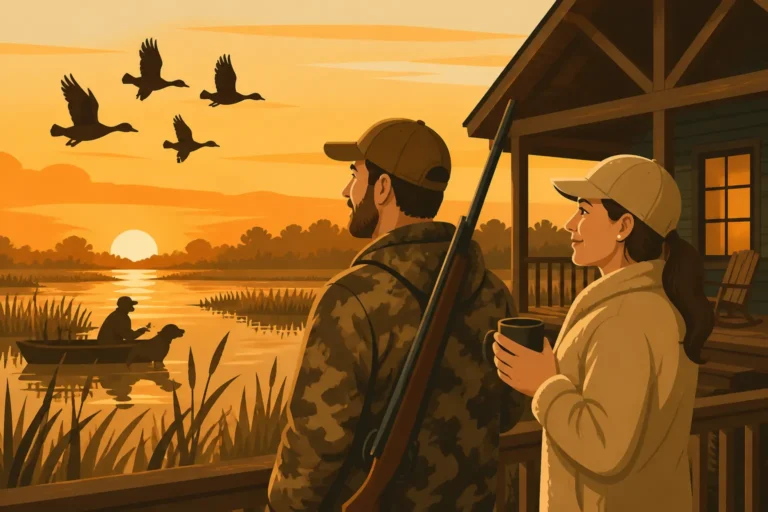
One of the most cherished parts of a hunting trip is the camaraderie, and meals are often the focal point for this. Imagine sitting around a big table, tired but content, sharing stories of missed shots, close encounters, or the day's successful harvest. These moments of connection over food are what build lasting memories and forge new friendships. It's a time to swap tales about Hunting the Rut in the Delta Unit or discuss the nuances of Rattling Volume in Thick Cover.
Many lodges are designed to foster this social atmosphere, with large dining areas and comfortable common spaces. The food itself becomes a talking point – "Did you try the gravy? Best I've ever had!" – and helps to break down any initial shyness among guests. It’s part of the rich tapestry of Mississippi Deer Camp Traditions, where the food nourishes not just the body, but also the spirit of community. For many, these shared meals are just as important as the hunt itself, creating a bond among hunters that extends far beyond the lodge walls.
Communicating Your Expectations and Special Requests
To ensure your dining experience at a Mississippi hunting lodge is everything you hope for, a little proactive communication goes a long way. Don't assume anything; ask questions!
Pre-Booking Questions to Ask
Before you commit to a lodge, especially if you have specific expectations about food, it’s always wise to ask detailed questions. This is part of the broader process of Questions to Ask Before Booking a Mississippi Hunt. Here are a few to consider:
- "What is a typical daily menu like?" This gives you a general idea of the types of food served.
- "Are meals served family-style or individually plated?" Family-style is common and contributes to the communal feel.
- "What are the meal times?" This is crucial for coordinating with hunt schedules. Some lodges might be very flexible, others have set times.
- "Is there a snack bar or always-available snacks and drinks?" Good to know for those in-between hunger pangs.
- "Do you accommodate dietary restrictions or allergies?" This is the most important question for many.
- "Are non-alcoholic beverages provided, and what about alcoholic options?" Clarity on this avoids any surprises.
- "Is tap water potable, or is bottled water always available?" For safety and preference.
Gathering this information upfront helps manage your expectations and ensures the lodge can best prepare for your arrival. Remember, these lodges often run like small, specialized hotels, and knowing guest needs in advance makes their job easier and your stay better.
Handling Dietary Restrictions and Allergies Proactively
I cannot stress this enough: if you have any dietary restrictions or allergies, communicate them clearly and well in advance. Don't wait until you show up at the lodge. When you're making your initial inquiries or booking your trip (perhaps through a platform like BookYourHunt or directly with one of the many Mississippi Lodge and Package Hunts), bring it up.
Here’s why it’s so important:
- Menu Planning: Lodge chefs or cooks plan their menus and grocery lists days, sometimes weeks, in advance, especially for a full lodge. Last-minute changes are incredibly difficult.
- Ingredient Sourcing: Some specialized ingredients might not be readily available in rural Mississippi, and they need time to source them if necessary.
- Safety: For severe allergies, cross-contamination is a real concern. Knowing about an allergy allows the kitchen staff to take extra precautions.
Be specific: "I have a severe peanut allergy, so please avoid any dishes with peanuts or peanut oil." or "I'm vegetarian, so I'll need meat-free options for all meals." While most lodges will do their best, also understand that they may have limitations. It’s a balance of realistic expectations and proactive communication. Always be polite and appreciative of their efforts; remember, they are working hard to make your trip enjoyable and successful, both in the field and at the dinner table.
Typical Lodge Meal Inclusions
Here's a quick overview of what you might typically find on the menu at a Mississippi hunting lodge:
| Meal Course | Common Items | Typical Accommodations (with notice) |
|---|---|---|
| Breakfast | Scrambled eggs, bacon, sausage, grits, biscuits, gravy, coffee, juice | Gluten-free bread/oatmeal, fruit-only, plain eggs |
| Lunch (Field) | Deli sandwiches, chips, fruit, cookies, bottled water, soda | Vegetarian sandwich, specific meat requests, allergy-friendly snacks |
| Lunch (Lodge) | Chili, soup, burgers, hot dogs, salad, sweet tea | Vegetarian soup, bun-less burger, larger salad |
| Dinner | Fried chicken, pot roast, BBQ, venison, mashed potatoes, green beans, cornbread, dessert | Plain grilled meat, steamed vegetables, gluten-free side, allergy-specific dessert |
| Snacks/Drinks | Coffee, sweet tea, water, soda, fruit, cookies, granola bars | Specific types of fruit, sugar-free drinks, known allergy-free snacks |
This table provides a general snapshot, but as always, direct communication with your chosen outfitter is the best way to get precise information for your upcoming hunt. A good meal shared with fellow hunters can be just as memorable as the hunt itself, so savor every bite!
Disclaimer
This article is for general informational purposes only and does not constitute professional advice. Laws, prices and regulations vary by location and change over time. Consult a qualified professional for guidance on your specific situation.