Do Guided Hunts Include Processing?
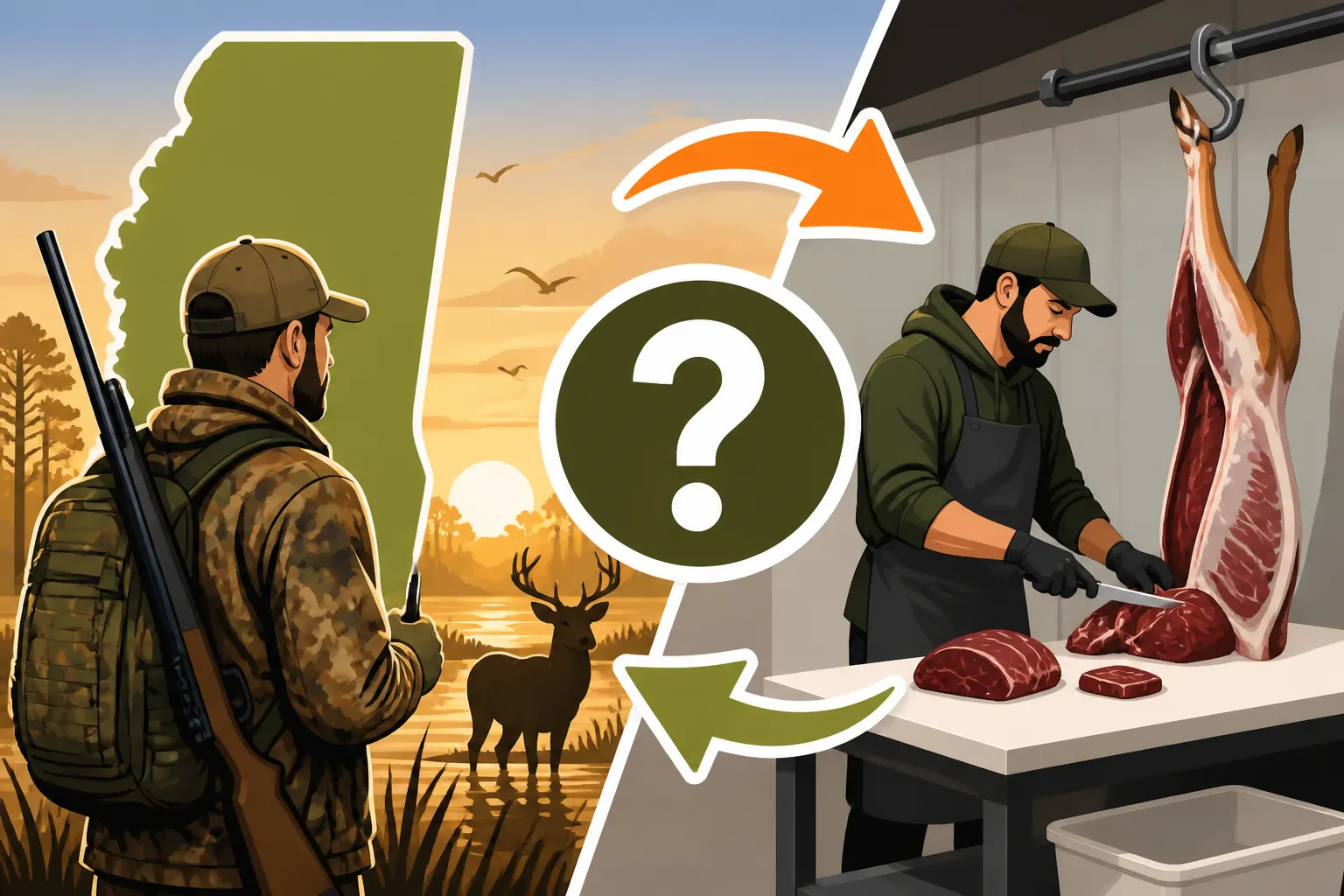
One of the biggest questions that often hangs over a hunter's head, especially when planning that exciting guided trip, isn't just about bagging the game but what happens after the shot. You've worked hard, made the shot, and the adrenaline is pumping, but then the practical realities hit: what exactly does your guided hunt include when it comes to processing your hard-earned deer, turkey, or hog in Mississippi? It's a valid concern, and navigating the nuances can save you a lot of headache, extra cost, and even ensure your trophy meat makes it home in prime condition. This guide will walk you through what to expect, what to ask, and how to prepare for handling your game after the hunt.
The Core Question: What Does "Processing" Even Mean on a Guided Hunt?
Before we dive into what outfitters typically offer, it’s crucial to understand that "processing" isn't a one-size-fits-all term in the hunting world. What one hunter considers processing, another might view as just the absolute basics. This misunderstanding can lead to frustration and unexpected bills, so let's break down the different stages and what they entail.
Field Dressing and Initial Care
Almost universally, a guided hunt will include field dressing. This is the essential first step of removing the internal organs from the animal immediately after the harvest. It's critical for cooling the carcass rapidly, which prevents spoilage and is absolutely paramount in Mississippi's often warm hunting climate. Your guide will typically handle this with efficiency and expertise, ensuring the animal is quickly eviscerated to begin the cooling process. This initial care is often the first line of defense against spoilage, especially if you're hunting during Warm-Weather Sitting Strategy in Mississippi times.
Beyond the actual gutting, initial care also includes things like wiping down the body cavity, making sure there's good airflow, and sometimes even packing ice inside the cavity if temperatures are really high and transport to a cooler isn't immediate. This is where a good guide truly shines, demonstrating their experience in preserving your game from the moment it hits the ground. They understand the urgency, especially for larger game like deer or hogs, where internal heat can quickly degrade the meat.
Transporting the Animal From the Field
Once field dressed, the next hurdle is getting your animal out of the woods, often through challenging terrain, and back to a suitable location for further cooling or processing. This transport from the field is almost always included as part of a guided hunt. Imagine harvesting a sizable buck deep in a Delta bottomland or a hefty hog from a thick pine plantation – dragging it out solo can be an exhausting, if not impossible, feat. Guides typically have ATVs, UTVs, trucks, or even dedicated game carts to make this retrieval efficient.
The method of transport will vary greatly depending on the terrain and the outfitter's setup. Some might have trailers specifically designed for game, while others might simply use the bed of a pickup truck. The key is that they will handle the heavy lifting to get your animal from the point of harvest to the lodge, a designated cooler, or a local processing facility. This service alone can be a huge value, saving you sweat, strain, and potential damage to the meat if you're not equipped for proper retrieval.
Basic Butcher Services Versus Full Custom Cuts
Now, this is where the definition of "processing" really starts to diverge. Some outfitters, particularly those operating larger lodges, might offer what I'd call "basic butcher services" in-house. This usually means skinning, quartering, and perhaps boning out the meat into large, manageable chunks. Their goal is to get the meat cooled down quickly and prepped for either your personal transport or for delivery to a professional processor. This is very common for hunts where hunters are traveling and need the meat in a more compact, transport-friendly form.
A full custom cut, on the other hand, is generally what you'd get from a dedicated butcher shop. This involves breaking down the quarters into specific cuts like steaks, roasts, ground meat, and perhaps even specialty items like sausage or jerky. This level of service is almost never included as a standard offering in a guided hunt package. If an outfitter does provide this, it will be explicitly stated and will almost certainly come with a separate, significant fee. Understanding this distinction is vital to managing your expectations and budget when booking.
What to Expect: Common Scenarios with Mississippi Outfitters
The landscape of guided hunts in Mississippi is diverse, from rustic camp experiences to luxurious lodges, and what's included in terms of processing can vary just as widely. It's not always a black-and-white answer, but there are some common scenarios you'll encounter.
Outfitters Who Offer Full Processing In-House
While less common for the full custom butcher shop experience, some larger, more established lodges or those running extensive operations, particularly for deer or hog hunts, might have their own dedicated facilities for basic processing. This usually means they have a walk-in cooler to hang animals, and staff capable of skinning, caping for taxidermy, and breaking the animal down into large primal cuts or quarters. Their primary aim is to ensure the meat is properly cared for and chilled quickly, which is absolutely paramount after a successful hunt, especially during early Mississippi Deer Season Structure Explained or Hunting Mississippi's Year-Round Feral Hogs.
If an outfitter provides this level of in-house service, it's a huge benefit. It means less immediate stress for you post-harvest, knowing that your animal is in experienced hands from the field to the cooler. They understand the nuances of getting the hide off cleanly for a shoulder mount, or how to quickly bone out meat to prevent spoilage. However, remember, "full processing" in this context usually means getting it ready for you to take to a custom butcher or to transport home for your own further processing, not necessarily turning it into neatly packaged steaks and ground meat.
Outfitters Who Partner with Local Processors
This is perhaps the most common scenario you'll find with Mississippi outfitters. Many guides and lodges have established relationships with local, reputable meat processors in the area. After your hunt, the guide will transport your field-dressed animal to this local butcher shop. This arrangement benefits everyone: the outfitter doesn't need to invest in extensive butchering facilities, and you get the benefit of a professional processor handling your meat with care and expertise.
In this model, the cost of the professional processing is almost always your responsibility, paid directly to the butcher shop. The outfitter's service extends to getting the animal to the shop. These processors often offer a range of services, from basic cuts to specialty items like sausage, jerky, or even smoked options, all at varying price points. It's a great option because it ensures high-quality processing and allows for custom cuts. When researching outfitters on platforms like BookYourHunt, look for mentions of "local processing available" or "transport to processor included" to get a clearer picture. Make sure to ask about the typical turnaround time, especially if you have travel plans.
Outfitters Who Expect You to Handle It (or Pay Extra)
It's important to be realistic: not every outfitter is equipped or intends to handle extensive meat processing beyond the initial field dressing and field-to-lodge transport. For smaller operations, particularly those focusing on a more rustic or budget-friendly experience, the expectation might be that you, the hunter, are responsible for arranging the full processing yourself. This could mean taking the skinned and quartered animal to a processor, or even doing some of the butchering at camp if you have the skills and equipment.
In these cases, if the outfitter does offer additional services like skinning or quartering, it will often be available as an add-on for an extra fee. This isn't a scam; it's simply reflecting the labor, time, and facilities required. Always clarify this before you book. A reputable outfitter will be upfront about their services and any associated costs. If you're comparing options, perhaps using a tool like GoHunt to research potential trips, remember to factor in these post-harvest logistics and potential costs. Knowing this upfront prevents any unpleasant surprises when the hunt is over.
Asking the Right Questions Before You Book Your Mississippi Hunt
The key to avoiding any post-harvest surprises is proactive communication. Don't assume anything. When you're making inquiries about a guided hunt in Mississippi, whether it's for Bowhunting Mississippi's Long Archery Season or Spring Turkey Hunting in Mississippi, always include specific questions about game processing.
Specific Inquiries About Game Processing
When you're talking to an outfitter, don't just ask, "Do you process game?" Be precise. Ask these questions directly:
- What exactly is included in your standard hunt package regarding game handling after the shot? (This clarifies field dressing, dragging, and initial transport.)
- Do you have a walk-in cooler or cold storage at the lodge for hanging game? (Essential for proper cooling, especially for deer or hogs.)
- Do you offer skinning and quartering services in-house, and is there an additional charge for that? (This determines if you'll get boned-out meat or a whole carcass.)
- Do you have a relationship with a local professional meat processor? If so, what are their estimated costs for custom butchering (e.g., per pound or per animal)? (Understanding this helps you budget.)
- Am I responsible for transporting the meat to the processor, or does your team handle that? (Crucial if you don't have a suitable vehicle for a whole carcass.)
- What are the options for caping a trophy for taxidermy, and what does that cost? (If you're after a mount, this is critical. See Taxidermy Arrangements Through a Guide for more detail.)
Being specific with your questions leaves no room for ambiguity. A good outfitter will appreciate your thoroughness and provide clear answers. This due diligence is part of Vetting a Mississippi Outfitter Before You Book.
Understanding Costs and Logistics
Beyond what's "included," understanding the costs and logistics is paramount. Just because an outfitter "offers" a service doesn't mean it's free. Many services, while convenient, are extra. Ask for a breakdown of any potential fees related to game handling. This might include:
- Skinning fee: Some guides charge for this if it's not part of the basic package.
- Quartering/boning fee: Again, often an add-on.
- Transport to processor fee: While often included, clarify if there's a mileage charge or fuel surcharge.
- Processor's fees: Get an estimate. This can easily add a couple of hundred dollars or more, especially for a large animal processed into various cuts.
- Cooler space/ice: While usually provided for field-dressed animals, extended storage might have a charge.
When you're budgeting for your trip, don't just think about the What a Guided Mississippi Deer Hunt Costs for the hunt itself. Factor in licenses, travel, accommodation, and these often-overlooked post-harvest expenses. A simple table can help clarify these potential costs:
| Service | Typically Included in Hunt? | Potential Extra Cost | Who Performs the Service? |
|---|---|---|---|
| Field Dressing | Yes | Seldom | Outfitter/Guide |
| Field-to-Lodge Transport | Yes | Seldom | Outfitter/Guide |
| Skinning & Quartering (Basic) | Often, but ask | Possible extra fee | Outfitter/Guide or Hunter |
| Transport to Local Processor | Often, but ask | Possible extra fee | Outfitter/Guide |
| Custom Butcher Shop Processing | No | Yes, paid to butcher | Professional Butcher |
| Caping for Taxidermy | Often, but ask | Possible extra fee | Outfitter/Guide or Taxidermist |
| Long-Term Cold Storage | No | Possible extra fee | Outfitter/Guide or Butcher |
This table provides a quick overview, but always get specific details from your chosen outfitter.
Planning for the Unexpected: Warm Weather or Travel
Mississippi weather can be notoriously unpredictable, especially during shoulder seasons. A cold front might be followed by a warm spell, which can drastically impact how you need to handle your game. If you're hunting during unusually warm conditions, understanding the outfitter's protocols for rapid cooling becomes even more critical. Will they have ample ice? Will they prioritize getting the animal to a cooler immediately? This is especially relevant if you're pursuing early season deer or hogs in the scorching summer heat where Field Dressing a Deer in Warm Weather is an art form.
If you're traveling a long distance, especially flying, your processing needs shift entirely. You can't just throw a whole deer in the back of a rental car. You'll need the meat completely processed, frozen solid, and properly packaged for travel. Discuss this with your outfitter and the local processor well in advance. Some processors specialize in vacuum sealing and preparing meat for shipping. Your outfitter should be able to guide you on how Shipping Game Meat Home After a Mississippi Hunt can be arranged. This might involve dry ice, insulated coolers, and specific carrier requirements, all of which incur additional costs but are essential for getting your meat home safely.
Preparing for Your Hunt: Logistics Beyond the Shot
Even with a clear understanding from your outfitter, coming prepared yourself can make a huge difference in the smooth handling of your harvest. Thinking through these logistics beforehand will ensure your focus can remain on the hunt itself, knowing the aftermath is covered.
Personal Cooler and Ice Strategies
Regardless of what the outfitter provides, bringing your own quality coolers is always a smart move, particularly if you're driving. Even if the outfitter handles initial processing, having your own coolers means you have a place to store your processed meat, game camera batteries, or even just drinks for camp. For a deer or hog, you'll want at least one large cooler, 100-150 quarts, especially if you plan to transport quartered meat.
When it comes to ice, assume you'll need a lot, especially in Mississippi. Always have a plan for acquiring fresh ice throughout your trip. Many lodges will have ice available, but if you're staying off-site or at a more rustic camp, plan your ice runs. It’s better to have too much ice than not enough, especially if there's a delay in getting your game to a processor. Sometimes, a guide might even suggest using frozen gallon jugs of water to supplement bagged ice; they last longer and don't make your cooler a sloshy mess as they melt.
Shipping Game Meat Home After a Mississippi Hunt
For non-resident hunters, or those traveling a significant distance within the state, shipping your processed game meat home is often the most practical solution. This is a specialized service, and not all processors are set up for it, so it's a critical point to discuss upfront. The process typically involves the processor cutting, vacuum-sealing, and flash-freezing your meat, then packing it into airline-approved coolers or insulated boxes with dry ice.
Costs for shipping can be substantial, often calculated by weight and destination, plus the cost of the specialized packaging and dry ice. You'll need to coordinate directly with the processor and possibly a shipping company (like FedEx or UPS) for pickup or drop-off. Some outfitters might have preferred local processors who are experienced with shipping game, making the process smoother. Always check airline regulations if you plan to fly with frozen meat as checked baggage, as there are strict rules about dry ice quantities and packaging. Booking a Mississippi Hunt as a Nonresident involves extra planning for this step.
Taxidermy Arrangements Through a Guide
If you've harvested a trophy animal, getting it properly caped for taxidermy is another crucial step. Most experienced guides are proficient in caping a deer or turkey, meaning they know how to make the correct cuts to prepare the hide for a shoulder mount. However, just like meat processing, this may or may not be included in the basic hunt price.
It's common for outfitters to have a working relationship with a local taxidermist. They might even be able to transport your cape and antlers directly to the taxidermist for you, which is a huge convenience. You'll then work directly with the taxidermist on the mount details and payment. Make sure you understand the outfitter's policy on this. Some may charge a flat fee for caping, others include it, and some might expect you to make the necessary cuts yourself if you're experienced. Again, ask the question: "What are your specific procedures and costs for preparing an animal for a taxidermist?" This ensures your trophy is handled with the care it deserves from the field to the taxidermy shop.
Disclaimer
This article is for general informational purposes only and does not constitute professional advice. Laws, prices and regulations vary by location and change over time. Consult a qualified professional for guidance on your specific situation.