Booking a Multi-Species Mississippi Hunt Week
It's easy to dream of a grand hunting adventure, especially when Mississippi offers such an incredible diversity of game. But for many of us, the logistics of combining deer, turkey, or even ducks into one cohesive, memorable trip often feel overwhelming. How do you line up seasons? What about gear for entirely different pursuits? This guide is here to walk you through the ins and outs of planning, booking, and executing a fantastic multi-species hunt week in the Magnolia State, making that dream a tangible reality.
The Allure of a Multi-Species Hunt in Mississippi
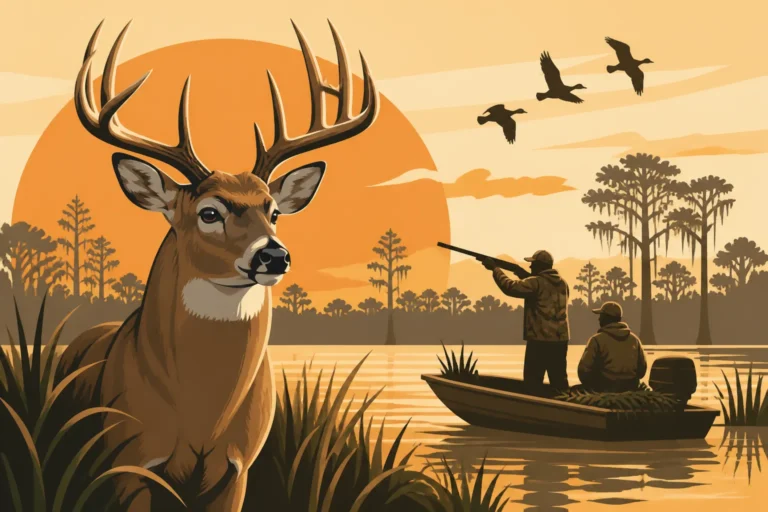
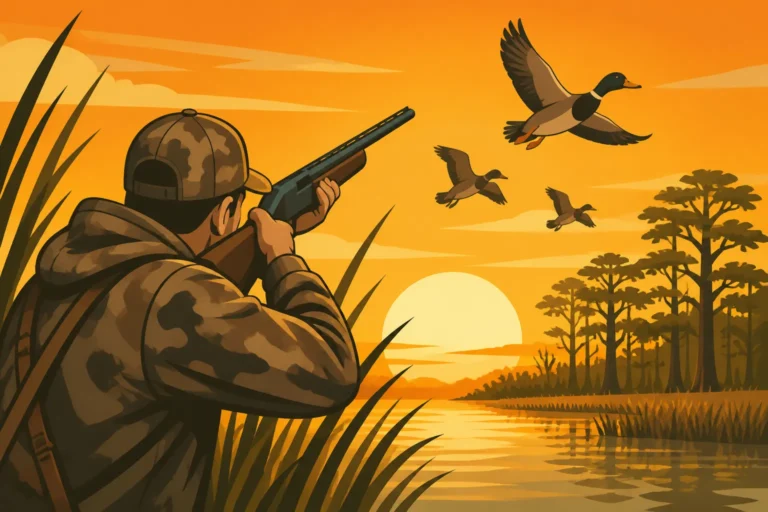
There’s something truly special about spending a week immersed in the Mississippi outdoors, shifting from one pursuit to another. One day you might be sitting quietly in a deer stand, the next you're calling a gobbler, and later in the week, you could be slogging through flooded timber after ducks. It’s an experience that really showcases the rich tapestry of hunting opportunities we have here, offering a dynamic and engaging challenge that a single-species hunt often can't match.
Why Mississippi is a Prime Multi-Species Destination
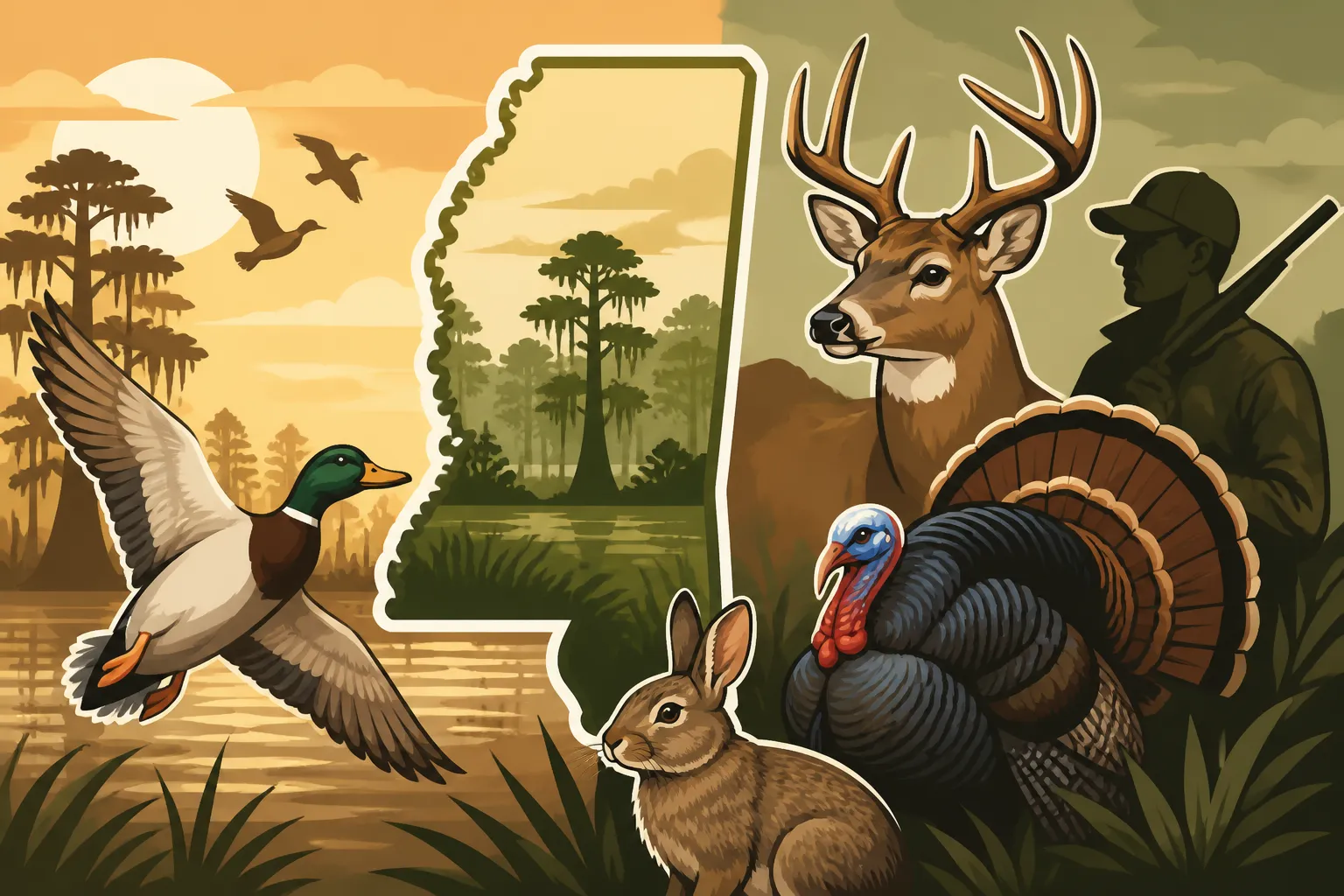
Mississippi’s unique geography and diverse ecosystems make it an incredible playground for hunters wanting to chase more than one game animal in a single trip. We've got the vast, fertile bottomlands of the Delta, home to big deer and migratory waterfowl. Then there are the rolling hills and pine forests of the central and eastern parts of the state, holding healthy deer and turkey populations. Down south, you'll find longleaf pine savannas and coastal marshes. This variety means that within a relatively short drive, you can transition between drastically different habitats and, consequently, different hunting experiences. It's not uncommon for someone to hunt deer in the morning and switch to squirrels or hogs in the afternoon, or spend a couple of days on deer then finish the week pursuing ducks. The sheer density and variety of game, from White-Tailed Deer Across Mississippi to Wild Turkeys in Mississippi and Mississippi Waterfowl on the Mississippi Flyway, makes it a top-tier destination.
Common Multi-Species Combinations
While you could theoretically try to hunt everything under the sun, most hunters find success by focusing on a few compatible species. The most popular combinations often revolve around overlapping seasons and similar habitat types. For example, late fall and early winter are prime times when you can often combine deer hunting with various small game or even some early duck opportunities, especially in the Delta. Spring, of course, is dominated by turkey, but it’s also a fantastic time for Hunting Mississippi's Year-Round Feral Hogs.
Here are some of the more practical and popular multi-species hunt combinations that work well in Mississippi:
| Combination | Peak Season Overlap | Primary Habitat | Gear Overlap Potential |
|---|---|---|---|
| Deer & Feral Hogs | Fall/Winter (Deer season) | Woodlands, Ag Fields | High (Rifle/Bow, stand) |
| Deer & Small Game (Squirrel/Rabbit) | Fall/Winter (Deer/Small Game) | Hardwood Forests, Brush | Medium (Firearm, warm clothes) |
| Deer & Waterfowl | Late Fall/Early Winter | Delta bottomlands, fields | Low (Different firearms, clothing) |
| Turkey & Feral Hogs | Spring (Turkey season) | Mixed woods, ag fields | Medium (Shotgun/Bow, calls) |
| Waterfowl & Feral Hogs | Winter (Duck season) | Flooded fields/timber, marsh | Medium (Shotgun, boat) |
| Predator (Coyote) & Any | Year-round (Any season) | All habitats | High (Firearm, calls) |
These combinations are often what outfitters specialize in, too, because they understand the seasonal flows and logistics. For instance, many Delta lodges will offer deer and duck combos because the habitat for both is so intertwined in that region.
Planning Your Multi-Species Adventure: Key Considerations
Diving into a multi-species hunt without careful planning is like trying to build a house without a blueprint—it’s probably going to fall apart. You're juggling different regulations, gear requirements, and physical demands, so a solid strategy is absolutely essential.
Season Overlaps and Legalities
This is arguably the most critical aspect of planning. Mississippi has distinct seasons for different game animals, and understanding where they overlap is paramount. You can't just decide to hunt deer and turkey in the same week if their seasons don't align. Our deer seasons vary by unit, and then you have separate muzzleloader, archery, and gun windows. Mississippi Deer Season Structure Explained is a great place to start, as is Mississippi Spring Turkey Season Rules for gobblers. Hogs, thankfully, are year-round on private land, which makes them a flexible add-on to almost any trip.
Always check the current Mississippi Department of Wildlife, Fisheries, and Parks (MDWFP) regulations. This includes not just season dates, but also bag limits, legal methods of take, and any specific unit restrictions, like the Delta Unit Antler Restriction Rules. Don’t forget your licensing requirements either; a Mississippi Resident Sportsman's License or appropriate nonresident permits will be needed. You definitely don’t want to be caught unprepared, potentially risking a fine or, worse, losing your hunting privileges.
Physical Demands and Logistics
A multi-species hunt can be physically taxing. For example, a morning duck hunt often involves wading through mud and cold water before daylight, followed by a long, wet sit in a blind. Transitioning directly into an afternoon deer hunt from a stand, or trying to cover ground for hogs, requires a lot of stamina and adaptability. Consider the terrain: a Delta duck hunt is vastly different from still-hunting ridges in the Hills Unit.
Logistically, you'll be managing more gear. Shotguns for ducks, rifles or bows for deer, turkey calls, waders, treestands—it all adds up. Think about how you’ll transport everything, keep it organized, and maintain it throughout the week. If you're going self-guided, this can mean a lot of packing and unpacking, switching vehicles or even setting up different camps. An outfitter can often mitigate some of this, but even then, you need to be prepared for the demands of the different hunts.
Budgeting for a Diverse Hunt
Let's be real: hunting multiple species usually means multiple expenses. You'll have various licenses and permits, more specialized gear, and potentially higher outfitter fees if you choose a package designed for multi-species. If you’re going the self-guided route, think about increased fuel costs for moving between different public lands or scouting different areas.
When considering a guided trip, expect the cost to reflect the added complexity. A multi-species package often involves more guide time, different equipment setups, and access to varied properties. It's an investment in a richer experience, but it’s crucial to understand what you’re paying for. Always ask outfitters for a detailed breakdown of what's included in their multi-species packages, from meals and lodging to specific guide services for each game type. Tools like BookYourHunt can sometimes help you compare packages, but direct communication is always best.
Finding the Right Outfitter for Your Multi-Species Week
For many hunters, especially those traveling from out of state or those short on time, an outfitter is the key to a successful multi-species week. They handle the scouting, have access to prime ground, and most importantly, understand the complex dance of seasons and regulations.
Vetting Outfitters with Multi-Species Expertise
Not all outfitters are created equal, and not all specialize in multi-species hunts. Some are fantastic deer guides, but might only offer hog hunting as a side note. Others might excel at waterfowl but have limited access for turkey. When you're looking for a multi-species trip, you need to find an outfitter who genuinely specializes in the combinations you're interested in.
Start by looking for guides who explicitly advertise multi-species packages. Don't be shy about asking direct questions: How many deer stands do they have compared to duck blinds? Do they run separate guide teams for different species, or does one guide handle everything? What’s their track record for each species? Websites like GoHunt might list outfitters, but dig deeper into their specific offerings. Check reviews, and always, always ask for references from past clients who booked similar multi-species trips. This is where you'll get the real scoop on their capability to deliver a diverse hunt. You can also get a sense of what to look for by reading Vetting a Mississippi Outfitter Before You Book.
Customized Packages vs. DIY Combinations
Outfitters often offer structured packages, which can be a huge relief. These usually come with set days for each species, all the necessary gear (besides your personal firearm/bow), meals, and lodging. This "all-inclusive" approach can simplify your planning immensely. For instance, a "Delta Slam" package might include two days of deer hunting and two days of duck hunting, with travel time factored in. This is generally the easiest route for a smooth, high-opportunity multi-species experience.
However, some outfitters might be willing to customize a week for you, especially if you have specific preferences or a unique combination in mind. Be prepared that customization might come at a different price point, and you'll need to clearly communicate your expectations.
If you're considering a totally DIY multi-species trip on public land, understand the significant challenges. You'll be responsible for all scouting, understanding different regulations for various WMAs and national forests, carrying all your gear, and managing all logistics. It's a huge undertaking that requires extensive preparation, often spanning months. However, the reward of a self-planned successful multi-species hunt on public land is incredibly satisfying. Scouting Mississippi Public Land Before Season is an excellent resource if you're leaning this way.
Asking the Right Questions
When talking to potential outfitters, don't hold back. You're investing significant time and money, so clarity is key. Here are some essential questions to ask:
- What are the specific dates for each species hunt within the package? (Confirm alignment with legal seasons).
- What is the daily schedule like? (e.g., Morning ducks, afternoon deer, or dedicated days for each?)
- What firearms/bows are recommended/required for each segment?
- What type of lodging and meals are provided?
- Are licenses and permits included in the price, or do I purchase them separately? (Usually, you purchase separately, but confirm).
- What is the guide-to-hunter ratio for each species?
- What is the success rate for each species on multi-species hunts? (This can be different from single-species hunt success rates).
- What happens if weather impacts one of the hunts? (e.g., Water levels for ducks, heavy rain for deer).
- What are the arrangements for game processing and taxidermy? (Do they assist, or do you handle it all?) You can learn more about this by asking Do Guided Hunts Include Processing?.
- Are there any hidden fees, like trophy fees for bigger bucks, or fuel surcharges?
- What is the deposit and cancellation policy?
Getting these answers upfront will prevent unpleasant surprises and ensure your expectations align with what the outfitter can realistically deliver.
Practical Tips for a Successful Multi-Species Week
Once you've booked your trip, it's time to focus on making the most of your multi-species week. Preparation here goes beyond just packing clothes; it's about strategy and endurance.
Gear Management and Packing
This is where a multi-species hunt can become a headache if you're not organized. You might need different layers for a cold duck blind than for a brisk deer stand walk. Waders for ducks, quiet camo for deer, specific calls for turkeys, and possibly thermal gear for hogs at night.
Pro-Tip: Use clear, separate bins or bags for each species' specialized gear. Label them clearly. This makes it easy to grab your "Duck Gear Bag" on a waterfowl morning and your "Deer Stand Pack" for an afternoon sit. Think about versatile items: good base layers work for all hunts, as do quality boots (though you might need waders in addition). Consolidate where possible, but don't compromise on essentials for each distinct hunt. And remember to bring adequate cleaning supplies for all your firearms.
Maintaining Energy and Focus
A week-long, multi-species hunt can be draining, both physically and mentally. Early mornings, late nights, diverse physical activity, and constant vigilance all add up. Don't try to sprint through the whole week.
- Pace Yourself: If you have an option for an afternoon off, take it. A nap or just some quiet time can recharge you for the next day.
- Stay Hydrated and Fuelled: Pack snacks and plenty of water. It's easy to forget when you're focused on the hunt, but good nutrition keeps your energy up and your mind sharp.
- Listen to Your Guide (and Your Body): Outfitters are used to the grind; follow their lead on pacing. If they suggest a lighter day, it's often for a good reason. And if your body is screaming for a break, don't ignore it. You want to enjoy the entire week, not just the first two days. Physical Demands of a Delta Duck Hunt and Physical Demands of a Delta Deer Hunt give you a good idea of what to expect.
Post-Hunt Logistics: Processing and Transport
Bringing home game from multiple species requires forethought. If you've tagged a deer, a few hogs, and some ducks, that's a lot of meat to process and transport.
- Field Dressing: Know how to quickly and cleanly field dress each animal. Your guide will likely assist, but being prepared yourself is always best, especially for quick transitions. Field Dressing a Deer in Warm Weather is always a good skill to have, even if it's cold.
- Cooling and Storage: Ensure your outfitter has adequate cooler space for multiple animals. If you're self-guided, you'll need large coolers, ice, and possibly even dry ice for the journey home.
- Butchering and Packaging: Discuss with your outfitter if they offer basic butchering or have partnerships with local processors. Many guides will cape a trophy animal for taxidermy, but full processing might be an add-on. For the journey home, proper packaging (vacuum-sealing is ideal) is crucial to preserve quality. Consider Shipping Game Meat Home After a Mississippi Hunt if you're flying.
A multi-species hunt in Mississippi is an unforgettable experience, a real testament to the rich hunting heritage of our state. With careful planning and the right approach, you can turn that ambitious idea into a truly rewarding adventure.
Disclaimer
This article is for general informational purposes only and does not constitute professional advice. Laws, prices and regulations vary by location and change over time. Consult a qualified professional for guidance on your specific situation.