Mississippi Outfitters on the Gulf Coast
Hunting along Mississippi's stunning Gulf Coast offers a different kind of wild experience than the dense bottomlands of the Delta or the rolling hills up north. But finding a reputable outfitter who truly understands the nuances of coastal hunting can feel like searching for a needle in a haystack amidst the sea and sand. This guide will walk you through the unique opportunities, challenges, and most importantly, how to connect with the right guides who can unlock the hidden hunting gems of Mississippi's beautiful southern edge.
Understanding Hunting Opportunities on the Mississippi Gulf Coast
When most people think of hunting in Mississippi, their minds often drift to giant Delta bucks or booming spring gobblers. However, the Gulf Coast region presents its own unique tapestry of hunting opportunities, driven by its distinct blend of coastal marshes, tidal rivers, pine forests, and agricultural edges. It's not always about trophy whitetails, but rather diverse and often fast-paced action.
Waterfowl Hunting the Coastal Marshes and Bayous
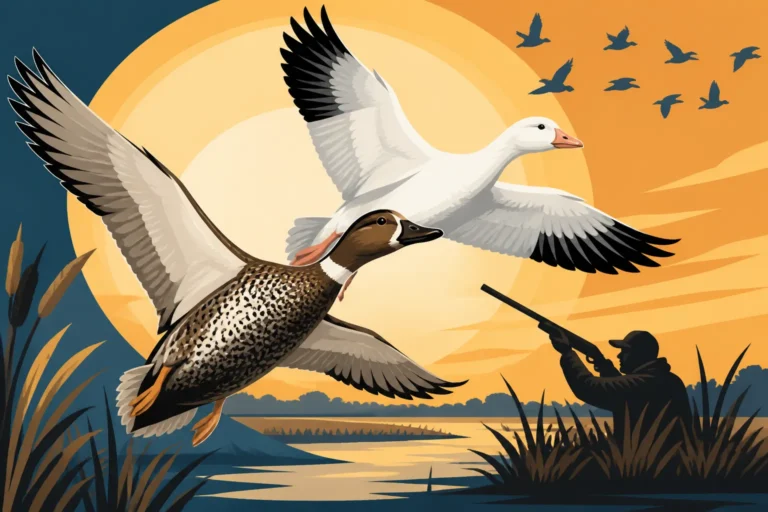
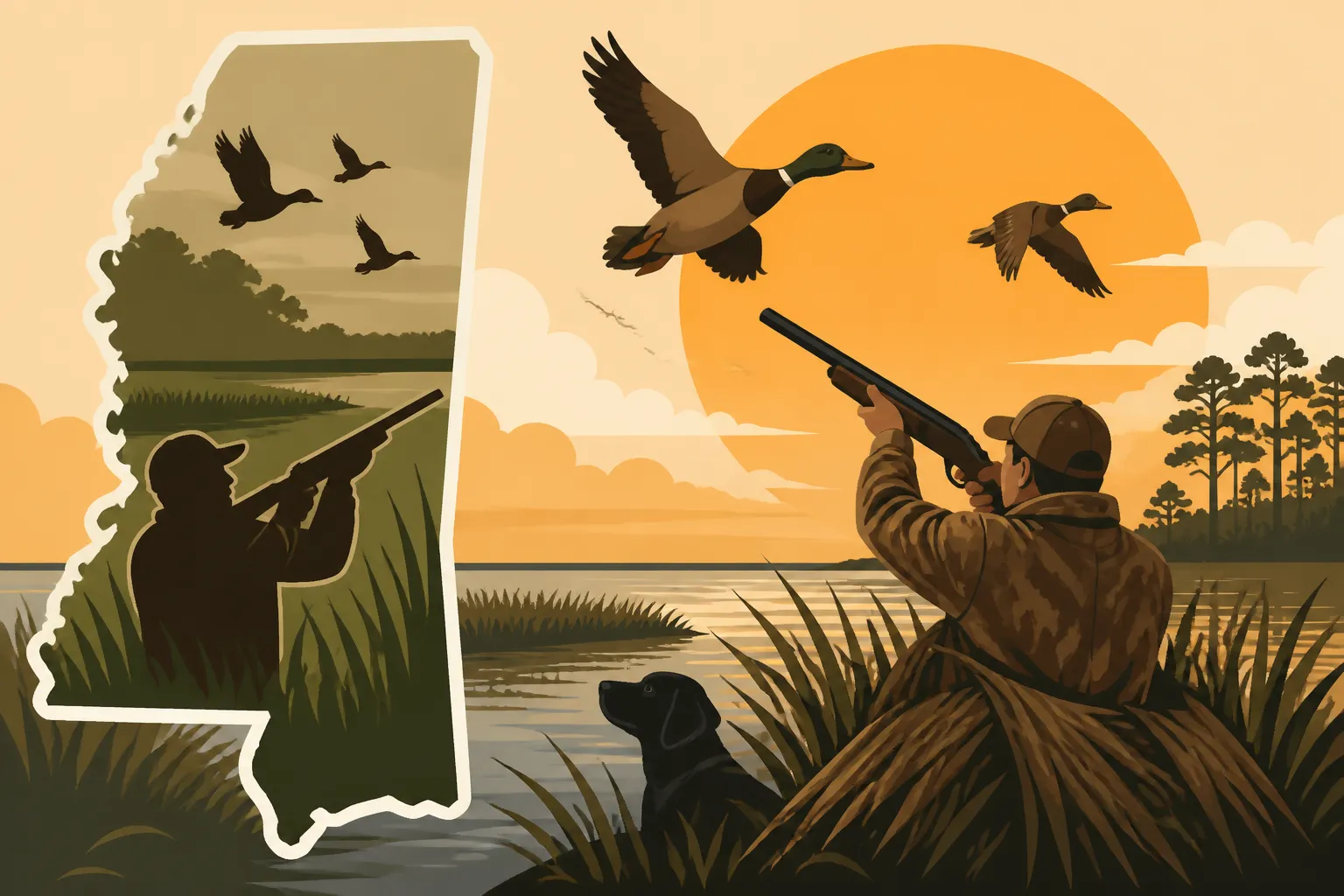
The Mississippi Gulf Coast is a crucial wintering ground and migration corridor for a variety of waterfowl, especially across the vast marshlands and intricate bayou systems. While not always boasting the sheer numbers of mallards found in the Delta's flooded timber, hunters can find excellent opportunities for species like gadwall, blue-winged teal, green-winged teal, wigeon, and sometimes even mottled ducks, which are year-round residents. The hunt often involves navigating shallow waters by boat, setting out decoys in expansive marsh ponds, or pass-shooting birds flying between feeding and roosting areas. It's a challenging but rewarding environment, where understanding tides and bird behavior is paramount. Many local guides specialize exclusively in these unique duck and goose hunts, utilizing shallow-draft boats and expert calling to bring birds into range. You'll find that these hunts often require specialized gear for the salty or brackish water environments. Mississippi Waterfowl Zones and Seasons can give you a deeper look at the calendar for these coastal birds.
Feral Hog Hunting in Bordering Pine Forests and River Bottoms
While the Delta gets a lot of attention for its hog populations, the pine forests, river bottoms, and agricultural fringes just inland from the Gulf Coast also harbor significant numbers of destructive feral hogs. These intelligent animals thrive in the mixed habitat, finding cover in the dense pine thickets and feeding in nearby fields. Hunting hogs here can range from still-hunting and stalking through the woods to setting up bait sites or using thermal imaging for exciting night hunts. Given the year-round open season and generous limits, hog hunting offers a thrilling experience when other seasons are closed. It's a great way to contribute to local land management while also putting some wild pork in the freezer. Mississippi Feral Hog Regulations outlines the rules for pursuing these prolific animals.
Small Game and Upland Bird Prospects
Beyond waterfowl and hogs, the transitional zones between the coast and the deeper Piney Woods region can offer some quality small game hunting. Rabbits are plentiful in thick briar patches, fencerows, and brushy areas, often hunted with beagles for a classic Southern experience. Squirrels are also common in the hardwood pockets along rivers and creeks that feed into the coastal plain. While native bobwhite quail populations have faced challenges, some private landowners and conservation efforts are working to restore habitat, offering limited but exciting opportunities for those who cherish the explosive flush of a covey. Finding a guide specifically for quail might be tougher than for ducks or hogs, as most quail efforts are highly localized on private land. You might check Mississippi Small Game Season Rules for specific dates on these opportunities.
The Unique Challenges of Coastal Mississippi Hunting
Hunting the Mississippi Gulf Coast isn't just a change of scenery; it presents a distinct set of challenges that can make finding the right outfitter even more critical. Unlike the vast timber tracts of national forests or the sprawling farmlands of the Delta, coastal hunting often involves navigating intricate ecosystems and landowner dynamics.
Navigating Dynamic Marsh and River Environments
The coastal marshes are a labyrinth of tidal creeks, shallow ponds, and ever-changing water levels. A hunter unfamiliar with these dynamics can quickly find themselves stuck, lost, or simply in the wrong spot as the tide shifts. Outfitters specializing in waterfowl here have intimate knowledge of these areas, understanding how water movement affects bird activity and accessibility. They know which boat launches are usable at different tides, where the deeper channels are, and the precise timing needed to get to a blind and set decoys before the birds start flying. The salt and brackish water also demand specialized, corrosion-resistant equipment, from boats to decoys, which can be an investment many casual visitors aren't prepared to make. Hunting the Mississippi Gulf Coast provides more context on the general terrain.
Limited Large-Scale "Big Game" Outfitting
While deer are certainly present throughout the coastal counties, the region isn't typically known for the large, sprawling deer camps or trophy-focused deer outfitters common in the Delta or Hills units. Much of the deer hunting is done on smaller private tracts, family lands, or limited public lands that might not support the kind of commercial guiding operation seen elsewhere. This means that if your primary goal is a guided deer hunt, you might have to broaden your search to areas further inland, such as the Piney Woods region, where contiguous timberland offers better opportunities for guided operations focusing on whitetails. Don't go to the Gulf Coast expecting to find dozens of deer outfitters lining up.
Finding Reputable Guides with Local Access
Because of the fragmented land ownership and specialized nature of coastal hunts (especially waterfowl), finding a reputable guide with legitimate land or water access can be more challenging. Many excellent guides operate on a smaller, word-of-mouth basis rather than large, advertised commercial operations. This means you need to do your homework to ensure they have the proper licenses, insurance, and the necessary permits or permission for the specific areas they hunt. Simply showing up and expecting to find an open guide for a prime spot is often unrealistic, especially for duck season.
Finding and Vetting Outfitters for Gulf Coast Hunts
So, how do you cut through the noise and find that perfect coastal guide who can make your Mississippi hunting trip a success? It requires a bit of research, some pointed questions, and a clear understanding of what you're looking for.
Starting Your Search: Online Resources and Word-of-Mouth
Begin your search online. Platforms like BookYourHunt can be a great starting point, as they often list guides and outfitters by region and species, giving you a centralized place to compare options and read reviews from previous clients. You might also find outfitters listed on state tourism sites or through hunting forums dedicated to Mississippi. Don't underestimate the power of word-of-mouth; asking fellow hunters who have experience in the area can lead you to a hidden gem. If you know anyone local, they might have specific recommendations for guides that aren't widely advertised. Once you have a few names, you can dig deeper into their online presence.
Key Questions to Ask Potential Guides
When you contact an outfitter, come prepared with a list of questions. Don't be shy; a good guide expects them. Here’s a table of essential inquiries:
| Category | Key Questions to Ask | Why It Matters |
|---|---|---|
| Experience | How long have you been guiding in this specific area? | Ensures deep local knowledge, not just general hunting experience. |
| Access | What properties or water bodies do you primarily hunt? Do you have written permission/leases? | Verifies legal access and the type of terrain you'll be hunting. |
| Target Species | What species do you specialize in for coastal hunts? | Confirms their expertise aligns with your desired game (e.g., ducks, hogs). |
| Logistics | What is a typical day's schedule? What equipment do I need to bring? | Helps you prepare and understand the physical demands and gear requirements. |
| Group Size | What is your maximum group size? Will I be hunting with others? | Manages expectations for a private or shared hunting experience. |
| Included/Excluded | What's included (e.g., decoys, calling, blind, meals) and what's not (e.g., license, processing)? | Avoids surprises regarding costs and services. |
| Success Rates | What were your typical success rates last season for this hunt? | Provides a realistic expectation of harvest opportunities, but don't expect guarantees. |
| References | Can you provide references from recent clients? | Allows you to verify claims and get firsthand accounts. |
| Contingency | What happens if weather makes hunting impossible? | Understands cancellation/reschedule policies for unavoidable circumstances. |
You'll also want to confirm their licensing and insurance. A reputable guide should be able to provide proof. Platforms like GoHunt often have client reviews that can offer insights into a guide's professionalism and success rates, giving you another layer of vetting.
Red Flags and What to Watch Out For
Be wary of guides who seem overly evasive about their access, refuse to provide references, or promise "guaranteed" trophies, especially for wild, free-ranging game. If a deal seems too good to be true, it probably is. Also, ensure their communication style aligns with your expectations. A lack of responsiveness or vague answers can be a sign of disorganization. Always get your booking details and what's included in writing to avoid misunderstandings down the road. Remember, Vetting a Mississippi Outfitter Before You Book is a crucial step that can save you a lot of headache and disappointment.
What to Expect from a Gulf Coast Hunting Trip
Once you've done your homework and chosen an outfitter, it's time to set your expectations for the actual hunt. Coastal Mississippi hunts have their own rhythm and unique experiences that are different from other parts of the state.
Typical Hunt Packages and Inclusions
Most coastal outfitters will offer day hunts or multi-day packages. For waterfowl, a typical day might involve meeting before dawn, a boat ride to a marsh blind or designated hunting spot, setting decoys, and then hunting until late morning. Some packages might include lunch or even lodging if they have a dedicated camp. Hog hunts can vary from morning stalks to all-night thermal hunts, depending on the outfitter's specialization and your preference. It's rare for small game hunts to be fully outfitted unless combined with other activities. Always clarify exactly what equipment is provided (boat, decoys, calls, blinds, thermal optics) and what you are expected to bring (firearm, ammunition, waders, camouflage, appropriate licenses). Don't forget to ask about any specific Mississippi Blaze Orange Requirements if hunting certain species.
Logistics and Preparation for the Coastal Environment
Preparation for a coastal hunt is key. The weather can be unpredictable, ranging from chilly, damp mornings to surprisingly warm afternoons, even in winter. Layering your clothing is essential. Waterproof and windproof outer layers are a must, especially for waterfowl hunts where you'll be exposed to the elements on the water. Waders are often necessary for marsh hunts. Insect repellent is crucial, even in cooler months, as mosquitoes and other biting insects can be present. Be prepared for early mornings and potentially long days in the field. Your outfitter should provide a detailed packing list, but it's wise to consider extra items like dry bags for electronics, sunscreen, and plenty of water. Access to some hunting areas might involve off-road travel or long boat rides, so be prepared for some rugged journeys.
Ethical Hunting and Respecting the Ecosystem
Hunting the Gulf Coast means appreciating and respecting a fragile and beautiful ecosystem. Practicing ethical hunting, following all game laws, and respecting the environment are paramount. This includes proper waste disposal, minimizing disturbance to non-target species, and ensuring clean harvests. Your guide will be well-versed in local regulations, including specific bag limits, shooting hours, and any reporting requirements. It's crucial that you listen to their instructions and adhere to them. Moreover, remember to secure your Mississippi Resident Sportsman's License or the appropriate nonresident tags well in advance of your trip. The coast is a special place, and we all have a role in keeping it that way for future generations of hunters.
Disclaimer
This article is for general informational purposes only and does not constitute professional advice. Laws, prices and regulations vary by location and change over time. Consult a qualified professional for guidance on your specific situation.