Specklebelly and Snow Goose Guide Services
Hunting specklebelly and snow geese in Mississippi can be a truly incredible experience, but it’s also a pursuit fraught with unique challenges, especially for those unfamiliar with the vast Delta landscapes and the ever-shifting habits of these intelligent birds. This guide is here to shed light on what to expect from dedicated specklebelly and snow goose guide services, helping you navigate the complexities of booking and preparing for a successful hunt in the Magnolia State.
Why Guided Goose Hunts in Mississippi? Understanding the Challenge
Trying to locate and effectively hunt specklebelly and snow geese on your own in Mississippi, especially if you're not a local, can feel like trying to find a needle in a haystack. These birds are migratory and incredibly wary, constantly moving across massive agricultural fields and wetlands. Their patterns can change daily with weather fronts, harvest schedules, and hunting pressure. A guided hunt cuts through this uncertainty, offering you the local knowledge, extensive scouting, and specialized equipment that makes the difference between a frustrating day of glassing empty fields and a memorable hunt. Guides spend countless hours tracking bird movements, securing access to prime private land, and setting up the elaborate spreads necessary to bring these smart birds within range. Without that expertise, a self-guided goose hunt for these species can quickly become a lesson in humility.
The Elusive Specklebelly and Their Habits
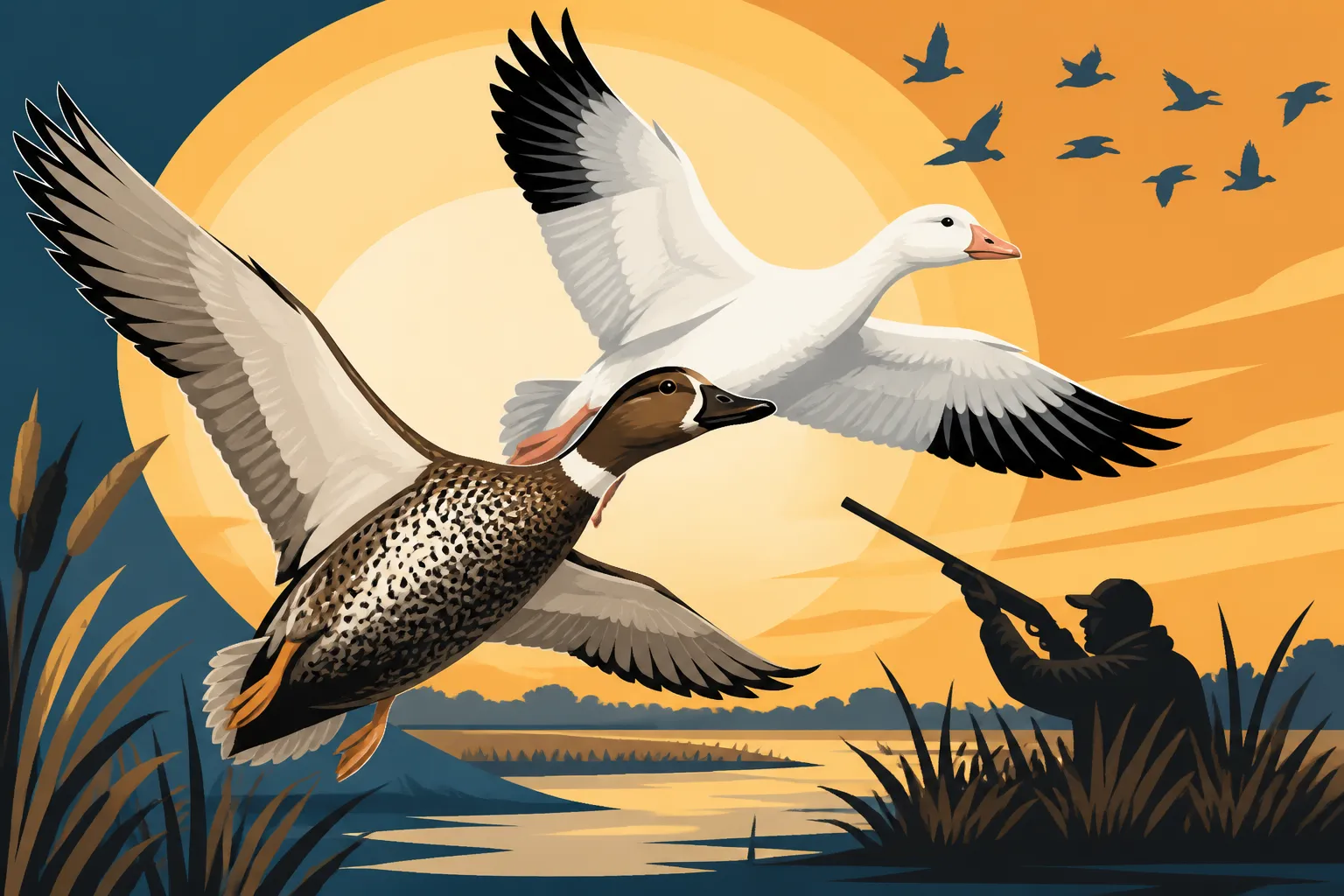
Specklebellies, or "specks" as they're affectionately called, are some of the most sought-after geese in Mississippi. They're known for their distinctive calls and, frankly, their delicious table fare. However, they are also incredibly intelligent and cautious birds, often much harder to decoy than their snow goose cousins. Specks tend to feed in smaller, tighter family groups, often preferring specific types of agricultural fields like rice, soybeans, or winter wheat. They don't tolerate sloppy hide work or poorly placed decoys.
A good guide service will have specific scouting programs dedicated to finding these birds, observing their flight paths, feeding habits, and preferred loafing areas. They'll know which fields were recently harvested and which ones are currently holding birds. Setting up for specks often involves very precise blind placement, subtle calling, and a decoy spread that looks utterly natural and inviting. Many guides in Mississippi focus heavily on specks because of their popularity and the genuine challenge they present, providing hunters with an experience centered on finesse and careful execution. Mississippi Waterfowl Migration Timing plays a huge role in when these birds arrive and depart, so timing your hunt is crucial.
Snow Goose Strategies: Dealing with the "White Devil"
Snow geese, often dubbed the "white devil" by seasoned hunters due to their extreme wariness and vast numbers, present an entirely different set of challenges. Unlike specks, snow geese often travel in massive flocks that can number in the thousands. When a flock of snow geese hits a field, it's a spectacle, but getting them to commit to a decoy spread is another matter entirely. They have an almost uncanny ability to spot anything out of place—a glint of metal, a human face, or even a slight color variation in the decoys.
Hunting snow geese effectively almost always requires massive decoy spreads, often numbering in the hundreds or even thousands of full-body, SilloSock, or windsock decoys. This kind of spread is a monumental undertaking that few individual hunters can manage on their own, both in terms of cost and logistics. Guides specializing in snow geese will have trailers full of decoys, powerful electronic callers (which are legal for snow geese in the conservation order), and specialized blinds like layout blinds that blend seamlessly into the field. Their strategies revolve around creating an irresistible beacon for these huge flocks, trying to pull them down through sheer volume and a convincing illusion. You can often find snow geese mixed in with Canada Geese on Mississippi Farmland as well, which adds another layer to the hunt.
What to Expect from a Mississippi Goose Guide Service
When you book a guided goose hunt in Mississippi, you're not just paying for access to private land. You're investing in the guide's expertise, their equipment, and their relentless effort to put you on birds. It’s a full-service experience designed to maximize your chances of success and minimize the logistical headaches. Most reputable guide services pride themselves on offering a seamless experience from start to finish, letting you focus on the shot.
Gear and Decoy Spreads Provided
The sheer volume of gear required for a successful goose hunt, particularly for snow geese, is staggering. A good guide service will provide virtually all the specialized equipment you need, alleviating the burden of hauling and setting up hundreds, if not thousands, of decoys. This includes:
- Decoys: For specklebellies, you'll see realistic full-body decoys and perhaps some shells, often arranged in natural feeding groups. For snow geese, expect an overwhelming array of SilloSocks, windsocks, and sometimes full bodies, all designed to mimic a huge feeding flock.
- Blinds: This is crucial. Guides will typically use low-profile layout blinds for field hunts, which allow hunters to remain completely concealed until it’s time to shoot. These blinds are brushed in with natural vegetation from the field, making them virtually invisible to incoming birds. For some situations, a pit blind or an A-frame blind might be used, but layout blinds are standard for field geese.
- Electronic Callers (for Snow Geese): For conservation order snow goose hunts, guides will employ high-volume electronic callers that broadcast a symphony of snow goose sounds, drawing in distant flocks.
- Scouting Vehicles: Guides are constantly on the move, burning fuel and putting miles on trucks and ATVs to find where the birds are feeding. This is an unseen but critical part of the service.
Imagine the back-breaking work of setting up 1,000 snow goose decoys before dawn, every single hunt. That’s what your guide handles, allowing you to simply arrive, get concealed, and enjoy the experience.
Typical Hunt Day Structure
A typical guided goose hunt day in Mississippi starts early. We're talking well before sunrise. Here’s a general rundown:
- Meet-up: You'll usually meet your guide at a predetermined location, often a gas station or a central point in the general hunting area, an hour or more before shooting light. This allows for last-minute instructions, signing waivers, and ensuring everyone has their licenses.
- Travel to the Field: From the meet-up, you'll travel in your vehicle or the guide’s vehicle (depending on the outfitter's policy) to the pre-scouted field. This can sometimes be a lengthy drive on rural roads.
- Blind Setup/Getting Settled: If the decoys aren't already out, you might assist with setting up a few, but mostly, you’ll be getting into your layout blind or other concealment. The guide will ensure everyone is safely and effectively hidden.
- The Hunt: Once shooting light arrives, it’s game on. The guide will handle the calling (or manage the electronic callers), communicate bird movements, and direct when to shoot. This can involve intense flurries of action followed by periods of quiet observation. It’s important to follow the guide’s instructions precisely, as their experience with these birds is invaluable.
- Bird Retrieval: After each volley, retrieve downed birds promptly. Some guides use retrievers, which is always a treat to watch.
- Break/Lunch (Optional): Depending on the outfitter and the birds' activity, some hunts might include a break for a snack or light lunch in the field, or you might hunt until limits are reached or birds stop flying.
- Decoy Breakdown/Departure: Once the hunt concludes, everyone assists in picking up decoys, which can be just as much work as setting them out! After everything is packed up and the birds are tallied, you'll head back to the meet-up spot or process your birds at a designated cleaning station. Remember to check Mississippi Duck and Goose Bag Limits beforehand.
Choosing the Right Goose Outfitter
Selecting a goose outfitter can feel overwhelming with all the options out there. It's not just about finding someone with decoys; it's about finding a guide who is ethical, knowledgeable, safe, and whose hunting style matches your expectations. Taking the time to properly vet potential guides will save you a lot of headache and ensure you have the best possible experience.
Key Questions to Ask Prospective Guides
Don't be shy about asking questions. A reputable guide will welcome them. Here are some critical inquiries:
- "What's your typical success rate for specklebellies or snow geese?" Be wary of guarantees. Hunting is hunting, and nothing is guaranteed, but they should be able to speak to average harvest numbers or opportunities.
- "How do you scout? How far in advance do you typically find birds?" This gives you insight into their dedication. Good guides are scouting daily, often even during the hunt, to ensure fresh information.
- "What kind of decoy spread do you use for X species?" Understanding their equipment helps gauge their commitment. For snow geese, the answer should involve hundreds, if not thousands, of decoys.
- "What's your typical group size?" Some prefer smaller, more intimate hunts, while others cater to larger parties. Make sure it aligns with your preference.
- "What's included in the price, and what's not?" Clarify if meals, lodging, bird cleaning, or licenses are extra. This helps prevent sticker shock later on.
- "What's your policy if the weather is unfavorably bad, or if there are no birds?" Reputable guides often have contingency plans, like rescheduling or offering a credit.
- "Do you provide any assistance with licenses, stamps, or HIP certification?" While it's ultimately your responsibility, guides can often point you in the right direction. Remember, you'll need your Mississippi Federal Duck Stamp Requirement and to complete your Mississippi HIP Certification for Bird Hunters.
- "What are the payment terms, and what's your cancellation policy?" Understand deposits, final payments, and what happens if you need to cancel.
Researching Outfitter Reputations
Beyond direct questions, doing your homework is crucial. The hunting community is tight-knit, and reputations matter.
- Online Reviews and Forums: Look for reviews on platforms like Google, Facebook, and hunting-specific forums. Pay attention to recurring themes, both positive and negative. How does the outfitter respond to feedback?
- Booking Platforms: Sites like BookYourHunt and GoHunt often feature listings for Mississippi goose guides. These platforms frequently include client reviews and detailed information about what’s offered, providing a consolidated place to compare options. They can also provide a layer of vetting that individual websites might not.
- References: Ask the guide for references from past clients. A good guide will be happy to provide contact information for hunters who can speak to their experience. Call these references and ask specific questions about the hunt, the guide's professionalism, and whether they would book again.
- Social Media: Check out their social media presence. Are they actively posting scouting reports and photos from successful hunts? This can give you a real-time sense of their operation and the caliber of their hunts. However, remember that social media often shows only the highlights, so take it with a grain of salt.
Cost Considerations for Guided Goose Hunts
Guided hunts are an investment, and the cost can vary widely depending on the outfitter, the duration of the hunt, and what's included. Understanding the pricing structure and what you're paying for is key to setting realistic expectations and avoiding unexpected expenses.
Understanding Day Rates vs. Package Deals
Most Mississippi goose guides offer two primary pricing models:
- Day Rates: This is a fee per hunter for a single day of hunting. It typically covers the guide's time, equipment, land access, and the hunt itself. Meals, lodging, bird processing, and licenses are almost always extra with day rates. This is a good option if you have your own lodging arrangements, prefer to bring your own food, or are just looking for a single-day experience.
- Package Deals: These are multi-day hunts that often include lodging, some meals, and sometimes bird cleaning services. They are generally more comprehensive and offer better value if you're traveling from out of state or want a hassle-free, all-inclusive experience. A package might be "two days hunting, three nights lodging, all meals included." Be sure to clarify exactly what "all-inclusive" truly means. For instance, What's Included in an All-Inclusive Deer Package can give you a comparative idea of how comprehensive these packages can be across different species.
Generally, guided goose hunts in Mississippi will involve similar cost structures to other guided waterfowl or deer hunts, but the specifics for goose hunting (like the sheer number of decoys and intensive scouting) mean the pricing is competitive for the value delivered.
What's Usually Included (and What's Not)
While specifics vary between outfits, here’s a general breakdown of what to expect:
| Item | Typically Included in Price | Often an Extra Cost or Your Responsibility |
|---|---|---|
| Guide's expertise & time | Yes | |
| Decoys | Yes | |
| Blinds | Yes | |
| Land Access | Yes | |
| Electronic Callers | Yes (for Snow Geese) | |
| Bird Calling (manual) | Yes | |
| Transportation to field | Often | Sometimes, you drive your own vehicle |
| Lodging | Package Deals Only | Day Rates |
| Meals | Package Deals Only | Day Rates |
| Bird Processing/Cleaning | Sometimes | Often, or for a fee |
| Hunting License | No | Yes (your responsibility) |
| State & Federal Stamps | No | Yes (your responsibility) |
| Ammunition | No | Yes (your responsibility) |
| Waders/Outerwear | No | Yes (your responsibility) |
| Shotgun Rental | Rarely | Sometimes available for a fee |
| Tips for Guide | No | Yes (expected, see below) |
Always get a written quote that clearly outlines what is and isn't included. Don't assume anything. Remember, How Much to Tip a Duck Guide and Retriever Handler is an important part of the experience, as tips are a significant portion of a guide's income for a job well done.
Preparing for Your Mississippi Goose Hunt
Preparation is key to enjoying your guided hunt to the fullest. While the guide handles the heavy lifting, your personal gear, physical readiness, and understanding of regulations are still critical.
Essential Personal Gear and Clothing
Mississippi weather can be notoriously unpredictable, especially during the waterfowl seasons. Dress in layers!
- Warm, Waterproof Outerwear: A good quality waterproof and windproof jacket and pants are essential. You'll be sitting in fields, potentially in rain, sleet, or strong winds.
- Layering System: Start with a moisture-wicking base layer, add insulating layers (fleece or down), and finish with your outer shell. You can always shed layers if it warms up.
- Waterproof Boots: Muck boots or similar waterproof insulated boots are a must. Fields can be muddy, wet, or even have standing water.
- Headwear and Gloves: A warm hat and waterproof gloves are critical for staying comfortable in cold, wet conditions. Hands and head lose heat quickly.
- Camouflage: Break-up patterns are usually fine, but ensure your camo blends with an agricultural field environment (tans, browns, drab greens). Many guides also provide specialized outer garments to match their blinds.
- Shotgun: A reliable 12-gauge shotgun is standard. Bring one you're comfortable shooting.
- Ammunition: Bring plenty of steel shot (or other non-toxic shot) in sizes like BB, 1, or 2, specifically rated for geese. Your guide can advise on specific loads. Remember, it's non-toxic shot only for waterfowl.
- License and Stamps: Don't forget your Mississippi hunting license, federal duck stamp, and HIP certification. Carry physical copies or clear digital proof on your phone. Booking a Mississippi Hunt as a Nonresident means understanding these requirements well in advance.
- Snacks and Drinks: Small, easily accessible snacks and a thermos of coffee or water can make a long morning more comfortable.
- Headlamp: Essential for getting to and from the blind in the dark.
Physical Demands and Expectations
While a guided hunt reduces much of the labor, it's not entirely sedentary.
- Walking: You'll likely have to walk some distance across potentially uneven, muddy, or frozen agricultural fields to reach your blind.
- Carrying Gear: You'll be carrying your shotgun, ammunition, backpack, and possibly your birds back to the vehicle.
- Layout Blind Comfort: Lying in a layout blind for extended periods can be uncomfortable if you're not used to it. It requires getting in and out, shifting positions, and being ready to sit up quickly to shoot.
- Cold and Wet Conditions: Mental and physical resilience in adverse weather is important. Being prepared with the right gear will significantly improve your comfort.
If you have any physical limitations, discuss them with your guide before booking. They can often make accommodations, but it's vital they know upfront. For example, some outfitters might have specialized larger blinds or areas with easier access.
Understanding Mississippi Goose Regulations
Mississippi has specific regulations for hunting geese, which are crucial to understand and follow. Your guide will be well-versed in these rules, but as the hunter, you are ultimately responsible for knowing and adhering to them.
License and Stamp Requirements
Before you even step foot in a goose field, you need to ensure all your paperwork is in order.
- Mississippi Hunting License: You'll need a valid Mississippi hunting license. This can be a resident or nonresident license depending on your status. There are various options, including an all-game license or a specific small game/migratory bird license.
- Federal Duck Stamp: This is a mandatory purchase for all migratory bird hunters aged 16 and older nationwide. It’s an adhesive stamp you sign and carry with you.
- Mississippi State Waterfowl Stamp: In addition to the federal stamp, Mississippi requires its own state waterfowl stamp.
- Harvest Information Program (HIP) Certification: This is a free certification required annually for all migratory bird hunters. It's usually a quick questionnaire about your previous year's harvest that helps wildlife agencies gather data. You typically complete this when purchasing your license.
All these can often be purchased online through the Mississippi Department of Wildlife, Fisheries, and Parks (MDWFP) website or through authorized license vendors. It’s always a good idea to buy them well in advance to avoid any last-minute issues.
Bag Limits and Legal Shooting Hours
Mississippi's waterfowl seasons and bag limits are set by the MDWFP within federal frameworks.
- Bag Limits: These specify the maximum number of birds of a particular species you can harvest per day. Goose limits can vary for specklebellies versus snow geese (which have very liberal limits during the conservation order). Always check the current year's regulations for exact numbers. Your guide will certainly know these, but it's good for you to be aware.
- Possession Limits: This refers to the maximum number of birds you can have in your possession after multiple days of hunting, often three times the daily bag limit.
- Legal Shooting Hours: Generally, legal shooting hours for migratory birds begin 30 minutes before sunrise and end at sunset. Your guide will inform you of the exact timing for your hunt day. Shooting outside these hours is strictly prohibited.
- Special Seasons: Snow geese have a special "conservation order" season that often extends beyond the regular waterfowl season, with very high bag limits and specific rule relaxations like the use of electronic calls and unplugged shotguns. This season is specifically designed to reduce the booming population of Lesser Snow Geese.
Always consult the official MDWFP Hunting & Fishing Guide for the most up-to-date and accurate information on Mississippi Goose Season Dates and all other regulations. Ignoring these rules can lead to significant penalties, including fines and license suspension.
Disclaimer
This article is for general informational purposes only and does not constitute professional advice. Laws, prices and regulations vary by location and change over time. Consult a qualified professional for guidance on your specific situation.