Firearm Safety Rules on a Guided Group Hunt
There’s nothing quite like the thrill of a guided hunt here in Mississippi, whether you're chasing a Delta buck or calling a gobbler off the roost. But with the excitement of hunting alongside new folks and a professional guide comes the immense responsibility of firearm safety. Too often, hunters get caught up in the moment and forget the crucial rules that keep everyone safe. This guide is all about making sure your guided group hunt is not only successful but, more importantly, free from avoidable accidents, focusing specifically on critical firearm safety protocols.
The Foundation: Safety Before the Hunt Begins
Before you even step foot in the woods or blind, a guided group hunt requires a clear understanding of firearm safety. This isn't just about personal responsibility; it's about the collective safety of everyone in the party. A good guide will initiate this discussion, but every hunter should arrive prepared and informed.
Guide's Safety Briefing and Expectations
Any reputable guide service, whether you found them through a platform like BookYourHunt or a personal referral, will start your hunt with a mandatory safety briefing. This isn't just a formality; it's a critical component of a safe hunt. The guide should outline the specific rules for their property or hunting area, which might include designated safe zones, shooting lanes, and communication signals. They'll also typically cover the unique challenges of the terrain, like thick Mississippi bottomlands where visibility can be limited, or open piney woods that offer long shots but also demand careful backdrop awareness. Pay close attention, ask questions, and don't assume anything. This briefing is your chance to understand the group's specific safety protocols, which can sometimes differ slightly from what you're used to on solo hunts. The guide is the expert on the ground, and their word on safety is law.
Inspecting Your Firearm and Ammunition
Before the truck even leaves the lodge, take the time to inspect your firearm. Ensure it's clean, functional, and sighted in. A malfunctioning firearm is not only a missed opportunity but a potential safety hazard. Check your ammunition to confirm it's the correct caliber or gauge for your weapon and the game you're pursuing. On a guided hunt, you're often under a time crunch, but rushing this critical step can lead to big problems. If you're unsure about your firearm's condition or have any doubts, bring it up with your guide before the hunt starts. They might have a backup or be able to offer a quick check. Remember, firearms should always be unloaded until you're in the field and instructed by your guide, or reach your designated hunting position. This is a basic rule, but it’s often overlooked in the hustle and bustle of a group departing from camp. Many accidents happen during transit or staging, not just during the actual shooting.
Understanding Mississippi's Hunter Education Requirements
It's absolutely fundamental that everyone participating in a guided hunt has met Mississippi’s hunter education requirements. If you were born after January 1, 1972, you're required to complete a hunter education course before you can purchase a hunting license in Mississippi, unless you're hunting under the direct supervision of a properly licensed mentor through the Mississippi Apprentice Hunter License Rules. This course covers not just ethical hunting practices, but also, critically, firearm safety. Even if you've been hunting for decades, a refresher on core principles is never a bad idea, especially when hunting with others. Guides will often confirm this upfront when you book, but it's your responsibility to ensure you're compliant. Knowing the rules and understanding the mechanics of safe firearm handling is the bedrock of a safe group hunt.
In the Field: When the Action Starts
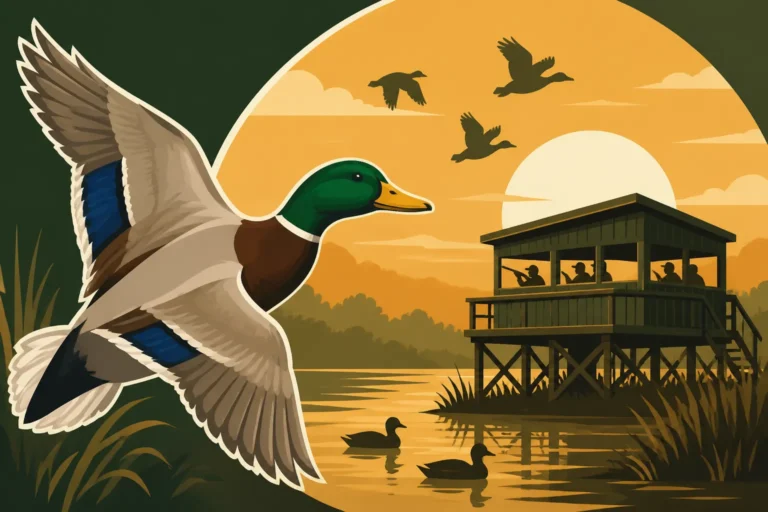
Once you're in your designated hunting area, whether it's a deer stand overlooking a food plot or a duck blind nestled in flooded timber, firearm safety becomes even more paramount. The excitement of game appearing can quickly lead to hasty decisions if you're not disciplined.
Muzzle Control and Zone of Fire
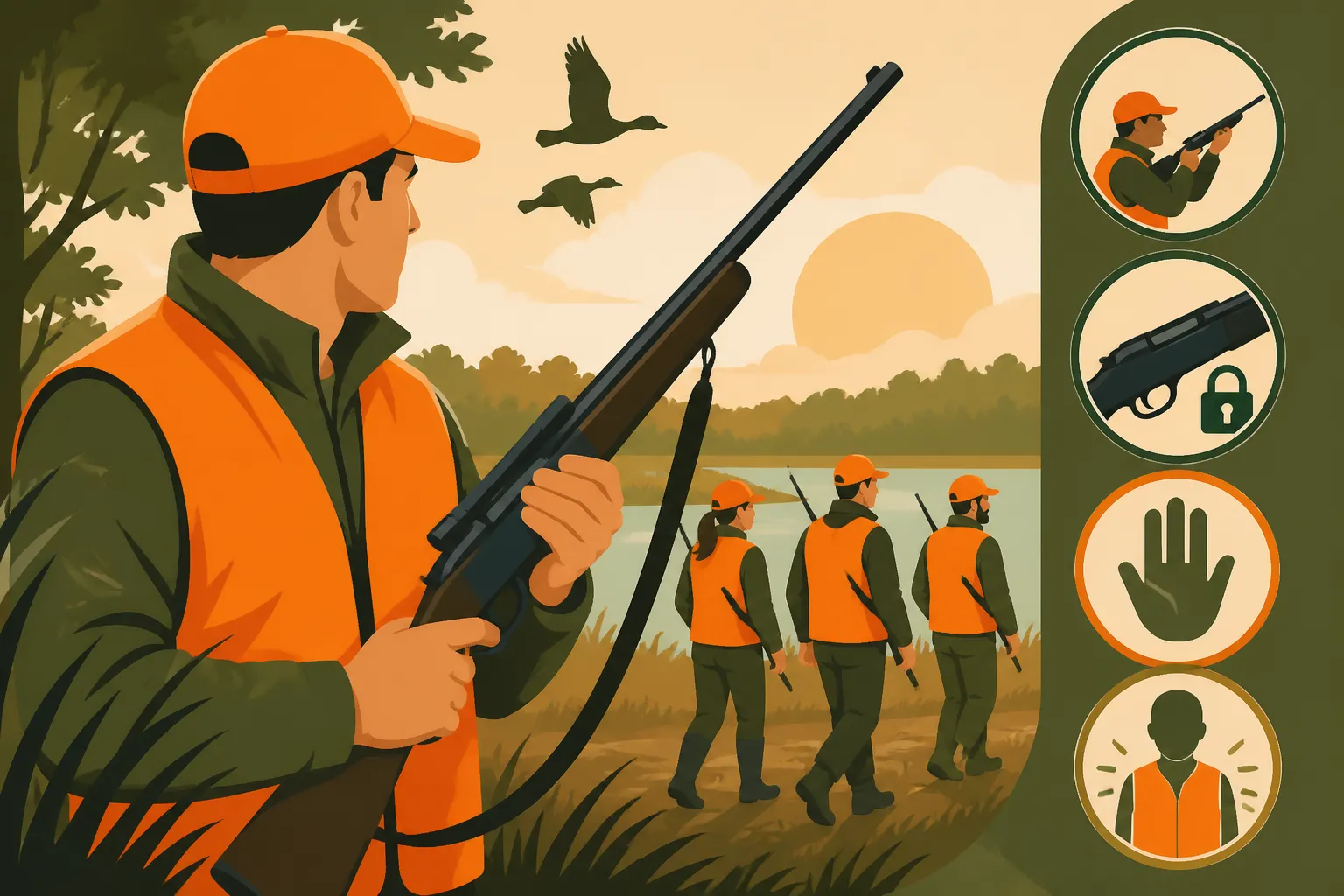
The number one rule that bears repeating constantly is absolute muzzle control. On a guided hunt, especially with multiple hunters in a blind or along a field edge, defining your "zone of fire" is crucial. Your guide will often set these boundaries, indicating where it is safe to swing your weapon and where it is not. This often means never pointing your muzzle at another hunter, the guide, or any dog. When walking, always carry your firearm in a way that the muzzle is pointed in a safe direction – typically up or down, depending on the terrain and proximity to others. Even when sitting, keep the muzzle clear and pointed away from your companions. Imagine a string attached to the end of your barrel; that string should never cross another person. In duck blinds, this might mean a specific gun rest or pointing your barrel straight up. For deer drives, where Deer Drives With Three or Four Hunters is a common tactic, hunters must be acutely aware of where others are at all times, making constant communication essential.
Identifying Your Target and Backstop
In a group setting, target identification takes on another layer of complexity. You're not just confirming it's legal game; you're also confirming it's your target and that you have a safe shooting lane. Never take a shot until you are absolutely certain of your target and what lies beyond it. This is where a good guide comes into play, helping to confirm targets or even calling the shot. When hunting deer, for example, Mississippi has specific antler restrictions in certain units, such as the Delta Unit Antler Restriction Rules or Hills and Southeast Unit Antler Restriction Rules, which require careful identification. On a duck hunt, quickly identifying species to meet bag limits like the Mississippi Duck Daily Bag Limit is key. Always use binoculars to confirm your target before raising your firearm. A solid backstop is essential; never shoot at an animal on the crest of a hill or where you can't see beyond it. Stray bullets can travel for miles, and on public lands, or even large private tracts, there could always be someone out of sight.
Safe Shooting Positions and Communication
When hunting in a group, especially when stalking or still-hunting, clear communication with your guide and fellow hunters is vital. Before moving, ensure everyone knows your intended direction. When you set up for a shot, consider your position relative to others. If you're in a blind, ensure everyone has enough space to safely shoulder their firearm without bumping another hunter or their weapon. For example, if you're Using a Ground Blind on Mississippi Public Land, make sure the shooting windows are clear and everyone has an assigned field of view. Hand signals or quiet verbal cues are often used to indicate game approaching, confirming a target, or signaling a safe shot. Never make assumptions. If you see game but are unsure of the safety of a shot, communicate with your guide. They are there to help ensure a safe and successful experience, and their judgment can prevent a dangerous situation.
Here's a quick checklist for firearm safety on a guided group hunt:
| Phase of Hunt | Key Safety Check | Action |
|---|---|---|
| Before the Hunt | Hunter Education Compliance | Ensure you meet Mississippi Hunter Education Requirements. |
| Firearm Inspection & Ammunition Check | Verify weapon is clean, functional, and ammo is correct caliber. | |
| Guide's Safety Briefing | Listen intently, ask questions, understand specific rules for the area/group. | |
| Unloaded Firearm | Keep all firearms unloaded until actively hunting, or instructed by guide. | |
| During the Hunt | Muzzle Control | Always point your muzzle in a safe direction, away from people. |
| Zone of Fire Awareness | Know your safe shooting lane and respect others'. | |
| Target & Backstop Identification | Positively identify your target and know what's beyond it before every shot. | |
| Communication | Use clear, quiet signals with guide and group members. | |
| After the Shot | Unload Immediately | Clear your firearm as soon as the shot is taken, or action is over. |
| Safe Carry | Carry unloaded firearm securely while tracking or moving. | |
| Retrieval Coordination | Work with guide on safe approach to downed game, especially in thick cover. |
Beyond the Shot: Safety After the Harvest
The moment a shot is fired, the immediate danger of a discharge might seem over, but new safety concerns arise. Retrieving game, especially larger animals like deer or hogs, often involves movement through dense cover and handling a still-loaded weapon if a follow-up shot is needed.
Unloading and Safe Carrying
As soon as your shot is taken, and certainly before you start moving to track or retrieve an animal, your firearm should be unloaded. This is a non-negotiable step. If you're using a semi-automatic, drop the magazine, clear the chamber, and lock the bolt back. For a bolt action, cycle the bolt to remove the chambered round and ensure the magazine is empty. Shotguns should be broken open or unloaded depending on their action. Carrying an unloaded firearm makes navigating brush, climbing into vehicles, or traversing uneven terrain much safer for everyone involved. The last thing you want is an accidental discharge when you stumble while tracking a deer through thick Mississippi woods. Always keep your finger off the trigger and maintain muzzle control, even when unloaded.
Retrieving Game Safely
Retrieving downed game is often a team effort on a guided hunt, and it can be physically demanding and potentially hazardous. If you're tracking an animal that might still be alive, your guide will dictate the approach. This often involves one or two hunters, typically the shooter and the guide, carrying loaded firearms, ready for a quick follow-up shot. Other group members should remain behind, clear of any potential shooting lanes, or assist with spotting if safe to do so. When approaching the downed animal, always approach from behind, being mindful of hooves or tusks. Ensure the animal is expired before anyone lays their firearm down or begins field dressing. The guide will usually lead this process, especially when dealing with dangerous game like feral hogs. Coordinating this effort means everyone knows their role and maintains awareness of the loaded firearms involved in the tracking party.
Vehicle Safety and Transport
Transporting firearms in and out of the field, especially in trucks or ATVs, requires strict adherence to safety rules. All firearms should be unloaded and encased or placed in a secure rack with the muzzle pointed in a safe direction. Never load a firearm until you are out of the vehicle and at your hunting location. This prevents accidental discharges due to bumps, jostles, or unexpected movements. Guides will often have specific protocols for how firearms are transported in their vehicles, and you must respect these rules. For instance, on many Mississippi Wildlife Management Areas, there are strict rules about how firearms are to be carried in vehicles on interior roads. Never assume your guide's truck is just like your personal truck at home; always ask for clarification if you're unsure about their specific vehicle safety procedures.
Special Considerations for Group Dynamics
Hunting as part of a group adds layers of complexity that a solo hunt simply doesn't have. Managing multiple personalities, skill levels, and expectations, all while prioritizing safety, is a delicate balance.
Clear Communication and Respecting Roles
In any guided group hunt, clear and concise communication is the backbone of safety. Your guide is the leader, and their instructions, especially concerning safety, must be followed without question. They are responsible for the entire group's well-being. This means listening carefully to the safety briefing, asking questions if anything is unclear, and communicating your intentions. For instance, if you need to adjust your position, loudly and clearly let your guide and fellow hunters know, stating "Moving left," or "Standing up." Don't assume others are aware of your movements. Similarly, if you spot game, use pre-arranged signals or whisper calmly to your guide, rather than shouting or making sudden movements that could startle others or cause confusion. Respecting the guide's authority and communicating effectively will prevent most mishaps. Many guides use mapping applications, perhaps like those available with a GoHunt subscription, to clearly show zones of fire or expected game movement to everyone in the group.
Managing Different Skill Levels and Experience
A guided hunt often brings together hunters of varying skill levels and experience. Some might be seasoned veterans, while others could be First-Timer Packages at Mississippi Lodges participants. It's imperative that everyone, regardless of experience, adheres to the same high safety standards. Experienced hunters should set an example, while less experienced hunters should not hesitate to ask questions or voice concerns. Guides are adept at managing these dynamics, often offering extra guidance to those who need it. If you're an experienced hunter, resist the urge to correct another hunter directly in a critical moment. Instead, bring any concerns to the guide's attention, and let them manage the situation. Remember, How Close a Mississippi Mentor Must Stay is a rule that applies to apprentice hunters, and on a guided hunt, the guide effectively acts as a mentor for all participants in terms of safety and procedure.
Emergency Protocols and First Aid
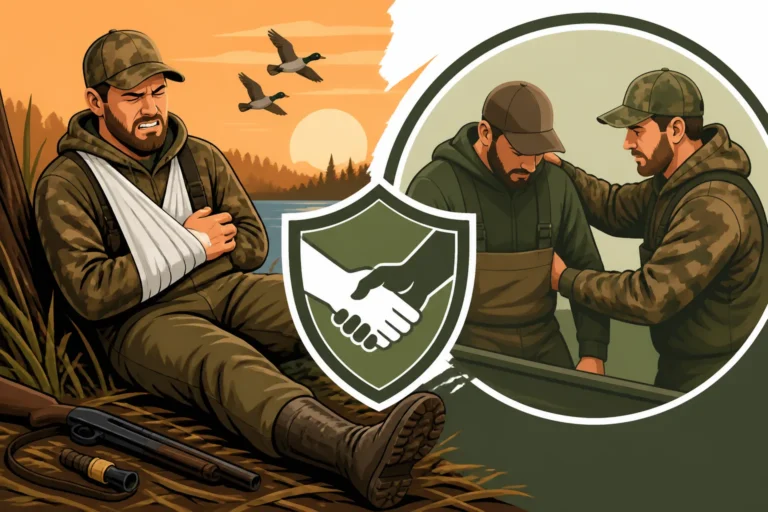
A critical, yet often overlooked, aspect of group safety is understanding emergency protocols. Before the hunt begins, ask your guide about their plan in case of an accident or injury. Where is the nearest medical facility? Does anyone in the group have first aid training? Does the guide carry a first-aid kit? Knowing who to contact and what steps to take in an emergency can save precious time and potentially a life. While nobody wants to think about an accident, being prepared is a sign of a responsible hunter and a professional guide. This includes understanding potential dangers beyond firearms, such as venomous snakes in Mississippi's Delta swamps or heat exhaustion during early-season hunts. A good guide will cover these possibilities in their initial briefing, making sure everyone is on the same page for handling the unexpected.
Disclaimer
This article is for general informational purposes only and does not constitute professional advice. Laws, prices and regulations vary by location and change over time. Consult a qualified professional for guidance on your specific situation.