What Happens if a Mississippi Guide Gets Injured
It's an unsettling thought, one that most hunters push to the back of their minds when planning an exciting trip: what happens if your Mississippi hunting guide, the person leading you through the swamps or pine flats, gets injured during the hunt? This isn't just about a disrupted trip; it raises serious questions about safety protocols, legal responsibilities, and how such an incident impacts everyone involved. This guide will walk you through the practicalities, legalities, and preventative measures surrounding a guide injury in the Mississippi wilderness.
Immediate Actions and Emergency Protocols
When an injury occurs in the field, especially in remote Mississippi hunting grounds, the immediate response can be critical. It’s a moment where clear thinking and decisive action are paramount, and panicking will only make a bad situation worse.
Assessing the Situation and Providing First Aid
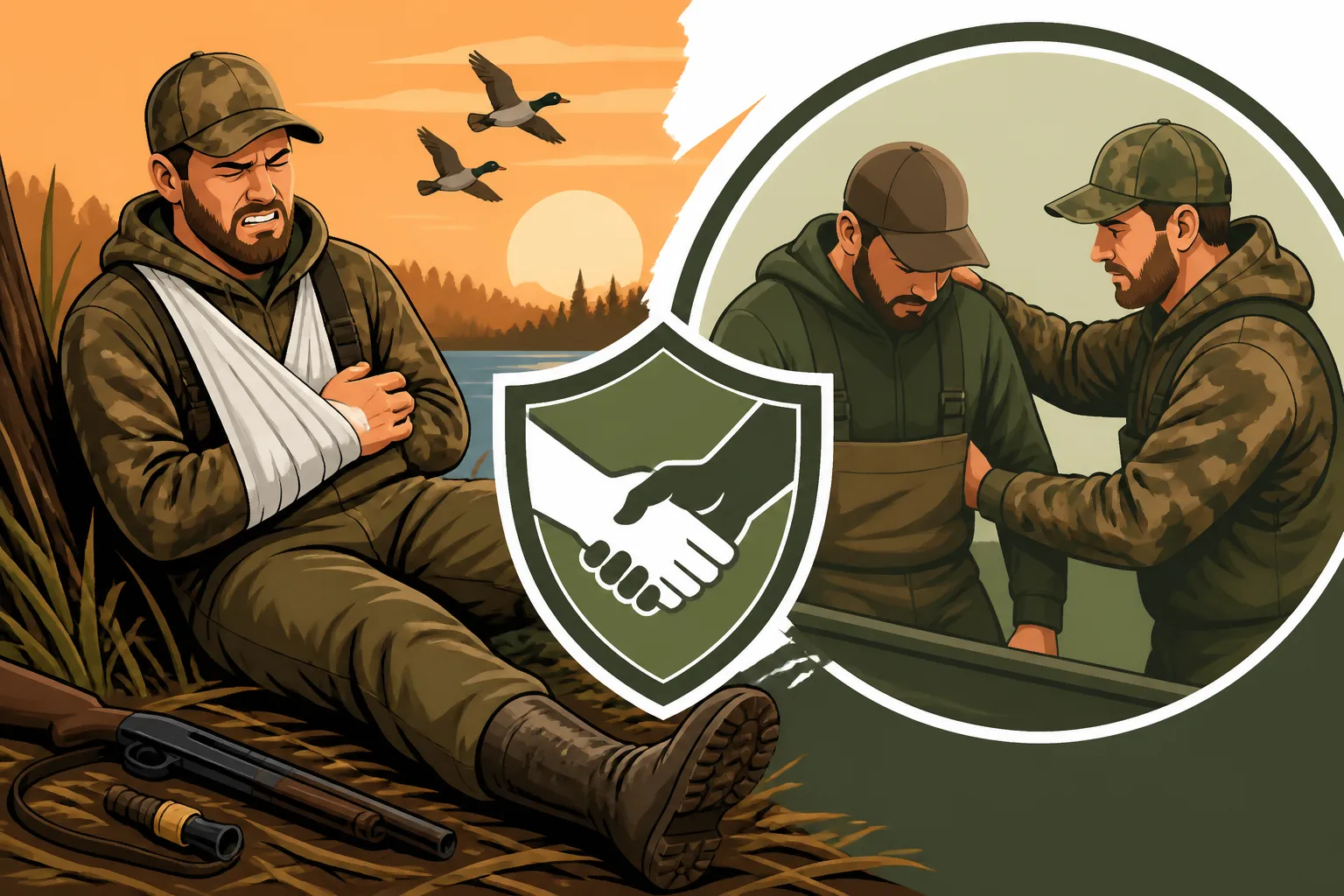
Your first priority, after ensuring your own safety, is to assess the guide's condition. Is it a minor cut, a sprained ankle, or something far more serious like a fall from a treestand or a gunshot wound? Even if your guide is the seasoned veteran, an injury can catch anyone off guard. Look for bleeding, signs of shock, or any obvious breaks. Most reputable guides carry a comprehensive first-aid kit, and many are trained in basic wilderness first aid or CPR. If they are conscious, ask them what happened and how they feel.
As a hunter, you also have a role here. Did you pack your own small first-aid kit? Do you have any basic medical training? Every little bit helps. Stabilize the injured person as best you can with the resources at hand. If there's heavy bleeding, apply direct pressure. If a limb is injured, try to immobilize it if possible, but only if you know what you're doing. The goal is to prevent the injury from worsening while you prepare for professional help to arrive. This initial assessment and immediate action can make a profound difference in the outcome, especially when you're deep in the Mississippi River Batture Public Access or a remote WMA.
Notifying Authorities and Arranging Extraction
Once the guide is as stable as possible, the next critical step is to call for help. This is where pre-hunt planning truly pays off. Did your outfitter provide an emergency contact number? Do you have cell service? In many parts of rural Mississippi, especially in thick bottomland hardwoods or deep pine plantations, cell service can be spotty to non-existent. This is why many guides carry satellite phones, two-way radios, or satellite messengers like an inReach or SPOT device. If your guide has one, use it.
Call 911 or the local sheriff's office. Be prepared to give them your exact location, the nature of the injury, and the current condition of the guide. If you're on public land, mention the specific Wildlife Management Area (WMA) or National Forest you are in, like Delta National Forest Hunting or Homochitto National Forest Hunting. They will need to know the easiest way to access your position – is it a logging road, a boat launch, or will they need to come in on ATVs or even a helicopter? The more precise information you can provide, the faster and more efficiently emergency services can respond. It's a stressful situation, but being clear and concise can save precious time.
Legal and Financial Implications for Hunters
This is often the part that makes hunters nervous. No one wants to be involved in an accident, especially one that leads to legal or financial entanglements. Understanding the groundwork laid before the hunt is crucial here.
Understanding Liability Waivers
Before any guided hunt in Mississippi, you're almost certainly going to sign a liability waiver. Outfitters use these documents to protect themselves from lawsuits in case of injury or accident. These waivers typically state that you, the client, understand the inherent risks of hunting and agree not to hold the outfitter or guide responsible for injuries that occur during the normal course of the hunt.
However, a liability waiver isn't always an ironclad shield. It generally protects against injuries resulting from unavoidable risks, but it might not cover situations where the outfitter or guide acted with gross negligence, recklessness, or failed to provide reasonably safe conditions or equipment. For example, if a guide knowingly put you in a faulty treestand that collapsed, causing injury, the waiver might be challenged. If their actions or inactions directly caused their own injury, your liability as the hunter is likely minimal, assuming you followed all instructions and safety protocols. It's always a good idea to read these waivers carefully before you sign, and if you have questions about Liability Waivers on a Guided Mississippi Hunt, don't hesitate to ask the outfitter for clarification.
Hunter's Role in Incident Reporting and Cooperation
As the hunter present during the incident, you become a crucial witness. It's your responsibility to cooperate fully with any investigations by law enforcement, emergency services, or the outfitter's insurance company. Be honest and factual about what you saw and heard. Avoid speculation or assigning blame. Simply state the facts as you experienced them.
Your cooperation helps paint a clear picture of the incident, which is essential for insurance claims and any potential legal proceedings. Documenting the scene with photos (if appropriate and safe to do so) and making notes of key details can be helpful. This is not about trying to prove innocence or guilt, but about providing an accurate account that assists in a fair resolution for all parties involved. Remember, you're not just a client; you're a fellow outdoors person in a difficult situation, and your integrity matters.
Potential Impact on Your Hunt
Let's be realistic: if your guide is seriously injured, your hunt is most likely over. It's a tough pill to swallow, especially if you've invested significant time and money into the trip, but human safety takes absolute precedence. The outfitter will be focused on their guide's well-being and managing the crisis. You might be asked to help with the evacuation or simply to wait patiently for instructions.
What about your money? This is where the outfitter's cancellation and refund policies come into play. A reputable outfitter will usually have provisions for such unforeseen circumstances. They might offer a partial refund, a credit for a future hunt, or the opportunity to continue the hunt with another available guide if possible. This is one of those crucial questions you should ask when Questions to Ask Before Booking a Mississippi Hunt. While platforms like BookYourHunt and GoHunt help you find reputable services, their individual cancellation policies can vary significantly. Understand that the priority will shift from hunting success to incident management and the guide's recovery.
Outfitter Responsibilities and Preparations
A professional outfitter in Mississippi understands the inherent risks of their business and takes steps to mitigate them. Their preparedness is your peace of mind.
Insurance Coverage for Outfitters
One of the most critical aspects of a professional hunting operation is adequate insurance coverage. Outfitters should carry general liability insurance, which protects them (and indirectly, their clients) from claims arising from accidents or injuries on their property or during their services. They might also carry worker's compensation insurance for their employees, including guides. This type of insurance is designed to cover medical expenses and lost wages for an employee injured on the job.
When you're vetting an outfitter, it's perfectly reasonable to inquire about their insurance. While they might not provide you with the policy details, a reputable outfitter will confidently confirm they are fully insured. This isn't just a nicety; it's a fundamental part of their professional obligation to ensure safety and financial protection for all involved. Without it, both the outfitter and any injured party could face devastating financial burdens. You can learn more about this by researching Mississippi Outfitter Insurance and Licensing.
Contingency Plans for Injured Guides
What happens if a guide goes down and there are still clients who want to hunt, or clients who need to be led out of the wilderness? A well-organized outfitter will have a contingency plan. This could include:
- Backup Guides: Having another qualified guide on staff who can step in if needed. This is more common with larger operations that run multiple groups.
- Emergency Contact Procedures: A clear protocol for how guides communicate their location and situation to base camp or emergency services, especially in areas with poor cell service.
- Medical Evacuation Plans: Knowing the nearest medical facilities and having arrangements for transport, whether by ATV, truck, boat, or even air ambulance for serious injuries.
- Client Management: A plan for how clients will be cared for, informed, and potentially extracted or reassigned if the hunt cannot continue.
These plans aren't always visible to the client, but they are a hallmark of a professional outfit. They signify that the outfitter has thought through worst-case scenarios and has strategies in place to handle them, ensuring everyone's safety and minimizing disruption as much as possible.
Importance of Vetting Outfitter Credentials
Before you ever step foot in the woods, it's on you to do your homework. Choosing a reputable, experienced outfitter is your best defense against many potential problems, including guide injuries. When you are looking for a hunt, whether on a platform like BookYourHunt or directly contacting a service found on GoHunt, take the time to ask about their safety record, guide experience, and emergency protocols.
Here's a table outlining key vetting points:
| Vetting Aspect | What to Look For | Why It Matters |
|---|---|---|
| Licensing & Insurance | Active outfitter and guide licenses; proof of liability insurance. | Ensures legal operation and financial protection in case of incidents. |
| Guide Experience | Years of guiding experience, local knowledge, first-aid certifications. | Experienced guides are less prone to accidents and better equipped to handle them. |
| Safety Protocols | Clear safety briefings, emergency communication plan, well-maintained equipment. | Reduces risk of injury and ensures rapid response if an incident occurs. |
| References & Reviews | Positive client testimonials, credible reviews on platforms. | Indicates a track record of professionalism and client satisfaction. |
| Contingency Plans | Backup guides, medical evacuation procedures, clear cancellation policies. | Shows preparedness for unforeseen circumstances like guide injury or bad weather. |
| Equipment Maintenance | Regular inspection of treestands, vehicles, firearms, etc. | Prevents equipment failure leading to accidents. |
Don't be shy about asking direct questions. A good outfitter will appreciate your diligence and be transparent. They want you to feel confident and safe. This due diligence is part of Vetting a Mississippi Outfitter Before You Book.
Preventative Measures and the Hunter's Role
While some accidents are unavoidable, many can be prevented through a combination of thorough preparation, adherence to safety rules, and good judgment from both guide and hunter.
Prioritizing Safety Briefings and Protocols
Every guided hunt should begin with a comprehensive safety briefing. This isn't just a formality; it's a critical discussion of the day's plan, potential hazards, and emergency procedures. Your guide will likely cover everything from safe firearm handling (relevant to Mississippi Legal Firearms for Deer Hunting) to how to navigate the terrain and what to do if you get separated. Pay close attention. Ask questions if anything is unclear.
If your guide emphasizes certain rules—like staying on a specific trail, wearing blaze orange (see How Much Blaze Orange Mississippi Requires), or adhering to specific shot angles—follow them without exception. These rules are in place for everyone's safety. Ignoring them not only puts you at risk but also your guide and other hunters. A proactive approach to safety from both parties significantly reduces the likelihood of an accident. Following Firearm Safety Rules on a Guided Group Hunt is paramount, for instance.
Assessing Guide Competence and Experience
As a hunter, you can also subtly assess your guide's competence throughout the hunt. Does your guide seem confident and knowledgeable about the area? Are they handling their firearm responsibly? Do they appear physically capable of navigating the terrain and assisting you if needed? Most Mississippi guides are seasoned professionals, intimately familiar with their hunting grounds, whether it's Hunting Delta Unit Bottomland Deer or Still-Hunting Hills Unit Ridges.
However, if you ever feel uncomfortable with a guide's judgment, actions, or perceived level of experience, it's okay to speak up. Your safety is paramount. A good guide will welcome questions and address concerns respectfully. Trust your gut. If something feels off, it probably is. This doesn't mean you're second-guessing their every move, but rather engaging in a shared responsibility for a safe and successful hunt. This also touches on how you prepare yourself, such as understanding the Physical Demands of a Delta Deer Hunt so you can keep up.
Hunter's Personal Responsibility for Safety
Ultimately, while you've hired a guide, your personal safety remains largely in your own hands. You are responsible for:
- Being Prepared: Ensure you have appropriate clothing, footwear, and any personal safety gear you need for the conditions in Mississippi. This includes a small personal first-aid kit, a whistle, a compass or GPS, and water. Think about What to Pack for a Guided Mississippi Hunt.
- Following Instructions: Listen to your guide and follow their directions. They know the terrain, the wildlife, and the local risks far better than you do.
- Exercising Good Judgment: Don't take unnecessary risks. If a shot doesn't look safe, don't take it. If a climb seems too dangerous, say something.
- Communicating: If you feel unwell, have a concern, or notice a potential hazard, communicate it to your guide immediately.
- Knowing Your Limits: Be honest about your physical capabilities. Don't push yourself beyond what's safe, especially in demanding environments.
By taking an active role in your own safety and respecting the expertise of your guide, you contribute to a positive and secure hunting experience for everyone. A guided hunt is a partnership, and safety is a shared commitment.
Disclaimer
This article is for general informational purposes only and does not constitute professional advice. Laws, prices and regulations vary by location and change over time. Consult a qualified professional for guidance on your specific situation.