Off-Season Scouting Trips With a Mississippi Guide
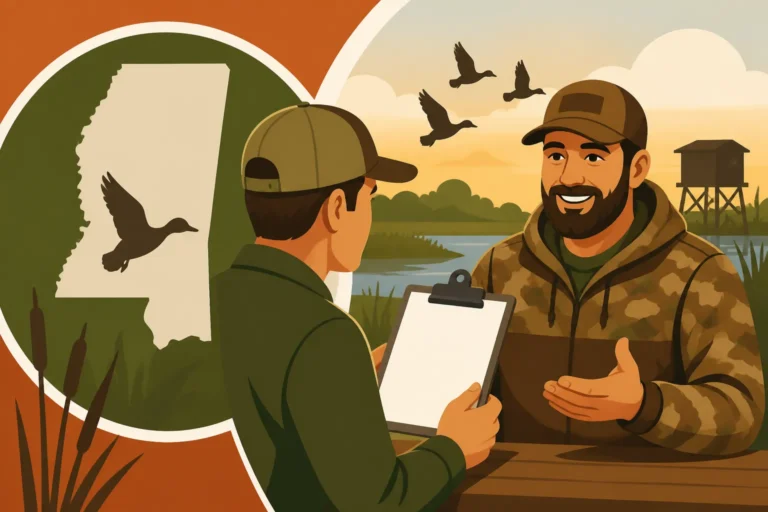
It can feel impossible to get enough boots-on-the-ground scouting done before hunting season, especially if you're traveling from out of state or juggling a demanding schedule. Between work, family, and other commitments, finding the time to truly dive deep into a new hunting area, or even an old one, is a serious challenge. This guide explores the often-overlooked value of an off-season scouting trip with a professional Mississippi guide, detailing what to expect, how to choose the right expert, and how to maximize this unique opportunity to boost your hunting success.
Why Off-Season Scouting is Crucial, Even with a Guide
Many hunters think scouting only happens right before the season, or that if they've booked a guide for the actual hunt, scouting is handled. But that's a mistake. Off-season scouting, even with a guide, offers an unparalleled advantage by giving you a deep, unpressured understanding of the landscape and the game within it. It's an investment in knowledge that pays dividends when the season opens.
Understanding Habitat Changes
Mississippi's landscape changes dramatically throughout the year. What looks like prime cover in December might be an open field in August, or a dry creek bed in spring might be a flooded slough by late fall. An off-season scouting trip with a guide allows you to observe these transitions firsthand. You'll see how various food sources emerge and disappear, how water levels affect travel corridors, and how vegetation density dictates bedding areas.
For instance, understanding how a Green Field Planted for Deer changes from lush summer growth to a prime late-season draw is crucial. A guide can point out specific oak stands that are heavy producers one year versus another, or where winter wheat plots will be established. They can show you historical deer movement patterns that relate directly to these seasonal shifts in habitat. This isn't just about finding deer; it's about understanding their environment's ebb and flow.
Locating Core Areas Unpressured
During hunting season, deer and other game are acutely aware of human presence. Their core areas become secretive, often only accessed under the cloak of darkness. Off-season, however, you can explore these areas with less impact and learn where game truly feels safe. A guide knows these hidden gems – the secluded bedding thickets, the subtle benches, or the river bends that always hold mature bucks.
Imagine walking through a dense pine plantation in July, observing rubs and scrapes from the previous season, and seeing exactly where deer are naturally traveling. Your guide can explain why Reading a Ridge for Hills Unit Deer is different from understanding movement patterns in the Delta bottomlands, and point out specific funnels or saddles that become critical pinch points during the rut. Identifying these core areas without the immediate pressure of an open season allows you to plan entry and exit routes that minimize disturbance, giving you a huge leg up when the actual hunting begins.
Identifying Pressure Points and Hidden Sanctuaries
Every piece of public hunting land, and even many private tracts, sees hunter pressure. Knowing where that pressure is likely to come from and how game animals react to it is paramount. A guided scouting trip can help you identify common access points, popular stand locations, and the escape routes deer use when disturbed. This insight is invaluable for developing a strategy to avoid other hunters while still finding game.
A guide can show you areas where Finding Ground Others Walk Past is possible, often just a short, arduous walk deeper into a WMA or National Forest. They can also highlight how terrain features like creek bottoms or dense clear-cuts funnel deer away from popular spots. Understanding where deer go when pressured, and how they use the landscape to their advantage, allows you to predict their movements and set up accordingly. This isn't about avoiding other hunters entirely, but about strategically positioning yourself where game feels safe, even with activity elsewhere.
What a Guided Scouting Trip Entails
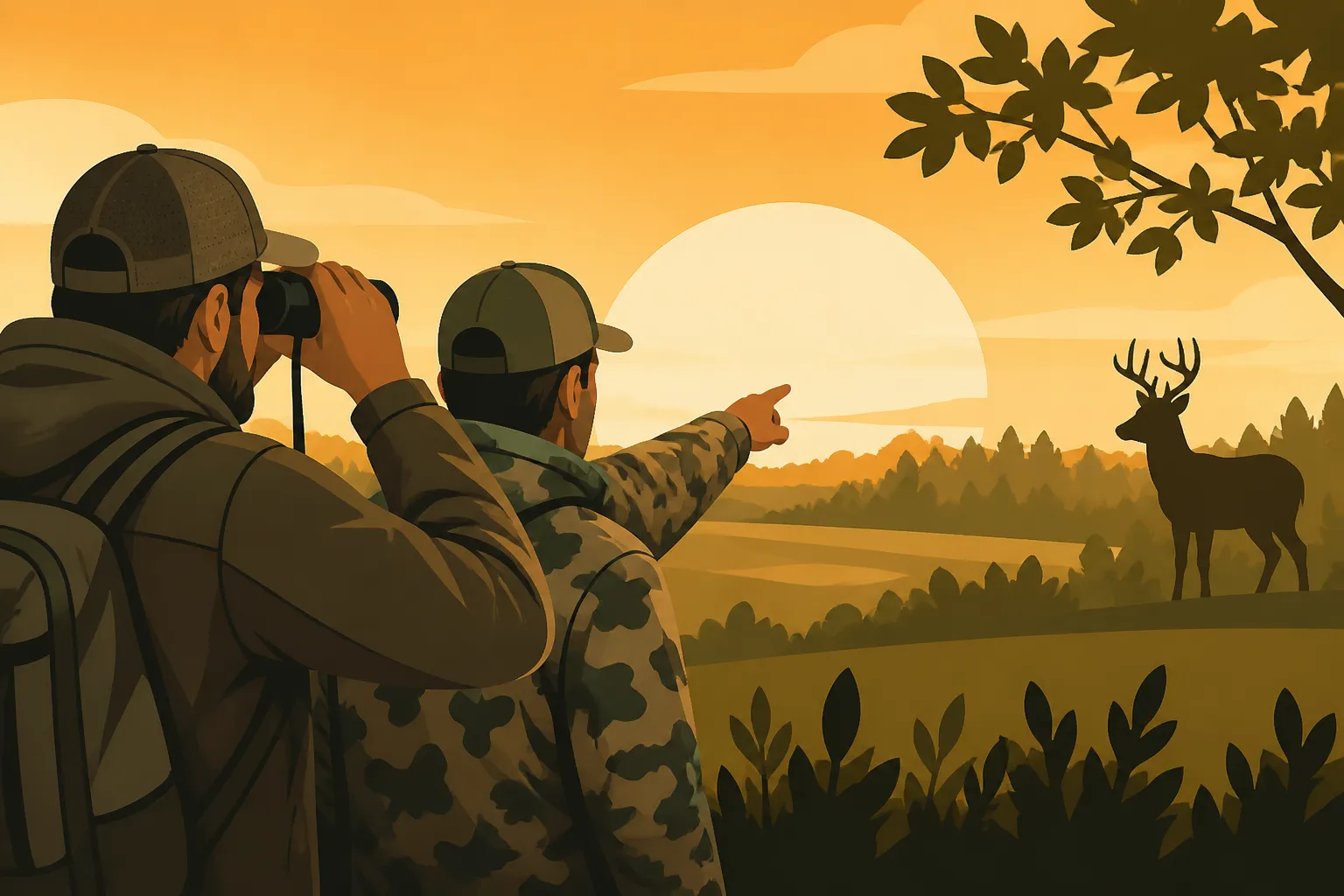
A guided scouting trip isn't just a leisurely hike; it's a deep dive into the hunting grounds with a local expert. It’s an educational experience designed to empower you with the knowledge you need to be a more successful hunter.
Types of Guided Scouting Experiences
The specific activities during a guided scouting trip can vary widely depending on the guide, the terrain, and your personal objectives. Many guides will start with a comprehensive overview using detailed maps and aerial imagery, perhaps even using a platform like GoHunt or another mapping tool to show you historical data or satellite views. This often transitions into boots-on-the-ground exploration.
For vast areas like the Delta National Forest, a guide might use ATVs or UTVs to cover significant ground, stopping frequently to examine specific features. In more rugged terrain, a walking tour is often the most effective method, allowing for a closer inspection of subtle sign. Some guides might even incorporate trail cameras you can leave in place for later analysis, or show you where to place cameras along a Scrape Lines Along a Logging Road. The key is that it's tailored to give you practical, visual understanding, not just a verbal description.
Key Information You'll Gain
The true value of a guided scouting trip lies in the expert's local knowledge. You're not just seeing the land; you're learning to read it through the eyes of someone who knows it intimately. Expect to learn how to identify fresh sign versus old, differentiate between various types of rub lines, and understand the nuances of buck and doe bedding areas. Your guide can provide historical context – what happened in this area during previous ruts, how deer moved after a specific timber cut, or the impact of a recent flood.
They can explain how Reading a Delta Slough for a Morning Flight in duck season can translate to deer movement patterns along the edges, or how understanding Wind and Thermals in Delta Bottomland affects deer travel on a specific ridge. This invaluable insight goes beyond what any map or online research can provide. It's about translating abstract data into actionable, on-the-ground understanding.
Technology Integration with Local Wisdom
Modern scouting relies heavily on technology, but it's the combination of tech and local wisdom that truly shines. A good Mississippi guide will likely use GPS mapping systems, such as those found on platforms like BookYourHunt or GoHunt, to mark specific points of interest—bedding areas, rub lines, water sources, natural funnels, or potential stand locations. They can show you how to interpret topographic maps, overlay satellite imagery, and even track historical weather patterns that might influence game movement.
This integration isn't just for show; it's practical. Your guide can demonstrate how to use your own GPS or phone app to navigate to these marked locations during hunting season, even in dense cover or low light. They'll teach you how to scout effectively using tools like Scouting With the MDWFP App or how to best utilize aerial photos to predict deer movement. This fusion of technology with years of firsthand experience creates a powerful learning experience that will make you a much more self-sufficient and effective hunter.
Choosing the Right Mississippi Guide for Scouting
Just as you wouldn't hire a random contractor for a major home renovation, you shouldn't pick just any guide for a dedicated scouting trip. The right guide is an investment in your future hunting success.
Experience and Local Knowledge Beyond a Hunt
When looking for a guide for a scouting trip, you need someone whose expertise extends beyond just setting you in a stand during the season. You want a guide who lives and breathes the local woods, who understands the subtle shifts in game behavior throughout the year, and who can articulate why deer do what they do in that specific environment. Ask about their experience with year-round observation, not just during the open season. Do they monitor trail cameras year-round? Do they spend time hiking and observing in the summer months?
A true expert can tell you about specific local phenomena, like how The Delta Region Bear Population might affect deer patterns in certain areas, or Why the Delta Grows Older Bucks and what specific habitat elements contribute to that. They should be able to explain the nuances of the local ecosystem, including dominant food sources, water availability, and historical game patterns, such as When the Mississippi Rut Peaks by Unit. Don't be afraid to ask for references from past scouting clients, not just hunting clients.
Communication and Setting Clear Objectives
Before you even book, have a frank discussion with potential guides about your goals for the scouting trip. Are you looking to understand general deer movement patterns across a large WMA, or do you want to pinpoint specific stand locations on a smaller private parcel? Are you interested in learning about Late-Season Food Sources for Mississippi Whitetails or understanding turkey roosting habits for a spring hunt?
A good guide will ask you detailed questions about your hunting style, your preferred weapon, and what you hope to achieve. They should be open to answering your questions and explaining their reasoning every step of the way. If a guide seems reluctant to share knowledge or explain their methods, they might not be the right fit for a dedicated scouting trip. Transparency and a willingness to teach are paramount for this type of experience.
Cost Considerations and Value
Guided scouting trips, like guided hunts, come with a cost. This can vary widely based on the guide's experience, the duration of the trip, the terrain, and the specific services offered. It's important to understand that you're paying not just for their time, but for years of accumulated knowledge and expertise. While specific prices aren't static, expect a shape of cost that reflects a significant investment, often comparable to a single day of an actual guided hunt.
Consider the value proposition: how many hours, days, or even weeks would it take you to acquire the same level of granular, localized knowledge your guide can impart in a single trip? For a non-resident, or someone looking to hunt challenging public land like Panther Swamp National Wildlife Refuge Hunting, this investment can easily pay for itself by saving countless frustrating hours and improving your chances of success exponentially. Always get a clear understanding of what's included in the fee, such as meals, transportation during the scouting, or any post-trip support.
Maximizing Your Guided Scouting Investment
A guided scouting trip is an opportunity, but like any investment, you get out what you put in. To truly maximize its value, you need to be prepared, engaged, and strategic in applying what you learn.
Pre-Trip Research and Preparation
Don't show up to your guided scouting trip completely cold. Do your homework beforehand. Spend time studying topographical maps, aerial photos, and public land boundaries for the area you'll be scouting. Use online resources, including state wildlife agency websites, to understand general game populations and regulations. For instance, knowing how Mississippi's Chronic Wasting Disease Zones might affect carcass movement, or reviewing Delta Unit Antler Restriction Rules will make your guide's advice even more relevant.
Familiarize yourself with the general layout, identify potential areas of interest, and come armed with specific questions. The more prepared you are, the more productive your conversations with the guide will be, and the deeper the insights you'll gain. It's like going to college: you learn more from a lecture if you've done the reading first.
Active Participation and Detailed Note-Taking
During the scouting trip itself, be an active participant. Ask questions, observe carefully, and don't be afraid to voice your thoughts or theories about deer movement. Your guide wants you to learn, so engage with them. Take detailed notes, either in a notebook or on your mapping app. Mark key locations—potential stand sites, bedding areas, water sources, and travel corridors. Take photos or even short videos of unique terrain features or specific types of sign.
Consider the practicalities of hunting these spots. Ask about Entry Routes Through Standing Soybeans or how to best approach a Clover Plot at First Light without spooking game. Discuss how different winds might affect various stand locations. The more information you record, the more you'll retain and the more effectively you can strategize later. This isn't a passive tour; it's a hands-on learning expedition.
Post-Trip Planning and Strategy Development
The learning doesn't end when the scouting trip concludes. Once you're back home, immediately review your notes, photos, and marked GPS points. Transfer all this information into a comprehensive hunting plan. Use your new understanding to refine your stand locations, plan your entry and exit routes, and develop strategies for different wind conditions or times of day. This might involve creating a detailed plan for Opening Weekend Tactics for Gun Season or a specific setup for Rattling and Grunting in Mississippi during the rut.
Think about how you'll apply what you learned from the guide to various scenarios. What's your plan for a warm day in October? How will you hunt after a cold front pushes through? The guided scouting trip provides the raw data; your post-trip planning turns that data into an executable strategy. This ongoing engagement ensures that your investment in a guided scouting trip yields maximum returns throughout your hunting season.
Here’s a quick overview of self-scouting versus guided scouting:
| Feature | Self-Guided Scouting | Guided Scouting |
|---|---|---|
| Time Investment | High (research, travel, boots-on-ground) | Low (guide does most pre-work, efficient use of time) |
| Knowledge Base | Limited to personal experience/research | Extensive local, historical, and expert knowledge |
| Efficiency | Can be slow, trial-and-error | Highly efficient, focused, direct to key areas |
| Cost | Low (fuel, gear, personal time value) | Higher upfront cost (guide fee) |
| Learning Curve | Steep, slow | Accelerated, hands-on learning from an expert |
| Access to Information | Public maps, online forums, general knowledge | Insider tips, specific game patterns, private land insights (if applicable) |
| Relevance to Hunt | May miss critical nuances | Directly applicable, tailored to specific hunt goals |
| Ideal For | Experienced local hunters, those with ample free time | Non-residents, new hunters, time-constrained hunters, new areas |
Disclaimer
This article is for general informational purposes only and does not constitute professional advice. Laws, prices and regulations vary by location and change over time. Consult a qualified professional for guidance on your specific situation.