Hunting a Funnel Between Two Sloughs
There’s nothing quite as frustrating as feeling like the deer have just vanished from your hunting spot, especially in dense Mississippi cover. You know they're around, but pinpointing their exact travel routes can feel like a game of hide-and-seek. This comprehensive guide is designed to cut through that frustration, focusing on one of the most consistent deer magnets in our state: the natural funnels created between two sloughs, helping you understand, locate, and effectively hunt these prime locations.
Understanding the Power of Slough Funnels in Mississippi
Mississippi’s landscape, particularly in regions like the Delta, is riddled with sloughs, oxbows, and low-lying wet areas. While these can seem like obstacles, to a deer, they’re often highways and sanctuaries. Recognizing how deer interact with these features is the first step to unlocking some incredible hunting opportunities.
Why Deer Use Sloughs as Travel Corridors
Think about it from a deer's perspective. A slough, especially one with thick, overgrown edges, offers incredible security. It's often too wet or too difficult for people to navigate, providing a natural refuge from hunting pressure. Deer will naturally gravitate towards areas where they feel safe. But beyond security, sloughs also provide essential resources like water, particularly during dry spells, and often host specific types of browse and forage along their banks. They essentially act as linear oases, connecting different areas of their home range.
Consider the extensive bottomland hardwoods in the Delta Unit, where sloughs crisscross the landscape like veins. Deer will often bed deep within the cover provided by these wet areas, emerging to feed in nearby agricultural fields or clear-cuts. Instead of venturing out into wide-open spaces, they'll stick to the protective cover of the slough edges as they move from bedding to feeding and back again. This preference for concealment makes the edges of these water features highly reliable travel paths, day or night.
Furthermore, these low-lying features dictate movement simply by their presence. While a deer can swim across a slough, they prefer not to, especially if they can walk around it without expending much energy or exposing themselves unnecessarily. This inherent preference for dry ground, even if it's just a narrow strip, forces them into predictable patterns, making the slough a natural fence that directs traffic. If you've ever felt like deer just materialize out of nowhere, chances are you're near one of these subtle travel lanes.
What Makes a Funnel Between Sloughs Irresistible
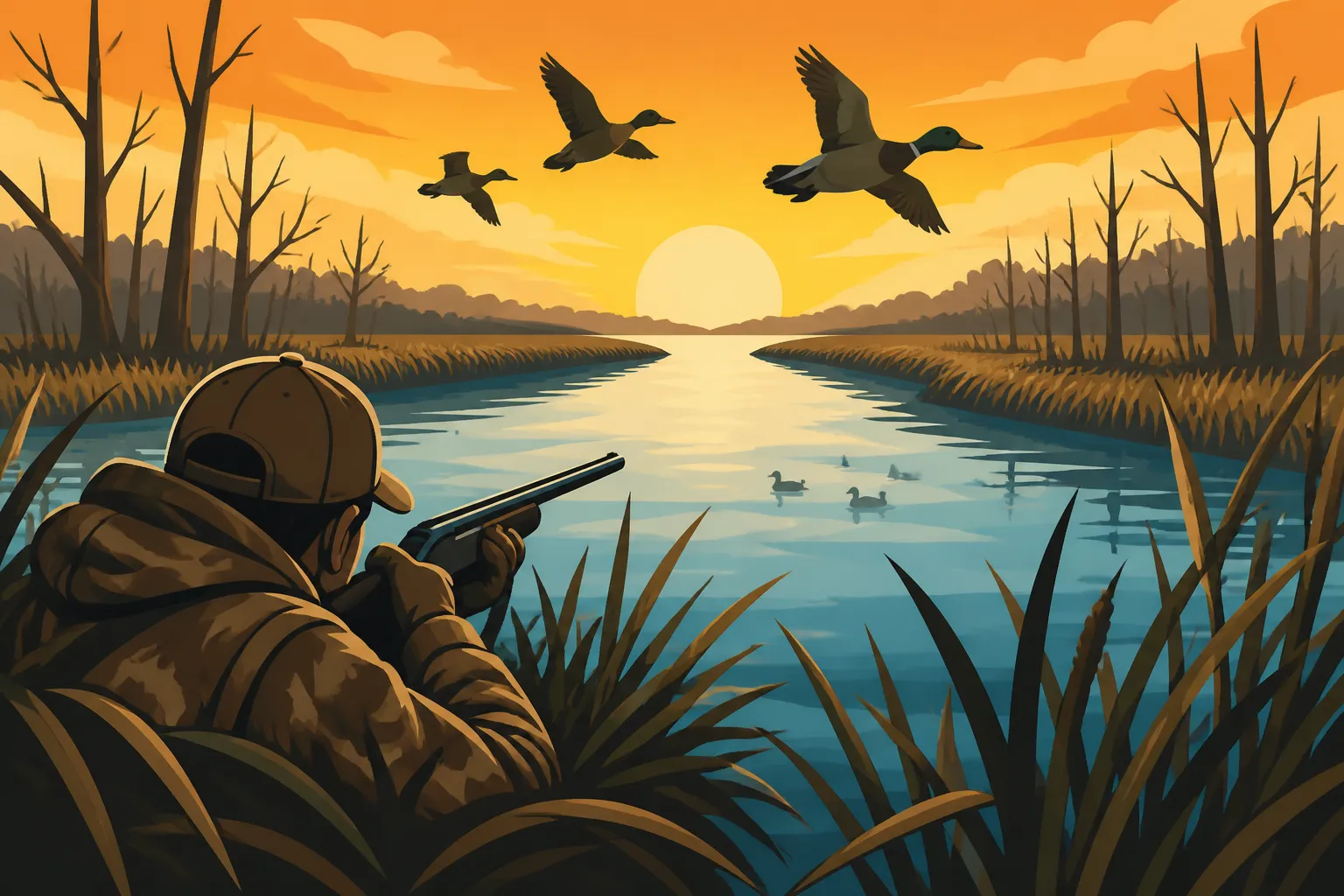
Now, if a single slough is a travel corridor, imagine what happens when two sloughs narrow and almost meet, leaving just a thin strip of dry land in between. That's a funnel, and it's a game-changer. These narrow strips of slightly elevated ground, sometimes barely wider than a deer trail, become absolute magnets for deer movement. They're the path of least resistance, channeling nearly every deer in the vicinity through a compressed area.
During the pre-rut and especially during the peak of Hunting the Rut in the Delta Unit or Hunting the Rut in the Hills Unit, these funnels become even more critical. Bucks, driven by the urge to find does, will systematically cruise these pinch points, knowing that any doe moving between bedding and feeding will likely pass through. It's an efficient way for them to cover ground and check for receptive does without expending unnecessary energy in thicker, more challenging terrain. This concentrated movement makes a funnel an incredible spot to intercept a mature buck that might otherwise be a ghost.
The beauty of these funnels isn't just during the rut. In pressured areas, deer become incredibly sensitive to human intrusion. They will instinctively seek out the safest, most protected routes. A narrow piece of timber connecting two sloughs often provides that cover, shielding them from view and making them feel secure. Even outside of the rut, deer will use these funnels to move between various parts of their habitat—from a bedding area on one side to a feeding plot or acorn flat on the other. It’s a constant highway, and if you can find one, you've found a goldmine.
Scouting and Pinpointing Prime Funnel Locations
Finding these magical funnels isn't always easy, especially in vast timber. It requires a combination of modern technology and good old-fashioned boots-on-the-ground effort. You can’t just stumble upon the best ones; you have to seek them out with purpose.
Aerial Reconnaissance and Topographic Maps
Before you even step foot in the woods, the best place to start your search for slough funnels is from above. Tools like GoHunt (or other similar mapping applications) are invaluable. Spend hours poring over satellite imagery and topographic maps. What you’re looking for are narrow pieces of timber or slightly elevated land that connect two larger bodies of water, be they sloughs, creeks, or even flooded areas. Often, these funnels won’t jump out at you, but by zooming in and looking for subtle changes in vegetation density, you can identify promising spots.
On a topographic map, pay attention to contour lines. A slight rise in elevation, even just a few feet, can create a dry land bridge between two low, wet areas. This subtle elevation change will be the deer's preferred route. Also, look for distinct changes in tree cover. Sometimes, a denser or different type of timber might indicate a drier, more stable piece of ground that deer would favor. Don’t forget to utilize resources like the MDWFP App to overlay public land boundaries if you're Scouting Mississippi Public Land Before Season. This can help you identify accessible areas with potential funnel features.
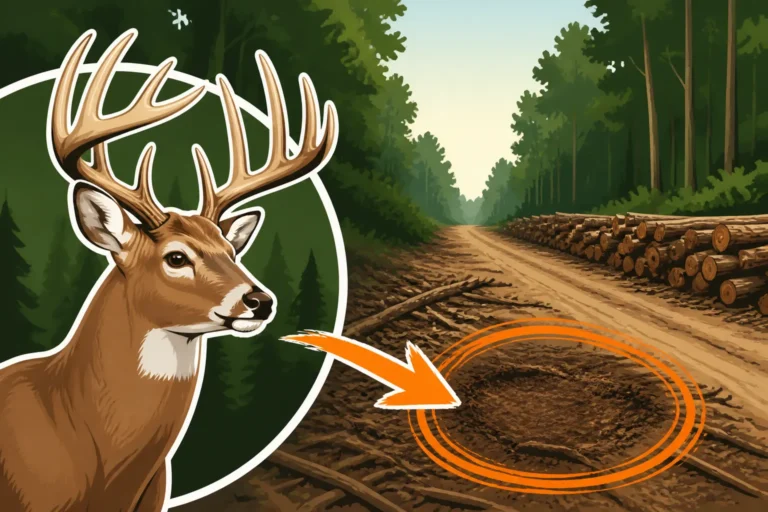
Another key is to understand the broader landscape. Are there large bedding areas on one side of a slough and consistent food sources on the other? If so, any narrow crossings between these features are going to be high-traffic zones. Keep an eye out for old logging roads or raised pipelines that inadvertently create these dry passages. Deer will absolutely take advantage of these man-made "bridges" if they offer an easy route through otherwise wet terrain.
Boots-on-the-Ground Verification and Sign Reading
Once you’ve identified a few promising spots on your map, it’s time to get your boots dirty. Nothing beats walking the actual terrain to confirm what you see from above. When you approach a potential funnel, you'll want to move slowly and deliberately, observing every detail. Look for the most obvious and defining sign: well-worn deer trails. If multiple trails converge into a narrow opening between two sloughs, you've hit the jackpot. These are the highways deer use constantly.
Beyond trails, fresh tracks are your best friend. Muddy or soft ground around slough edges will often hold clear tracks, telling you not just that deer are using the funnel, but how recently. During the pre-rut and rut, turn your attention to rub lines and scrape lines. If you find a series of rubs leading into or out of a funnel, especially on both sides, it's a strong indicator that bucks are actively cruising and scent-checking the area. Pay close attention to the size of the rubs—larger rubs usually mean larger bucks. You can learn a lot from Finding Sign in Big Delta Timber.
Also, don't overlook bedding areas. Often, the funnels will connect an established bedding area to a feeding zone. If you can locate Where Delta National Forest Bucks Bed in relation to a funnel, you can better predict when and how deer will be moving through your chosen pinch point. This hands-on scouting, confirming aerial observations, is what separates the consistently successful hunters from those who just hope for a deer to walk by.
Strategic Setup for Hunting Slough Funnels
Once you’ve found that perfect funnel, your setup becomes paramount. You've got to be in the right place, totally undetected, and ready when that deer finally steps into your shooting lane. This means careful consideration of your stand, the wind, and local thermals.
Optimal Stand and Blind Placement
When it comes to placing your stand or blind, the goal is always maximum concealment and a clear shot, while remaining undetected. For a treestand, you want to be downwind of the funnel, high enough to get your scent above a deer's nose, but still have good shooting lanes. Aim for a spot where the deer are likely to pass within 20-30 yards. Consider setting up slightly back from the actual pinch point, allowing deer to enter the funnel without immediately smelling you. This also gives you a bit more time to react. If you're wondering how to properly set up, revisiting guides on Hanging a Stand on a Delta Bottomland Funnel can be extremely helpful for these specific environments.
Ground blinds are also incredibly effective in slough funnels, especially in areas with dense undergrowth or if you're hunting with a youth. The key is to brush them in thoroughly, breaking up their outline so they blend seamlessly into the natural surroundings. Place your blind slightly off the main trail, again, downwind, where you can watch the funnel without being directly in its path. Remember, deer will often parallel the main trail just inside the thicker cover, so having a wider view can be beneficial. Learning how to properly set up and conceal your blind is critical; many hunters find success by Using a Ground Blind on Mississippi Public Land in these areas.
Regardless of whether you choose a treestand or a ground blind, always approach and exit your stand quietly and from a direction that keeps you out of the deer's probable travel path. If your entry route crosses a known deer trail that leads into the funnel, you’ve already given yourself away before the hunt even starts. Ideally, your access route should utilize the wet, less-traveled side of the slough, minimizing your footprint.
Playing the Wind and Understanding Thermals
In Mississippi, particularly in bottomland areas with sloughs, ignoring the wind and thermals is a surefire way to spook deer. These factors are absolutely critical, perhaps even more so than in open timber. Deer depend on their sense of smell for survival, and if your scent drifts into the funnel before they do, your hunt is over. Always, and I mean always, check the wind before heading out. If the wind isn't right for your chosen stand, have a backup plan or choose a different location.
Thermals add another layer of complexity, especially during the morning and evening hours. As the sun rises, the air warms and begins to rise (updraft). In the evening, as the air cools, it sinks (downdraft). In flat, low-lying slough country, these thermals can be subtle but still carry your scent. In the morning, your scent might get carried up the slough bank. In the evening, it might drift down into the low-lying areas. This is particularly important when trying to understand Wind and Thermals in Delta Bottomland.
For these reasons, having multiple stand options for different wind directions is invaluable. If you only have one stand on a funnel, you might only get to hunt it a few times a season effectively. A hunter with two or three setups covering the same funnel from different angles for various winds will dramatically increase their success rate. When placing stands, try to predict how thermals will move your scent during your primary hunting times and adjust accordingly. Don’t be afraid to experiment with different heights and positions to find that sweet spot where your scent is least likely to alarm an incoming deer.
Timing Your Hunt and Maximizing Success
Finding the funnel and setting up correctly are huge steps, but knowing when to hunt it can be the difference between seeing nothing and tagging a buck. Certain times of the season and specific weather patterns turn these funnels into deer superhighways.
Hunting the Rut and Pre-Rut Movement
Without a doubt, the rut is when slough funnels truly shine. As the breeding season kicks into high gear, bucks become highly mobile and less cautious, driven by the intense desire to find does. This makes the funnels a prime location to intercept mature bucks that you might never see otherwise. During the pre-rut, bucks start cruising, laying down rubs and scrapes as they establish dominance and mark territory. This increased movement often leads them through established travel corridors like funnels.
When the rut officially peaks in one of Mississippi's Four Deer Management Units, it's time to be in a funnel. Bucks will actively scent-check these pinch points, often moving at a steady pace, looking for the tell-tale signs of a receptive doe. Does will also be using these funnels as they try to evade persistent bucks or simply go about their daily routines of feeding and bedding. The beauty of a funnel during the rut is that you could see deer movement at any time of day, not just dawn and dusk. Longer sits, even through midday, become highly productive as bucks are less predictable in their movements.
Don't underestimate the power of rattling and grunting in these setups. When a buck is cruising a funnel, the sound of a rattling sequence or a well-placed grunt call can be just enough to pull him off his line and into your shooting lane. Use calls sparingly and realistically, especially if you're hunting public land or areas with high hunting pressure. The combination of a natural funnel and the irresistible urge of the rut creates one of the best deer hunting scenarios Mississippi has to offer.
Post-Frontal Activity and Weather Patterns
Beyond the rut, paying close attention to weather patterns can significantly increase your odds in a slough funnel. Nothing gets deer on their feet like a good cold front, especially one that follows a period of warm or stagnant weather. When those temperatures drop, and the wind picks up slightly, deer know it’s time to move and feed, and they’ll use those predictable funnels to do it. Hunting Deer After a Cold Front in a funnel is often a recipe for success.
Rain can also be your friend. Deer often move before a rainstorm, and then, crucially, they often move immediately after it passes. Freshly fallen rain dampens the leaf litter, making it much quieter for deer (and you) to move through the woods. It also washes away old scent, making deer feel a bit more secure. A low-pressure system following a rain event can be an exceptional time to be in a funnel. The deer will be looking to feed, and they’ll take the most efficient, safest route.
Conversely, very warm weather in Mississippi can make daytime movement slow, even in funnels. If you're facing a warm spell, your Warm-Weather Sitting Strategy in Mississippi should lean towards early mornings and late evenings. However, deer will still use funnels to access water, and if the funnel also offers shade or connects to a dense bedding area, you might still catch a deer moving between cover and water sources. Understanding the nuances of Mississippi's ever-changing weather and how it affects deer movement is a skill that comes with time and observation, but it pays off handsomely when hunting these crucial funnels.
Choosing the Right Stand for a Slough Funnel
When you're trying to decide between a treestand or a ground blind for these unique Mississippi funnels, there are pros and cons to each. Your choice often comes down to the specific conditions of the funnel itself, your hunting style, and local regulations.
| Feature | Treestand | Ground Blind |
|---|---|---|
| Pros | Elevated scent dispersal, wider view, less ground scent, quieter setup if pre-hung. | Excellent concealment, comfortable, can hunt with youth easily, adaptable to changing conditions. |
| Cons | Can be tricky to hang in wet conditions, limited mobility, scent can still be an issue with thermals. | Scent closer to the ground, limited view, can be hot/stuffy in warm weather, requires thorough brushing in. |
| Ideal Use | Longer sits in moderate cover, for Bowhunting Mississippi's Long Archery Season. | Dense, thick cover, youth hunts, gun hunting, Hunting the Mississippi Youth Gun Weekend. |
| Visibility | Better over obstacles like brush and tall weeds. | Requires cutting shooting lanes, more restricted. |
Each option has its place, and sometimes, a combination of both in different funnel locations can be the most effective strategy throughout the season, especially as the Mississippi Deer Season Structure Explained shifts throughout the year.
Disclaimer
Hunting is an inherently dangerous activity. Always prioritize safety, understand and follow all Mississippi Department of Wildlife, Fisheries, and Parks regulations, and obtain proper licensing before heading afield. This guide provides general information and should not replace professional instruction or personal experience in the field. Be aware of your surroundings, respect private property, and practice ethical hunting at all times.