Pass-Shooting Doves Over a Water Hole
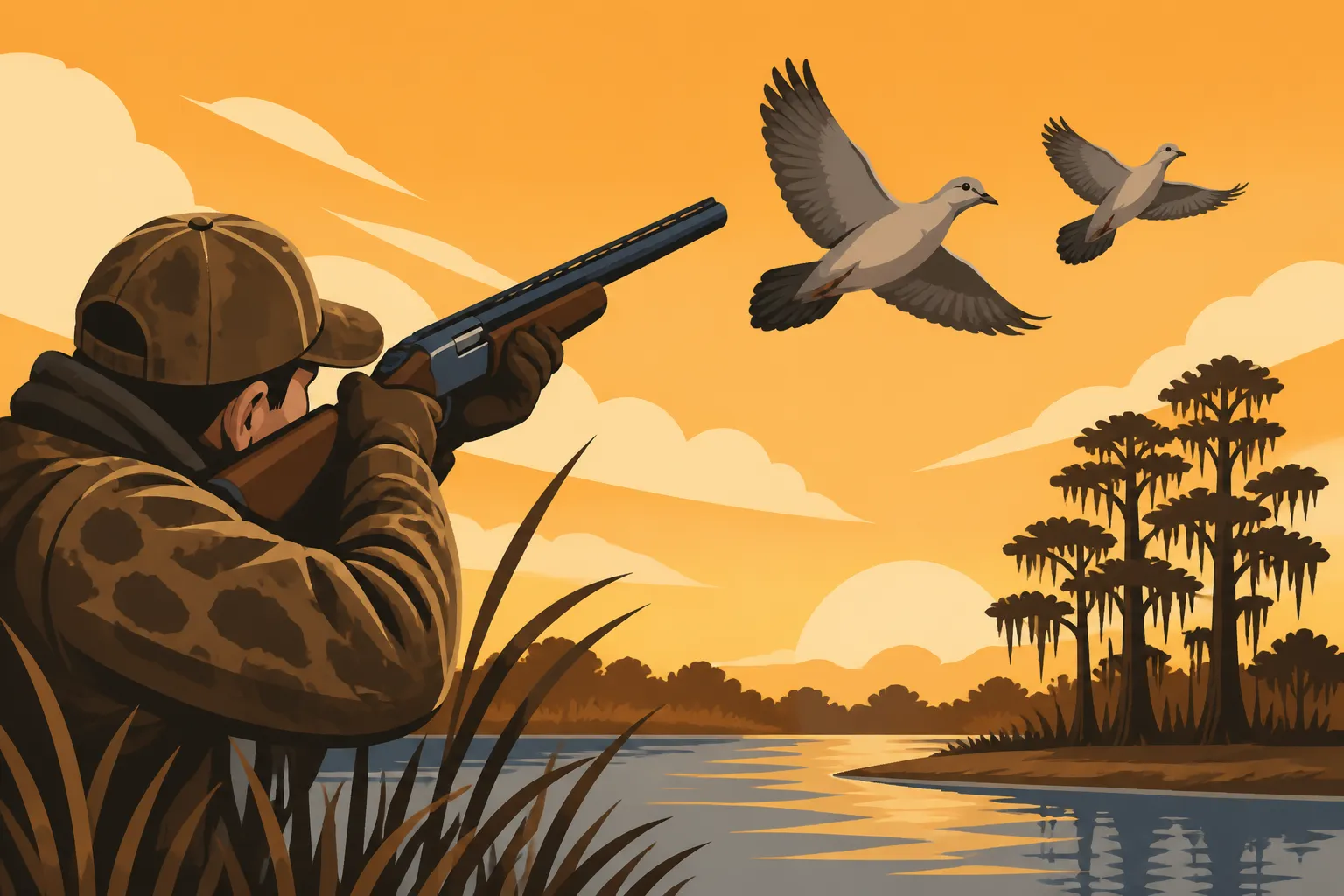
For many Mississippi dove hunters, the image of opening day is often a sprawling sunflower or cut milo field, packed with fellow enthusiasts, the sky filled with whistling wings and shotgun reports. But what happens when those prime fields are over-pressured, or perhaps you don't have access to one? Pass-shooting doves over a water hole offers a challenging yet incredibly rewarding alternative, and it's a tactic often overlooked. This guide will take you deep into the strategies needed to successfully hunt these elusive birds where they come to quench their thirst.
Understanding Dove Behavior Around Water Sources
Doves, much like humans in the Mississippi heat, have a constant need for hydration. Understanding their patterns around water is the first step to success.
Why Doves Seek Out Water
Doves have an incredibly high metabolic rate, which means they burn through energy quickly and, as a result, need to replenish fluids often throughout the day. This isn't just a casual sip; it's a vital part of their daily survival, especially when temperatures soar during the early dove season. You'll notice peak activity during the cooler parts of the day – early morning shortly after leaving their roosts, and then again in the late afternoon as they prepare to head back. Mid-day can see some sporadic visits, but it's generally less consistent and often consists of single birds or small pairs rather than large flocks.
When doves approach water, they aren't just looking for any old puddle. They prefer edges that are open, clear of dense vegetation, and offer good visibility. This behavior is rooted in self-preservation; landing in thick grass or heavy brush near the water's edge makes them vulnerable to predators like snakes, coyotes, or even lurking house cats. Bare, muddy banks or sandy edges are far more attractive to a thirsty dove, allowing them a clear view of their surroundings as they land, drink, and depart.
Identifying Ideal Water Holes
Finding the right water source is critical. While any water can draw a dove, some spots are simply magnets. Look for natural ponds, small stock tanks, shallow depressions that collect rainwater in agricultural fields, or even gradual, exposed bends in creeks. The key is to find those spots with barren, muddy banks or sparse vegetation right at the water's edge. Think about those cow ponds or field puddles that dry up and get trampled, leaving a perfect "landing strip" for doves.
The proximity of these water holes to active feeding areas is a major factor. Doves will feed in sunflower, milo, or cut corn fields, then fly directly to a nearby water source to drink before heading to roost or back to feed. If you find a water hole surrounded by dense timber but a mile from any food source, it might see less activity than a smaller puddle nestled between a cut soybean field and a gravel road. Using mapping apps, which many hunters find invaluable, can help you scout potential locations from afar, identifying agricultural fields and nearby water features, much like you would if you were Scouting Mississippi Public Land Before Season. A platform like GoHunt can give you an excellent overhead view, helping to pinpoint these promising combinations of food and water before you ever step foot on the ground.
Scouting and Strategic Setup for Water Hole Hunts
Once you understand why doves use water, the next step is to figure out how they use specific water holes, and then set yourself up for success.
Pre-Season Scouting Essentials
Effective pass-shooting starts long before opening day. Get out there with a good pair of binoculars and observe from a distance. You're looking for specific flight paths, preferred approach angles, and exactly where doves tend to land. Do they always come in from the north, circle once, and land on the west bank? Or do they drop straight in from a nearby tree line? This level of detail is gold.
Another tell-tale sign of a heavily used water hole is "whitewash" – the white droppings doves leave behind – on bare ground or rocks near the water. The more whitewash, the more popular the spot. Pay attention to the surrounding terrain as well. Are there any natural features like a thick briar patch, a stand of tall pines, or a fencerow that could offer concealment? These observations are crucial for planning your setup. For a successful Mississippi Dove Season Opening Weekend, having this knowledge can make all the difference, especially if you're trying to avoid the crowds typically found Working a Dove Field on Opening Day.
Here's a quick checklist for your water hole scouting missions:
| Observation Point | What to Look For | Why it Matters |
|---|---|---|
| Flight Paths | Consistent entry/exit routes, specific tree lines | Helps position yourself for intercepting shots |
| Preferred Landing Spots | Bare ground, muddy edges, areas with whitewash | Indicates where doves feel safest, guiding decoy placement |
| Peak Activity Times | Morning, late afternoon, mid-day lull | Dictates when to hunt for maximum success |
| Natural Concealment | Thickets, fencerows, standing trees, tall weeds | Essential for blending in and avoiding detection |
| Proximity to Food | Nearby cut fields (corn, milo, sunflowers) | Confirms primary reason doves are using this water |
| Wind Direction Influence | How doves approach/depart relative to typical winds | Doves typically land into the wind, guiding setup |
Concealment is Paramount
Doves possess incredibly keen eyesight. If they spot you, they'll flare, making for an impossible shot, or simply avoid the water hole altogether. Blending into your surroundings is not just recommended, it's absolutely essential. Look for opportunities to use natural cover such as dense bushes, the edge of a standing timber line, or a thick fencerow.
If natural cover is sparse, a portable ground blind can be your best friend. Make sure to brush it in thoroughly with local vegetation – pine branches, cane, or whatever is available – to break up its outline. Position your blind 15 to 25 yards from the doves' preferred approach or landing zone. This distance allows for good shooting opportunities without being so close that doves spot you too easily. Remember, you want to be hidden, but still have a clear view of incoming birds and a safe shooting lane.
Decoy Placement Strategies
Decoys, especially motion decoys, can drastically improve your success. While a water hole might draw doves naturally, decoys give them the confidence to commit and provide a focal point for their approach.
Spinning wing decoys, like those from Mojo Outdoors or Lucky Duck, are absolute game-changers for dove hunting. The flashing wings mimic a landing bird and catch doves' attention from a surprising distance. Place these decoys 10 to 15 yards from your blind, ideally near the preferred landing zone identified during your scouting. Position them so the rotating wings are visible to incoming birds.
Static decoys also play a role. Scatter a few shell or full-body decoys on the bare ground along the water's edge, mimicking birds that are already on the ground, feeding or resting. This adds to the illusion of safety and a "party" already in progress. Always consider wind direction. Doves, like most birds, prefer to land and take off into the wind. Position your decoys and yourself so that incoming doves will be flying into the wind as they approach, presenting a more controlled shot as they slow down.
Executing the Pass-Shoot: Tactics and Best Practices
Once you're hidden and your decoys are set, it's time to focus on the shot itself. Pass-shooting is a dynamic art that requires concentration and quick reflexes.
Optimal Shooting Positions and Angles
When pass-shooting over water, your primary goal is to intercept birds as they either approach or leave the water. Try to avoid shooting directly over the water itself, if possible. Not only can this make retrieval harder, but it also minimizes the risk of lead shot falling into the water, which can have environmental impacts. While Mississippi Dove Field Baiting Rules are focused on feed, lead shot considerations are good to keep in mind for waterfowl hunting and some specific wetland areas.
Your shooting position should offer a wide field of view without compromising your concealment. Ground level with a solid backstop of natural cover is often ideal. While an elevated position might give you better visibility, it can also make you more conspicuous to sharp-eyed doves. Focus on identifying your shooting lane and sticking to it. If you're hunting with others, clear communication about individual shooting zones is critical for safety and preventing accidental overlaps.
Shot Selection and Ammunition
Doves are not large birds, but they are incredibly fast and agile flyers, often presenting challenging wing shots. Don't let their size fool you; they can carry a lot of lead if not hit cleanly. The key is to lead them sufficiently. Many new dove hunters underestimate how much lead is required, especially on crossing shots.
For ammunition, smaller shot sizes like 7.5 or 8 are generally ideal. These offer a dense pattern, increasing the likelihood of hitting a fast-moving target without over-penetrating the bird. High-brass loads can provide a bit more velocity, which can be advantageous. Always carry enough shells – dove hunting can be fast and furious, and it's not uncommon to go through a box or more in a good session. If you're hunting over wetlands or areas where lead shot is prohibited for waterfowl, ensure you use steel shot or another approved non-toxic alternative, though this is less common for typical dove fields in Mississippi. However, being prepared is always wise, especially as rules can vary.
Retrieving Downed Birds
This is where many hunters lose birds, leading to wasted game. Doves, especially in cover, can be incredibly difficult to find. As soon as you shoot, mark the bird's fall meticulously. Pick out a prominent tree, bush, or other landmark where you saw it go down, and head straight for that spot after the flurry of shooting subsides.
A good retrieving dog is invaluable for dove hunting. They can find birds in dense cover or tall grass that you would never spot. If you don't have a dog, recruit hunting partners to help with the search, assigning specific retrieval zones to avoid confusion. Prompt retrieval is also crucial, particularly on warm Mississippi days. Doves can spoil quickly in the heat, so gather your birds regularly and place them in a cooler with ice. Each successful retrieve contributes to the overall Mississippi Mourning Dove Harvest Numbers and ensures your efforts aren't in vain.
Safety, Regulations, and Ethical Considerations
Responsible hunting means knowing and following all rules and practicing safe, ethical conduct.
Adhering to Mississippi Regulations
Before you even step foot out the door, make sure your paperwork is in order. You absolutely must carry your valid Mississippi Hunting Licenses and What They Cost, and if you're hunting migratory birds like doves, you'll also need to have current HIP (Harvest Information Program) certification. This is a simple, free registration that helps wildlife agencies track migratory bird harvest data, and without it, your migratory bird license is invalid. Familiarize yourself with the Mississippi HIP Certification for Bird Hunters requirements.
Beyond licenses, always be keenly aware of the Mississippi Dove Season Bag Limit and daily limits. These are strictly enforced, and ignorance is no excuse. Also, pay close attention to legal shooting hours – typically 30 minutes before sunrise to sunset. Setting your watch or using a hunting app that provides sunrise/sunset times for your specific location is a smart move. While not always a factor for doves, check Mississippi Blaze Orange Requirements if you plan to hunt public land, as other seasons might be open concurrently, necessitating blaze orange even for non-deer hunters. It’s better to be safe than sorry. Keep in mind that Mississippi Small Game Season Rules encompass doves, and understanding the full scope of these regulations is important.
Hunter Safety and Etiquette
The most important rule in hunting is firearm safety. Always know your target and what lies beyond it. When pass-shooting, especially with fast-moving birds, it's easy to get tunnel vision. Be absolutely certain your shot is clear and you have a safe backstop before pulling the trigger. This is particularly vital when hunting near roads, homes, or livestock.
If you're hunting a shared water hole with other people, communication is key. Establish clear zones of fire to prevent accidental overlaps or shooting across another hunter's line of sight. It's an unspoken code among ethical hunters to respect space and safety. If you're using a mapping tool like GoHunt to scout private land, ensure you have explicit, written permission from the landowner to be there. Never assume access, even if a gate is open. This also means properly storing your firearm when not actively hunting – unloading it when crossing fences, getting in and out of vehicles, or simply taking a break.
Respecting the Resource and Landowners
As hunters, we are stewards of the land and its wildlife. Always practice "Leave No Trace" principles. Pick up every single spent shotgun shell, empty box, and any other trash you might have brought with you. A clean hunting spot is a sign of respect and ensures continued access, especially on private land.
If you are fortunate enough to gain permission from a landowner to hunt their water hole, always express your sincere gratitude. A thank-you note or even a small gift at the end of the season can go a long way in maintaining a good relationship. Leaving the land better than you found it is paramount. Finally, be vigilant. If you observe any suspicious activity, such as illegal baiting or poaching, report it promptly to the Mississippi Department of Wildlife, Fisheries, and Parks (MDWFP). Protecting our wildlife resources is everyone's responsibility.
Disclaimer
Hunting is an inherently dangerous activity. This guide provides general information and recommendations. Always consult the most current Mississippi Department of Wildlife, Fisheries, and Parks (MDWFP) regulations, seek proper training, and prioritize safety. The author and publisher are not responsible for any accidents, injuries, or legal issues that may arise from the use of this information.