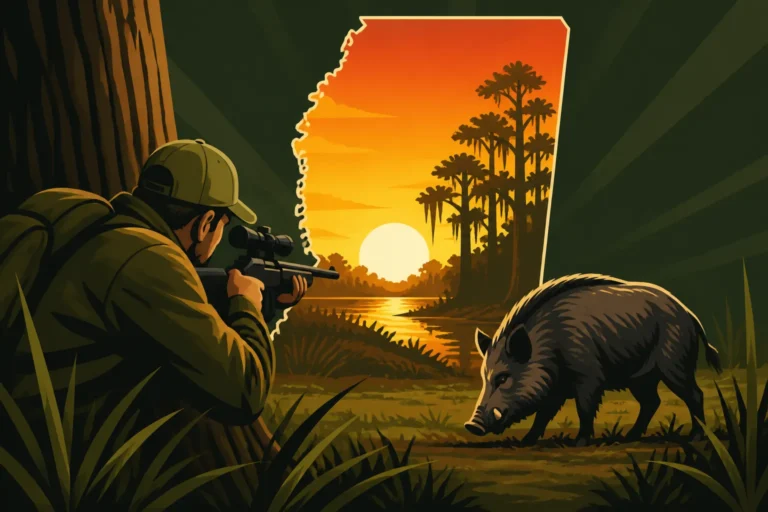
Building and Freshening a Hog Bait Site
Dealing with feral hogs in Mississippi can feel like a never-ending battle, whether you're protecting crops, managing timber, or just trying to enjoy the deer season without constant rooting damage. These intelligent, prolific critters can wreak havoc, and sometimes, the most effective way to manage them is by drawing them in consistently. This guide will walk you through the practical, down-to-earth steps of building and maintaining a successful hog bait site, helping you gain an edge on these destructive animals.
Understanding the Need for a Hog Bait Site in Mississippi
If you've spent any time in the woods or fields of Mississippi, you know feral hogs aren't just a nuisance; they're a full-blown problem. Their populations explode quickly, and their destructive habits impact agriculture, timber, and native wildlife. Simply put, they eat everything, ruin fields, and outcompete other animals. Establishing a bait site isn't about simply feeding them; it's a strategic management tool designed to concentrate their activity, making them more predictable and vulnerable for removal. This is especially true given that Mississippi has a year-round open season on hogs, making consistent management crucial.
Why Feral Hogs Are Such a Problem
Feral hogs are not native to Mississippi, and without natural predators (beyond human hunters), their numbers continue to climb at an alarming rate. They can reproduce incredibly quickly, with sows having multiple litters per year, each litter often consisting of six to twelve piglets. This exponential growth means that even if you remove a significant number of hogs, the population can bounce back in a matter of months. They are highly adaptable, able to thrive in diverse habitats from the rich bottomlands of the Delta to the pine forests of South Mississippi. The damage they inflict is widespread, including rooting up fields, destroying food plots intended for deer, contaminating water sources, and even preying on fawns and turkey poults. For more on their impact, check out our guide on Feral Hogs Across Mississippi.
The Strategic Advantages of Baiting
Baiting, when done correctly and legally, offers several key advantages for hog management. First, it centralizes their feeding activity. Instead of hogs randomly foraging across hundreds of acres, a well-established bait site can draw them to a specific, manageable location. This predictability is golden for hunters and landowners trying to mitigate damage. Second, it allows for more efficient removal. By creating a consistent pattern of visits, you can time your efforts for maximum impact, whether that's through trapping or hunting. Thirdly, it can help you get an accurate picture of the local hog population, including group size and movement patterns, which is invaluable for long-term management strategies.
Selecting and Preparing Your Bait Site Location
Choosing the right location for your hog bait site is probably the most critical step. It’s not just about tossing out some corn; it’s about understanding hog behavior, accessibility, and local regulations. A poorly chosen site can be ineffective or even counterproductive, drawing hogs into areas where they're harder to manage or causing issues with neighbors.
Key Factors for Site Selection
When scouting for a bait site, think like a hog. What makes them feel safe? What offers easy access? And what puts them in a position where you can effectively manage them?
- Proximity to Hog Activity: Start by identifying areas with current hog sign – rooting, tracks, scat, and rubbed trees. If you're seeing fresh damage in a field, that's a good indicator. Look for travel corridors, especially those leading from bedding areas (thick cover, swamps, dense timber) to feeding grounds. A great tool for this is a mapping app like GoHunt, which can help you identify dense cover, water sources, and potential travel routes.
- Cover and Security: Hogs are wary. They prefer to feed under the cover of darkness or in locations where dense vegetation provides an escape route. Avoid open, exposed areas if possible. A good spot might be on the edge of a thicket, near a creek bottom, or inside a small patch of timber adjacent to a field. This makes them feel secure enough to approach the bait.
- Accessibility for You: While you want the hogs to feel secure, you also need to be able to access the site safely and discreetly. Consider wind direction for your approach, easy entry and exit points, and how you’ll set up your stand or trap without alerting them. Remember, hogs have an incredible sense of smell and hearing.
- Water Sources: Hogs love water, not just for drinking but for wallowing to cool down and remove parasites. Proximity to a creek, slough, pond, or swamp can make your bait site even more attractive.
- Legal Considerations: Always, always double-check current Mississippi hunting regulations regarding baiting. While generally permissible for hogs on private land, rules can change, and public lands like WMAs often have strict prohibitions. Make sure your chosen site is within legal parameters. You can find general regulations in our guide to Mississippi Feral Hog Regulations.
Initial Site Preparation
Once you've pinpointed a promising location, a little elbow grease can go a long way in preparing it for success.
- Clearing and Leveling: You don't need to clear an acre, but a manageable area around 10×10 feet is usually sufficient. Clear out dense undergrowth, briars, and any debris that might impede visibility or make it difficult for hogs to access the bait. If you're planning to use a feeder, ensure the ground is relatively level for stability.
- Establishing a Trap or Feeder Placement: Decide whether you'll be using a feeder or a hog trap. If it's a feeder, think about how it will be secured to prevent larger hogs from knocking it over. If it’s a trap, make sure the ground is clear enough for the trap's operation and that you can blend it into the surroundings. When deciding on placement, remember that hogs are incredibly strong; anything not anchored down well is likely to become a toy.
- Scent Control: This is crucial. When preparing the site, try to minimize human scent. Wear clean clothes, gloves, and consider using a scent eliminator spray. Hogs will shy away from areas that smell too "human." Try to approach the site from a different direction each time, or at least from a direction that keeps the wind in your favor.
| Feeder Type | Pros | Cons | Best Use Case |
|---|---|---|---|
| Broadcast Feeder | Disperses bait widely, easy setup, affordable | Can be messy, waste more bait, vulnerable to other animals | Large areas, attracting multiple sounders |
| Gravity Feeder | Simple, reliable, less prone to mechanical failure | Requires frequent refilling, can be dominated by one hog | Smaller operations, consistent feeding patterns |
| Timed Feeder | Precise control over feeding times/amounts | Battery/motor issues, more expensive, can be finicky | Training hogs to a schedule, remote monitoring |
| Snare/Barrel Feeder | Very durable, keeps bait contained, hog-specific | Requires hogs to root/nudge, slower bait dispersal | High hog pressure, minimizing non-target animal access |
Building and Activating Your Bait Site
Now that you've got your spot picked and prepped, it's time to get down to business. Building an effective bait site isn't just about throwing out some corn; it's about consistency, strategic bait choices, and patience.
Choosing the Right Bait
While hogs will eat almost anything, some baits are far more effective at attracting them and keeping them coming back.
- Corn: The King of Hog Bait: Undeniably, shelled corn is the most popular and effective hog bait. Hogs love it, it’s readily available, and relatively inexpensive. However, don't just dump a pile. Consider mixing it with other ingredients to make it even more enticing.
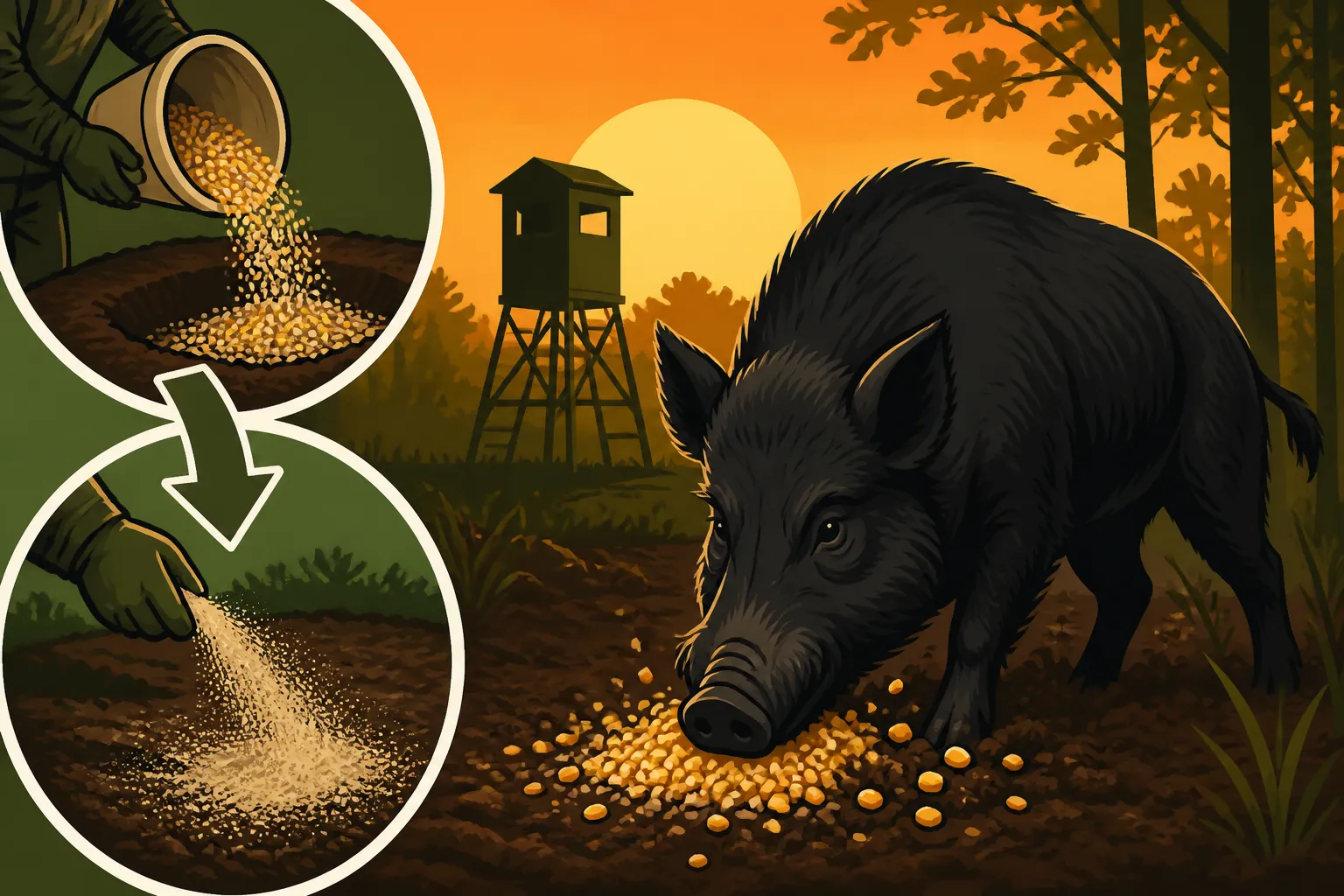
- Fermented Corn: This is where the magic often happens. Hogs are drawn to strong, sour smells. To ferment corn, simply soak it in water for a few days, allowing it to sour. Many hunters add a packet of yeast or some sugar to speed up the process. This creates a powerful aroma that travels far, especially in warm, humid Mississippi air.
- Sour Mash and Other Treats: Beyond fermented corn, you can add other strong-smelling ingredients like molasses, fruit scraps (especially overripe ones), stale pastries, or even cheap dog food. The key is the strong scent profile that signals an easy, high-calorie meal. Some hunters swear by a mix of sour corn, cheap jello powder (strawberry or cherry), and a dash of diesel fuel – the diesel scent is believed to mimic rooting hogs.
- Commercially Available Attractants: Many companies produce granular or liquid hog attractants that can be mixed with corn or sprayed around the site. Brands like Wildgame Innovations or Hog Wild make products designed to carry scent long distances. While they can be effective, they often come with a higher price tag than DIY fermentation. Use GoHunt's resources or forums to see what other hunters in Mississippi are having success with.
Methods for Bait Delivery
How you present the bait can significantly impact your success and efficiency.
- Broadcasting: Simply scattering bait by hand or with a small hand-spreader. This works well for initial attraction and covering a wider area. It encourages hogs to root around, mimicking natural foraging behavior.
- Feeder Systems:
- Gravity Feeders: These are essentially large barrels or containers with a chute at the bottom that allows corn to fall out as hogs root and bump the feeder. They’re simple, reliable, and require less frequent refilling than broadcasting. Make sure it's anchored securely to a tree or post, as hogs will try to move it.
- Timed Feeders: These battery-operated feeders can be programmed to dispense bait at specific times, usually at dawn and dusk when hogs are most active. This helps establish a routine, making hogs more predictable. However, they require battery maintenance and can be more susceptible to mechanical issues or damage from hogs.
- Barrel or Tire Feeders: These are DIY options where you cut holes in a plastic barrel or large truck tire, allowing hogs to nose and roll the container to get at the bait. They're durable and can be very effective as they make the hogs "work" for the food, keeping them engaged longer.
Activating the Site
Consistency is the name of the game. Once you start baiting, you need to commit to a schedule.
- Initial Overload: For the first few days or even a week, put out a generous amount of bait. The goal is to make it an irresistible target. If you're using fermented corn, dig a small depression in the ground, pour in the sour corn, and cover it lightly with dirt and leaves. This helps contain the scent and mimics a fresh rooting spot.
- Trail Cameras are Your Best Friend: Set up at least one, preferably two, trail cameras overlooking your bait site. This is absolutely critical. Trail cameras will tell you:
- If hogs are finding the bait: You'll see direct evidence.
- When they are visiting: Day, night, specific times. This helps you establish a hunting or trapping schedule.
- How many hogs are visiting: Gives you an estimate of the sounder size.
- Other animals: You’ll also see deer, raccoons, squirrels, and even bears (if in the area), which helps you understand patterns and potential competition for bait.
- Using apps like GoHunt, you can even map out your camera locations and analyze patterns over time. This data-driven approach is invaluable.
- Patience, Patience, Patience: It can take several days, sometimes over a week, for hogs to find and commit to a new bait site, especially if they haven't been baited in that specific area before. Don't get discouraged if you don't see them on camera immediately. Keep replenishing the bait consistently.
Freshening and Maintaining Your Bait Site
Once your site is established and hogs are regularly visiting, the real work of maintenance begins. Consistency and smart management are key to keeping them coming back and maximizing your efforts.
The Art of Replenishment
Regular replenishment is vital. Hogs have excellent memories, and if a food source dries up, they'll move on quickly.
- Consistent Schedule: Try to replenish the bait at the same time every few days. Early morning or late afternoon often works best, allowing the scent to dissipate somewhat before hogs become active.
- Gauge Consumption: Your trail cameras will give you a good indication of how quickly the bait is being consumed. Adjust your replenishment frequency and quantity accordingly. If they're cleaning it out in a day, you need more bait or a more efficient feeder. If it's sitting there for days, reduce the amount.
- Refresh Scent: When you replenish, consider adding a little more fermented corn, molasses, or commercial attractant to refresh the scent profile. Hogs rely heavily on their sense of smell, and a strong, fresh aroma will pull them in from a distance.
- Minimize Disturbance: Every time you visit the site, you leave human scent and create disturbance. Be as quick and quiet as possible. Approach with the wind in your face or crosswind, and try to walk the same path in and out to concentrate your scent trail.
Advanced Tactics for Site Management
Beyond basic replenishment, there are several advanced tactics you can employ to make your bait site even more effective.
- Mud Wallows: If there's a natural depression or a spot that collects water near your bait site, consider creating a small, muddy wallow. Hogs love to wallow, especially in hot Mississippi weather, and it provides another reason for them to linger at your site. A simple hoe or shovel can help you deepen a depression and churn up some mud.
- Scent Trails: To initially draw hogs to a new site, or to re-engage them if activity slows, create a scent trail. Drag a burlap sack soaked in sour corn juice or a commercial attractant from a known travel corridor directly to your bait site. Hogs will often follow these trails right to the source.
- Trap Training: If your ultimate goal is trapping, you can "pre-bait" a trap by leaving it open and baiting inside it for several days or weeks. This gets hogs comfortable entering the trap structure before you actually set it. For more on trapping, see our guide on What Hog Trappers Use in Mississippi.
- Hunting the Site: When hunting over a bait site, timing is everything. Based on your trail camera intel, you'll know when hogs are most active. Many hunters find success in the evening or early morning. Consider setting up a ground blind or a tree stand downwind of the bait. Remember to be mindful of shot placement for a humane harvest, as outlined in Shot Placement on a Feral Hog.
- Night Hunting and Thermal: In Mississippi, night hunting hogs is often legal on private land with specific restrictions regarding lights. Combining a bait site with night hunting using lights or thermal optics can be incredibly effective, especially if hogs are primarily nocturnal in your area. Check out Night Hunting Hogs With Lights on Private Land for more details.
Troubleshooting Common Issues
Even the best-laid plans can hit snags.
- Other Animals Eating Bait: Raccoons, deer, squirrels, and even bears can become regular visitors to your bait site. This is where feeders designed to be hog-specific (like barrel feeders with smaller holes) can help, but some bait theft is inevitable. Using a heavily fermented bait can sometimes deter deer, but raccoons are usually undeterred.
- Hogs Vanishing: If hogs suddenly disappear from your site, several things could be happening. They might have been pressured by hunting, moved to a new food source (like a sudden acorn drop), or you might have spooked them. Give them a break, change up your bait, and ensure you're being as discreet as possible during visits. Check wider areas for new sign.
- Weather Impacts: Heavy rains can wash away bait or dilute scents. Extremely cold weather can slow hog activity. Adjust your strategy based on conditions. Post-rain, re-freshen scents, and after a cold snap, they might be extra hungry.
- Legal Changes: Always stay up-to-date with MDWFP regulations. They can change, especially regarding public land or specific counties.
Maintaining a hog bait site is a continuous effort, but it's one of the most effective strategies for managing these challenging animals in Mississippi. With consistent effort, strategic baiting, and careful monitoring, you can make a significant dent in your local hog population and protect your land.
Disclaimer
Hunting and trapping regulations can change frequently. Always consult the latest Mississippi Department of Wildlife, Fisheries, and Parks (MDWFP) regulations before engaging in any hunting or trapping activities. This guide is for informational purposes only and does not supersede state law.