Handling a Hog After the Shot
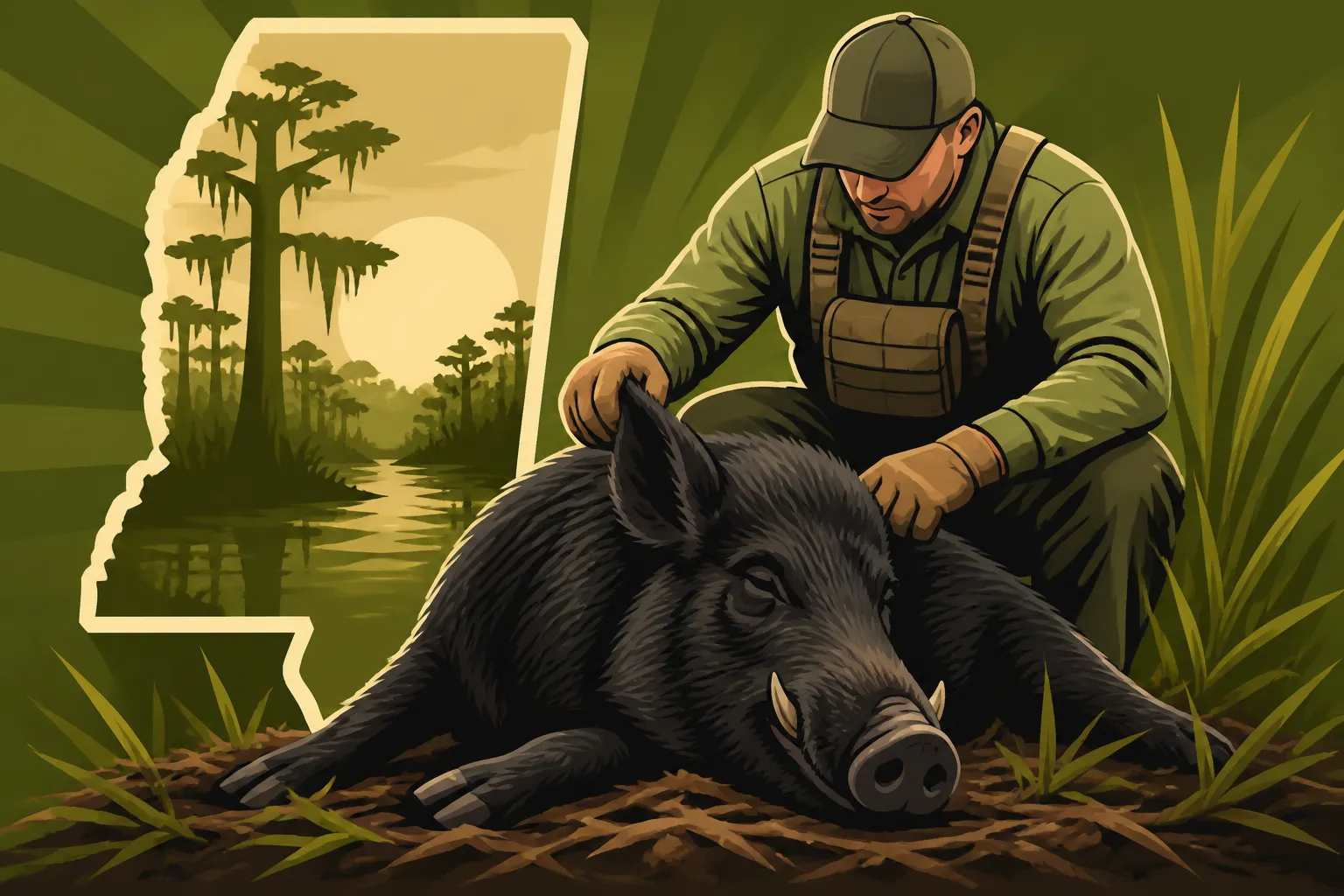
That moment when a Mississippi feral hog finally drops can feel like the end of the hunt, but for those of us who value the meat and want to make the most of our harvest, it’s really just the beginning of another critical phase. Dealing with a hog after the shot, especially in our often warm and humid climate, presents its own unique set of challenges that can easily lead to spoilage if you’re not prepared. This comprehensive guide will walk you through every essential step, from ensuring safety in the field to getting that valuable meat properly cared for and ready for the table.
Immediate Post-Shot Actions: Safety and Assessment
The adrenaline after a successful shot can be overwhelming, but your first priority is always safety, followed by a careful assessment of the animal and your surroundings. Hogs are notoriously tough and unpredictable, even when seemingly down for the count.
Prioritizing Safety in the Field
After you’ve taken your shot, it’s tempting to rush right to the downed animal, but resist that urge. First, ensure your firearm is safe and secure. If you’re hunting with a rifle, engage the safety and consider unloading it, especially if you anticipate moving through dense cover. If you're bowhunting, make sure your arrow quiver is secured and your bow is safely out of the way before approaching. Always assume the animal might not be completely expired. A wounded hog can be incredibly dangerous, capable of quick charges and inflicting serious injury with its tusks. Give it time, watch from a safe distance, and approach cautiously, always from behind its head if possible.
If you’re hunting with dogs, which is a popular method for Running Dogs on Mississippi Feral Hogs, this step is even more critical. You need to assess the situation and ensure the dogs are under control before you get too close. The last thing you want is to get caught between a wounded hog and a pack of excited dogs. Make sure the area is clear of any other hunters or potential hazards before moving forward.
Confirming the Harvest
Once you’ve allowed a few minutes for the animal to expire and observed no movement, begin your cautious approach. Look for signs of life, such as ear flicking, eye movement, or shallow breathing. If you see any of these, be prepared to deliver a follow-up shot to the vitals or head to dispatch the animal quickly and humanely. A hog's tenacity means they can sometimes appear dead but still have enough fight left to surprise you.
Never straddle a hog or place yourself in a position where it could get up and injure you. Approach with your weapon ready, just in case. Once you are certain the hog is completely down and still, you can begin the process of physically checking it. A quick touch to the eye with a stick or the barrel of your unloaded rifle can confirm there’s no reflex. Once confirmed, take a moment to appreciate the animal and the successful hunt.
Initial Documentation and Tagging
One of the great things about hunting feral hogs in Mississippi is that they are considered an invasive species, meaning the regulations around harvest are quite liberal. On private land, there’s generally no closed season, no bag limit, and no need for specific tags like you’d use for deer or turkey. This is detailed further in Mississippi Feral Hog Regulations. However, it’s still good practice to document your harvest for your own records, especially if you track your hunting success or plan to share the story.
Take a few photos if you like, noting the time and location. While you don’t need to formally tag a hog, understanding that it's an introduced species and how it impacts our native wildlife further emphasizes the value of removing them from the landscape. This informational approach is part of what many ethical hunters appreciate, contributing to the health of the ecosystem.
Field Dressing: The Crucial First Step for Quality Meat
Mississippi's climate is often warm, sometimes downright scorching, and this is where quick and efficient field dressing becomes absolutely paramount. Skipping or delaying this step can drastically diminish the quality, or even entirely ruin, the meat.
Essential Tools and Supplies
Before you even head into the field, you should have a small kit prepared for post-shot processing. This isn’t just for convenience; it’s vital for meat preservation. Here’s what you’ll need:
- Sharp Knife: This is non-negotiable. A sharp blade, or even a replaceable blade knife system like those from Havalon, makes the job infinitely easier and safer. Dull knives slip and cause accidents. Bring a couple of knives or a sharpener.
- Gloves: Latex or nitrile gloves are a must. Hogs can carry a variety of diseases, and keeping clean is important. They also help with grip.
- Game Bags: While not strictly for field dressing, having game bags ready will protect the meat from flies and debris once quartered, especially if you anticipate a long drag.
- Rope or Drags: To help position the animal for dressing or to begin the extraction process.
- Wipes or Paper Towels: For cleaning your hands and equipment.
- Water: A small bottle of water can be useful for rinsing hands or a knife blade, though too much water on the meat itself is generally advised against for initial field dressing unless you can dry it thoroughly.
The Field Dressing Process
The goal of field dressing is simple: remove the internal organs as quickly as possible to allow the carcass to begin cooling from the inside out. In Mississippi’s heat, internal body temperature can spoil meat remarkably fast.
- Position the Hog: Lay the hog on its back, if possible, for easier access. Using a log or rocks to prop it up can help keep the gut cavity open. If it's a large hog, you might need a rope or two people to help position it.
- Make the Incision: Start your cut shallowly, just below the breastbone, and extend it all the way down to the pelvic bone. Use caution around the belly to avoid puncturing the intestines, which can release bacteria and contaminate the meat. Many hunters will lift the skin and muscle with two fingers, cutting upwards to avoid this. Carefully cut around the anus and reproductive organs to free the rectum and bladder.
- Evisceration: Reach into the cavity and sever the trachea and esophagus as high up in the chest as you can reach. Then, carefully pull and roll out the entire gut pile. Make sure all organs, including the heart, lungs, liver (if healthy and desired), and stomach/intestines, are removed. Pay attention to the diaphragm, cutting it away from the rib cage.
- Clean the Cavity: Once the organs are out, inspect the cavity. Remove any remaining bits of tissue or debris. If you have clean water, a light rinse might be acceptable, but generally, wiping it out thoroughly with paper towels or a clean cloth is preferred to avoid adding moisture that can promote bacterial growth. Prop the cavity open with sticks or small branches to allow for maximum airflow.
This process, while messy, is a critical step in preserving the quality of your hard-earned hog meat. A well-placed shot, as discussed in Shot Placement on a Feral Hog, can also minimize damage to the internal organs and make this step cleaner.
Addressing Odor and Contamination
Hogs, particularly larger boars, can have strong musky odors, especially during certain times of the year. Some hunters believe removing certain glands (often found in the hind legs or along the spine) immediately can reduce this, but the primary factor in meat quality is rapid cooling and cleanliness. The strong smell is usually more related to the fat and the animal's diet rather than specific glands that need to be removed during field dressing.
The biggest contamination risk comes from the contents of the digestive tract. If you accidentally nick the intestines or stomach, quickly clean the affected meat surfaces by trimming away any contaminated portions. This is where those wipes come in handy. Keep the hair off the meat as much as possible during the process, as hair can carry bacteria. The goal is to get that carcass clean and cool.
Extraction and Initial Cooling
Once field dressed, the race against time, especially in Mississippi’s heat, truly begins. Getting the hog out of the woods and cooled down is paramount.
Strategies for Moving the Animal
Getting a hog, especially a large one, out of dense Mississippi timber or swamps can be a real workout. You need a plan.
- Drags and Sleds: For smaller hogs or shorter distances, a simple deer drag or a purpose-built game sled can be invaluable. These help slide the animal over brush and uneven terrain, saving your back.
- ATVs or UTVs: If allowed on the property and terrain permits, an ATV or UTV is a game-changer. You can secure the hog to a small trailer, a cargo rack, or even drag it directly (though this can scuff up the meat). Always be mindful of weight limits and stability, especially on steep or muddy trails. Using a comprehensive scouting tool like GoHunt can help you pre-plan extraction routes from dense bottomlands, making the retrieval process significantly smoother and identifying spots where vehicle access is feasible.
- Manual Labor: Sometimes, good old-fashioned muscle is the only option. Recruit hunting partners to help. Two or more people can often carry even a decent-sized hog, using poles, ropes, or simply shoulder-carrying. Remember to lift with your legs, not your back!
Even if you're not using GoHunt for mapping, knowing your access points and potential difficulties for vehicle retrieval is paramount to avoid getting stuck or exhausting yourself unnecessarily. This foresight can make or break the post-shot experience.
The Importance of Rapid Cooling
This cannot be stressed enough in a warm climate like Mississippi's. Once field dressed, the internal temperature of the hog needs to drop quickly. Bacteria thrive in warm conditions, and they are the primary cause of spoiled meat.
- Airflow: Prop the carcass open, especially the chest cavity, and hang it if possible. Air circulation is your best friend.
- Shade: Get the hog out of direct sunlight immediately. Sun exposure will rapidly raise the surface temperature of the meat.
- Ice: If you have a cooler and ice, don't hesitate. You can place ice bags inside the cavity, making sure the meltwater can drain away. For larger hogs, quartering them into game bags and placing them directly into a cooler filled with ice water is often the best approach to drop the core temperature quickly. This proactive measure is often the difference between delicious pork and a wasted animal. Many successful hunters, often guided by insights from platforms like GoHunt, understand that thorough preparation before the hunt extends right through to post-shot meat care.
Transporting from the Field
Once you've moved the hog from the spot of the kill, you need to get it transported to a processing facility or your home.
- Vehicle Preparation: If putting it in the bed of a truck, lay down a tarp or heavy plastic to contain blood and make cleanup easier.
- Airflow and Protection: Even during transport, try to maintain airflow around the carcass. Avoid covering it tightly with tarps that trap heat. If possible, keep it in the shade. If it's a long drive or a hot day, having ice in the cavity or having it quartered in coolers is the safest bet. You don't want all your hard work to be undone on the drive home.
Home Processing and Special Considerations
Once you've got the hog out of the field and back to a suitable location, the final stages of processing begin. This is where you really transform the animal into table-ready meat.
Butchering Options
You generally have two main choices for butchering your hog: doing it yourself or taking it to a professional processor.
- DIY Butchering: If you have the tools, space, and knowledge, butchering a hog at home can be a rewarding experience. You have complete control over how the meat is cut and packaged, and it can save you money. You’ll need a clean workspace, sharp knives, a meat saw, and plenty of freezer paper, vacuum sealer bags, or game bags. You can customize cuts for roasts, chops, sausage, bacon, and more. This truly brings the full field-to-fork experience to life.
- Professional Processor: For many, especially with larger hogs or limited time/equipment, a professional processor is the way to go. They have the expertise and facilities to handle the animal efficiently and hygienically. They can provide custom cuts, make sausage, and cure bacon. Be sure to call ahead to your local processor, especially during peak hunting seasons, to ensure they have capacity. They'll also be aware of any local regulations or common concerns.
| Temperature Range (F) | Immediate Actions | Cooling Strategy | Notes on Meat Care |
|---|---|---|---|
| 70+ (Hot) | Gut within 5-10 min, move to shade ASAP | Quarter immediately into ice chest, cover fully with ice water. | Highest risk of spoilage. Do not delay. Consider processing on site if possible. |
| 50-70 (Mild) | Gut within 15-30 min, move to shade/airflow | Hang in shade, prop cavity open, add ice to cavity if transport is long. | Good airflow is key. Monitor internal temp; aim for <40F quickly. |
| Below 50 (Cold) | Gut within 1 hour, move to cool place | Hang in cool place, prop cavity open for airflow. | Less urgent, but still critical for quality. Allows some aging if desired. |
Dealing with Warmer Temperatures
This is the ever-present challenge for Mississippi hunters. You simply cannot take the same relaxed approach as someone hunting in a colder climate.
- Don't Delay: From the moment the hog hits the ground, the clock is ticking. Every minute counts. Rapid field dressing and immediate cooling are non-negotiable.
- Ice Baths and Continuous Cooling: If you’re processing at home, consider submerging quartered sections of the hog in an ice bath to rapidly draw out heat. Once cooled, get it into a refrigerator or freezer. If hanging, ensure it’s in a cooler, well-ventilated space, ideally with a fan to aid evaporation and cooling.
- Watch for Flies: Flies are attracted to blood and exposed meat, especially in warm weather. Game bags, as mentioned earlier, can provide a physical barrier.
Chronic Wasting Disease (CWD) and Other Concerns
While feral hogs are not susceptible to Chronic Wasting Disease (CWD), which primarily affects deer and other cervids (as covered in Mississippi's Chronic Wasting Disease Zones), it's still good practice to be generally aware of animal health. If you notice any unusual lesions, tumors, or generally sickly appearance, it's wise to take precautions.
A more common concern with feral hogs is trichinosis, a parasitic worm. While often overstated as a widespread problem, it’s always present as a possibility. The good news is that trichinosis is easily killed by thorough cooking. Always cook feral hog meat to an internal temperature of at least 160°F (71°C) to ensure any parasites are destroyed. This is a simple and effective food safety measure that every hunter should follow.
Hog hunting in Mississippi offers a unique opportunity to help control an invasive species while putting delicious, organic meat on the table. Understanding the nuances of Feral Hogs Across Mississippi and proper post-shot care, including techniques like Building and Freshening a Hog Bait Site or even Night Hunting Hogs With Lights on Private Land, ensures you're a responsible and effective hunter. Remember, there are generally no Mississippi Hog Hunting Permit Requirements for private land, making it very accessible. And if you're curious about different methods, you can always explore What Hog Trappers Use in Mississippi for an alternative approach.
The effort you put in after the shot directly correlates to the quality of the meat you'll enjoy. Take your time, be methodical, and you'll be enjoying fantastic feral hog dishes for months to come.
Disclaimer
The information provided in this guide is for general informational purposes only and does not constitute legal advice. Hunting regulations and best practices can change. Always consult the latest Mississippi Department of Wildlife, Fisheries, and Parks (MDWFP) regulations and local ordinances before hunting. Ensure you understand and comply with all applicable laws and safety guidelines.