Muzzleloader Deer Hunting in Mississippi
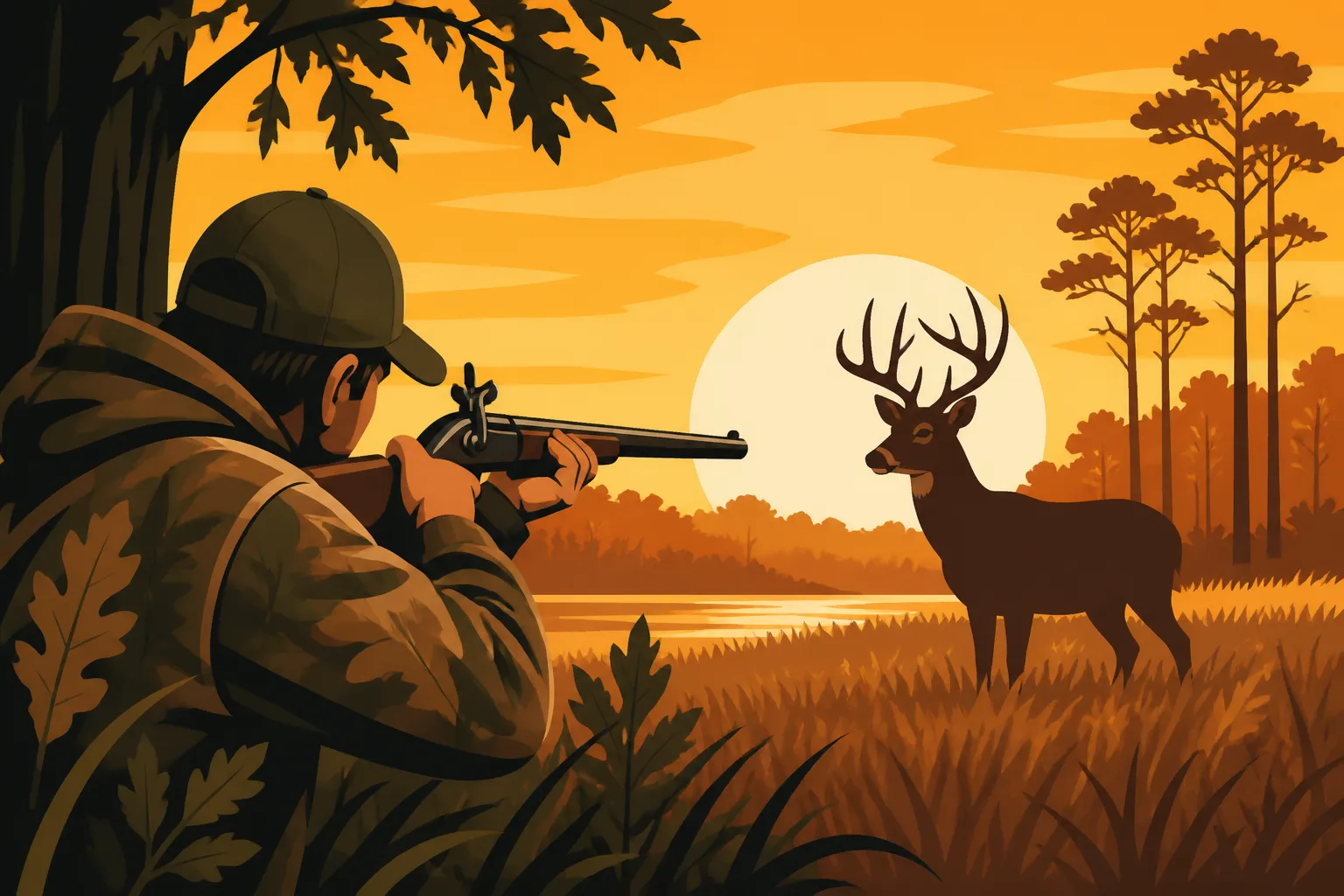
There's something truly special about the crisp air of a Mississippi fall, the woods painted in shades of russet and gold, and the quiet challenge of the muzzleloader season. It’s a unique time, often bridging the gap between the initial archery rush and the full-on modern gun opener, offering a distinct opportunity to connect with nature and pursue deer in a more traditional, deliberate way. If you’ve ever felt the allure of that single-shot precision, the smoke, and the history, but found yourself a little unsure of the specific rules or the best tactics for Mississippi, you're not alone. This comprehensive guide will walk you through everything you need to know about muzzleloader deer hunting in our great state, from legalities and gear to advanced strategies for success.
Understanding Mississippi's Muzzleloader Season Structure
Navigating the Mississippi deer season can feel like decoding a complex puzzle, especially with the different management units and their specific regulations. The muzzleloader season isn't just a free-for-all; it's a carefully structured window designed to offer hunters a unique experience while still managing the deer herd effectively. Understanding these nuances is crucial for a legal and successful hunt.
Season Dates and Unit Variations
Mississippi operates under a four-unit system for deer management: Delta, Hills, North Central, and Southeast. Each of these units has slightly different season dates, including specific windows for archery, primitive weapons (which includes muzzleloaders), and modern firearms. For muzzleloader hunters, these primitive weapon seasons often fall after the statewide archery season concludes but before the general gun season really kicks into high gear. This timing can be a real advantage, as deer might still be relatively unpressured from heavy gun hunting, and in some areas, the early stages of the rut might even be kicking off.
For example, in the Hills and North Central Units, the primitive weapons season generally opens in early November, offering a fantastic opportunity to hunt prior to the gun season. The Delta Unit often has an earlier primitive weapon opening, sometimes overlapping with late October archery, allowing for some prime early rut action. The Southeast Unit, known for its later rut, might have primitive weapon dates that stretch further into the calendar. It’s absolutely vital to check the current year’s Mississippi Department of Wildlife, Fisheries, and Parks (MDWFP) hunting guide or their website, as these dates can shift slightly from year to year. Don't rely on last year's calendar; those small changes can catch you off guard and ruin a hunt before it even starts. Remember, knowing your specific unit is the first step in planning any hunt in Mississippi, and understanding the nuances of the season dates by unit is paramount. For a broader overview, you might want to read our article on Mississippi Deer Season Structure Explained.
Legal Muzzleloader Types and Calibers
Mississippi’s regulations on primitive weapons are quite specific, and it's not just "any old black powder gun." For deer hunting, a primitive weapon includes muzzleloading rifles, pistols, and shotguns, as well as archery equipment and crossbows during designated primitive weapon seasons. When we talk about muzzleloaders specifically, the key details are caliber and loading type. Generally, a muzzleloading rifle must be .36 caliber or larger. Muzzleloading shotguns, often overlooked, are also legal and can be effective in thick cover.
It’s important to distinguish between traditional muzzleloaders and what some might call "modern" primitive weapons. The regulations typically specify that these weapons must be loaded from the muzzle. This means no breech-loading black powder rifles are allowed during primitive weapon season. Also, inline muzzleloaders are generally permitted, which is great news for many hunters as they often offer better accuracy and reliability than some older traditional designs. However, always double-check the specific rules regarding ignition systems (e.g., percussion cap, 209 primer) and bullet types. Some states have restrictions on saboted bullets or those with plastic components, but Mississippi is generally quite accommodating for common muzzleloader projectiles. Understanding these specifications is critical to ensure your gear is compliant. Our detailed guide on Mississippi Legal Firearms for Deer Hunting can offer even more clarity on equipment.
Tagging and Reporting Requirements
Just like with any deer harvested in Mississippi, the regulations for tagging and reporting your muzzleloader deer are non-negotiable. As soon as you recover your deer, you must immediately complete your tag with all the required information. This includes the date of harvest, the species (deer), the sex (buck or doe), and the county of harvest. The tag must then be securely attached to the deer. This isn't something to put off until you get back to camp or home; it's an immediate, in-the-field requirement.
Once the deer is tagged, the next step is reporting the harvest. Mississippi utilizes an online reporting system, which is incredibly convenient. You can report your harvest through the MDWFP website or, even easier, through their mobile app. This needs to be done within 72 hours of harvest. This data is vital for wildlife biologists, helping them monitor harvest rates, population trends, and overall herd health across the state's four management units. Failing to tag or report your deer isn't just a minor oversight; it's a violation of state hunting regulations and can result in fines and loss of privileges. So, before you head into the woods with your muzzleloader, make sure you have your license and tags ready, and the MDWFP app downloaded and logged in on your phone.
Why Hunt with a Muzzleloader in Mississippi?
For many hunters, the muzzleloader season isn't just a placeholder between archery and gun seasons; it's a preferred method, a chance to embrace a different kind of challenge and take advantage of specific conditions. There's a distinct satisfaction that comes with it, a blend of tradition and skill that elevates the hunting experience.
Challenging Yourself as a Hunter
Hunting with a muzzleloader inherently adds a layer of challenge compared to modern firearms. The limited range, the single-shot nature, the smoke cloud after the shot, and the often slower reload time demand a more deliberate approach. You can't just send a follow-up shot downrange in a blink. This means every aspect of the hunt, from scouting to stalking to shot placement, becomes more critical. It forces you to get closer to your quarry, to hone your woodsmanship, and to become a more patient and precise hunter.
This challenge isn't about making things harder for the sake of it, but rather about enhancing the quality of the experience. It encourages a deeper appreciation for the animal and the environment. When you finally connect with a deer after successfully navigating all these hurdles, the sense of accomplishment is profound. It's a testament to your skills, your patience, and your respect for the traditions of hunting. Many hunters find this connection to history and the added difficulty incredibly rewarding, making the muzzleloader season their favorite time to be in the woods.
Leveraging Specific Season Windows
The timing of Mississippi's primitive weapons season is often a strategic advantage. As mentioned, these seasons frequently occur after the initial archery pressure but before the peak of the modern gun season. This can mean less competition from other hunters, especially on public lands, and deer that are not yet as wary as they will become once the full gun season opens. This window can be particularly potent if it coincides with the pre-rut or early rut phases, where bucks are starting to move more in search of does.
Consider the Delta Unit, for instance. Its primitive weapon season might offer a prime opportunity to catch bucks on their feet before they go completely nocturnal due to increased hunting pressure. Or in the Hills Unit, where the rut often kicks in strong later in the season, an early November muzzleloader hunt could be just what the doctor ordered to find a cruising buck. This specific timing allows hunters to target deer that might be slightly less educated or more active than during later, more high-pressure segments of the season. It’s all about understanding these windows and making the most of them. For a deeper dive into the specific timing of deer activity, check out our piece on Hunting the Rut in the Delta Unit.
Stealth and Shot Opportunity Considerations
Because muzzleloaders have a more limited effective range than many modern centerfire rifles, stealth becomes paramount. You're forced to get closer to your target, which translates into an even greater emphasis on scent control, quiet movement, and precise stand placement. This push for closer encounters often leads to more intimate and exciting hunts. When you know you need to be within 100-150 yards for an ethical shot with your muzzleloader, your entire strategy shifts.
This focus on stealth can lead to more consistent shot opportunities on less wary deer. By moving slowly through the timber, using wind direction to your advantage, and carefully picking your stand locations, you can often intercept deer at much closer ranges than you might attempt with a long-range rifle. The challenge of closing the distance, identifying the target clearly, and making that single, precise shot is what draws many hunters to muzzleloading. It's not just about the shot; it's about the entire process of getting to that shot.
Essential Muzzleloader Gear and Setup
Stepping into the world of muzzleloader hunting requires a bit more specialized gear than simply grabbing your favorite rifle. From the weapon itself to the powder and cleaning supplies, each component plays a critical role in your success and safety. Getting your setup dialed in before the season is paramount.
Choosing the Right Muzzleloader and Optics
When selecting a muzzleloader for Mississippi deer hunting, you have a few options. Traditionalists might opt for a classic cap-and-ball rifle, while many modern hunters prefer inline muzzleloaders. Inline muzzleloaders, with their sealed breech and 209 primer ignition systems, are generally more reliable in damp weather and can achieve better accuracy out to respectable hunting distances (100-150 yards is a common practical limit for many setups). Brands like CVA, Traditions, and Thompson/Center are very popular and offer excellent quality at various price points. Consider models that are easy to clean and maintain, as black powder can be corrosive.
For optics, a low-power variable scope (e.g., 1-4x, 2-7x, 3-9x) is typically ideal. A higher magnification isn't usually necessary given the effective range of a muzzleloader, and lower magnifications offer a wider field of view, which is beneficial in dense Mississippi woods. Make sure your scope is designed to handle the recoil of a muzzleloader and can maintain zero. Quality rings and bases are also non-negotiable. Don't skimp here; a cheap scope or mounting system can ruin your accuracy and your hunt.
Powder, Primers, and Projectiles
This is where muzzleloading gets a bit more involved than cartridge firearms. You'll need to select your powder, primers, and projectiles carefully, and then test them thoroughly to find the combination that shoots best out of your specific rifle.
- Powder: Black powder substitutes like Pyrodex, Triple Seven, and Hodgdon's BH209 are popular for their easier cleanup compared to traditional black powder. Blackhorn 209, in particular, is highly regarded for its clean burning properties and consistent performance. Always use the recommended charge weights found in your muzzleloader's manual or on the powder manufacturer's website. Never mix different types of powder!
- Primers: For inline muzzleloaders, 209 shotgun primers are the standard, offering hot and reliable ignition. Traditional muzzleloaders use percussion caps or flintlock systems, each requiring specific primers/flints.
- Projectiles: Options range from traditional patched round balls to modern saboted bullets (like Hornady SST-ML, Barnes Expander MZ, or PowerBelt bullets). Saboted bullets, where a plastic sleeve (sabot) carries a smaller bullet down the barrel, often offer superior ballistics and accuracy. However, some barrels prefer certain bullet types. You absolutely must spend time at the range experimenting with different combinations of powder, primer, and projectile to find what groups best at your intended hunting distances. A combination that performs well at 50 yards might not be accurate at 100 yards, and vice-versa.
Here's a quick table to illustrate common muzzleloader component choices:
| Component | Common Choices | Key Considerations |
|---|---|---|
| Muzzleloader | Inline (CVA, Traditions, T/C), Traditional | Reliability, accuracy, ease of cleaning |
| Optics | 1-4x, 2-7x, 3-9x variable scopes | Recoil rating, clear glass, wide field of view |
| Powder | Pyrodex, Triple Seven, Blackhorn 209 (substitutes) | Cleanliness, consistency, charge weight |
| Primers | 209 Shotgun Primers (inline), Percussion Caps | Ignition reliability, waterproofness |
| Projectiles | Saboted bullets (SST-ML, Expander), PowerBelt, Round Balls | Accuracy, terminal performance, ease of loading, weight |
Cleaning and Maintenance in the Field
Muzzleloaders, especially those using traditional black powder or its substitutes, require meticulous cleaning. Neglecting this can lead to corrosion, decreased accuracy, and eventually, a ruined rifle. After every shooting session, and certainly after every hunting trip (even if you don't fire a shot), your muzzleloader needs a thorough cleaning.
In the field, you'll need a basic cleaning kit. This usually includes a cleaning solvent designed for black powder, patches, a jag, a bore brush, and a ramrod. Some hunters carry a small bottle of Windex or specialized "wet wipes" for a quick field clean if conditions are wet or if they've fired a shot and need to keep the bore clear for potential follow-up shots later in the day (though this is less common with single-shot hunting). It’s a good practice to run a couple of solvent-soaked patches down the barrel and then dry patches before loading for the day, especially if it's been sitting for a while.
Remember, black powder fouling can be aggressive. Never leave your muzzleloader uncleaned overnight after firing. Get into a routine, and it will become second nature. Consistent cleaning will ensure your muzzleloader is reliable, accurate, and ready for action when that trophy buck steps out.
Scouting and Locating Deer During Muzzleloader Season
Effective scouting is the bedrock of successful hunting, and it's especially critical for muzzleloader season where closing the distance is key. The conditions during Mississippi's muzzleloader season, typically in late fall, present unique challenges and opportunities that smart scouting can reveal.
Reading Late-Season Sign and Food Sources
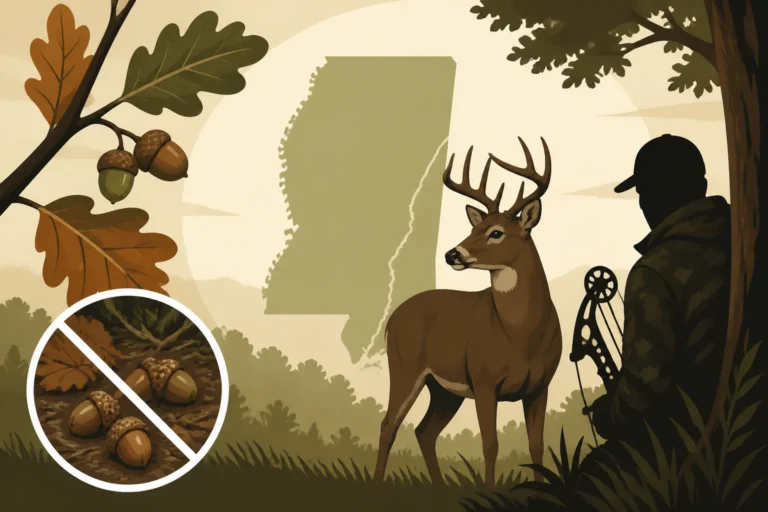
By the time muzzleloader season rolls around in Mississippi, the landscape has changed significantly from early archery season. Many of the lush green early-season food sources like clover plots might be less appealing, and natural mast crops like acorns could be dwindling or completely gone. Deer will shift their focus to remaining high-energy food sources. This could include late-dropping white oaks, persimmons, or agricultural fields such that are still holding crops. In farm country, harvested corn or soybean fields can be magnets for deer, especially if there's standing residue. Green fields planted for deer, like winter wheat or oats, become incredibly attractive as temperatures drop and other forage diminishes.
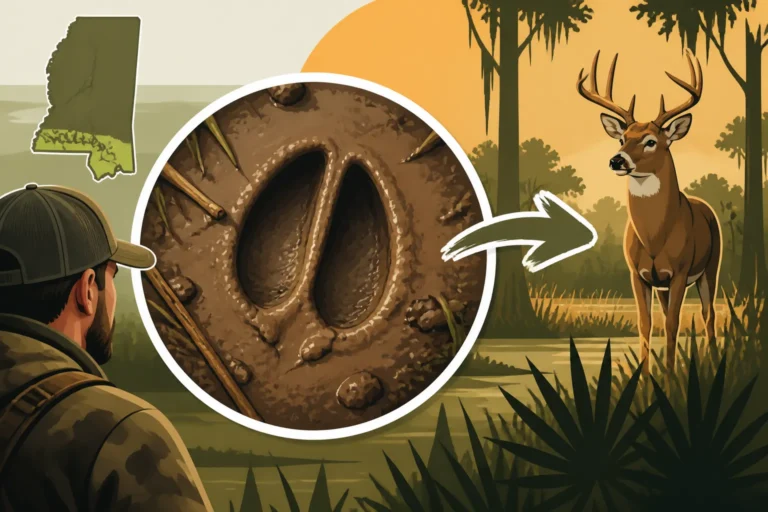
Look for fresh tracks, droppings, and browse lines around these food sources. Pay attention to how deer are accessing these areas – identifiable trails leading from bedding cover to feeding areas are gold. If you're hunting public land, be on the lookout for less obvious food sources that might be overlooked by other hunters. Scouting public lands before the season starts, as detailed in Scouting Mississippi Public Land Before Season, is vital. This knowledge, combined with up-to-date intel, helps you anticipate deer movement patterns during this specific time of year.
Focusing on Transition Areas and Cover
During muzzleloader season, deer are often seeking thick cover for bedding, especially as hunting pressure increases and weather turns colder. Think about dense pine thickets, cedar swamps, cane brakes, or deep river bottoms in the Delta. These areas offer security and thermal cover. The key is to find the transition zones between these bedding areas and the preferred food sources. These "pinch points" or funnels are prime locations for intercepting deer moving between cover and food, particularly during the early morning and late afternoon hours.
Look for natural funnels created by topography, changes in vegetation, or water features. A narrow strip of hardwoods between a pine plantation and a swamp, a point of timber jutting into an open field, or a saddle on a ridge line are all excellent examples of transition areas. Deer will often use the path of least resistance while still feeling secure. These funnels are where you can reliably predict deer movement, putting you in a position to get that crucial muzzleloader shot. When evaluating these areas, considering factors like wind and thermals, as discussed in Wind and Thermals in Delta Bottomland, becomes incredibly important.
Using Topography and Thermals to Your Advantage
Mississippi's diverse topography, from the flat Delta to the rolling Hills, offers different opportunities to use natural features to your advantage. In the Hills Unit, ridges and draws create natural travel corridors. Deer will often travel just below a ridge line to stay out of sight, or use draws to move unseen. Understanding how deer navigate these features is crucial. Analyzing aerial photos and topographical maps, perhaps using a tool like GoHunt, can help you identify these hotspots before you even set foot in the woods. For more on this, check out Reading Aerial Photos for Hills Unit Deer.
Thermals, which are rising or falling air currents, play a significant role, especially in hillier terrain or along river systems. In the mornings, cool air (thermals) will tend to fall into the valleys and draws, while in the evenings, warm air will rise up the hillsides. Deer instinctively use these air currents to their advantage, often bedding on a leeward slope where they can smell danger below them. As a muzzleloader hunter, understanding and playing the wind and thermals is paramount for getting close enough for an ethical shot without being busted. This often means planning your entry and exit routes meticulously to avoid sending your scent into bedding or feeding areas.
Effective Muzzleloader Hunting Tactics
Muzzleloader hunting isn't just about the gear; it's about the tactics you employ in the field. The single-shot nature and limited range demand a more thoughtful and often more aggressive approach than long-range rifle hunting.
Still-Hunting and Stalking Strategies
Given the need to get close, still-hunting and stalking can be incredibly effective muzzleloader tactics. Still-hunting involves moving very slowly and deliberately through the woods, pausing frequently to observe, listen, and scan for deer. It's about blending in, becoming part of the landscape, and letting your eyes do most of the work. Take one or two steps, then stop for several minutes, scanning every shadow and broken branch. This allows you to spot deer before they spot you, and gives them time to relax if they've heard your subtle movements.
Stalking, on the other hand, is a more active pursuit of a deer you've already spotted. Once you've seen a deer, the challenge is to close the distance without being detected. This requires an acute awareness of wind direction, terrain features for cover, and the deer's behavior. Move when the deer's head is down, or when it's looking away. Use every tree, bush, or change in elevation to obscure your approach. This is where your woodsmanship truly shines. Whether still-hunting or stalking, always be ready to take a shot, as opportunities can arise and vanish in an instant.
Setting Up Ground Blinds and Treestands
While stalking is exhilarating, many muzzleloader hunters still rely on static ambush points, especially during those prime early morning and late evening hours when deer are most active. Treestands offer a clear advantage in terms of visibility and scent dispersal. In areas like the Delta National Forest, where bottomland hardwoods prevail, a well-placed treestand overlooking a funnel or a food source can be incredibly effective. Consider stand setups in Delta National Forest. You can also hang a stand on a Delta bottomland funnel, which is a great place to intercept cruising bucks.
Ground blinds, whether pop-up models or carefully brushed-in natural setups, are another excellent option, particularly if you're hunting smaller woodlots or field edges. They provide excellent concealment and allow for more movement within the blind without spooking deer. If you're hunting areas with limited suitable trees or if you prefer a more comfortable, concealed setup, a ground blind can be perfect. Just remember to brush it in well and let deer get accustomed to it for a few days before hunting it. For tips on effective setups, you might find our guide on Using a Ground Blind on Mississippi Public Land helpful.
Calling and Decoying Considerations
Calling and decoying can add another dimension to your muzzleloader hunting strategy, especially during the rut when bucks are more responsive. Grunt calls can be very effective for stopping a cruising buck or drawing in a curious deer. A bleat call can sometimes coax a doe or even a young buck closer. During the muzzleloader season, which often overlaps with the pre-rut or early rut, rattling can also be a potent tactic, imitating two bucks fighting and drawing in a dominant buck looking for a confrontation.
Decoys, particularly a buck decoy or a doe decoy, can also be used to draw deer into muzzleloader range. Placement is key; always position your decoy so that an approaching deer will offer you a shot from your stand, usually quartering away. Ensure your scent is completely managed when handling decoys. While decoys add realism, they also require careful setup and consideration of wind and approach angles. Combining calling with a decoy can create a very compelling scenario that brings a deer right into your sweet spot for that single muzzleloader shot. Our article on Rattling and Grunting in Mississippi provides more detailed advice on these calling techniques.
Shot Placement and Tracking with a Muzzleloader
Making a clean, ethical shot and confidently tracking your deer is paramount for any hunter, but it takes on an even greater importance with a muzzleloader. The single-shot nature means you rarely get a quick follow-up, so precision is absolutely crucial.
Understanding Ballistics and Ethical Shots
Muzzleloaders, particularly traditional ones, have different ballistic characteristics than modern high-velocity rifles. Projectiles tend to be heavier and slower, resulting in a more pronounced trajectory arc at longer ranges. This means understanding your muzzleloader's specific trajectory and practicing at various distances is non-negotiable. Zero your rifle at a distance that makes sense for your setup and typical hunting conditions, usually 75 or 100 yards. Then, learn your holdovers or adjustments for closer and farther shots.
For an ethical shot, always aim for the vital organs: the heart and lungs. A broadside or quartering-away shot provides the largest target for these vitals. Avoid quartering-to or straight-on shots, as these present a much smaller vital zone and a higher risk of merely wounding the animal. Know your personal maximum ethical range – the distance at which you can consistently place your shot within a 6-8 inch circle. For many muzzleloader hunters, this is often 100-150 yards, but it varies by shooter and setup. Don't be tempted to take a shot beyond your comfort and capability, especially with only one shot available.
Dealing with Misses and Follow-Up Shots
A miss with a muzzleloader is a different beast than a miss with a semi-automatic rifle. You won't be sending another round downrange in a second. If you take a shot and the deer bolts, the first thing to do is mentally note where the deer was standing, its reaction, and the direction of travel. Do not immediately try to reload. Often, the flash and smoke from a muzzleloader shot can disorient a deer just enough for it to run a short distance and then stop, trying to figure out what happened. If you stay still and quiet, there's a small chance it might present another opportunity within minutes. This is rare, but it does happen.
If it's a clear miss, the best course of action is typically to wait a short while, assess the area for any sign, and then carefully reload your muzzleloader. If you suspect a hit but aren't certain, treat it as a hit and proceed with caution. Never assume a miss just because the deer ran. Always check the area where the deer was standing for blood or hair.
Blood Trailing and Recovery Techniques
When you do make a good hit, the real work begins. Even with a perfectly placed shot, deer don't always drop in their tracks, especially with muzzleloader projectiles which might not have the same immediate shock effect as a high-velocity rifle. Give the deer time. For a suspected good lung/heart shot, waiting 30-60 minutes before tracking is a good rule of thumb. For a gut shot, or if you're uncertain, wait several hours, even up to 6-8 hours, or overnight if temperatures allow. Pushing a gut-shot deer will often make it run further and be much harder to recover.
Start tracking at the point of impact. Look for blood, hair, bone fragments, or anything that indicates a hit. Mark your last known blood trail with flagging tape or brightly colored toilet paper every few yards so you don't lose the trail. If the blood trail becomes sparse, slow down, get on your hands and knees if necessary, and systematically grid search the area. Pay attention to the type of blood – bright red, frothy blood indicates a lung hit; dark, clotted blood suggests a liver hit; watery, greenish blood points to a gut shot. In Mississippi's dense woods, especially with a lot of leaf litter, trailing can be tough. If you find yourself in a bind, consider calling in an experienced blood trailing dog. For more detailed guidance, our article on Blood Trailing After Dark in Mississippi could prove invaluable.
Hunting Public Land vs. Private Land with a Muzzleloader
Mississippi offers a wealth of hunting opportunities on both public and private lands. Each presents its own set of advantages and challenges, and understanding these can significantly impact your muzzleloader hunting experience.
Navigating Public Land Challenges and Opportunities
Public lands in Mississippi, including National Forests like the Bienville National Forest and numerous Wildlife Management Areas (WMAs), offer accessible hunting grounds for muzzleloader enthusiasts. The primary challenge on public land is often hunting pressure. During the muzzleloader season, you might encounter other hunters, especially on popular WMAs. This pressure can make deer more wary and nocturnal. However, it also presents opportunities. Often, deer pushed by other hunters will move into overlooked pockets of cover or across property lines.
The key to success on public land is to go where others won't. This often means walking further, finding less accessible areas, or hunting during weekdays when crowds are lighter. Using tools like GoHunt or the MDWFP app to study maps and identify remote blocks of timber, hidden swamps, or thick bedding areas that require a long hike can pay dividends. Don't be afraid to put in the legwork. Also, be acutely aware of specific WMA regulations, as they can differ from statewide rules regarding muzzleloader use, bag limits, and access. You can find more specific information on Hunting Pressure on Mississippi Public Land and Mississippi Wildlife Management Areas to prepare yourself.
Maximizing Success on Private Land
Hunting private land often offers the advantage of lower hunting pressure and potentially better deer quality, especially if the land has been managed for wildlife. If you have access to private property, whether your own or through a lease or permission, you have more control over stand placement, food plot development, and overall deer management strategies. This can lead to more consistent encounters and better chances at mature bucks during the muzzleloader season.
On private land, focus on understanding the specific property's deer patterns. Where do they bed? What are the primary food sources? How do they travel between these areas? This is where trail cameras can be invaluable, helping you pattern deer movement without putting direct pressure on them. Food plots, if permitted, can be excellent attractants during the muzzleloader season, providing a reliable food source when natural forage is scarce. Placing a treestand or ground blind overlooking a well-traveled trail leading to a green field can be highly productive.
Permission and Respecting Landowner Rights
If you're hunting private land that isn't your own, gaining and maintaining permission is paramount. Always ask for permission well in advance of the season, and be clear about your intentions (e.g., "I'd like to muzzleloader hunt for deer"). Respect any specific rules the landowner has, such as limits on vehicles, where you can park, or areas that are off-limits. Leave gates as you found them, clean up any trash, and always thank the landowner for the privilege.
Consider offering the landowner some venison after a successful hunt as a gesture of appreciation. Building a good relationship with a landowner is key to long-term hunting access. Mississippi law is clear on trespass; always ensure you have explicit permission to be on private property. Remember, a landowner's generosity is a gift, and treating it with the utmost respect ensures future opportunities for yourself and other hunters.
Common Muzzleloader Challenges and Solutions
While muzzleloader hunting is incredibly rewarding, it comes with its own set of unique challenges that can frustrate even the most seasoned hunter. Being prepared for these common issues can make all the difference between a successful hunt and a missed opportunity.
Dealing with Misfires and Hangfires
A misfire is when the primer goes off, but the main powder charge fails to ignite. A hangfire is a delayed ignition, where the powder goes off a second or two after the primer. Both can be startling and potentially dangerous, and both will ruin a shot at a deer. Misfires and hangfires are often caused by wet powder, a weak primer, a dirty flash channel, or improper loading.
Solutions:
- Use Fresh, Dry Powder and Primers: Store your powder and primers in a cool, dry place. Replace old powder, especially if it's been exposed to humidity. Use fresh primers.
- Clean Flash Channel: Ensure the flash channel (the path from the primer to the powder) is clear and free of fouling. A small pick or drill bit designed for muzzleloaders can clear this out.
- Proper Seating: Make sure your bullet is fully seated against the powder charge with firm, consistent pressure. An air gap between the bullet and powder is extremely dangerous and can cause a barrel bulge or worse.
- Wait for Hangfires: If you experience a misfire, always wait at least 30 seconds with the muzzle pointed in a safe direction. A hangfire can still ignite the powder and fire the bullet. After waiting, clear the primer, try a new primer if possible, or safely unload the rifle. Many modern inline muzzleloaders allow you to remove the breech plug for inspection or to replace the primer without fully unloading the rifle, but always consult your rifle's manual for safe procedures.
Weather Impacts on Muzzleloader Performance
Mississippi's weather during muzzleloader season can be unpredictable, ranging from warm and humid to cold and rainy. Humidity and rain are the arch-enemies of traditional black powder and some substitutes, potentially leading to misfires or inconsistent performance.
Solutions:
- Waterproof Your Primers: Apply a small bead of clear nail polish around the base of the primer or use specialized waterproof primers to seal out moisture.
- Protect the Muzzle: Use a specialized muzzle cover (like a piece of latex glove, electrical tape, or a commercial product) to prevent rain or snow from entering the barrel. Just make sure whatever you use won't affect the bullet's flight if you have to shoot through it.
- Keep Powder Dry: Store your pre-measured powder charges in sealed, waterproof containers or vials. Load your rifle in a sheltered area if possible.
- Choose Reliable Powder: Blackhorn 209 is particularly well-regarded for its resistance to moisture and consistent ignition in varying weather conditions, making it a favorite for hunting in humid climates like Mississippi's.
- Carry a Backup: Some hunters carry a small, dry, desiccant packet in their powder horn or pouch if they are using loose powder.
Carrying Extra Supplies and Safety Gear
Unlike modern cartridge rifles, muzzleloaders require a specific array of tools and supplies to keep them operational in the field. Forgetting a crucial item can quickly turn a hunting trip into a frustrating experience.
Essential Extra Supplies:
- Extra Primers: Always carry more than you think you'll need. They're small and easily lost.
- Pre-Measured Powder Charges: Have several pre-measured charges in speedloaders or waterproof vials. This allows for quick, clean reloading if you get a second shot opportunity or need to clear a misfire.
- Extra Projectiles: Carry a few extra bullets and sabots.
- Loading Jags and Ramrod Accessories: Things can get lost or broken. A spare jag or bullet starter can save your hunt.
- Basic Cleaning Kit: A few patches, solvent, and a small bore brush for quick field maintenance.
- Unloading Tool: A CO2 discharger or a bullet puller for safely unloading your rifle without firing.
Safety Gear:
- Blaze Orange: Always wear the required amount of blaze orange (or blaze pink) during primitive weapons season, especially on public land. Even if you're not in an active gun season, it's a good safety practice. Our article on How Much Blaze Orange Mississippi Requires can provide details.
- First-Aid Kit: Always carry a small, personal first-aid kit for minor cuts, scrapes, or other emergencies.
- Navigation: A reliable GPS device, a compass, and a map are crucial, especially when venturing deep into public lands like the National Forests.
By anticipating these challenges and preparing with the right gear and knowledge, you can ensure a safer, more enjoyable, and ultimately more successful muzzleloader hunting experience in Mississippi.
Disclaimer
Please remember that hunting regulations can change. It is your sole responsibility to check the most current Mississippi Department of Wildlife, Fisheries, and Parks (MDWFP) regulations before engaging in any hunting activities. This guide is for informational purposes only and does not supersede official state regulations.