Mississippi Statewide Deer Bag Limit
It can feel like you need a law degree just to understand all the hunting regulations, especially when it comes to deer season in Mississippi. Trying to keep up with the statewide rules, then figuring out how those change by unit, can be downright confusing, leaving many hunters scratching their heads before they even step foot in the woods. This guide is here to untangle all that, breaking down Mississippi's statewide deer bag limits so you know exactly what you can harvest and why these rules are in place.
Understanding Mississippi's Deer Bag Limits The Basics
When you head out into the timber or along a field edge in Mississippi, you’re looking forward to that moment of truth, but before you pull the trigger, you need to know what’s legal to take. The Mississippi Department of Wildlife, Fisheries, and Parks (MDWFP) sets these limits with the health of the deer herd and hunter opportunity in mind. It's not just about how many deer you see; it's about managing a thriving ecosystem.
The General Statewide Daily and Season Limits
First off, let’s talk about the big picture. Mississippi’s statewide deer bag limit is set up to allow hunters a generous, but responsible, harvest. Generally, for the entire deer season, including archery, primitive weapons, and gun seasons, a hunter can harvest one (1) antlered buck per day, not to exceed three (3) antlered bucks per annual season. This is a crucial number to remember. You can't just go out and shoot a buck every day of the season, even if you see one. It's about spreading out your harvest and ensuring the buck population isn't over-pressured in any given period.
When it comes to antlerless deer, often referred to as does, the regulations are a bit more flexible because managing the doe population is critical for herd health. The statewide limit for antlerless deer is one (1) antlerless deer per day, not to exceed five (5) antlerless deer per annual season. Now, this is where it gets a little more nuanced, because these antlerless limits are often heavily influenced by the specific deer management unit you're hunting in, and even the type of land (private vs. public WMA). On private lands, hunters often have more opportunity to harvest antlerless deer, especially during special antlerless seasons or depending on individual management plans. It’s all part of ensuring a balanced buck-to-doe ratio and healthy habitat.
The key takeaway here is to always keep a running tally in your head, or better yet, log your harvests through the MDWFP app or a platform like GoHunt, which can help you track your kills and stay compliant. For a broader understanding of the season structure, you might want to look at Mississippi Deer Season Structure Explained.
Antlered Versus Antlerless Deer Designations
Understanding the difference between an "antlered" and "antlerless" deer might seem obvious, but it’s fundamental to staying legal. An antlered deer is typically defined as a male deer with at least one antler of measurable length. However, Mississippi has specific antler point restrictions (APRs) that go beyond just "measurable length" in certain units, which we'll dive into shortly. It’s not just about having antlers; it’s often about how big those antlers are. This is designed to protect younger bucks and allow them to reach older age classes, contributing to better genetics and bigger deer overall.
An antlerless deer is defined as any deer without antlers. This primarily includes does and button bucks. Yes, button bucks are considered antlerless. It’s a common mistake, and one that can lead to an illegal harvest if a hunter isn't careful. A button buck, for those new to hunting, is a young male deer whose antlers have not yet grown beyond the skin, appearing as small "buttons" on his head. If you accidentally take a button buck during an antlered-only season, or if it counts against an antlerless tag, it’s a mistake you’ll want to avoid. Always take an extra moment to confirm your target, especially in low light or thick cover, to avoid any confusion between a doe and a button buck. Your binoculars are your best friend here.
Navigating Unit-Specific Deer Bag Limit Variations
While there's a statewide bag limit that provides a general framework, Mississippi is not a "one size fits all" state when it comes to deer management. The state is carved into distinct deer management units, each with its own unique habitat, deer population dynamics, and specific regulations designed to foster healthy herds in those particular areas. This is where things can get a little tricky, and why it's so important to know exactly which unit you're hunting in. The MDWFP does a phenomenal job tailoring these rules, and platforms like GoHunt often incorporate these unit-specific regulations into their mapping and information services, making it easier to stay informed.
The Delta, Hills, and Southeast Units Explained
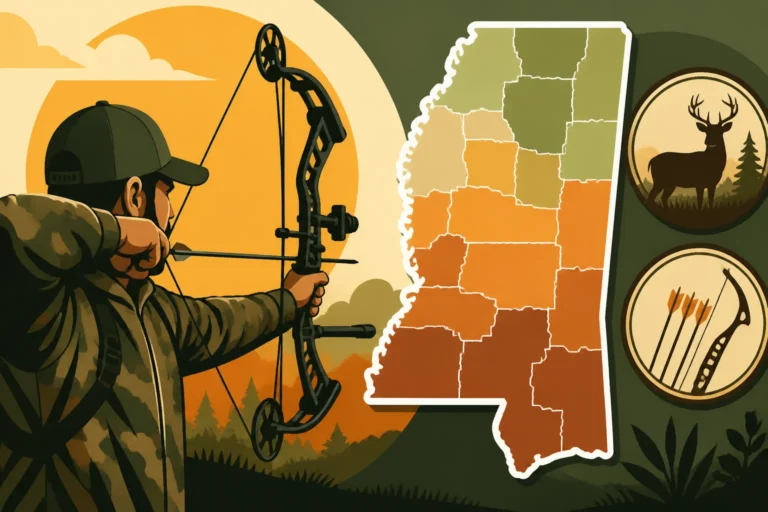
Mississippi currently has four primary deer management units: the Delta, Hills, Southeast, and North Central Units. Each has its own nuances, particularly regarding antlered buck requirements and sometimes even antlerless opportunities. Knowing these distinctions is vital. You can find more comprehensive information on Mississippi's Four Deer Management Units.
- Delta Unit: This unit, encompassing the fertile floodplains of the Mississippi River, is renowned for its rich soils and ability to grow large-bodied, heavy-antlered deer. To protect younger bucks and promote an older age structure, the Delta Unit has specific antler restrictions. Generally, a legal antlered buck in the Delta Unit must have at least a 12-inch inside spread OR at least one main beam 15 inches long. This is a higher bar than other units, and it's designed to let those young bucks walk and mature. While the statewide bag limit of three antlered bucks still applies, each of those bucks must meet this strict antler criterion. For antlerless deer, the limit typically follows the statewide "one per day, five per season" rule, but local conditions on WMAs or private lands can sometimes offer more aggressive antlerless opportunities to help manage the population.
- Hills Unit: Covering the vast central and northern portions of the state, the Hills Unit is characterized by rolling timber, agriculture, and diverse habitats. The antler restrictions here are a bit less stringent than the Delta but still aim to protect younger deer. A legal antlered buck in the Hills Unit must have at least a 10-inch inside spread OR at least one main beam 13 inches long. This adjustment accounts for the slightly different growth rates and deer densities found in this more diverse terrain. Again, the statewide three-buck limit applies, provided each meets the unit-specific antler requirements. Antlerless limits generally mirror the statewide allowances. Specifics are covered under Hills and Southeast Unit Antler Restriction Rules.
- Southeast Unit: This unit covers the pine-dominated forests and coastal plains of southern Mississippi. Like the Hills Unit, the Southeast Unit's antlered buck restriction typically requires at least a 10-inch inside spread OR at least one main beam 13 inches long. The habitat in the Southeast can be very different, with a lot of clear-cuts, pine plantations, and swampy areas, influencing deer movement and diet. The deer here might not consistently reach the same antler dimensions as the Delta, so the rules reflect that. Antlerless deer limits are also typically "one per day, five per season."
How Antler Restrictions Impact Your Bag
Antler restrictions aren't just an arbitrary rule; they are a cornerstone of quality deer management in Mississippi. They are designed to allow younger bucks (often 1.5 to 2.5 years old) to survive another year or two, giving them a chance to fully express their genetic potential in terms of antler growth and body size. When you protect these younger bucks, you increase the number of mature bucks in the population, which in turn leads to a healthier breeding population and potentially more Boone and Crockett-class deer down the line.
Imagine you're hunting in the Delta Unit. You've been scouting with your GoHunt app, found a promising funnel, and set up your stand. A beautiful 8-point buck steps out, but after careful evaluation, you realize his inside spread is only 11 inches. According to Delta Unit Antler Restriction Rules, that buck isn't legal. It can be tough to let a good deer walk, but adhering to these regulations is how we ensure the future of big bucks in Mississippi. This type of discipline is what makes Mississippi's deer hunting so rewarding.
Special Considerations for the North Central Unit
The North Central Unit, covering a smaller portion of the state, typically follows the same antler restrictions as the Hills and Southeast Units: at least a 10-inch inside spread OR at least one main beam 13 inches long. However, always double-check the latest regulations, especially if you're hunting near unit boundaries, as these can sometimes change or have localized variations based on specific land management strategies. For a deep dive into these particular rules, refer to North Central Unit Season Rules.
The key message across all units is vigilance. The onus is on the hunter to correctly identify their target and ensure it meets the legal requirements for the specific unit and season they are hunting in. A quick glance at the GoHunt app or the MDWFP regulations before you head out can save you a lot of headache and potential legal trouble.
Here's a quick reference table for the primary antlered buck limits by unit:
| Deer Management Unit | Antlered Buck Minimum Requirement | Antlerless Deer Limit (Statewide) |
|---|---|---|
| Delta Unit | 12-inch inside spread OR 15-inch main beam | 1 per day, 5 per season |
| Hills Unit | 10-inch inside spread OR 13-inch main beam | 1 per day, 5 per season |
| Southeast Unit | 10-inch inside spread OR 13-inch main beam | 1 per day, 5 per season |
| North Central Unit | 10-inch inside spread OR 13-inch main beam | 1 per day, 5 per season |
Note: These are general guidelines; always consult the official MDWFP regulations for the current hunting season, as rules can be subject to change or specific local variances, especially on WMAs.
Important Considerations Beyond the Bag Limit
While knowing your bag limit is paramount, there are other critical regulations and practices that every Mississippi deer hunter needs to be aware of. These aren't just bureaucratic hurdles; they are vital components of modern wildlife management, ensuring ethical hunting, herd health monitoring, and public safety. Neglecting these aspects can not only result in penalties but also undermine the collective effort to maintain Mississippi's rich hunting heritage.
Mandatory Deer Reporting Requirements
One of the most important duties a Mississippi deer hunter has after a successful harvest is reporting that kill. It's not optional; it's mandatory. The MDWFP relies heavily on harvest data to make informed management decisions, track population trends, and assess the impact of disease. When you fail to report, you create gaps in their data, which can lead to less effective management strategies down the road.
Every deer harvested in Mississippi must be reported within 72 hours of harvest (unless otherwise specified for certain quota hunts or CWD zones). The easiest way to do this is through the MDWFP's official app or their online harvest reporting system. You'll need your license number, the date and time of harvest, the county, the type of land (private, WMA, etc.), and details about the deer (antlered/antlerless, points, sex). It's a quick process that takes only a few minutes, but it provides invaluable data.
Think of it this way: every time you report a deer, you're contributing to the science that helps ensure there will be plenty of deer for future generations. It's a small task with a huge impact. Many hunters use tools like GoHunt to mark their harvest locations, and then input that data into the MDWFP system. For more detailed instructions, you can check out Mississippi Deer Reporting Requirements.
CWD Zone Regulations and Their Impact
Chronic Wasting Disease (CWD) is a serious concern for deer populations nationwide, and Mississippi is no exception. This fatal neurological disease impacts deer, elk, and moose. It's been detected in several counties across Mississippi, leading the MDWFP to establish CWD Management Zones. If you hunt in one of these zones, there are additional regulations you absolutely must follow. These rules are designed to prevent the spread of CWD to unaffected areas. More detailed information is available on Mississippi's Chronic Wasting Disease Zones.
Key CWD regulations often include:
- Mandatory Testing: In some CWD zones, particularly during opening weekends or specific periods, harvested deer might require mandatory CWD testing. This usually involves dropping off the deer's head at a designated sampling station.
- Carcass Movement Restrictions: This is a big one. You cannot transport whole deer carcasses or certain parts (like brain, spinal cord, lymph nodes) out of a CWD Management Zone. This rule is critical because the prions that cause CWD are concentrated in these tissues. You're typically allowed to transport deboned meat, clean antlers, hides, and taxidermy-ready skulls (free of brain tissue).
- Special Bag Limits or Harvest Opportunities: In some CWD zones, the MDWFP might offer increased antlerless harvest opportunities, or even implement more liberal general bag limits, to help manage the deer population. Reducing deer density is one strategy to slow the spread of the disease.
It's your responsibility to know if you're hunting in a CWD zone and to understand the specific rules for that area. Check the MDWFP website or their app before every hunt, as these zones and regulations can be updated.
Youth Hunter Exemptions and Special Seasons
Mississippi is dedicated to fostering the next generation of hunters, and that includes providing opportunities for youth to get involved. The state offers special Youth Gun Weekends, which are exclusive hunting opportunities for young hunters (typically 15 years of age and younger) to harvest deer before the general gun season opens. This provides a less pressured environment and a fantastic chance for mentors to teach valuable skills.
During these youth hunts, the bag limits often align with the statewide general limits, but the focus is on participation and education. Mentors must be present and follow specific guidelines. These weekends are a cherished tradition and an excellent way to introduce kids to the outdoors. Many families use these weekends as their primary deer hunting trip, creating lasting memories. You can learn more about these special opportunities by checking out Hunting the Mississippi Youth Gun Weekend. Always review the specific regulations for youth hunts, as they can have their own nuances regarding weapon types and supervision requirements. These dedicated periods are a testament to Mississippi's commitment to conserving both wildlife and hunting heritage.
Disclaimer
Please remember that hunting regulations are subject to change. While every effort has been made to provide accurate and up-to-date information, it is the hunter's responsibility to consult the most current official Mississippi Department of Wildlife, Fisheries, and Parks (MDWFP) regulations before engaging in any hunting activities. This guide is for informational purposes only and should not be considered a substitute for the official hunting laws and proclamations.