North Central Unit Season Rules
It can feel like you need a law degree just to understand Mississippi's deer hunting regulations sometimes, especially when you start looking at the different units across the state. The truth is, each management unit has its own set of rules, and what applies in the Delta might be completely different from what you find in the Piney Woods or the North Central region. This guide is here to untangle the specifics of deer season in Mississippi's North Central Unit, covering everything from season dates and bag limits to antler restrictions and special opportunities, so you can head to the woods with confidence.
Understanding the North Central Unit's Geographic Boundaries
Before you even think about hanging a stand or rattling antlers, it's absolutely crucial to know which deer management unit you're hunting in. Mississippi divides the state into four distinct deer management units, each with regulations tailored to local deer populations and habitat. The North Central Unit encompasses a significant portion of the state, and its boundaries are defined by major highways and county lines. Get this wrong, and you could easily find yourself in violation of regulations, no matter how well-intentioned you are.
Defining the Geographic Area
The North Central Unit generally covers the northern-central portion of Mississippi, characterized by a mix of rolling hills, timber tracts, and agricultural lands. For instance, counties like Marshall, Lafayette, Panola, Tallahatchie, Grenada, and Calhoun typically fall within this unit, along with portions of others. It’s a diverse landscape, offering different hunting experiences from the river bottoms of the Delta to the pine and hardwood ridges found further east. Knowing these boundaries is your first step to legal and ethical hunting. If you're ever in doubt about a specific property or county, always check the official Mississippi Department of Wildlife, Fisheries, and Parks (MDWFP) Outdoor Digest or use their online mapping tools.
Navigating County Lines and Unit Overlaps
One of the trickiest parts for hunters, especially those who hunt properties near unit borders, is understanding where one unit ends and another begins. Imagine you're hunting a tract that straddles two counties, and one part is in the North Central Unit while another section falls into the Hills Unit. The rules for antler restrictions, for example, could be subtly different, leading to potential issues. This is where meticulous scouting and using reliable mapping applications, such as those found on GoHunt, can be a game-changer. These tools often have property line overlays and can help you visualize unit boundaries with precision. Always verify the specific county or property's unit designation, especially if you're venturing into new territory or hunting public lands that might be split. It pays to be certain rather than risk a violation because you assumed the rules were universal across an entire county. For a broader overview of the state's divisions, you might want to read our article on Mississippi's Four Deer Management Units.
General Deer Season Dates and Structure in the North Central Unit
The North Central Unit, like other units in Mississippi, operates on a structured season framework, offering distinct periods for archery, muzzleloader, and conventional firearm hunting. This staggered approach helps manage herd numbers and provides diverse opportunities for hunters with different preferences. It’s not just about when you can hunt, but also about how you can hunt during those specific windows.
Archery Season Specifics
Archery season in the North Central Unit typically kicks off in early October, offering hunters a fantastic opportunity to get into the woods before the gun season pressure really ramps up. This early start allows you to chase deer that are still on their summer feeding patterns and haven't become quite as wary. It’s a time when patterns are often more predictable, especially around food sources. Remember, during archery season, only archery equipment (bows and crossbows) is permitted. While crossbows are legal during the general archery season for all hunters, it’s always wise to double-check the specific rules, as regulations can sometimes see minor adjustments. If you're looking for detailed dates, check out Mississippi Archery Season Dates by Unit.
The beauty of archery season lies in the challenge and the intimacy of the hunt. You're trying to get close, within 30-40 yards, to a whitetail that has its senses finely tuned. This often means focusing on stealth, scent control, and meticulous stand placement. It's a great time to be in a treestand overlooking a white oak dropping acorns or a transition line between bedding and feeding areas. Many hunters find the mild weather and the relatively quiet woods of early archery season to be some of the most enjoyable hunting of the year, even if success rates are lower than during gun season.
Muzzleloader Season Details
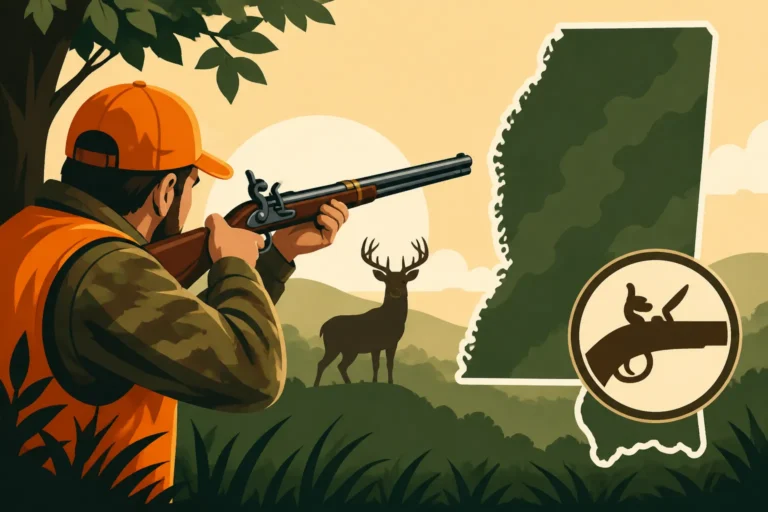
Following closely on the heels of archery season, usually in late October or early November, the muzzleloader season opens up. This period acts as a bridge between archery and the full-blown gun season, allowing hunters to use traditional muzzleloading firearms. For many, muzzleloaders offer a unique blend of challenge and power, filling that gap when deer are starting to become more active with the cooler weather and pre-rut behavior begins to manifest. This is also a fantastic time to hunt if you're trying to capitalize on deer movement before the heavy gun pressure sets in.
Muzzleloader season in the North Central Unit usually runs for a week or two, giving hunters a solid window to pursue bucks that are just starting to show increased daytime activity. It's a prime opportunity if you enjoy the historical aspect of black powder hunting or if you simply want a bit more range and knockdown power than an archery setup, but still prefer a more traditional challenge than a modern rifle offers. Always verify the specific dates in the official MDWFP regulations, and be aware of any specific requirements for muzzleloaders, such as projectile types or powder restrictions. Our guide on Mississippi Muzzleloader Tactics has some excellent tips for this period.
Gun Season Breakdown
The main event for many hunters in the North Central Unit is the opening of the gun season. This typically begins in mid-November and runs through late January, often with a brief break around Christmas. This is the longest and most popular segment of the deer season, drawing the largest crowds to both private and public lands. The timing of the gun season often coincides with peak rut activity in many parts of the North Central Unit, making it an incredibly exciting and productive time to be in the woods.
During gun season, a wider array of legal firearms is permitted, including modern centerfire rifles, shotguns, and pistols, as long as they meet the minimum caliber requirements. This period is when many hunters fill their freezers and often pursue their target bucks. It's also when hunting pressure is at its highest, so understanding how to adapt your strategies for pressured deer becomes vital. For precise dates and details on different firearm types, consult the latest MDWFP regulations or our specific article on Mississippi Gun Season Dates by Unit. Be mindful of Sunday hunting rules, which can vary, and always prioritize safety, especially with more hunters in the field.
Antler Restrictions and Bag Limits Specific to North Central
Mississippi employs antler restrictions in its deer management units to promote a healthier age structure in the buck population and to allow younger bucks a chance to mature. The North Central Unit has its own specific set of rules regarding antler size and the number of deer you can harvest, which differ from other parts of the state. It’s absolutely critical to understand these before you pull the trigger, as taking an illegal buck can result in hefty fines and license revocation.
Minimum Antler Requirements
For hunters in the North Central Unit, the antler restriction typically follows a "four points or better on one side" rule, or a minimum outside spread of at least 10 inches. This is often similar to the "Hills Unit Ten-Inch Spread Rule Explained" and is designed to protect yearling bucks and allow them to grow. This means that if a buck doesn't have at least four points on one antler, or if its antlers don't extend past its ears (which generally indicates a 10-inch spread), it is usually considered illegal to harvest unless it is an antlerless deer or taken under specific circumstances.
Imagine you're sitting in your stand, watching a young buck approach. He's got small forks, maybe three points on each side, and his antlers barely clear his ears. In the North Central Unit, that buck would likely be illegal to shoot. You have to train your eyes to quickly assess these criteria. It’s not always easy, especially in low light or thick cover, but patience and careful observation are paramount. The goal is to let those young bucks walk, allowing them to contribute to the gene pool and grow into bigger, more desirable deer in future seasons. This management strategy aims to improve the quality of the deer herd over time.
Daily and Seasonal Bag Limits
Beyond antler restrictions, every hunter in the North Central Unit must adhere to specific daily and seasonal bag limits. These limits dictate how many deer, both antlered and antlerless, you can harvest within a single day and throughout the entire season. Typically, the statewide bag limit for antlered bucks is three per season. For antlerless deer, the limits are usually more generous and often tied to specific "doe days" or during parts of the archery and muzzleloader seasons.
For example, a hunter in the North Central Unit might be allowed to take one legal buck per day, with a seasonal limit of three legal bucks. Antlerless deer limits are often set at 5 per season, with specific days or periods designated for their harvest to help manage the overall population. It's crucial to consult the current MDWFP Outdoor Digest for the exact numbers, as these can sometimes be adjusted based on herd health assessments and population trends. Exceeding these limits is a serious offense, so always keep track of your harvests. For more general information on statewide limits, check out Mississippi Deer Bag Limit Rules.
Doe Days and Antlerless Opportunities
Managing the deer herd isn't just about buck quality; it's also about maintaining a healthy population balance, which often means harvesting antlerless deer (does). In the North Central Unit, specific "doe days" are designated during the gun season, allowing hunters to harvest antlerless deer with legal firearms. Additionally, antlerless deer are generally legal to harvest throughout the entire archery and muzzleloader seasons.
These antlerless harvest opportunities are vital for population control, helping to keep the herd within the carrying capacity of the habitat. Too many does can lead to overbrowsing, poor deer health, and reduced antler growth in bucks. As a responsible hunter, participating in the harvest of antlerless deer, when permitted, is a key part of wildlife management. Always verify the specific dates for doe days and antlerless harvest opportunities in the current regulations.
Here's a quick reference table for the North Central Unit's typical deer season structure:
| Season Type | Typical Start Date | Typical End Date | Antlered Buck Limit (Seasonal) | Antlerless Deer Limit (Seasonal) | Antler Restriction (Bucks) |
|---|---|---|---|---|---|
| Archery | October 1 | Mid-November | 3 | 5 | 4 points or better on one side, OR 10-inch outside spread |
| Muzzleloader | Mid-November | Late November | 3 | 5 | 4 points or better on one side, OR 10-inch outside spread |
| Gun | Late November | Late January | 3 | 5 (on designated days) | 4 points or better on one side, OR 10-inch outside spread |
Note: These dates and limits are typical and can vary annually. Always consult the latest MDWFP regulations.
Special Hunting Opportunities and Regulations
Beyond the general season structure, Mississippi's North Central Unit offers specific opportunities for youth hunters and also has clear guidelines for equipment like crossbows and rules for public land. These special regulations are designed to cater to different hunter demographics and ensure fair chase while promoting safe and responsible hunting practices.
Youth Hunt Weekend Rules
Mississippi is fantastic about encouraging the next generation of hunters, and the North Central Unit participates in the statewide Youth Gun Weekend. This special weekend, usually occurring in early November before the general gun season, allows hunters 15 years of age and younger to use any legal firearm to harvest deer, provided they are accompanied by a licensed adult hunter who is at least 21 years old. The adult must supervise the youth hunter, but they are not permitted to hunt themselves during this special weekend.
This is a phenomenal opportunity to introduce young people to deer hunting in a less pressured environment. Kids can learn gun safety, tracking, and the thrill of the hunt, all while being mentored by an experienced adult. The rules are pretty straightforward, but it's vital to ensure both the youth and adult understand them completely. For a complete guide to these special dates and regulations, refer to our article on Hunting the Mississippi Youth Gun Weekend. It's a memory-making experience that fosters a love for the outdoors.
Crossbow Use During Archery Season
For hunters who might find traditional archery equipment challenging due to physical limitations, age, or simply personal preference, crossbows offer a valuable alternative. In Mississippi, crossbows are generally legal for all hunters during the regular archery season in the North Central Unit, without the need for a special permit or disability exemption. This makes archery season accessible to a broader range of participants.
However, just because they're legal doesn't mean you shouldn't practice extensively. While crossbows offer increased velocity and a flatter trajectory compared to traditional bows, shot placement is still paramount. It's also important to check any local ordinances, especially if hunting within specific city limits that might have archery-only zones, as some might distinguish between traditional bows and crossbows. Always verify the most current regulations regarding crossbow use, as these can sometimes be subject to minor tweaks by the MDWFP.
Public Land Considerations within the Unit
The North Central Unit contains several Wildlife Management Areas (WMAs) and sometimes portions of National Forests that offer public hunting opportunities. Hunting on these public lands comes with its own unique set of rules that often go beyond the statewide unit regulations. These can include WMA-specific season dates, special bag limits, different antler restrictions, mandatory sign-in/out procedures, and even specific weapon restrictions or quota hunts.
For example, a WMA within the North Central Unit might have a "buck-only" rule for certain weeks, or a stricter antler point restriction than the general unit rule. Many WMAs also require a WMA User Permit in addition to your standard hunting license. Before stepping foot on any public land, it's absolutely crucial to consult the individual WMA's regulations, which are usually available on the MDWFP website or on informational kiosks at the WMA itself. Planning your trip with tools like GoHunt can help you identify these public land boundaries and specific regulations more easily, allowing for a more effective Scouting Mississippi Public Land Before Season strategy. Don't assume the North Central Unit rules apply verbatim to every acre of public land within its boundaries.
Hunter Education and Licensing Requirements for the Unit
Every hunter in Mississippi, regardless of which unit they’re pursuing game in, needs to be properly licensed and, for most, must have completed a hunter education course. These requirements are in place to ensure safety, promote ethical hunting practices, and fund conservation efforts across the state. Skipping these steps isn't just illegal; it's irresponsible.
Required Licenses for Residents and Non-Residents
To hunt deer in the North Central Unit, or anywhere in Mississippi, you'll need the appropriate hunting license. For residents, this typically means a Resident All-Game License or a Resident Sportsman's License, which covers all legal game species. If you're a non-resident, the requirements are a bit more involved. Non-residents usually need a Nonresident All-Game License, and often a Nonresident Deer Permit, especially if you plan to hunt deer. The costs for these licenses can vary significantly between residents and non-residents, with non-resident licenses generally being more expensive.
It's important to buy your licenses well in advance, either online through the MDWFP website, at a licensed vendor, or over the phone. Always carry proof of your license while hunting, whether it's a physical copy or a digital version on your phone. Getting caught without a valid license can lead to fines and the immediate termination of your hunt. To fully understand the options and costs, you might want to review Mississippi Hunting Licenses and What They Cost. Make sure you have the correct licenses for the duration and type of hunting you plan to do in the North Central Unit.
Hunter Education Mandates
Mississippi law mandates that anyone born on or after January 1, 1972, must complete a hunter education course before purchasing a hunting license that allows them to hunt unsupervised. This course covers firearm safety, wildlife identification, hunting ethics, and Mississippi hunting laws. It's a foundational step for new hunters and ensures a basic level of competency and awareness in the field. There are exceptions for those hunting on private land that they own, or for those hunting under an Apprentice Hunter License while accompanied by a mentor, but for most, hunter education is a must.
If you don't fall into the age exemption, you'll need to complete this course. Many options are available, including online courses followed by a field day, or traditional in-person classes. The MDWFP website provides all the necessary information to find and register for these courses. This isn't just a bureaucratic hurdle; it's a vital safety measure that helps reduce hunting accidents and promotes a positive image of hunting. For more details on who needs it and how to get it, check out our guide on Mississippi Hunter Education Requirements.
Important Considerations and Safety for North Central Hunters
Hunting in the North Central Unit, like any other region, comes with responsibilities that extend beyond simply knowing the season dates and bag limits. Being aware of disease risks, adhering to safety protocols, and fulfilling post-harvest duties are all part of being a complete and ethical hunter. These elements ensure not only your safety but also the health of the deer herd and the sustainability of the sport.
CWD Zones Within or Near the Unit
Chronic Wasting Disease (CWD) is a serious concern for deer populations in Mississippi. While the primary CWD zones have historically been concentrated in the northernmost counties, specific CWD management zones can expand or shift based on new detections. It's entirely possible that counties within or adjacent to the North Central Unit could be designated as CWD Management Zones. When hunting in a CWD zone, there are often mandatory testing requirements for harvested deer, specific carcass movement restrictions, and enhanced feeding and baiting regulations.
Before heading into the North Central Unit, especially if you're hunting near a known CWD hotspot, check the latest MDWFP updates on CWD. Using resources like the MDWFP website or your GoHunt app for current information is crucial. If you harvest a deer in a CWD zone, you might be required to submit a sample for testing and could face restrictions on transporting the carcass out of that zone. Understanding and complying with these rules is vital to preventing the spread of this devastating disease. For more information, please consult Mississippi's Chronic Wasting Disease Zones.
Blaze Orange Requirements and Safety Tips
Safety is paramount in the woods, especially during the busy gun season. In Mississippi, hunters are required to wear specific amounts of blaze orange (or blaze pink) during daylight hours when hunting deer with a firearm. This mandate ensures that hunters are highly visible to one another, significantly reducing the risk of accidental shootings. Typically, this means wearing at least 500 square inches of solid unbroken blaze orange or pink, visible from all sides, which could be a vest, hat, or both.
Beyond the legal requirements, common sense safety rules should always be followed. This includes always identifying your target and what's beyond it, keeping your muzzle pointed in a safe direction, treating every firearm as if it's loaded, and keeping your finger off the trigger until you're ready to shoot. Communicate with fellow hunters in your party, especially if you're hunting in a group or participating in a deer drive. The North Central Unit can have varied terrain and cover, so being aware of your surroundings and other hunters is critical.
Reporting Harvests and Other Responsibilities
A key responsibility for all deer hunters in Mississippi is reporting their harvest. The MDWFP relies on this data to monitor deer populations, track harvest trends, and make informed management decisions. It's usually a quick and easy process, often done through a mobile app or online portal. You'll typically need to report the deer within 72 hours of harvest, providing details such as the county of harvest, the date, and whether it was an antlered or antlerless deer.
This data is crucial for understanding the health of the North Central Unit's deer herd and helps shape future regulations. Neglecting to report your harvest is a violation and deprives wildlife managers of essential information. Beyond reporting, responsible hunters practice ethical shot placement, minimize suffering, and properly field dress and care for their game. Being a part of the hunting community means taking on these responsibilities willingly, contributing to the greater good of wildlife conservation in Mississippi.
Disclaimer
Please note that hunting regulations, season dates, and bag limits are subject to change. Always consult the most current official Mississippi Department of Wildlife, Fisheries, and Parks (MDWFP) Outdoor Digest or their website before planning your hunt. This guide is for informational purposes only and should not be considered a substitute for official state regulations.